Understanding Teeth Whitening Options
Teeth whitening has become a popular cosmetic procedure, with various options available to brighten smiles. Understanding the different types of teeth whitening treatments, including professional and at-home methods, is crucial for making an informed decision. This involves recognizing the underlying causes of tooth discoloration, such as genetics, aging, and lifestyle factors like coffee and smoking. Options range from over-the-counter products like whitening strips and toothpastes to professional treatments like Opalescence and Zoom whitening, offered by dental professionals. Each method utilizes different bleaching agents and application techniques, influencing the effectiveness, duration, and cost of the treatment. Considering the diverse choices available is essential for achieving optimal results and maintaining oral health.
Opalescence Whitening An Overview
Opalescence is a well-regarded brand in the teeth whitening industry, offering a range of professional and at-home whitening products. It is known for its effectiveness in removing stains and discoloration caused by various factors. Opalescence whitening systems generally use carbamide peroxide or hydrogen peroxide as the active bleaching agent, which penetrates the enamel to break down stain molecules. The brand provides flexibility in terms of concentration, treatment duration, and application methods. This caters to different patient needs and preferences. Furthermore, Opalescence products often include ingredients designed to reduce tooth sensitivity, a common side effect of teeth whitening. The ability to customize the whitening process, combined with its proven results, makes Opalescence a popular choice for enhancing the brightness of smiles.
Types of Opalescence Products

Opalescence offers a comprehensive line of whitening products catering to various needs and preferences. These include take-home whitening trays, professional-strength gels for in-office treatments, and whitening toothpastes. The take-home kits typically involve custom-fitted trays filled with a whitening gel, worn for a specified amount of time each day. In-office treatments provide a faster, more concentrated whitening effect under the supervision of a dentist. Opalescence also offers whitening toothpaste to maintain and enhance the results of professional treatments. The different products come in varying concentrations of the active bleaching agent, allowing dentists to tailor the treatment to the individual’s level of discoloration and sensitivity. This variety ensures that patients can find a suitable Opalescence product to achieve their desired results while maintaining their oral health.
Opalescence Whitening Process
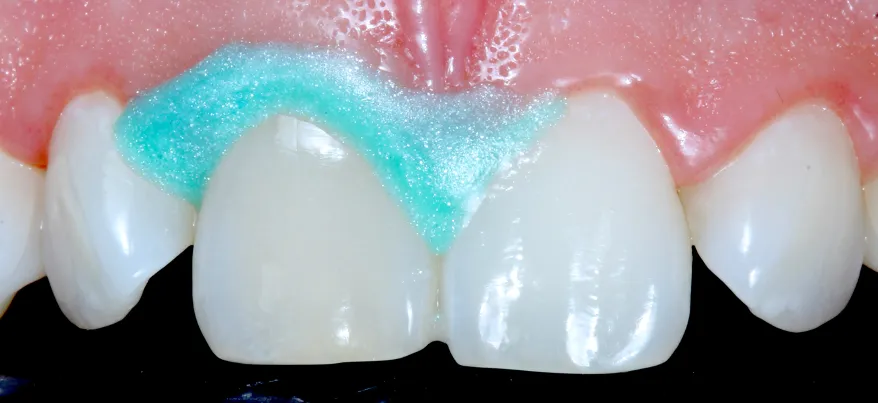
The Opalescence whitening process varies depending on the chosen method, whether in-office or at-home. For in-office treatments, the dentist will apply a high-concentration whitening gel to the teeth and may use a special light to accelerate the bleaching process. The gums are protected with a barrier to prevent irritation. The treatment typically involves multiple applications, with each session lasting around 15-20 minutes. With at-home whitening, the patient receives custom-fitted trays from their dentist. They then dispense the whitening gel into the trays and wear them for a specified amount of time each day, as instructed. The duration of treatment varies based on the concentration of the gel and the desired level of whitening. Both methods require adhering to the dentist’s instructions to achieve optimal results and minimize potential side effects. This ensures a safe and effective whitening experience.
Advantages of Opalescence
Opalescence offers several advantages that make it a popular choice for teeth whitening. Its effectiveness in removing various types of stains is a significant benefit. The brand’s range of products, including in-office and at-home options, provides flexibility in treatment. Opalescence products are designed to minimize tooth sensitivity, a common side effect of whitening. The custom-fitted trays used in at-home treatments ensure the whitening gel is applied evenly and prevents irritation of the gums. Furthermore, the professional guidance provided by dentists during the process helps to ensure safe and effective results. The brand’s ability to tailor treatments to individual needs and the overall focus on patient comfort contributes to a positive experience. The brand is highly regarded for its safety and efficacy when used as directed.
Disadvantages of Opalescence

Despite its many benefits, Opalescence also has potential disadvantages to consider. Tooth sensitivity is a possible side effect, particularly with higher concentrations of whitening agents. The results may vary depending on the individual’s initial tooth shade and the type of stains present. For some, the treatment duration might be longer compared to in-office procedures. There is also the cost factor, as Opalescence treatments can be more expensive than over-the-counter options. Additionally, although rare, some people may experience gum irritation if the whitening gel comes into contact with the soft tissues. Therefore, consulting with a dentist to assess suitability and understand potential risks is crucial before beginning any teeth whitening treatment. This ensures that patients are well-informed and can make the best decision for their oral health.
Zoom Whitening An Overview
Zoom whitening is a popular in-office teeth whitening system that offers dramatic results in a single visit. It is a professional treatment performed by a dentist, utilizing a powerful hydrogen peroxide whitening gel. The process involves applying the gel to the teeth and activating it with a special blue LED light. This light accelerates the whitening process, allowing for a more intense treatment than at-home methods. Zoom whitening is particularly effective for removing deep stains and discoloration, providing noticeable improvements in a relatively short amount of time. The treatment is often completed within an hour, making it convenient for patients seeking rapid results. This method also offers the advantage of professional supervision, ensuring that the procedure is performed safely and effectively, with adjustments made based on the patient’s specific needs.
Zoom Whitening Process
The Zoom whitening process begins with a dental professional preparing the patient’s mouth. This includes isolating the gums with a protective barrier to prevent irritation from the whitening gel. The dentist then applies a high-concentration hydrogen peroxide gel to the teeth. Next, a special blue LED light is used to activate the gel, enhancing its whitening capabilities. This light helps to break down stain molecules and achieve a brighter smile. The procedure typically involves multiple 15-minute sessions, with the gel being reapplied and the light used after each session. The entire process, including preparation and aftercare instructions, usually takes about an hour. After the final session, the dentist will remove the protective barrier and provide post-whitening care instructions. These may include avoiding certain foods and drinks that can stain the teeth.
Advantages of Zoom Whitening

Zoom whitening offers several advantages that make it a preferred option for many individuals. The most significant benefit is the speed at which it whitens teeth. The entire procedure is completed in a single dental visit, offering immediate results. The use of a high-concentration whitening gel and the special LED light ensures effective removal of stains and discoloration. This process is particularly effective for deep stains that may not respond well to at-home methods. Additionally, because the treatment is performed by a dental professional, the patient benefits from expert care, ensuring the safety and effectiveness of the procedure. The convenience of the treatment and the immediate results make it a desirable choice for those seeking a quick and dramatic transformation of their smile.
Disadvantages of Zoom Whitening
Despite its benefits, Zoom whitening has potential disadvantages to consider. The most common side effect is tooth sensitivity, which can be more pronounced due to the high concentration of the whitening agent. Some patients may experience gum irritation if the protective barriers are not properly applied. The cost of Zoom whitening can be higher than other teeth whitening options, including some at-home treatments. While the results are often dramatic, they are not permanent. The teeth can gradually re-stain over time, especially with continued exposure to staining foods and drinks. It is essential to consult with a dentist to assess suitability and understand potential risks and expected outcomes before undergoing the procedure. This ensures that patients are well-informed and can make the best decision for their oral health and aesthetic goals.
Opalescence vs Zoom Whitening Key Differences
The key differences between Opalescence and Zoom whitening lie in their application, process, and the results they offer. Opalescence provides both at-home and in-office options, offering flexibility in treatment. Zoom, on the other hand, is exclusively an in-office procedure. The active ingredient in Opalescence products can be carbamide peroxide or hydrogen peroxide, available in various concentrations. Zoom uses a higher concentration of hydrogen peroxide gel activated by a special LED light. Zoom whitening generally offers faster, more dramatic results in a single visit. Opalescence allows for more gradual whitening over a few weeks. Opalescence offers a wider range of product options, including toothpastes and take-home kits, providing different levels of convenience and control. Ultimately, the best choice depends on individual preferences, the desired level of whitening, and the patient’s lifestyle and budget.
Whitening Effectiveness

Both Opalescence and Zoom whitening are effective in brightening teeth, but their approaches differ. Zoom whitening, with its higher concentration of hydrogen peroxide and the use of an activating light, often delivers more immediate and dramatic results. It is particularly effective in treating deep stains and discoloration. Opalescence, especially when used in-office, can also provide significant whitening, but its at-home options offer a more gradual approach. The effectiveness of Opalescence can vary depending on the concentration of the product and the duration of the treatment. Both methods can achieve noticeable results, but the degree of whitening depends on factors such as the initial tooth shade, the type of stains, and the individual’s adherence to the treatment protocol. Consulting a dentist is essential to determine which method is best suited to achieve the desired level of whiteness.
Treatment Time
Treatment time is a significant differentiator between Opalescence and Zoom whitening. Zoom offers the advantage of a single-session procedure, typically completed within an hour. This makes it a convenient choice for those seeking quick results. Opalescence, particularly with at-home options, involves a more extended treatment period. At-home kits require wearing trays for a specified amount of time each day, for several weeks. In-office Opalescence treatments are quicker than at-home options, but still require multiple sessions. The choice between the two often depends on the patient’s lifestyle and preference for convenience. Those seeking immediate results often prefer Zoom, while those who are comfortable with a more gradual approach or have less time for frequent dental visits might opt for Opalescence take-home kits.
Sensitivity Level
Tooth sensitivity is a common side effect of teeth whitening, and the level of sensitivity can vary between Opalescence and Zoom. Zoom whitening, due to its higher concentration of hydrogen peroxide and the intensity of the activating light, can sometimes lead to greater sensitivity. Patients may experience temporary discomfort during and after the procedure. Opalescence, particularly with its lower-concentration at-home options, can be gentler, leading to less sensitivity. However, some individuals may still experience sensitivity depending on the strength of the product used and their individual tooth sensitivity levels. Both methods often include ingredients designed to minimize sensitivity, such as fluoride or potassium nitrate. Dentists can also provide advice and products to help manage sensitivity during and after treatment, making the experience more comfortable for the patient.
Cost Comparison

The cost of Opalescence and Zoom whitening varies. Zoom whitening is generally more expensive due to its in-office nature and the specialized equipment and expertise required. The price includes the cost of the high-concentration whitening gel, the professional application, and the use of the activating light. Opalescence offers a range of options, influencing the cost. At-home Opalescence kits are typically less expensive than Zoom. In-office Opalescence treatments can be comparable in price to Zoom, but the cost can vary depending on the number of sessions and the concentration of the whitening gel. When making a decision, it is crucial to consider the budget, the desired level of whitening, and the long-term oral health goals. It’s always a good idea to discuss the costs and payment options with the dental professional beforehand.
Choosing the Right Whitening Option
Choosing between Opalescence and Zoom whitening depends on individual needs, preferences, and lifestyle. Consider the desired speed of results, with Zoom providing immediate whitening and Opalescence offering a more gradual approach. Evaluate the level of sensitivity you can tolerate, as Zoom may cause more sensitivity. Consider the cost and how it fits within the budget. Discussing your options with a dentist is essential to assess the suitability of each treatment based on your oral health and the type of stains present. The dentist can recommend the best whitening method and provide information on the expected outcomes. Ultimately, the best option is the one that aligns with your goals, ensures a safe experience, and enhances your smile effectively. Proper consultation with a dental professional will ensure that you make an informed choice.