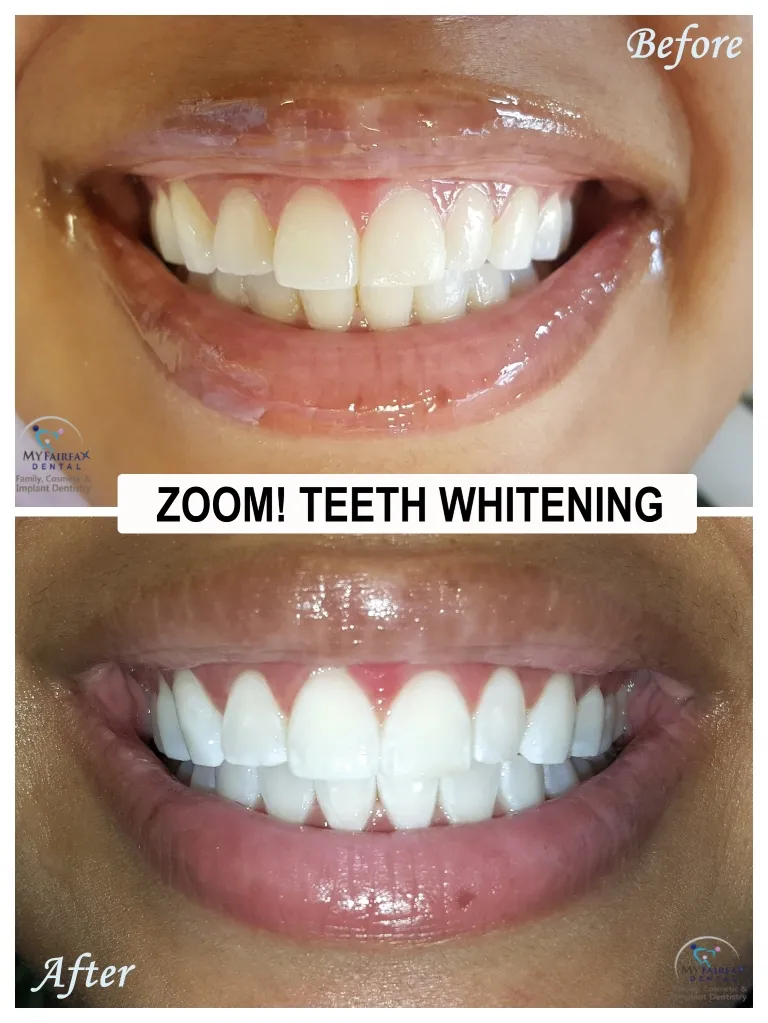
Understanding Zoom Teeth Whitening
In the realm of cosmetic dentistry, achieving a brighter, whiter smile is a common goal. Among the various teeth whitening options available, Zoom teeth whitening has gained considerable popularity. This professional teeth whitening procedure, often administered in a dental office, promises significant results in a relatively short amount of time. But how effective is Zoom teeth whitening really? This comprehensive guide delves into the specifics of the procedure, its effectiveness, factors that influence results, potential side effects, and alternatives, providing a clear understanding of what to expect.
What is Zoom Teeth Whitening?
Zoom teeth whitening is a professional, in-office teeth whitening system. The process typically involves the dentist applying a high-concentration hydrogen peroxide whitening gel to the teeth. A special blue light, emitted by the Zoom lamp, is then directed at the teeth. This light activates the gel, accelerating the whitening process. The entire procedure, including preparation and multiple 15-minute light applications, usually takes around one to two hours. This makes it a fast and convenient option for those seeking immediate results. The effectiveness hinges on the interaction of the whitening gel and the light, which work together to break down stains and discoloration within the enamel.
How Does Zoom Whitening Work?

The Zoom whitening process is a meticulously orchestrated procedure designed for optimal results. It begins with the dentist isolating the teeth, protecting the gums and lips with a protective barrier. The whitening gel, which contains a potent bleaching agent, is carefully applied to the surface of the teeth. Next, the Zoom light is directed at the teeth. This specialized light emits a specific wavelength that activates the hydrogen peroxide in the gel, causing it to break down stains and discoloration. The procedure may involve several cycles, each lasting approximately 15 minutes, to achieve the desired level of whiteness. After the final light application, the gel is removed, and the teeth are rinsed. The process is designed to minimize discomfort, but some sensitivity is common post-treatment.
The Effectiveness of Zoom Whitening
The effectiveness of Zoom teeth whitening is generally quite high, with many patients experiencing significant improvements in the brightness of their smiles. The results can vary depending on the individual and the severity of the staining. In many cases, patients can expect their teeth to become several shades whiter after just one session. This rapid and noticeable improvement is one of the primary reasons why Zoom whitening is so popular. However, it’s essential to understand that the degree of whitening achieved can be influenced by a variety of factors, including the type and extent of the staining present, as well as the patient’s overall oral health.
Factors Influencing Whitening Results
Several factors play a crucial role in determining the effectiveness of Zoom teeth whitening. The type and severity of the tooth staining significantly impact the outcome. Extrinsic stains, which are on the surface of the teeth and caused by things like coffee, tea, and tobacco, tend to respond well to the treatment. Intrinsic stains, which are deeper within the tooth structure and can be caused by factors like aging, genetics, or certain medications, may be more challenging to address. The patient’s oral health is also a key factor. Healthy gums and teeth provide a better foundation for whitening. Pre-existing dental conditions, such as cavities or gum disease, may need to be addressed before the whitening process can begin. Adhering to post-whitening care instructions is also important to maintain the results.
The Role of Tooth Staining

The nature of the stains on your teeth greatly influences the effectiveness of Zoom whitening. Surface stains, often caused by dietary habits and lifestyle choices, tend to fade more easily. These extrinsic stains are typically the result of consuming highly pigmented foods and beverages, such as coffee, tea, red wine, and certain berries. Smoking and other forms of tobacco use can also contribute to surface discoloration. Zoom whitening is generally quite effective at removing these types of stains. Intrinsic stains, which originate from within the tooth structure, can be more resistant. These might result from aging, genetics, medications, or dental trauma. While Zoom whitening can still improve the appearance of teeth with intrinsic stains, the results may be less dramatic or require additional sessions.
The Importance of Oral Health
Good oral health is paramount for successful teeth whitening. Before undergoing Zoom whitening, your dentist will typically assess your oral health to ensure that you are a good candidate. This assessment may involve checking for cavities, gum disease, and other dental issues. If any problems are detected, they will need to be addressed before the whitening procedure. Cavities must be treated to prevent further damage and ensure that the whitening agent doesn’t penetrate the tooth’s sensitive inner layers. Gum disease can cause inflammation and sensitivity, which can make the whitening process uncomfortable. A healthy mouth provides the best possible foundation for achieving optimal whitening results. Regular dental check-ups and cleanings are essential for maintaining good oral health and maximizing the benefits of Zoom whitening.
Zoom Whitening Results and Longevity
The longevity of Zoom teeth whitening results can vary from person to person. Generally, the results can last for several months to a few years. However, this timeframe is highly dependent on factors such as dietary habits, lifestyle choices, and oral hygiene practices. People who consume staining foods and beverages regularly or who smoke may experience a quicker return of discoloration. Good oral hygiene, including brushing twice a day, flossing daily, and regular dental check-ups, plays a crucial role in maintaining the results. Touch-up treatments or at-home whitening maintenance can also help to prolong the effects of the Zoom whitening procedure. Understanding these factors will help you manage your expectations and maintain your bright, white smile for as long as possible.
Expected Whitening Results

After a Zoom teeth whitening session, patients can typically expect a noticeable improvement in the brightness of their teeth. The degree of whitening can vary depending on the individual’s initial tooth shade and the type of staining present. Most patients can anticipate their teeth becoming several shades whiter. The exact number of shades will depend on factors like the concentration of the whitening gel and the duration of the treatment. Your dentist will be able to provide a more specific estimate of the expected results based on your individual needs and the condition of your teeth. It’s important to remember that while Zoom whitening delivers impressive results, it is not a permanent solution, and some degree of touch-up or maintenance may be needed over time to maintain the desired level of whiteness.
How Long Do Results Last?
The duration of Zoom teeth whitening results can vary widely. On average, the whitening effects can last from several months to up to three years. Factors like your diet, lifestyle, and oral hygiene practices are key determinants. If you frequently consume staining foods and beverages, such as coffee, tea, red wine, and dark-colored juices, you may experience a faster return of discoloration. Smoking and other tobacco use can also significantly reduce the longevity of the whitening results. Maintaining excellent oral hygiene, which includes regular brushing, flossing, and dental check-ups, is essential for maximizing the duration of your bright smile. Your dentist may recommend touch-up treatments or the use of at-home whitening products to help maintain the results over time, particularly if you have habits that might contribute to staining.
Potential Side Effects and Risks
While Zoom teeth whitening is generally considered safe, there are potential side effects and risks to be aware of. The most common side effect is tooth sensitivity, which can occur during and after the procedure. Other risks are less common but should still be considered. Being informed about these aspects can help you make an informed decision and manage any potential discomfort or complications effectively.
Sensitivity During and After Treatment

Tooth sensitivity is the most frequently reported side effect associated with Zoom teeth whitening. This sensitivity can range from mild to moderate and typically occurs during and shortly after the treatment. It is usually temporary, lasting for a few days to a week. The sensitivity is caused by the whitening agent penetrating the enamel and reaching the dentin, which contains the nerve endings of the teeth. Dentists often recommend using desensitizing toothpaste before and after the procedure to help reduce sensitivity. Avoiding extremely hot or cold foods and beverages can also help minimize discomfort. If sensitivity persists or becomes severe, it is essential to consult with your dentist. In most cases, the sensitivity subsides on its own as the teeth adjust to the treatment.
Other Potential Risks
While tooth sensitivity is the most common side effect, other potential risks associated with Zoom teeth whitening exist, although they are less frequent. These include gum irritation or inflammation, which can occur if the whitening agent comes into contact with the gums. Your dentist takes precautions to protect the gums, but some irritation is possible. In rare cases, some patients may experience changes in the tooth enamel or fillings. It’s also essential to understand that teeth whitening procedures do not work on existing dental work like crowns or fillings. These will not whiten, and this can lead to a mismatch in shade. Thorough consultation with your dentist before the procedure helps you to discuss any existing concerns or potential issues, minimizing the chances of adverse outcomes. Always inform your dentist about any pre-existing conditions or medications.
Alternatives to Zoom Teeth Whitening
If Zoom teeth whitening isn’t the right choice for you, several other teeth whitening options are available. These alternatives offer varying levels of effectiveness, cost, and convenience, so it’s important to discuss your needs and preferences with your dentist to determine the best option. These alternatives range from professional treatments to over-the-counter solutions, each with its own set of benefits and considerations. Understanding these alternatives allows you to make an informed decision that aligns with your goals for a brighter smile. Consulting with a dentist is crucial for making the right choice.
Professional Teeth Whitening Options

Besides Zoom teeth whitening, dentists offer several other professional whitening options. These may involve different whitening agents, application techniques, and light activation methods. Some professional whitening treatments might offer similar results to Zoom whitening but may take longer or require multiple appointments. Your dentist can assess your teeth and discuss which professional options would be most suitable. Professional whitening procedures provide the advantage of being performed under the supervision of a dental professional, ensuring safe and effective treatment. Furthermore, dentists can provide custom-fitted whitening trays for at-home maintenance to extend the life of your newly whitened smile.
At-Home Whitening Kits
At-home whitening kits offer a convenient and cost-effective alternative for those seeking to brighten their smiles. These kits typically include custom-fitted whitening trays and a bleaching gel. The dentist creates the trays by taking impressions of your teeth. The trays ensure the gel makes proper contact with the teeth, preventing leakage. You wear the trays for a specified amount of time each day or night, according to the instructions provided. At-home kits offer the flexibility to whiten your teeth at your own pace, making them a suitable choice for many individuals. It is still crucial to consult your dentist before using any at-home whitening products to ensure they are safe and appropriate for your dental health and to receive guidance on how to use the kit effectively.
Conclusion
Zoom teeth whitening is an effective and popular method for achieving a brighter, whiter smile. The procedure’s ability to deliver significant results in a short amount of time makes it an attractive option for many individuals. However, it’s essential to understand the factors that influence the effectiveness of the treatment, as well as the potential side effects and risks involved. Consulting with a dentist is crucial to determine whether Zoom whitening is the right choice for you. By understanding all aspects of the procedure, you can make an informed decision and take the necessary steps to achieve the smile you desire.