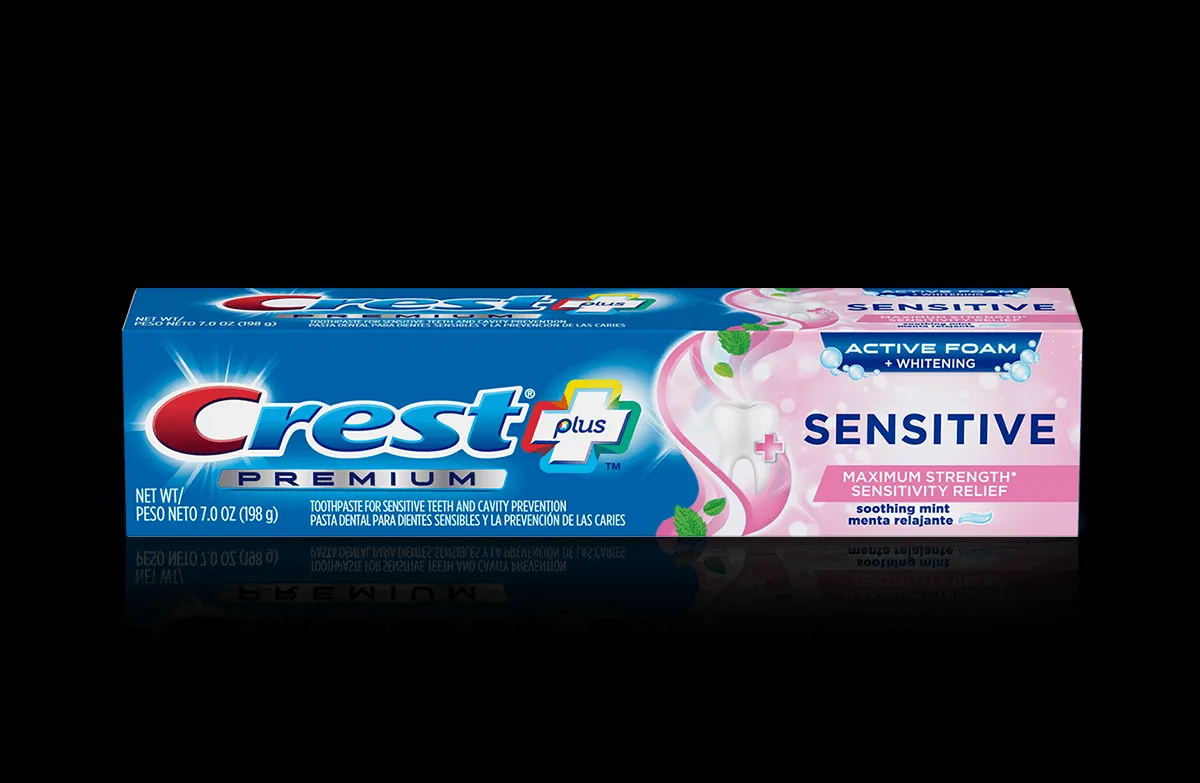
Understanding Whitening Toothpaste Allergy
Are you experiencing unexplained oral discomfort after using whitening toothpaste? You might be suffering from a whitening toothpaste allergy. This often-overlooked issue can cause a range of unpleasant symptoms, from mild irritation to more severe reactions. Understanding the causes, recognizing the symptoms, and knowing how to manage this allergy are crucial for maintaining your oral health and overall well-being. This guide will explore the key aspects of whitening toothpaste allergies, providing you with the knowledge to identify, treat, and prevent them.
What Causes Whitening Toothpaste Allergies
Whitening toothpastes contain various ingredients designed to remove stains and brighten teeth, but some of these can trigger allergic reactions in sensitive individuals. The most common culprits include abrasive agents, bleaching agents, and flavoring agents. These ingredients can irritate the delicate tissues of the mouth, leading to a cascade of allergic responses. While not everyone is affected, a significant portion of the population experiences adverse reactions, highlighting the importance of awareness and careful product selection. The intensity of the reaction can vary based on the individual’s sensitivity and the specific ingredients involved.
Ingredients to Watch Out For

Several ingredients commonly found in whitening toothpastes are known allergens. Hydrogen peroxide, a bleaching agent, is a frequent offender, causing irritation and sensitivity. Sodium lauryl sulfate (SLS), a foaming agent, can also lead to mouth sores and irritation. Additionally, certain flavoring agents, such as cinnamon or peppermint, can trigger allergic reactions in susceptible individuals. Other potential allergens include artificial colors, preservatives, and specific abrasive particles. Reading the product label carefully and familiarizing yourself with these potential irritants is a crucial step in preventing allergic reactions and protecting your oral health. Consider products with fewer additives and gentler formulations.
Top 7 Symptoms of Whitening Toothpaste Allergy
Recognizing the symptoms of a whitening toothpaste allergy is essential for timely intervention and management. These symptoms can range from mild to severe, and the intensity can vary based on the individual’s sensitivity and the duration of exposure to the allergen. Early detection and prompt action can prevent the worsening of symptoms and avoid unnecessary discomfort. If you experience any of the following symptoms after using whitening toothpaste, it is advisable to consult a dentist or allergist for a proper diagnosis and treatment plan. Being proactive in addressing these symptoms is a vital step in maintaining your oral health.
Oral Irritation and Sores
One of the most common symptoms of a whitening toothpaste allergy is oral irritation. This can manifest as a burning sensation, redness, or tenderness in the mouth. Sores, or ulcers, may develop on the gums, tongue, or inner cheeks. These sores can be painful and make eating, drinking, and speaking difficult. The irritation often results from the abrasive nature of some whitening agents or the irritant effects of certain chemicals. If you notice these symptoms, discontinue the use of the toothpaste immediately and consult your dentist. Rinsing your mouth with lukewarm salt water can help to soothe the affected areas.
Swelling of the Gums and Mouth
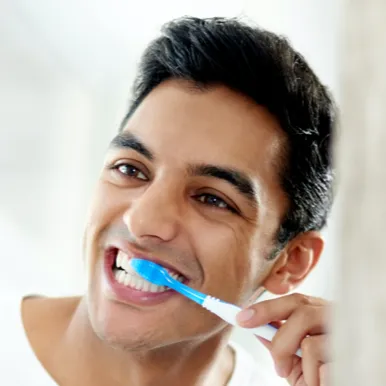
Swelling of the gums and other soft tissues in the mouth is another potential symptom. This swelling can occur on the gums, lips, tongue, or inner cheeks, causing discomfort and altering the appearance of the mouth. The swelling may be accompanied by redness and tenderness. The cause is often the body’s immune response to the allergen, leading to inflammation. If you experience significant swelling, seek medical attention promptly, as it can potentially affect breathing or swallowing. Over-the-counter antihistamines may offer some relief, but a healthcare professional should evaluate the situation.
Skin Rashes Around the Mouth
Skin rashes around the mouth can occur due to direct contact with the toothpaste. These rashes may appear as red, itchy, and sometimes blistered areas. The skin around the lips and chin is often most affected, as these areas come into direct contact with the toothpaste during brushing. This reaction can be a sign of contact dermatitis, which is a common type of allergic skin reaction. Avoiding contact with the allergen is essential. If a rash develops, gently wash the area with mild soap and water and consult a healthcare professional for appropriate treatment, which may include topical corticosteroids.
Changes in Taste
A change in taste or a persistent metallic taste is another symptom that can be related to a whitening toothpaste allergy. This alteration in taste perception can be caused by the inflammation and irritation of the taste buds. The affected individual may experience a bitter, sour, or metallic taste, even after rinsing the mouth. This change can make eating and drinking less enjoyable and may persist as long as the allergen remains in contact with the oral tissues. Switching toothpastes or consulting a dentist to evaluate the cause of the change in taste is recommended.
Digestive Issues

In some cases, a whitening toothpaste allergy can cause digestive issues. This occurs when the toothpaste is accidentally swallowed, leading to stomach upset, nausea, or diarrhea. Although the amount swallowed during brushing is generally small, sensitive individuals can still experience symptoms. The irritants in the toothpaste can disrupt the normal function of the digestive system. To reduce the risk of this, rinse your mouth thoroughly after brushing and try to avoid swallowing any toothpaste. If you experience digestive issues, consult your doctor, who may advise on a suitable toothpaste alternative.
Breathing Difficulties
In severe cases, a whitening toothpaste allergy can trigger respiratory symptoms. These may include difficulty breathing, wheezing, or a feeling of tightness in the chest. This indicates a more severe allergic reaction, potentially anaphylaxis, which requires immediate medical attention. If you experience any breathing difficulties, seek emergency medical care without delay. Anaphylaxis is a life-threatening condition and needs rapid intervention to prevent serious complications. Treatment typically includes an epinephrine injection and supportive care in a hospital setting.
Severe Allergic Reactions
Severe allergic reactions, although rare, can occur. These reactions may include anaphylaxis, which involves a rapid onset of symptoms such as difficulty breathing, swelling of the throat, dizziness, and a sudden drop in blood pressure. Other severe reactions could include hives, intense itching, and a loss of consciousness. If you experience any signs of a severe allergic reaction, immediately call emergency services. Rapid treatment with epinephrine (an EpiPen) and other supportive measures are crucial to prevent a life-threatening outcome. Previous history of allergic reactions increases the risk of severe reactions.
Diagnosing Whitening Toothpaste Allergy

If you suspect you have a whitening toothpaste allergy, a proper diagnosis is essential. This involves identifying the specific allergen causing your symptoms. The process typically includes a review of your symptoms, a physical examination, and potentially some specific tests. Accurately diagnosing the allergy allows you to avoid the trigger and alleviate the symptoms. Your dentist or an allergist is the best healthcare professional to consult for this process. Early and accurate diagnosis is critical for avoiding exposure to the allergen and preventing worsening symptoms.
Consulting a Dentist or Allergist
The first step in diagnosing a whitening toothpaste allergy is to consult with a dentist or an allergist. Your dentist can examine your mouth and assess any visible signs of irritation or inflammation. They can also inquire about your oral hygiene habits and the toothpastes you use. An allergist may conduct allergy tests to identify the specific ingredients triggering your symptoms. Both specialists can provide valuable insights and recommendations for managing your allergy. Early consultation is essential to initiate the diagnostic process and receive expert advice.
Patch Testing
Patch testing is a common method used to identify contact allergens, including those found in whitening toothpastes. This test involves applying small amounts of potential allergens to the skin, typically on the back, and observing for any reaction. The allergens are left in place for 48 to 72 hours, and the skin is then checked for signs of redness, swelling, or blistering. Patch testing can help pinpoint the specific ingredients causing your allergic reaction, allowing you to avoid them in the future. This diagnostic tool can provide a definitive answer, guiding your choice of toothpaste and other oral care products.
Treatment and Management

Managing a whitening toothpaste allergy involves several steps, including avoiding the allergenic ingredients, using alternative toothpastes, and managing the symptoms. The objective is to prevent exposure to the allergen and alleviate the discomfort caused by it. A proactive approach, combining these measures, will help reduce the frequency and severity of your allergic reactions. This plan requires careful product selection and a commitment to maintaining a consistent oral hygiene routine. Managing the symptoms will enhance your oral health and overall quality of life.
Avoiding Allergenic Ingredients
The cornerstone of managing a whitening toothpaste allergy is to avoid the ingredients that trigger your allergic reactions. This requires carefully reading the ingredient lists of toothpastes and other oral care products. If you have identified specific allergens through patch testing or by observing your symptoms, strictly avoid products containing those ingredients. Choose toothpastes that are labeled as hypoallergenic or specifically formulated for sensitive teeth. Being diligent in selecting products will prevent exposure to the allergens, helping to minimize the occurrence of reactions and maintain oral health.
Using Alternative Toothpastes
Switching to alternative toothpastes is a practical and effective way to avoid allergens. There are many toothpastes available that are free of common irritants and allergens. Look for toothpastes that do not contain hydrogen peroxide, SLS, artificial colors, or strong flavoring agents. Toothpastes designed for sensitive teeth often have gentler formulations. Consider using a toothpaste that contains fluoride for cavity prevention, but that excludes the offending ingredients. Experiment with different brands to find one that cleans effectively without triggering your allergies. Consulting your dentist for recommendations can be helpful.
Managing Symptoms

Managing the symptoms of a whitening toothpaste allergy can provide relief and comfort. For mild irritation, rinsing your mouth with lukewarm salt water can help soothe the affected tissues. Over-the-counter antihistamines may help reduce swelling and itching. If you have sores or ulcers, avoid using abrasive toothbrushes or harsh mouthwashes. Apply a topical ointment recommended by your dentist. Keeping your mouth hydrated and avoiding irritants like spicy foods and alcohol-based mouthwashes can provide additional comfort. For severe reactions, consult with a doctor immediately to receive the necessary medical attention.
Long-Term Outlook
With proper management, the long-term outlook for individuals with a whitening toothpaste allergy is generally positive. By avoiding allergens, using suitable toothpaste alternatives, and managing symptoms, you can maintain good oral health. Regular dental check-ups and open communication with your dentist are essential. While the allergy may not be completely curable, effective management will prevent recurring symptoms and allow you to enjoy a comfortable and healthy mouth. Maintaining awareness of the ingredients in your oral hygiene products and following the advice of your dentist will help you manage the condition effectively for a long, healthy life.