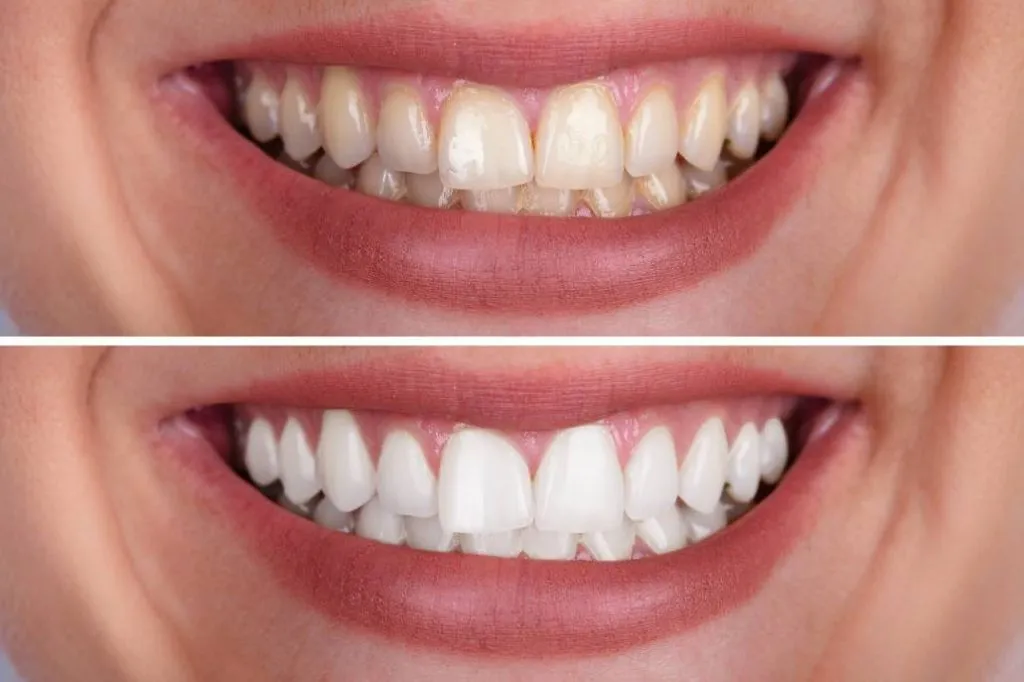
The Importance of Whitening Teeth
In today’s society, a bright, white smile is often associated with health, youth, and overall attractiveness. The pursuit of a perfect smile has led many people to seek teeth whitening treatments. Beyond aesthetics, whitening teeth can significantly boost self-esteem and confidence. Understanding the importance of whitening teeth involves recognizing both the cosmetic and psychological benefits it offers. This guide will delve into the top secrets to achieving a dazzling smile, covering everything from professional treatments to at-home care.
Why Teeth Whitening Matters
Teeth whitening goes beyond just improving aesthetics; it can have a profound impact on a person’s self-perception and social interactions. A brighter smile can make you feel more confident, encouraging you to smile more often and engage more freely with others. People with whiter teeth often report feeling more approachable and self-assured. This boost in confidence can positively influence various aspects of life, from professional settings to personal relationships. The effect of a brighter smile is undeniably a powerful tool in enhancing an individual’s overall well-being.
The Impact of a Bright Smile

The impact of a bright smile extends far beyond the individual, influencing social interactions and perceptions. Studies have shown that people with whiter teeth are often perceived as more successful, friendly, and intelligent. This can lead to better first impressions and increased opportunities in both personal and professional realms. A bright, white smile is often associated with good health and vitality, making individuals appear more youthful and attractive. In short, a brighter smile is a valuable asset, significantly impacting how we are perceived by others and how we perceive ourselves.
Top 7 Secrets for Whitening Teeth
Secret 1 Consult a Dentist
Before embarking on any teeth whitening journey, consulting with a dentist is crucial. A dental professional can assess the health of your teeth and gums, identify any underlying issues that might affect the whitening process, and recommend the most suitable treatment options. They can also evaluate the causes of discoloration and provide personalized advice. A dentist can offer professional whitening treatments, which are more effective and safer than over-the-counter alternatives, ensuring optimal results and minimizing potential risks.
Professional Whitening Treatments

Professional teeth whitening treatments, performed by a dentist, provide significant advantages over at-home methods. These treatments often use higher concentrations of bleaching agents, leading to faster and more dramatic results. Dentists can also use specialized equipment like laser or light activation to enhance the whitening process. Moreover, professional treatments are carried out under controlled conditions, minimizing the risk of gum irritation and ensuring even results. Examples of professional treatments include in-office whitening and custom-fitted trays for take-home use, both designed to provide superior whitening effects.
Secret 2 Understand the Causes of Staining
Understanding the causes of teeth staining is essential for preventing discoloration and maintaining a bright smile. External stains are primarily caused by the consumption of certain foods and beverages, such as coffee, tea, red wine, and dark-colored berries. These substances contain chromogens, which adhere to the tooth enamel and cause staining. Internal stains, on the other hand, may be caused by factors like aging, genetics, medications (e.g., tetracycline), and trauma to the teeth. Recognizing these causes can help you make informed choices about your diet and lifestyle, protecting your teeth from future staining.
Foods and Drinks to Avoid
To minimize teeth staining, it’s important to be mindful of the foods and drinks you consume. Beverages like coffee, tea, and red wine are notorious for causing discoloration due to their high levels of tannins and chromogens. Dark-colored sodas, such as cola, can also contribute to staining. Additionally, deeply pigmented foods like berries, soy sauce, and curries can stain teeth. Limiting your intake of these items or rinsing your mouth with water immediately after consumption can help reduce the risk of staining. Consider using a straw when drinking staining beverages to minimize contact with your teeth.
Secret 3 Choose the Right Whitening Method

Choosing the right teeth whitening method depends on your individual needs, preferences, and the severity of the discoloration. Several options are available, including professional treatments and at-home kits. Professional treatments offer faster and more effective results, while at-home kits provide a more convenient and affordable option. Consulting with your dentist is essential to determine the most suitable method for your specific situation, considering factors such as the condition of your teeth, the type of stains, and your desired outcome. The best choice will vary depending on these factors and your personal circumstances.
In-Office Whitening vs. At-Home Kits
In-office whitening treatments are performed by a dentist and involve the application of a high-concentration bleaching agent, often activated by a special light or laser. This method provides immediate and dramatic results, typically in a single visit. At-home whitening kits, on the other hand, involve custom-fitted trays or strips with lower concentrations of bleaching agents. These kits require consistent use over several weeks to achieve noticeable results. While in-office whitening offers faster results, at-home kits are more convenient and cost-effective for some. The choice depends on your schedule, budget, and desired results.
Secret 4 Practice Good Oral Hygiene
Maintaining excellent oral hygiene is fundamental to keeping your teeth white and healthy. Proper brushing and flossing remove plaque and food particles that can lead to staining. Brushing your teeth at least twice a day, using a fluoride toothpaste, is crucial. Flossing daily removes plaque and debris from areas that brushing cannot reach, preventing the buildup of stains and promoting healthy gums. Regular dental checkups and cleanings are also essential for maintaining optimal oral health and preventing staining. Proper oral hygiene is the cornerstone of a bright and healthy smile.
Brushing and Flossing Techniques

Effective brushing and flossing techniques are essential for maintaining a white smile. When brushing, use a soft-bristled toothbrush and gently brush all surfaces of your teeth for at least two minutes, twice a day. Use a circular or back-and-forth motion, ensuring you reach every tooth. Flossing daily is equally important; gently guide the floss between each tooth, using a sawing motion to remove plaque and food particles. Be sure to floss below the gum line to remove debris. Combining effective brushing and flossing practices will significantly contribute to a brighter and healthier smile.
Secret 5 Consider Whitening Toothpaste
Whitening toothpaste can be a helpful addition to your oral hygiene routine, contributing to a brighter smile. These toothpastes typically contain mild abrasives that help remove surface stains and polishes the teeth. Some also contain bleaching agents like hydrogen peroxide to provide a whitening effect. However, whitening toothpastes alone are not as effective as professional whitening treatments. They are most effective at removing surface stains rather than addressing deep-seated discoloration. It’s important to choose a whitening toothpaste that is safe for your enamel and does not cause excessive abrasion.
Effectiveness and Limitations
Whitening toothpastes can be effective at removing surface stains caused by food, drinks, and tobacco. They can help maintain the brightness of your teeth and prevent new stains from forming. However, their effectiveness is limited when it comes to addressing deeper stains or significant discoloration. Whitening toothpastes typically contain low concentrations of bleaching agents, meaning the whitening effect is gradual and often less dramatic compared to professional treatments. They are a good supplement to a comprehensive oral hygiene routine but should not be solely relied upon for significant whitening results. Excessive use of abrasive whitening toothpastes can potentially damage enamel.
Secret 6 Maintain a White Diet

Your diet significantly impacts the brightness of your teeth. Following a ‘white diet’ can help maintain your teeth’s whiteness and prevent staining. This involves limiting or avoiding foods and drinks that stain teeth, such as coffee, tea, red wine, berries, and dark-colored sodas. Instead, focus on consuming foods that promote oral health and contribute to a brighter smile. Eating crunchy fruits and vegetables, like apples and celery, can help scrub your teeth and increase saliva production, which naturally cleanses your mouth. Drinking plenty of water after meals and snacks can also help rinse away food particles and reduce staining.
Foods that Help Whiten Teeth
Certain foods can actively help whiten your teeth. Crunchy fruits and vegetables, like apples, celery, and carrots, act as natural abrasives, helping to remove surface stains. Dairy products, such as milk, yogurt, and cheese, contain calcium, which strengthens tooth enamel. Strawberries contain malic acid, which is a natural stain remover. Water is also a key component of a white diet, as it helps rinse away food particles and promotes saliva production, which naturally cleanses your teeth. Including these foods in your diet can contribute to maintaining a brighter, healthier smile.
Secret 7 Consult with Your Dentist Regularly
Regular dental checkups and cleanings are essential for maintaining a bright and healthy smile. During these visits, your dentist can assess your oral health, identify any potential issues, and remove plaque and tartar that can cause staining. Professional cleanings help remove surface stains and keep your teeth looking their best. Regular checkups also allow your dentist to monitor the effectiveness of your whitening treatments and make recommendations for future care. Consistent professional care ensures your teeth remain healthy and your smile remains radiant.
Regular Checkups and Cleanings

Scheduling regular dental checkups and professional cleanings is a fundamental aspect of maintaining a bright, healthy smile. During these appointments, your dentist will perform a thorough examination, checking for cavities, gum disease, and other oral health issues. Professional cleanings involve removing plaque and tartar buildup, which can cause both staining and dental problems. These cleanings also polish the teeth, removing surface stains and making your teeth look brighter. The frequency of these appointments is usually every six months, but your dentist may recommend a different schedule based on your individual needs and oral health.
Conclusion
Achieving and maintaining a bright, white smile involves a combination of professional treatments, diligent oral hygiene, and mindful lifestyle choices. By consulting with your dentist, understanding the causes of staining, choosing the right whitening method, practicing good oral hygiene, considering whitening toothpaste, maintaining a white diet, and scheduling regular dental checkups, you can significantly enhance the appearance of your teeth and boost your confidence. Embrace these secrets, and you’ll be well on your way to a dazzling, radiant smile that you can be proud of.