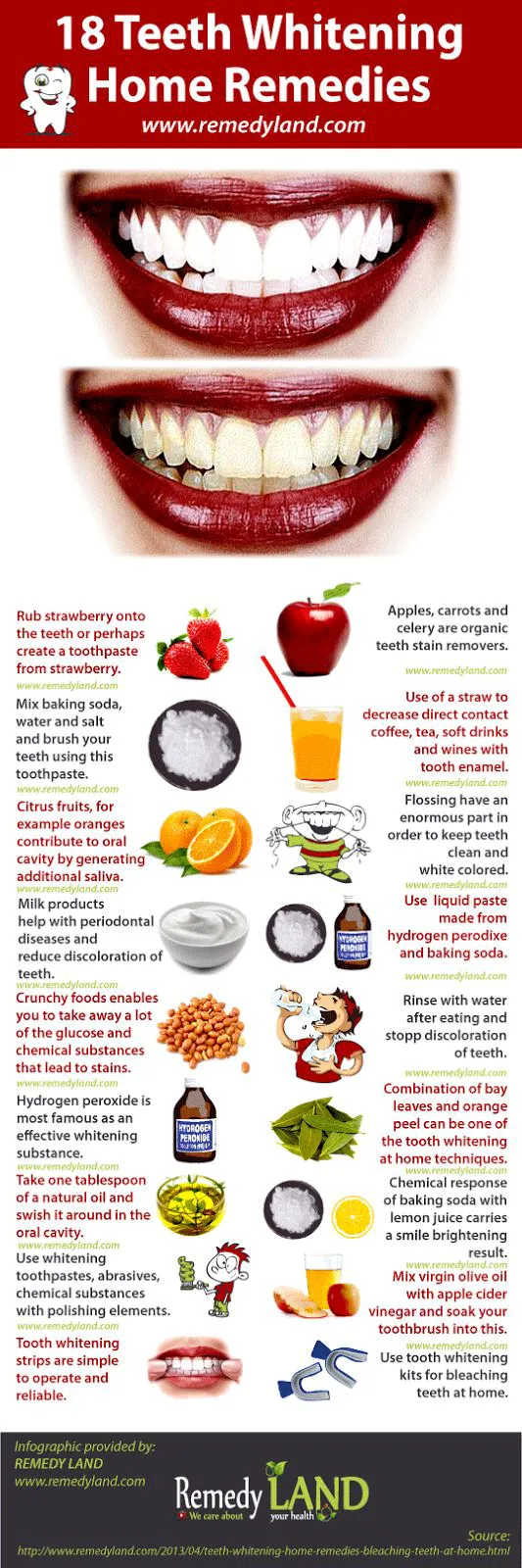
Understanding the Teeth Whitening Process
Achieving a brighter, whiter smile is a goal for many, and teeth whitening has become a popular cosmetic procedure. However, to ensure you achieve the best results and maintain the health of your teeth, it’s crucial to understand the whitening process and, more importantly, the common pitfalls to avoid. This article will explore the various teeth whitening methods and highlight the mistakes that can hinder your journey to a dazzling smile. Understanding the process and knowing what to avoid is the first step toward a successful and safe teeth whitening experience. This knowledge can help you make informed decisions and protect your oral health.
Types of Teeth Whitening Methods
There are several teeth whitening methods available, each with its own set of advantages and considerations. These methods range from professional treatments administered by dentists to convenient at-home kits. Choosing the right method depends on your individual needs, the degree of staining, and your budget. Let’s delve into the two main categories of teeth whitening methods, understanding their procedures and what they entail, and which is most suitable.
Professional Whitening

Professional teeth whitening, performed by a dentist, is the most effective and controlled method. The process typically involves a high-concentration bleaching agent applied to the teeth, often in conjunction with a special light or laser to accelerate the whitening process. This method is ideal for individuals with significant staining or those seeking dramatic results quickly. The dentist ensures the procedure is safe, minimizing the risk of gum irritation and tooth sensitivity, which are common with some at-home treatments. Dentists will first assess the overall health of your teeth and gums to determine if professional whitening is appropriate, and if so, they can make a plan, so you have the best and safest experience. (image: professional-teeth-whitening.webp)
At-Home Whitening Kits
At-home whitening kits offer a more convenient and affordable option. These kits typically include whitening strips, trays, or gels containing a lower concentration of bleaching agents. While less potent than professional treatments, they can still yield noticeable results over time. It’s essential to follow the instructions carefully and be mindful of potential side effects like tooth sensitivity. Consulting with your dentist before using an at-home kit is advisable to ensure its suitability for your oral health. Your dentist can advise you on which products are safest and most effective for your teeth and make sure they do not contain ingredients that will harm your teeth or gums. (image: at-home-teeth-whitening.webp)
Common Mistakes to Avoid When Whitening Teeth
While teeth whitening can significantly enhance your smile, making certain mistakes can undermine your efforts and even harm your teeth. Avoiding these common pitfalls is crucial for a safe and effective whitening experience. The following sections will explore the key mistakes to avoid, providing practical guidance on achieving a brighter smile without compromising your oral health. Understanding what to avoid is as important as the whitening process itself.
Consuming Staining Foods and Drinks

One of the most significant factors that can impact the effectiveness and longevity of your teeth whitening is the consumption of staining foods and drinks. These substances contain pigments that can re-stain your teeth, reversing the whitening effects. Avoiding these items, especially immediately after whitening, is essential for maintaining your bright smile. Being mindful of what you consume can dramatically impact the results of your teeth whitening treatment. Here are some specific examples to watch out for:
Coffee and Tea
Coffee and tea contain tannins, compounds that can stain teeth. These dark beverages can quickly diminish the results of teeth whitening. If you can’t completely avoid them, consider using a straw to minimize contact with your teeth and rinsing your mouth with water afterward. If the coffee or tea is a must, consider drinking them at the same time as your meals to minimize the staining. The tannins will still be there but will mix with the food you are eating and be less noticeable. This may not be the best practice, but it is something to consider.
Red Wine
Red wine is notorious for staining teeth due to its high concentration of chromogens, which are color-producing substances. The tannins in red wine also help the chromogens to stick to the teeth, exacerbating the staining effect. If you enjoy red wine, be sure to practice good oral hygiene after drinking it, and consider pairing it with food to reduce its impact. Even a small amount can stain your teeth, so be aware and have a plan for your teeth after consuming red wine. The best plan, of course, is to not drink it after whitening.
Dark-Colored Sodas

Dark-colored sodas, such as cola, contain artificial coloring agents and acids that can erode enamel and cause staining. The acidity of sodas can also make your teeth more vulnerable to staining. Choosing clear or lighter-colored beverages is a better option. If you choose to drink dark sodas, make sure to drink them through a straw and always brush your teeth afterward. The sugar in soda will also wear away at your teeth, causing cavities.
Smoking and Tobacco Use
Smoking and using tobacco products are major contributors to teeth staining. Nicotine and tar in tobacco products leave yellow and brown stains on your teeth, significantly impacting the results of any teeth whitening treatment. Furthermore, smoking can also contribute to gum disease and other oral health problems, which can further compromise the appearance of your smile. Quitting smoking is not only beneficial for your overall health but also essential for maintaining a bright, white smile. You should never consider teeth whitening if you are a smoker.
Overuse of Whitening Products
Using teeth whitening products excessively can lead to tooth sensitivity, gum irritation, and, in severe cases, damage to the tooth enamel. Following the instructions on your whitening products is critical to avoid these issues. More is not always better. Overusing whitening products will be counterproductive and cause more harm than good, leading to significant pain and discomfort. Stick to the guidelines and consult your dentist if you experience any side effects.
Using Expired Products

Whitening products have an expiration date, and using them past this date can reduce their effectiveness and potentially pose health risks. Expired products may contain unstable chemicals or harbor bacteria. Always check the expiration date before use. Discarding expired products ensures you are using safe and effective treatments. Always make sure you are not using expired products. If you do, it can lead to negative effects.
Not Following Instructions
Carefully following the instructions provided with your whitening products is crucial for achieving the desired results safely. Deviating from these instructions can lead to unsatisfactory outcomes or adverse effects. Always read and understand the instructions. Ignoring them can lead to ineffective whitening or potential harm to your teeth and gums. If you do not follow the instructions, then you will have an unsafe experience, and it is recommended that you never do this.
Ignoring Tooth Sensitivity
Tooth sensitivity is a common side effect of teeth whitening. Ignoring this sensitivity and continuing with the treatment can worsen the problem and cause significant discomfort. If you experience sensitivity, reduce the frequency of treatments, use a toothpaste designed for sensitive teeth, or consult your dentist. Your dentist may recommend a fluoride treatment or other solutions to help manage the sensitivity. Sensitivity should not be ignored. (image: teeth-sensitivity.webp)
Failing to Consult with a Dentist

Before starting any teeth whitening treatment, it’s essential to consult with your dentist. A dentist can assess your oral health, identify any underlying issues (like cavities or gum disease), and recommend the most appropriate whitening method. Consulting with a dentist is also helpful for managing potential side effects and ensuring the treatment is safe for your specific needs. A dentist is your best bet for a great and safe experience.
Avoiding Proper Oral Hygiene
Maintaining good oral hygiene is crucial both before and after teeth whitening. Proper brushing and flossing help remove surface stains and prevent new stains from forming. If you don’t have proper oral hygiene, then the entire process is useless. Neglecting oral hygiene can lead to disappointing results and increase the risk of other dental problems. Make sure that you are consistent with your oral hygiene before and after teeth whitening.
Brushing Too Aggressively
Brushing your teeth too hard can wear down enamel, making your teeth more susceptible to staining and sensitivity. Using a soft-bristled toothbrush and gentle circular motions are recommended. Over time, aggressive brushing can cause damage, so it is important to develop good habits. The goal is to clean your teeth without being destructive. You should always focus on doing what is best for your teeth.
Skipping Flossing

Flossing removes plaque and food particles from between your teeth, areas that brushing alone can’t reach. Skipping flossing allows these particles to accumulate, leading to staining and other oral health issues. Flossing at least once a day is essential for maintaining a bright, healthy smile. Skipping flossing is a bad habit that you should avoid at all costs. Brushing and flossing are both important for oral hygiene. (image: proper-oral-hygiene.webp)
Maintaining Your White Smile
Maintaining your newly whitened smile requires a consistent effort. Implementing good oral hygiene practices and making informed choices about what you eat and drink will help you enjoy your brighter smile for a long time. There are a few things you can do to ensure you always have that perfect smile. A few easy steps will keep your smile looking amazing.
Regular Dental Check-ups
Regular dental check-ups and cleanings are crucial for maintaining your white smile. A dentist can remove any surface stains, check for underlying issues, and provide professional advice on oral hygiene. These check-ups help you catch any problems early and keep your teeth looking their best. Visiting your dentist is an essential step to maintaining your smile. (image: dental-checkup.webp)
Good Oral Hygiene Routine
Practicing a consistent oral hygiene routine, including brushing twice a day, flossing daily, and using mouthwash, is essential for preventing stains and maintaining a bright smile. Following these simple habits will help keep your teeth white and healthy. Your oral hygiene routine is the most important part of teeth maintenance. Implementing these steps into your daily routine will assist you in the long run.