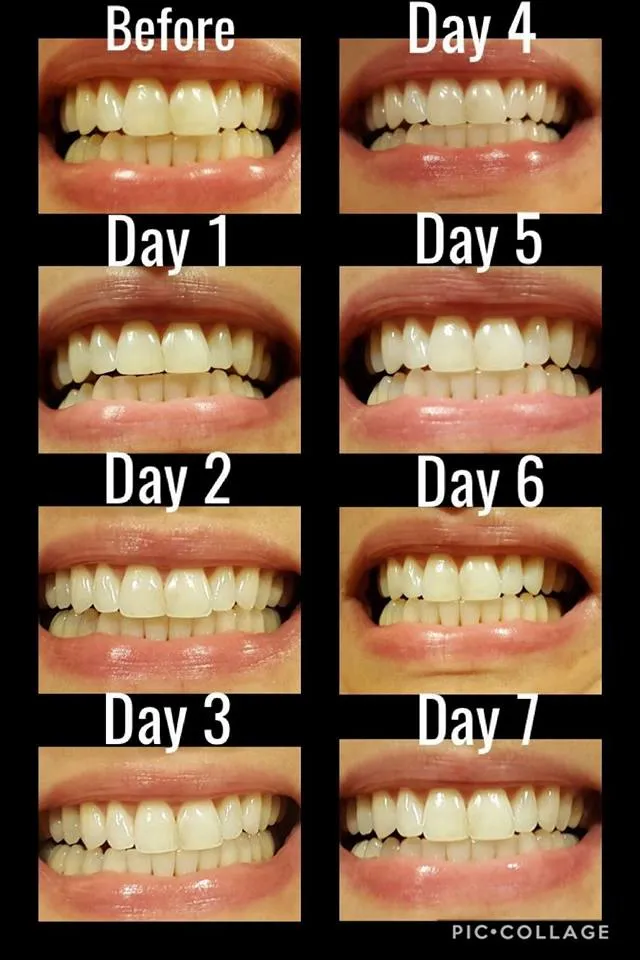
What Are Whitening Strips?
Whitening strips are thin, flexible strips coated with a peroxide-based whitening agent. These strips are designed to be applied directly to the teeth, adhering to the enamel surface to deliver the active ingredients. They provide a convenient and accessible method for individuals seeking to brighten their smiles. Unlike professional teeth whitening treatments performed by a dentist, whitening strips can be used at home. The market offers various brands and formulations, each with different concentrations of the active whitening agent and recommended usage durations. These differences cater to various needs and preferences, enabling consumers to select products aligned with their specific goals and sensitivity levels. Proper use, as directed by the manufacturer, is crucial for achieving the desired results and minimizing potential side effects.
How Whitening Strips Work
The primary mechanism behind the effectiveness of whitening strips lies in the action of their active ingredients. These strips typically contain hydrogen peroxide or carbamide peroxide, which penetrates the enamel and dentin of the teeth. Once inside, the peroxide breaks down into smaller molecules that break apart the stain-causing molecules. These stain-causing molecules are responsible for the discoloration on your teeth. This process is known as oxidation, and it effectively lightens the appearance of the teeth. The duration and frequency of use, as well as the concentration of the whitening agent, influence the degree of whitening achieved. Consistent and proper application as instructed on the packaging is necessary to achieve and maintain desirable results. This process helps remove both surface stains and those embedded deeper within the tooth structure.
Key Ingredients in Whitening Strips

Hydrogen peroxide is the most common active ingredient in whitening strips, but carbamide peroxide is also frequently used. Both of these compounds function as oxidizing agents, meaning they release oxygen molecules when they come into contact with the teeth. These oxygen molecules react with the stain molecules, breaking them down and thus lightening the teeth. The concentration of the peroxide is a critical factor, impacting both the effectiveness and the potential for side effects such as sensitivity. Other ingredients in the strips, like those that help the strip adhere to the teeth and ensure even distribution of the whitening agent, play supporting roles. These ingredients are formulated to ensure safety and efficiency while optimizing the whitening process and reducing the risk of adverse effects. It’s important to check the ingredient list for any allergens or sensitivities you may have.
Hydrogen Peroxide vs. Other Agents
Hydrogen peroxide is a widely used and scientifically proven whitening agent. Carbamide peroxide is an alternative that breaks down into hydrogen peroxide. The primary difference between the two lies in their potency and how quickly they release the active whitening agent. Hydrogen peroxide acts rapidly, while carbamide peroxide releases hydrogen peroxide more gradually. This can affect the speed and intensity of the whitening effect and the potential for sensitivity. Other agents may be used in some products, but hydrogen peroxide or carbamide peroxide remains the most effective for significant whitening results. The choice between hydrogen peroxide and carbamide peroxide, or the specific concentration of either, can influence the overall whitening experience, including the duration of the treatment and the level of sensitivity experienced during and after the whitening process.
Benefits of Using Whitening Strips
Whitening strips offer several advantages that make them a popular choice for teeth whitening. The primary benefit is their convenience, as they can be used at home without professional assistance, saving time and the expense of dentist visits. They are relatively easy to use, requiring only a few minutes of application daily, depending on the product. The cost-effectiveness is also a significant advantage compared to professional treatments. Whitening strips are generally more affordable, providing a cost-efficient way to improve the appearance of your teeth. These strips are readily accessible in drugstores and online, making them easy to obtain. With consistent use, whitening strips can effectively lighten teeth, enhancing the aesthetic appeal of your smile. The effectiveness and convenience make them a practical option for maintaining oral health and confidence.
Convenience and Accessibility

One of the most significant benefits of whitening strips is their convenience. They can be used at home without the need for appointments, fitting seamlessly into your daily routine. This ease of use saves time and offers flexibility, allowing you to whiten your teeth when it suits you. The accessibility of whitening strips also plays a crucial role. You can purchase them at most drugstores, supermarkets, and online retailers, making them readily available to almost everyone. The absence of a need for a dentist visit means you can start your whitening journey immediately. This accessibility is a considerable advantage for individuals with busy schedules or those who prefer not to have professional treatments.
Cost-Effectiveness
Compared to professional teeth whitening treatments, whitening strips are a more economical option. The cost of a box of whitening strips is significantly lower than the expenses associated with dentist-provided services. This makes them a budget-friendly way to improve the appearance of your teeth. While the results may not always be as dramatic as those achieved in a dentist’s office, whitening strips still offer a noticeable improvement in teeth whiteness at a fraction of the cost. This cost-effectiveness makes whitening strips an attractive option for people looking for an effective, affordable way to whiten their teeth without compromising on quality or efficacy. This also offers the opportunity to maintain consistent whitening over time.
Potential Risks and Side Effects
While generally safe when used as directed, whitening strips can have some potential side effects. The most common side effects include increased tooth sensitivity and gum irritation. This is usually mild and temporary, resolving shortly after the treatment has ended. Sensitivity occurs because the whitening agents can penetrate the enamel, affecting the nerves in the teeth. Gum irritation may result from contact with the whitening agent, especially if the strips are not applied correctly. It’s crucial to follow product instructions carefully to minimize these risks. Individuals with pre-existing dental conditions or sensitivities should consult with a dentist before using whitening strips to ensure they are suitable and safe for them.
Sensitivity and Irritation

Tooth sensitivity is a frequent side effect experienced by some users of whitening strips. This can manifest as a sharp pain when consuming hot or cold foods and drinks. The intensity of the sensitivity varies from mild discomfort to more pronounced pain. Gum irritation is also possible, characterized by redness, swelling, and sometimes soreness. This usually results from the whitening agent coming into contact with the gums. These side effects are usually temporary and subside after the treatment is discontinued or when the teeth and gums have adjusted to the treatment. Using a toothpaste designed for sensitive teeth and avoiding excessive use of whitening strips can help manage or reduce these side effects.
Enamel Erosion Concerns
While whitening strips are designed to be safe for enamel, there is a concern about potential enamel erosion, particularly with overuse or misuse. The active ingredients, such as hydrogen peroxide, can, in some cases, weaken the enamel, making it more susceptible to damage. However, the risk of enamel erosion is low when you adhere to product instructions and avoid excessive use. The concentration of the whitening agent and the duration of use can affect the potential for enamel erosion. The best approach is to use the strips as directed by the manufacturer. Furthermore, those with enamel damage, decay, or other dental issues should consult their dentist before using any whitening products. Professional advice can ensure the safety of the teeth whitening process.
Top Whitening Strips Brands Reviewed
Several brands offer effective whitening strips, each with unique features and benefits. When choosing whitening strips, consider factors like the concentration of the whitening agent, the duration of treatment, and your sensitivity levels. Read reviews and compare products to determine which ones suit your needs. Some of the top-rated brands include Crest 3D White Strips and Colgate Optic White Strips, known for their effectiveness and user-friendliness. The best choice for you will depend on your personal preferences and dental health needs. Always consult with your dentist before using any teeth whitening product to ensure that it is safe and appropriate for your specific situation.
Crest 3D White Strips

Crest 3D White Strips are one of the most popular and well-regarded brands in the whitening strip market. These strips are known for their effectiveness, convenience, and ease of use. They feature a flexible design that adheres well to the teeth, ensuring that the whitening agent makes full contact with the enamel. Crest offers several different formulations, each with a varying concentration of hydrogen peroxide and treatment duration. This allows users to select a product best suited to their needs. Crest 3D White Strips are generally considered safe when used as directed, but they can cause temporary sensitivity in some individuals. The brand’s widespread availability and proven track record make it a reliable choice for teeth whitening.
Colgate Optic White Strips
Colgate Optic White Strips are another leading brand in the whitening strip market, praised for their effectiveness and affordability. The strips are formulated to deliver noticeable whitening results. They typically contain hydrogen peroxide or carbamide peroxide. Colgate offers several different variations of their whitening strips, offering various treatment durations and strengths. This makes them suitable for different whitening goals. While generally safe, Colgate Optic White Strips can, like other whitening products, cause temporary tooth sensitivity or gum irritation in some users. Their availability in most drugstores and online stores makes them accessible, and they often provide noticeable improvements in teeth whiteness within a few days of use.
Alternatives to Whitening Strips
If whitening strips are not suitable for you, or if you are looking for other options, several alternatives are available. Whitening toothpaste contains mild abrasives and chemical agents to remove surface stains and brighten teeth. Professional teeth whitening, performed by a dentist, offers the most significant and longest-lasting results, using stronger whitening agents. Over-the-counter whitening gels and trays offer a compromise, providing a more customized fit than strips and a more potent whitening agent than toothpaste. The best alternative depends on your budget, the level of whitening desired, and any existing dental sensitivities or conditions. Consultation with a dentist can help you to determine the most appropriate alternative.
Professional Teeth Whitening

Professional teeth whitening, performed by a dentist, is the most effective way to achieve dramatic and lasting results. This treatment uses a higher concentration of hydrogen peroxide than what is available in over-the-counter products. The dentist applies the whitening agent to the teeth, often using a special light to accelerate the process. The main advantage is the strength and effectiveness of the whitening agent, which can deliver significant improvements in tooth whiteness in a single session. Dentists can also customize the treatment to meet specific needs and protect the gums from irritation. While professional whitening is more expensive than other methods, it offers superior results and is often the best choice for individuals seeking the most dramatic smile makeover. It is also the safest choice as the dentist can monitor the process and take any necessary precautions.
Whitening Toothpaste
Whitening toothpaste is a convenient and readily available option for maintaining a brighter smile. These toothpastes contain mild abrasives and chemicals that help remove surface stains from teeth, providing a gradual whitening effect. While whitening toothpaste may not deliver dramatic results like professional treatments or whitening strips, it can effectively remove stains caused by coffee, tea, and other common sources. Regular use can help prevent new stains from forming. Look for toothpastes that contain ingredients like hydrogen peroxide or special polishing agents. Combining the use of whitening toothpaste with good oral hygiene practices, such as brushing twice daily and regular flossing, can help maintain a bright, healthy smile. Whitening toothpaste is an affordable, everyday method to enhance teeth whiteness.
Tips for Maximizing Whitening Results
To get the best results from whitening strips, follow some key recommendations. Thoroughly brush and floss your teeth before applying the strips to remove any food particles or plaque that could hinder the whitening agent’s effectiveness. Apply the strips correctly, ensuring they adhere fully to your teeth. Avoid eating, drinking, or smoking during the treatment to prevent new stains and maintain the effectiveness of the whitening agent. Stay consistent with the product instructions, applying the strips as directed to get optimal results. It’s also important to consider your diet, as consuming staining foods and drinks can reduce the whitening effects. Proper care and consistency will help you achieve and maintain a brighter, whiter smile.
Proper Application Techniques

Correct application of whitening strips is essential for achieving the desired results. Before applying, brush and floss your teeth. This removes any debris that could act as a barrier to the whitening agent. Carefully peel the strips from their backing, and apply them to your teeth, pressing gently to ensure they adhere fully. Make sure the strips cover the front surfaces of your teeth, where staining is most visible. Avoid touching your gums excessively to prevent irritation. Follow the product instructions for the recommended wear time. After the treatment, remove the strips and rinse your mouth. Proper application ensures the whitening agent contacts the enamel, maximizing the effectiveness of the treatment. Doing this correctly can reduce the risk of sensitivity or irritation.
Maintaining Your White Smile
Once you’ve achieved your desired results with whitening strips, there are steps you can take to maintain your white smile. Minimize the consumption of staining foods and beverages, such as coffee, tea, red wine, and dark berries. Practice good oral hygiene, including brushing your teeth twice daily and flossing regularly. Consider using a whitening toothpaste to help remove surface stains and maintain the brightness of your teeth. Regular dental checkups and cleanings can also help keep your smile looking its best. Maintaining your white smile involves combining preventive measures with good habits, which will help preserve your results for an extended period. Staying consistent with these steps will keep your teeth looking their brightest.