Understanding Whitening Post Op Instructions
Undergoing teeth whitening is a significant step towards achieving a brighter, more confident smile. However, the journey doesn’t end with the procedure itself. Following the proper whitening post op instructions is absolutely crucial for maximizing the results of your teeth whitening treatment and ensuring your teeth remain healthy and vibrant. These instructions are designed to protect your newly whitened teeth from staining, minimize sensitivity, and promote long-term oral health. Ignoring these guidelines can not only diminish the effects of the whitening process but also potentially lead to complications. This guide provides a comprehensive overview of the essential post-operative instructions to help you maintain your dazzling smile. By understanding and diligently following these key steps, you’ll be well on your way to enjoying a brighter, healthier, and more confident smile.
Why Post-Whitening Care is Crucial
The post-whitening period is a sensitive time for your teeth. The whitening process opens the pores of your enamel, making your teeth more susceptible to staining from various substances. This increased porosity means that pigments from food, drinks, and even tobacco can easily penetrate the enamel, undoing the effects of the whitening treatment. Additionally, your teeth may experience increased sensitivity during this period. This is because the whitening agents can temporarily dehydrate the teeth, making them more vulnerable to temperature changes. Proper post-whitening care helps to rehydrate the teeth, reduce sensitivity, and protect them from staining. It’s not just about maintaining the brightness; it’s about preserving the health and integrity of your teeth. This proactive approach ensures you get the most out of your whitening treatment and enjoy a long-lasting, radiant smile.
Top 5 Whitening Post Op Instructions You Need to Know
Following the right post-whitening care is essential to keep your smile bright and healthy. These top 5 instructions will guide you through the most important steps to take after your teeth whitening treatment. By adhering to these guidelines, you’ll not only maintain your beautiful results but also promote your overall oral health. Let’s dive into these critical instructions, so you can keep smiling with confidence.
Instruction 1 Avoid Certain Foods and Drinks
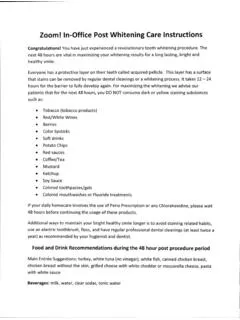
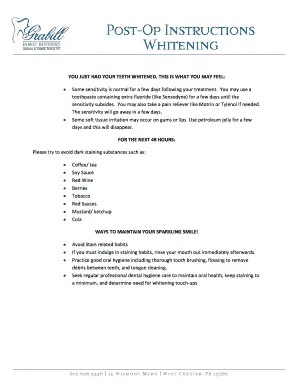
One of the most critical instructions post-whitening is to avoid foods and drinks that can stain your teeth. For the first 48 to 72 hours, your teeth are particularly vulnerable to staining. This period is often referred to as the ‘white diet’ phase. Foods and drinks with dark pigments can easily seep into the enamel pores, causing discoloration. Common culprits include coffee, tea, red wine, dark sodas, berries, and deeply colored sauces like soy sauce or balsamic vinegar. Even some fruits like cherries and beets should be avoided. Sticking to a white diet during this period is essential. This primarily consists of white or light-colored foods and drinks such as water, milk, white rice, pasta (without dark sauces), plain chicken or fish, and white bread. This dietary restriction may seem challenging, but it’s a crucial step towards preserving your newly whitened smile and getting the best results from your whitening procedure.
The Impact of Food and Drinks
The pigments in various foods and drinks contain chromogens, which are the coloring agents that can bind to the porous enamel of your teeth. When these chromogens attach to the enamel, they cause staining and discoloration. Drinks like coffee and tea have high concentrations of tannins, which are known to stain teeth. Red wine contains both tannins and chromogens, making it a double threat. Dark-colored sodas and juices are also problematic due to their high acidity and staining potential. By avoiding these items, you drastically reduce the risk of staining your teeth. Choosing lighter options allows your teeth to stabilize and prevents unwanted discoloration. This dietary consideration is a short-term sacrifice for long-term results, ensuring that your teeth remain bright and your smile continues to shine.
Instructions 2 Practice Good Oral Hygiene

Maintaining excellent oral hygiene is a non-negotiable aspect of post-whitening care. Proper brushing and flossing are vital not only for keeping your teeth clean but also for promoting gum health and preventing potential complications. However, the way you brush and floss is crucial. After the whitening procedure, your teeth may be more sensitive. Therefore, use a soft-bristled toothbrush and brush gently. Harsh brushing can irritate the gums and enamel, potentially leading to increased sensitivity or even damage. Brush your teeth at least twice a day, and ideally after every meal, to remove any food particles that could contribute to staining. Make sure to floss daily to remove plaque and food debris from between your teeth. By following these oral hygiene practices, you will help maintain a healthy, bright smile and protect your investment in teeth whitening.
The Importance of Brushing and Flossing
Brushing and flossing are the cornerstones of any good oral hygiene routine. Brushing helps to remove surface stains and plaque, reducing the risk of discoloration and cavities. When brushing, pay attention to the entire surface of each tooth, ensuring that you reach all areas, including the back teeth. Flossing is equally crucial, as it removes debris and plaque from the spaces between your teeth, where a toothbrush can’t reach. This prevents the buildup of harmful bacteria and reduces the chances of developing gum disease. Using floss gently and carefully is important, especially after teeth whitening, as your gums may be more sensitive. A thorough yet gentle approach to brushing and flossing is the best way to maintain a healthy mouth and prolong the effects of your teeth whitening treatment. It is a commitment to keeping your smile radiant.
Instructions 3 Use Desensitizing Products
Teeth whitening can sometimes cause temporary tooth sensitivity. This is a common side effect as the bleaching agents can dehydrate the teeth and irritate the nerve endings. To combat this, using desensitizing products is highly recommended. Your dentist may recommend using a desensitizing toothpaste or a fluoride treatment. These products work by blocking the tubules in your teeth, reducing the transmission of pain signals to the nerves. Applying a desensitizing toothpaste before and after your whitening treatment can significantly reduce sensitivity and make the process more comfortable. Fluoride treatments, either at home or in-office, can also strengthen your enamel and further reduce sensitivity. Following your dentist’s recommendations for using these products is essential to ensuring a comfortable whitening experience and maintaining healthy teeth. These measures are essential for minimizing discomfort and keeping your smile bright.
The Role of Desensitizing Toothpaste

Desensitizing toothpaste is a specially formulated product designed to provide relief from tooth sensitivity. It contains active ingredients, such as potassium nitrate or stannous fluoride, that work to block the small holes (tubules) in your enamel that lead to the nerves of your teeth. By blocking these tubules, the toothpaste reduces the transmission of pain signals to the nerves, thereby alleviating sensitivity. Using desensitizing toothpaste before and after your teeth whitening treatment can create a protective barrier, reducing the likelihood of discomfort. For optimal results, apply a small amount to your toothbrush and gently brush your teeth, ensuring that you cover all sensitive areas. Allow the toothpaste to sit on your teeth for a few minutes before rinsing. Consistency is key, and using the toothpaste regularly, as recommended by your dentist, will provide the best outcome. This helps you continue to maintain your dazzling smile.
Instructions 4 Attend Follow-Up Appointments
Follow-up appointments with your dentist are essential for monitoring the results of your teeth whitening and addressing any potential issues. These appointments typically occur a few weeks after the whitening procedure, allowing your dentist to assess the effectiveness of the treatment and check for any complications. During these visits, the dentist can examine your teeth and gums for any signs of sensitivity, irritation, or other problems. They may also provide additional advice on maintaining your results and answer any questions you may have. These follow-up appointments are an opportunity to get professional feedback and ensure that your oral health is in excellent condition. The dentist might also offer touch-up treatments or recommend products to extend the life of your whitening. By attending these appointments, you invest in your long-term oral health, maintaining your bright, healthy smile, and maximizing the benefits of your teeth whitening procedure. They will assist you in proper post-whitening care.
Why Follow-Ups Are Important
Follow-up appointments are crucial for several reasons. First, they allow your dentist to monitor the progress of your whitening and assess the health of your teeth and gums. Any issues, such as increased sensitivity or gum irritation, can be detected and addressed early. Second, these appointments provide an opportunity for your dentist to give personalized recommendations and answer any concerns you may have. They can offer tailored advice on oral hygiene, dietary choices, and products that will help you maintain your results. Third, the dentist can perform a professional cleaning to remove any surface stains, further enhancing the brightness of your smile. Follow-up appointments are not only about maintaining the aesthetics of your teeth but also about ensuring the overall health of your mouth. By attending these appointments, you gain peace of mind knowing that you are taking the best possible care of your smile.
Instructions 5 Be Patient and Realistic About Results

It’s important to have realistic expectations about the results of your teeth whitening treatment. While teeth whitening can significantly brighten your smile, the final outcome can vary depending on the initial shade of your teeth, the type of treatment used, and your individual tooth structure. Some people may experience dramatic results, while others may see more subtle changes. Be patient and allow time for the whitening process to fully manifest. Avoid comparing your results with others, as everyone’s teeth are unique. Also, keep in mind that teeth whitening doesn’t last forever, and maintenance is required to preserve your brighter smile. Following the post-whitening instructions, attending follow-up appointments, and practicing good oral hygiene can help extend the life of your results. Having realistic expectations and understanding the long-term nature of teeth whitening will help you appreciate the benefits of your treatment and maintain a positive outlook.
Managing Expectations After Whitening
Managing expectations is a crucial aspect of any teeth whitening procedure. Understanding what you can realistically achieve will prevent disappointment and help you appreciate the positive changes in your smile. Your dentist will usually provide you with an idea of the expected results during the consultation. Keep in mind that the shade of your teeth can be influenced by genetics, lifestyle, and oral health conditions. The results can vary depending on the extent of staining, the type of whitening treatment, and your compliance with the post-whitening instructions. Some people experience a significant improvement in their teeth’s brightness, while others achieve a more subtle change. Avoid expecting perfection or comparing your results with those of others. Instead, focus on the overall improvement in the appearance of your teeth and the boost to your confidence. Remember, a beautiful smile is a journey, and by following the aftercare instructions and maintaining good oral hygiene, you can enjoy a radiant smile for a long time.
Additional Tips for a Smooth Recovery
In addition to the core instructions, here are some additional tips to ensure a smooth recovery and maintain your newly whitened smile. Drink plenty of water to stay hydrated and rinse your mouth after eating or drinking anything other than water. Avoid smoking and using tobacco products, as they can stain your teeth and hinder the whitening process. Consider using a straw when drinking beverages that could stain your teeth, such as coffee or juice. Stay away from acidic foods and drinks, such as citrus fruits and soda, as they can erode enamel and increase sensitivity. Be gentle when brushing and flossing, and avoid using excessive force. If you experience any discomfort or have concerns, contact your dentist immediately. By following these additional tips, you’ll significantly enhance the outcomes of your teeth whitening treatment. It’s important to protect your bright smile and maintain your oral health. Your commitment to these strategies ensures lasting results and keeps your smile radiant for a long time.