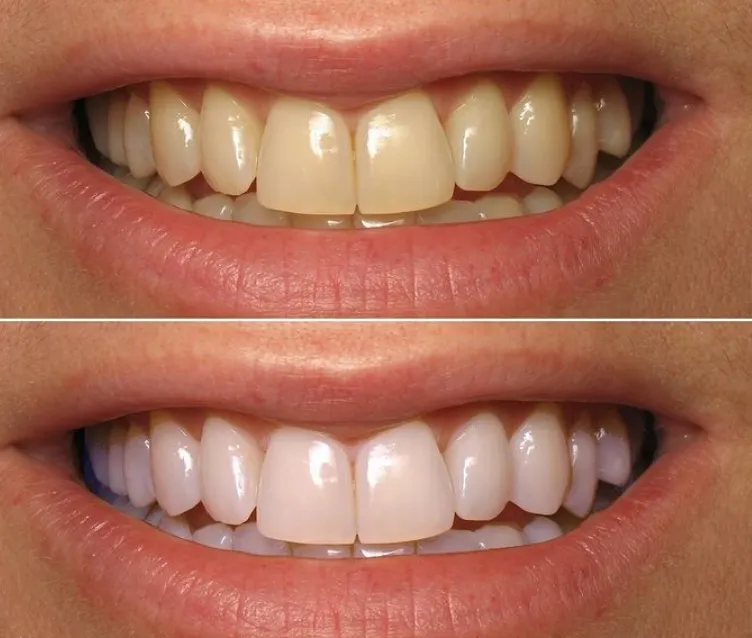
What Are Whitening Gums
Whitening gums are a popular over-the-counter product designed to help improve the brightness of your teeth. These gums typically contain ingredients aimed at removing surface stains, offering a convenient and accessible method for enhancing your smile. The appeal lies in their ease of use and portability, allowing users to integrate teeth whitening into their daily routines without major changes. Unlike more involved procedures like professional whitening or at-home trays, whitening gums offer a subtle approach to achieving a brighter smile. This makes them an attractive option for those seeking a less intensive method to refresh their appearance and boost their confidence. However, it’s crucial to understand how these gums work and what results you can realistically expect from them. The effectiveness of whitening gums can vary depending on several factors, including the specific ingredients used, the frequency of use, and the individual’s dental health. It’s also important to manage expectations, as the results from using whitening gums are typically less dramatic compared to professional treatments. Furthermore, understanding the potential side effects and knowing how to use them safely is essential to ensure a positive experience.
Ingredients Commonly Found in Whitening Gums
The primary active ingredient in most whitening gums is typically a form of peroxide, such as hydrogen peroxide or carbamide peroxide. These peroxides act as bleaching agents, breaking down the stains on the surface of your teeth. Another common ingredient is a mild abrasive. This helps to physically scrub away surface stains. The concentration of these ingredients is usually lower than in professional whitening treatments or even some at-home kits. This is a safety measure to minimize potential side effects and ensure that the product remains suitable for regular use. Some whitening gums may also include other ingredients that support oral health, such as fluoride, which helps strengthen enamel and prevent cavities. Additionally, flavoring agents and sweeteners are included to make the gum more palatable and encourage regular use. These ingredients play a role in the overall effectiveness of the whitening process, and their combined actions contribute to the product’s ability to brighten teeth. The specific combination of ingredients and their concentrations can influence the results you can expect, so it’s important to review the product’s label before use.
How Whitening Gums Work

Whitening gums work through a combination of chemical and physical actions. The bleaching agents, usually peroxides, penetrate the enamel of your teeth and react with the discolored molecules. This process breaks down these molecules, effectively lightening the tooth’s shade. At the same time, the act of chewing the gum encourages the release of saliva, which helps to distribute the whitening agents evenly across the teeth’s surface. This is coupled with the physical action of chewing, which can help remove some surface stains mechanically. The effectiveness of whitening gums depends on the concentration of the active ingredients, the length of time the gum is chewed, and the frequency of use. Because the concentration of whitening agents is typically low in over-the-counter products, the whitening effect is usually gradual. While whitening gums can’t drastically change the color of your teeth, they can be effective at removing surface stains caused by common culprits like coffee, tea, and smoking. Consistency is key; regular use, as directed on the product packaging, is essential to achieve and maintain desired results. To optimize their effectiveness, it’s beneficial to combine the use of whitening gums with good oral hygiene practices.
The Effectiveness of Whitening Gums
The effectiveness of whitening gums varies from person to person. They work best on surface stains, which are discolorations caused by external factors like food, drinks, and smoking. You can expect a modest improvement in the brightness of your teeth. The degree of whitening also depends on the original color of your teeth and the nature of the stains. If your teeth have deep, intrinsic stains (stains within the tooth structure), or if they have significant discoloration from other causes, the results will likely be less noticeable. For individuals with mild to moderate surface stains, whitening gums can provide a noticeable enhancement to their smile. However, those seeking dramatic results might need to consider professional teeth whitening treatments. It is also important to be realistic about the limitations of these products. They are not designed to provide the same level of whitening as more potent treatments available through a dentist. Regular use, as directed by the product instructions, is essential to achieve optimal results. In addition, pairing whitening gums with good oral hygiene practices, such as brushing twice daily and flossing regularly, can help to maximize their effectiveness.
Factors Affecting Whitening Gum Results
Several factors affect how well whitening gums work. The type and severity of stains significantly influence the outcome. Surface stains caused by coffee, tea, red wine, and tobacco are generally easier to remove than intrinsic stains, which are those located deep within the tooth structure. The concentration of the active whitening agent in the gum also plays a role. Higher concentrations may yield better results, but they can also increase the risk of side effects. Frequency and duration of use are critical; following the product’s instructions consistently is important for achieving desired results. Individual dental health is another key factor. The condition of your enamel can impact how well whitening agents penetrate and lift stains. Additionally, the presence of existing dental work, such as fillings, crowns, or veneers, can affect results since these materials don’t whiten in the same way as natural tooth enamel. Moreover, lifestyle choices, such as smoking or frequently consuming staining foods and drinks, can diminish the effects of the gum and require more frequent use. Understanding these factors can help you set realistic expectations and choose the most suitable whitening method for your needs. Finally, your overall oral hygiene habits significantly influence the effectiveness of whitening gums. Maintaining good oral hygiene practices enhances your results.
Pros and Cons of Whitening Gums

Whitening gums offer several advantages, making them a popular choice for those looking to enhance their smiles. One of the primary benefits is their convenience. They are easy to use, requiring no special equipment or preparation. They are also highly portable. You can use them anytime, anywhere, making it easy to integrate teeth whitening into your daily routine. Additionally, whitening gums are generally more affordable than professional treatments and some at-home whitening kits. They provide a budget-friendly option for maintaining a brighter smile. However, there are also limitations. The effectiveness of whitening gums is often moderate, primarily targeting surface stains. The results are typically less dramatic compared to professional treatments or stronger at-home products. There is also a risk of potential side effects, such as tooth sensitivity and gum irritation. Furthermore, the results from whitening gums are not permanent, and ongoing use is necessary to maintain the whitening effect. Finally, the ingredient concentration might be lower than in professional methods, which means the whitening process can be slower and may not be suitable for those with significant staining. Weighing these pros and cons will help you decide whether whitening gums are the right choice for you and your smile goals.
Alternatives to Whitening Gums
If whitening gums don’t meet your needs, several alternative teeth-whitening methods are available. These options range from over-the-counter products to professional treatments, each offering different levels of effectiveness and convenience. Choosing the right alternative depends on your desired level of whitening, budget, and personal preferences. For instance, at-home whitening kits, often involve custom-fitted trays and whitening gel. These kits generally provide stronger results than whitening gums but require more time and effort. Whitening strips are another popular at-home option, which also use a peroxide-based bleaching agent to remove stains. The intensity is usually stronger than gums, but they can also cause sensitivity. Whitening toothpastes, while not technically whitening, can help remove surface stains. They contain mild abrasives that polish the teeth. However, they don’t change the underlying color of the teeth. The most effective option is professional teeth whitening, which a dentist performs using stronger bleaching agents and specialized techniques. This yields significant and immediate results. This is the most effective method but also the most expensive. Understanding the differences between these alternatives helps you make an informed decision about which one aligns best with your expectations and dental health needs.
Teeth Whitening Methods
Teeth whitening methods vary in their approach and the results they deliver. At-home whitening kits typically involve the use of custom-fitted trays filled with a bleaching gel. The patient wears the trays for a specified period, often a few hours a day or overnight, depending on the product. These kits usually contain a higher concentration of peroxide than whitening gums. This results in more noticeable whitening effects over several weeks. Whitening strips are another convenient at-home option. These are thin, flexible strips coated with a whitening agent that you apply directly to your teeth. They are easy to use, and the results can be seen after a few days. Whitening toothpastes contain mild abrasives and chemical agents to remove surface stains. They’re great for maintaining brightness and fighting stains. They are not as effective for removing deeper stains. Whitening pens are portable and easy to use. You apply the whitening solution directly to your teeth. They offer a convenient way to touch up your smile on the go, however, the effects are usually less dramatic. The key is to choose a method that aligns with your goals and dental health conditions.
Professional Teeth Whitening

Professional teeth whitening is the most effective method for achieving dramatic results. This is performed by a dentist using high-concentration bleaching agents and specialized techniques. The process usually involves isolating the gums to protect them from the bleaching agent. A high-concentration hydrogen peroxide gel is applied to the teeth. This is often activated by a special light or laser to accelerate the whitening process. A significant improvement in tooth shade is usually visible after a single session, which typically lasts for about an hour. Professional whitening is ideal for individuals seeking rapid and significant results. The effects are usually more long-lasting than over-the-counter products. However, this is also the most expensive teeth whitening method. It is essential to have a consultation with a dentist before undergoing professional teeth whitening to ensure it’s suitable for your oral health. The dentist will assess your teeth, discuss your goals, and advise you on the best course of action. They will also monitor your progress and address any potential side effects. Professional teeth whitening can transform your smile, offering a boost in confidence and overall appearance. Maintaining results involves good oral hygiene and avoiding staining foods and drinks.
How to Use Whitening Gums Safely and Effectively
Using whitening gums safely and effectively starts with carefully reading and following the product instructions. These instructions provide specific guidance on how long to chew the gum, how frequently to use it, and any precautions to take. Overuse or misuse can lead to unwanted side effects. Consistent use is crucial to achieve optimal results. Stick to the recommended schedule, and avoid chewing the gum for longer than the suggested duration. Proper oral hygiene is also essential. Brush your teeth twice a day and floss daily to remove plaque and food debris. This enhances the effectiveness of the whitening gums. It also prevents staining from developing further. If you experience any side effects, such as tooth sensitivity or gum irritation, stop using the product immediately and consult a dentist. Maintain a balanced diet and limit your consumption of staining foods and drinks. This prevents further discoloration and preserves the whitening effect. Regularly visit your dentist for check-ups and cleanings. This ensures your teeth and gums remain healthy. This also allows your dentist to assess your teeth and make recommendations tailored to your specific needs. Following these guidelines helps you to maximize the benefits of whitening gums. It also minimizes potential risks, promoting a healthier and brighter smile.
Recommended Usage
The recommended usage of whitening gums can vary depending on the specific product, but typically, you should adhere to the manufacturer’s instructions. This information is available on the packaging. Most products suggest chewing the gum for a specific duration, usually between 10 to 20 minutes, and using it several times a day. It’s important not to exceed the recommended usage to avoid potential side effects. Consistency is key. For optimal results, integrate the gum into your daily routine, as suggested. Combining the use of whitening gums with good oral hygiene practices can enhance their effectiveness. This includes brushing your teeth twice a day and flossing daily. If you are using other teeth whitening products, such as strips or toothpastes, make sure to consider the combined effect and the potential impact on your teeth. You should consult your dentist before combining whitening methods. If you have any pre-existing dental conditions or if you experience any discomfort during use, stop using the product. Consult your dentist for personalized advice. Following these guidelines ensures that you use whitening gums safely and effectively, maximizing your chances of achieving a brighter smile while maintaining oral health.
Potential Side Effects

While whitening gums are generally safe, they can cause some side effects. The most common side effects are tooth sensitivity and gum irritation. These side effects are usually mild and temporary, disappearing soon after you stop using the product. Tooth sensitivity can be caused by the bleaching agents. It can lead to increased sensitivity to hot or cold foods and drinks. Gum irritation can manifest as redness, swelling, or soreness in the gums. This is usually due to the exposure to the whitening agent. If you experience any severe or persistent side effects, stop using the product and consult your dentist. They can assess the problem and provide recommendations for managing these effects. To minimize the risk of side effects, it’s important to follow the product instructions. Avoid overusing the gum. Additionally, you should choose products from reputable brands and ensure that they are safe for your teeth. Maintaining good oral hygiene can also help to reduce the risk of side effects. This includes brushing and flossing regularly. Being aware of potential side effects can help you use whitening gums safely and make informed decisions about your oral health.
Maintaining Your White Smile
Maintaining your white smile requires a consistent approach to oral hygiene and lifestyle adjustments. Regular brushing and flossing are essential for removing plaque and preventing the build-up of surface stains. These practices help preserve the brightness of your teeth. Limiting your intake of staining foods and drinks can significantly impact the longevity of your whitening results. Foods and drinks like coffee, tea, red wine, and berries are known to stain teeth. Regularly visiting your dentist for check-ups and cleanings plays a vital role in preserving your smile. They can identify and address any issues. They can also provide professional cleaning to remove surface stains. Avoiding smoking and tobacco products is crucial, as they can severely discolor your teeth. You may also want to consider touch-up treatments to maintain your results. These could include using whitening toothpastes or occasional at-home whitening treatments. Protecting your teeth from injury is also crucial. You can wear a mouthguard if you participate in sports or other activities. This protects your teeth and preserves your radiant smile.
Oral Hygiene Practices
Effective oral hygiene practices are the foundation of a bright and healthy smile. Brushing your teeth at least twice a day is crucial for removing plaque and bacteria. Using a fluoride toothpaste strengthens enamel and protects against cavities. Flossing daily is equally important. This removes food particles and plaque from between your teeth. This can help prevent gum disease. Using an antibacterial mouthwash can provide extra protection against bacteria and bad breath. Proper brushing technique ensures you reach all surfaces of your teeth. Brush using gentle, circular motions for at least two minutes each time. Consider using an electric toothbrush. They often have built-in timers and pressure sensors. These features help optimize your brushing routine. Regular dental check-ups and professional cleanings are also essential. Your dentist can identify and address any oral health issues. They can also remove plaque and tartar that you cannot remove on your own. Maintaining a consistent and comprehensive oral hygiene routine is important. This not only helps you keep your teeth bright but also supports your overall health.
Avoiding Staining Foods and Drinks

Avoiding staining foods and drinks is critical to preserving and maintaining a white smile. Certain substances contain pigments that adhere to your tooth enamel. They cause discoloration over time. Coffee and tea are common culprits. They contain tannins that stain your teeth. Red wine is another significant offender. The tannins and the dark pigment can cause stains. Dark-colored sodas and fruit juices also contribute to tooth discoloration. Berries, such as blueberries, blackberries, and raspberries, can leave stains. Foods with strong colorings, like soy sauce, balsamic vinegar, and curries, also can stain your teeth. To minimize the impact of these staining agents, consider drinking through a straw. This reduces direct contact with your teeth. After consuming staining foods and drinks, rinse your mouth with water. This helps to remove some of the staining particles. Brushing your teeth shortly after eating or drinking can also help to prevent staining. Regularly visiting your dentist for cleaning and check-ups is also important. They can address any staining issues. By being mindful of the foods and drinks you consume. You can greatly help to maintain your bright smile.