The Power of Whitening Gel for Your Smile
A radiant smile is a powerful asset, instantly boosting confidence and leaving a lasting impression. In the quest for a brighter, more dazzling smile, teeth whitening gels have emerged as a popular and effective solution. These gels offer a convenient way to combat stains and discoloration, helping individuals achieve the smile of their dreams from the comfort of their homes. The market is flooded with various whitening products, and navigating this landscape can be daunting. This article uncovers the top secrets to maximizing the effectiveness of teeth whitening gels, ensuring you achieve a noticeably brighter and more confident smile. By understanding the science behind whitening gels, mastering proper application techniques, and adopting consistent oral hygiene practices, you can unlock the full potential of these products and transform your smile.
Understanding Whitening Gels
Teeth whitening gels work by penetrating the enamel and dentin of your teeth to break down stains and discoloration. They typically contain active ingredients like hydrogen peroxide or carbamide peroxide, which release oxygen molecules that oxidize the stain particles. This process lightens the color of your teeth without damaging the enamel. The concentration of the active ingredient determines the gel’s strength and how quickly it works. However, higher concentrations can also increase the risk of tooth sensitivity. Whitening gels offer a convenient and cost-effective alternative to professional treatments, allowing you to achieve visible results with consistent use.
Types of Whitening Gels

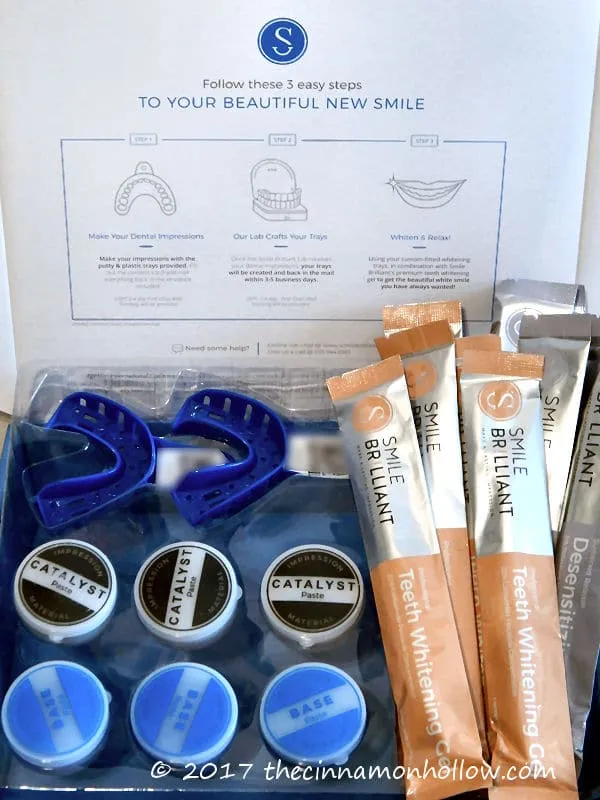
There are various types of whitening gels available, each with its own method of application. Some common types include tray-based gels, which are applied using custom or pre-made trays that fit over your teeth. These gels are typically used for at-home whitening and offer a more even distribution of the whitening agent. Another type is the whitening strips, which are thin, flexible strips coated with a whitening gel. These are easy to use and convenient for on-the-go whitening. Whitening pens are another option, offering a precise application directly onto the teeth. The choice of gel type depends on your personal preferences, lifestyle, and the severity of the stains. It’s important to choose a product that suits your needs and provides effective results.
Key Ingredients in Whitening Gels
The primary active ingredients in teeth whitening gels are hydrogen peroxide and carbamide peroxide. Hydrogen peroxide is a stronger bleaching agent, often found in higher concentrations in professional treatments. Carbamide peroxide breaks down into hydrogen peroxide over time, providing a more sustained whitening effect. Other ingredients may include glycerin, which helps the gel adhere to the teeth; flavorings, to improve taste; and thickening agents. Always check the ingredient list if you have any known allergies or sensitivities. It is also important to adhere to the recommended usage guidelines to avoid potential side effects.
Top Secret 1 Selecting the Right Whitening Gel
Choosing the right whitening gel is crucial for achieving the desired results and minimizing potential side effects. Consider the concentration of the active ingredient, as higher concentrations tend to produce faster results but may increase sensitivity. If you have sensitive teeth, opt for a lower concentration or a gel specifically designed for sensitive teeth. Research different brands and products, looking for those with positive reviews and a proven track record. Consider the application method, whether you prefer trays, strips, or pens. Consider your lifestyle, budget, and expectations. Consult with your dentist before starting any whitening treatment to ensure it’s appropriate for your oral health and to receive personalized recommendations.
Considerations for Sensitive Teeth

If you have sensitive teeth, it’s essential to choose a whitening gel formulated for sensitive teeth. These gels typically contain a lower concentration of the active ingredient, reducing the risk of irritation. Look for products that include desensitizing agents, such as potassium nitrate or fluoride, which help to block the nerve endings in your teeth and reduce sensitivity. Consider using a toothpaste designed for sensitive teeth during the whitening process. Applying the gel for a shorter duration can also help to minimize sensitivity. It’s crucial to listen to your teeth and stop using the product if you experience significant discomfort. Consult with your dentist if sensitivity persists.
Reviewing Customer Feedback and Ratings
Before purchasing a whitening gel, read customer reviews and check product ratings. These provide valuable insights into the effectiveness and potential side effects of the product. Look for reviews from people with similar dental conditions or concerns. Pay attention to comments about sensitivity, ease of use, and the overall results achieved. Websites, online retailers, and social media platforms offer a wealth of customer feedback. Be aware that individual results may vary, but consistent positive reviews indicate a product’s reliability and effectiveness. Consider the number of reviews and the average rating to get a balanced perspective. Comparing different products based on user experiences can help you make an informed decision.
Top Secret 2 Proper Application Techniques
Proper application techniques are essential for maximizing the effectiveness of whitening gels and minimizing the risk of side effects. Always follow the manufacturer’s instructions carefully. If using a tray-based system, ensure the tray fits snugly over your teeth and that the gel is evenly distributed. Avoid overfilling the tray, as excess gel can irritate your gums. If using strips, align them properly with your teeth, pressing gently to ensure they adhere well. With pens, apply the gel evenly to each tooth. Avoid getting the gel on your gums, as this can cause irritation. After the recommended application time, remove the tray or strips and rinse your mouth thoroughly. Consistent and proper application is key to achieving the best results.
Step-by-Step Application Guide

Here is a step-by-step guide to applying teeth whitening gel: Brush your teeth gently before application to remove plaque and debris. Dry your teeth with a clean tissue. Apply the gel according to the product instructions, whether using trays, strips, or a pen. Ensure even distribution, avoiding the gums. Insert the tray or apply the strips, and leave them in place for the recommended time. Avoid eating or drinking during application. After the treatment time, remove the tray or strips and rinse your mouth thoroughly with water. Avoid swallowing any remaining gel. Repeat the process according to the product instructions, typically once or twice a day for the duration of the treatment.
Avoiding Common Mistakes
To maximize effectiveness and minimize side effects, avoid these common mistakes: Applying too much gel can lead to gum irritation. Leaving the gel on for longer than recommended can increase sensitivity. Failing to follow the instructions carefully can lead to inconsistent results. Not brushing your teeth before application can trap debris, hindering the whitening process. Swallowing the gel can cause stomach upset. Neglecting to rinse your mouth thoroughly after application can lead to gum irritation. Remember to store the gel properly, away from heat and light, to maintain its potency.
Top Secret 3 Maximizing Results with Consistency
Consistency is key when using teeth whitening gels. Following a regular schedule is crucial for achieving noticeable and long-lasting results. Skipping applications or using the gel sporadically will diminish its effectiveness. Adhere to the recommended treatment duration and frequency outlined in the product instructions. Be patient, as it may take several weeks to see significant improvements. Keep track of your progress by taking photos of your teeth before and after treatment. This allows you to visually assess your results and make adjustments as needed. Consistency ensures the whitening process is sustained, leading to a brighter, more confident smile. If you find it difficult to stick to a schedule, consider setting reminders or incorporating the process into your daily routine.
Developing a Consistent Whitening Schedule

Develop a consistent whitening schedule to optimize results. Decide on the best time of day for application, whether morning or evening, and incorporate it into your daily routine. Set reminders or alarms to ensure you don’t miss any treatments. If using a tray-based system, prepare the trays and gel in advance to save time. Keep the product readily accessible so it’s easy to use. Consider using a calendar or a tracking app to monitor your progress and ensure adherence to the schedule. Consistency helps to maintain a continuous whitening process, resulting in a brighter smile. Adjust your schedule based on your lifestyle and preferences, but always prioritize consistency.
Monitoring Your Progress and Adjusting
Regularly monitor your progress during the whitening treatment. Take photos of your teeth at the beginning, during, and after the process to track changes. Note any changes in tooth color, and document any sensitivity or other side effects. If you’re not seeing the desired results, or if you experience excessive sensitivity, consider adjusting your approach. You may need to extend the treatment duration, increase the frequency of applications, or consult with your dentist for guidance. Be patient and persistent, as individual results can vary. If you experience significant discomfort, stop using the product and consult your dentist. Adjusting your approach based on your progress and feedback ensures the best possible outcome.
Top Secret 4 Diet and Lifestyle Adjustments
Your diet and lifestyle significantly impact the effectiveness of teeth whitening gels. Certain foods and drinks can stain your teeth, counteracting the whitening process. Tobacco use can also cause discoloration and should be avoided. Limiting your intake of staining substances can help to maintain your results. Embracing healthy habits enhances the overall benefits of your whitening efforts. By making conscious choices, you can maximize your whitening gel’s effects and enjoy a long-lasting, brilliant smile.
Foods and Drinks to Avoid

To prevent staining and maintain your bright smile, limit your intake of foods and drinks that cause discoloration. These include coffee, tea, red wine, and dark-colored sodas. Avoid highly pigmented fruits and vegetables, such as berries, beets, and carrots. Also, avoid sugary snacks and candies that promote plaque buildup. If you consume staining substances, rinse your mouth with water immediately or brush your teeth shortly after. Consider using a straw to minimize contact with your teeth when drinking staining beverages. Eating a balanced diet, rich in calcium and vitamins, supports overall oral health and contributes to a brighter smile.
Incorporating Oral Hygiene Practices
Maintain excellent oral hygiene practices to complement your whitening efforts. Brush your teeth twice a day for two minutes each time, using a fluoride toothpaste. Floss daily to remove plaque and debris from between your teeth. Use an antibacterial mouthwash to further reduce bacteria and protect your gums. Regular dental check-ups and cleanings are also essential for maintaining optimal oral health. These practices help to remove surface stains, prevent new stains, and keep your teeth healthy and bright. Consistent oral hygiene not only enhances the results of your whitening gel but also promotes long-term oral health and prevents other dental problems.
Top Secret 5 Addressing Potential Side Effects
While teeth whitening gels are generally safe, some potential side effects can occur. Tooth sensitivity is the most common, typically temporary and manageable. Gum irritation can also occur if the gel comes into contact with the gums. In rare cases, you may experience other effects. Understanding the potential side effects and knowing how to address them is essential. By taking preventive measures and seeking professional advice when needed, you can minimize any discomfort and ensure a positive whitening experience. Awareness of potential side effects enables you to make informed decisions and maintain a healthy, bright smile.
Managing Tooth Sensitivity

Tooth sensitivity is a common side effect. To manage it, use a toothpaste designed for sensitive teeth. Avoid hot or cold foods and drinks. Apply the whitening gel for a shorter duration. Consider taking over-the-counter pain relievers to reduce discomfort. Consult your dentist if sensitivity persists. Your dentist can provide guidance, recommend desensitizing treatments, or suggest alternative whitening options. Sensitivity typically subsides after stopping the whitening treatment. You can also try applying the gel every other day. Listen to your teeth and adjust your approach as needed to minimize discomfort and maintain your oral health.
When to Consult a Dental Professional
Consult a dental professional if you experience persistent or severe side effects, such as intense sensitivity or gum irritation. Seek advice if the whitening process isn’t producing the desired results. Your dentist can evaluate your oral health, identify any underlying issues, and recommend alternative whitening options. They can also provide professional treatments, such as in-office whitening. They can offer personalized advice and guidance tailored to your specific needs. Your dentist can also monitor your progress and ensure the treatment is safe and effective. Regular check-ups are essential for maintaining oral health and addressing any concerns promptly.
Maintaining Your Bright Smile Long-Term
Maintaining your bright smile long-term requires ongoing care and attention. Continue practicing good oral hygiene habits. Schedule regular dental check-ups and cleanings. Avoid or limit the consumption of staining foods and drinks. Consider occasional touch-up treatments with whitening gels to maintain your desired results. Using a whitening toothpaste can help to keep your teeth bright. By consistently following these guidelines, you can enjoy a dazzling smile for years to come. Remember that your smile is an investment in your confidence, and regular maintenance is essential for preserving its brilliance and your overall oral health.