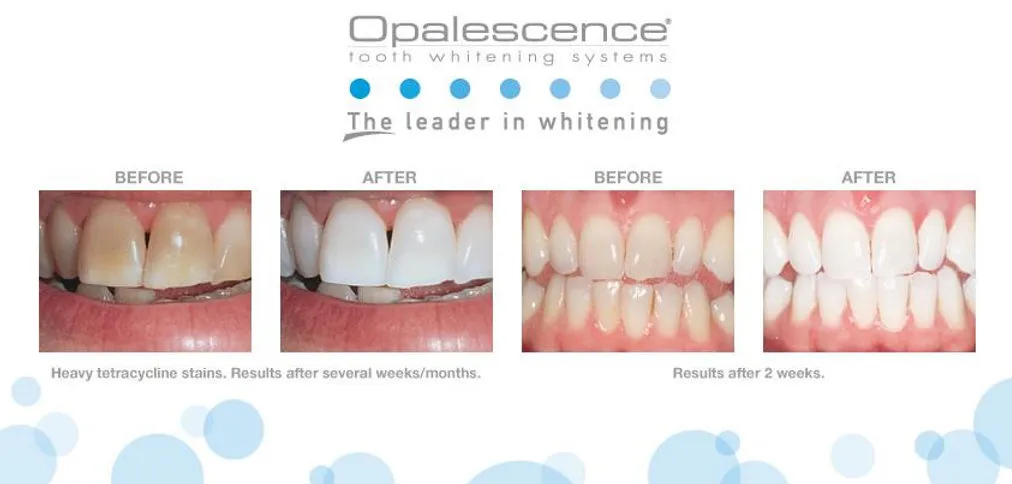
Achieving a brighter, more confident smile is a common goal, and teeth whitening has become a popular solution. Whitening gel is a key player in this process, but how does it actually work? Understanding the science behind whitening gel and the steps involved can help you make informed decisions about your oral care. This article delves into the mechanisms of whitening gel, exploring its active ingredients, application process, potential side effects, and ways to maximize results.
The Science Behind Whitening Gel
Whitening gels work on a chemical level, targeting the discolored molecules within your teeth. These stains are often caused by food, drinks (like coffee, tea, and wine), tobacco use, and aging. The active ingredients in whitening gels break down these stain molecules, lightening the overall appearance of your teeth. The effectiveness of the process depends on several factors, including the concentration of the active ingredients, the application time, and the frequency of use.
The Role of Active Ingredients
The primary active ingredients in whitening gels are typically hydrogen peroxide or carbamide peroxide. These compounds are responsible for the whitening action, and their concentrations can vary depending on the product. The higher the concentration, the faster the whitening effect, but also the greater the potential for side effects.
Hydrogen Peroxide

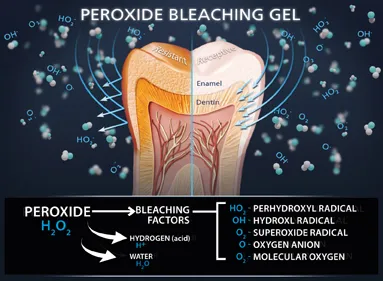
Hydrogen peroxide is a strong oxidizing agent that is used in many professional and over-the-counter whitening treatments. It directly penetrates the enamel and dentin of the teeth, breaking down the stain molecules. It is known for its rapid action but can also cause increased sensitivity in some individuals. The concentration of hydrogen peroxide can vary greatly, from low percentages in home kits to higher percentages used by dental professionals. The image shows the structure of hydrogen peroxide to understand its chemical components.
Carbamide Peroxide
Carbamide peroxide is another common active ingredient. It breaks down into hydrogen peroxide and urea. This ingredient is often found in at-home whitening kits because it is gentler than hydrogen peroxide, though it may take longer to achieve the desired results. The urea acts as a stabilizer and helps to release the hydrogen peroxide slowly, reducing the risk of sensitivity. Carbamide peroxide is usually used in lower concentrations than hydrogen peroxide. The image shows the carbamide peroxide breakdown into the active ingredient.
Penetration and Oxidation
Once the active ingredients are applied, they penetrate the porous enamel of your teeth. Upon contact with the stain molecules, they release oxygen radicals, which break the bonds that hold the stain molecules together. This process is known as oxidation. This oxidation reaction effectively lightens the stained areas, resulting in a brighter smile. This process doesn’t remove the enamel; instead, it changes the color of the stain molecules.
How Whitening Gel Interacts with Teeth

The way whitening gel interacts with teeth involves a complex process of chemical reactions. The gel’s active ingredients come into contact with the stained molecules within the tooth enamel and dentin. The ingredients then initiate the oxidation process, which breaks down the stain molecules. This allows for the dispersal of the stains and leads to the overall brightening of the tooth surface. The process, however, is not instantaneous; the gel requires a specific amount of time to work effectively. The duration of contact and the concentration of the gel play important roles in determining the final outcome.
Breaking Down Stains
The core action of whitening gel is the breakdown of stains. These stains are often the result of daily habits, foods, and aging. The active components of the whitening gel, hydrogen or carbamide peroxide, act as oxidizing agents. These agents react with the stain molecules and initiate a chemical reaction that breaks them down into smaller, less noticeable compounds. The process continues until the stains are significantly reduced, and the natural color of the teeth becomes more apparent. The effectiveness of this process depends on the type and depth of the stains.
Factors Influencing Whitening Effectiveness
The effectiveness of whitening gel isn’t a one-size-fits-all scenario. Several factors influence how well the gel works on your teeth. These factors can determine the outcome of the whitening process, impacting everything from the speed to the extent of the results. Understanding these key factors can help you achieve the desired results more efficiently.
Concentration of the Gel

The concentration of the active ingredient, whether hydrogen peroxide or carbamide peroxide, plays a significant role. Higher concentrations often lead to faster whitening results. However, they also increase the risk of side effects, such as teeth sensitivity and gum irritation. It is crucial to use the gel according to the instructions provided to balance effectiveness and safety. The image highlights different concentrations of active ingredients in whitening gels.
Duration of Application
The length of time the whitening gel is in contact with your teeth affects its performance. Most products specify an application time, which can range from a few minutes to several hours, depending on the product and concentration. Longer application times can improve the whitening effect. However, exceeding the recommended duration might increase the risk of side effects, so it is essential to adhere to the instructions provided by your dentist or the product manufacturer.
Frequency of Use
How often you use the whitening gel also affects its effectiveness. Most products provide a schedule for how frequently you should apply the gel. Overuse can lead to increased sensitivity, so sticking to the recommended frequency is important. Some whitening systems require daily use, while others are used less frequently. The frequency varies based on the product, and it is best to follow the product’s directions to maximize the benefits and minimize any potential harm.
The 5 Key Steps of Whitening Gel Application

Proper application is essential to ensure the whitening gel works effectively and safely. Whether you are using a professional system or an at-home kit, the general process involves these five key steps. It’s important to carefully follow these steps to achieve the best possible results. The image depicts the five steps of whitening gel application.
Step 1 Preparing the Teeth
Before applying the whitening gel, it’s essential to prepare your teeth. This includes brushing your teeth gently to remove any surface debris or food particles. You should also floss to remove any particles between your teeth. Make sure your teeth are dry before applying the gel to improve adhesion. Preparing your teeth will maximize the whitening gel’s effectiveness. This preparation step will ensure the best results from the whitening treatment.
Step 2 Applying the Gel
After preparing your teeth, the next step is to apply the whitening gel. If you are using trays, apply the gel evenly into the tray according to the product instructions. Ensure that the gel covers the front surfaces of the teeth you want to whiten. For whitening strips, place them carefully on the teeth and make sure they adhere properly. Avoid overfilling the trays or using too much gel to prevent excessive contact with your gums.
Step 3 Waiting for the Reaction

Once the gel is applied, allow it to work on your teeth for the specified duration. This can vary from a few minutes to several hours depending on the product. It’s critical to follow the product’s instructions regarding the application time. The active ingredients in the gel begin to penetrate your enamel and break down stains during this time. Avoid eating or drinking during the application period to ensure that the gel can work effectively.
Step 4 Rinsing and Cleaning
After the recommended application time, carefully remove the trays or strips. Rinse your mouth thoroughly with water to remove any remaining gel. Brush your teeth gently to remove any gel residue. Cleaning your teeth thoroughly after using whitening gel will help reduce potential sensitivity and ensure optimal results. This step is crucial for maintaining oral health.
Step 5 Maintenance and Aftercare
After the initial whitening treatment, maintaining your results is essential. Avoid foods and drinks that can stain your teeth, such as coffee, tea, red wine, and dark-colored berries. Brush your teeth twice daily and floss regularly. Consider using a whitening toothpaste to help maintain your brighter smile. Regular dental check-ups and cleanings can also help sustain your results. The image depicts the results of teeth whitening treatment.
Potential Side Effects and Risks
While whitening gel can be an effective way to brighten your smile, it’s important to be aware of potential side effects and risks. Understanding these can help you prepare and manage any issues that may arise. This can include a range of issues, from mild discomfort to more significant complications, that patients should be aware of before treatment.
Teeth Sensitivity
Teeth sensitivity is a common side effect of whitening treatments. You may experience temporary sensitivity to hot or cold foods and drinks. This occurs because the whitening agents can penetrate the enamel and affect the nerves in your teeth. Using toothpaste designed for sensitive teeth can help alleviate this. If the sensitivity is severe or persistent, it’s important to consult your dentist. The image shows the effects of tooth sensitivity after whitening.
Gum Irritation
Gum irritation is another potential side effect. If the whitening gel comes into contact with your gums, it can cause irritation, redness, and swelling. This is more likely to happen with at-home treatments if the trays are not a good fit or if you use too much gel. To prevent gum irritation, carefully follow the product instructions and avoid overfilling the trays. If you experience significant irritation, contact your dentist. The image shows the effects of gum irritation after whitening.
Enamel Damage

Enamel damage is a rare but possible risk, especially with the misuse of whitening products or using high-concentration gels for extended periods. This can lead to increased sensitivity and a higher risk of cavities. Always follow the product instructions and consult your dentist for personalized advice. Enamel erosion can cause long-term issues with the health of your teeth, making proper usage vital.
Maximizing Results and Maintaining a Bright Smile
To get the most out of your whitening gel and maintain a bright smile, a few key strategies are essential. Following these tips will help you achieve and preserve your whitening results over the long term. This requires a combination of proper application, careful maintenance, and adopting healthy habits.
Use the right product. Consider professional whitening treatments for the best results. However, if you choose at-home kits, select products from reputable brands. Follow the instructions precisely. Don’t exceed the recommended application time or frequency. This can help reduce the risk of side effects. The image showcases the ingredients used in whitening gels.
Make sure to avoid staining foods and drinks. Reduce or avoid coffee, tea, red wine, and other foods that can stain your teeth. Maintain good oral hygiene. Brush twice daily and floss to remove surface stains. Schedule regular dental checkups and cleanings. Professional cleanings can help maintain your bright smile. Using these methods, your whitening can last longer. The image displays a bright smile.
In conclusion, whitening gel is a powerful tool for enhancing your smile. By understanding how it works, following the application steps, and being aware of potential side effects, you can effectively achieve a brighter and more confident smile. Remember to consult with your dentist for personalized advice and to ensure the best results while maintaining your oral health.