Understanding Tooth Whitening
Tooth whitening, also known as teeth whitening, has become a popular cosmetic dental procedure aimed at brightening the shade of your teeth. Discoloration can occur due to various factors such as aging, dietary habits, and lifestyle choices like smoking. The process involves removing stains and discoloration, resulting in a more aesthetically pleasing smile. This comprehensive guide will delve into the intricacies of tooth whitening, exploring different methods, their effectiveness, potential risks, and how to maintain your sparkling white smile. Understanding the fundamentals is crucial before embarking on any whitening journey.
What is Tooth Whitening
Tooth whitening involves various techniques to lighten the color of teeth, reversing the effects of staining and discoloration. This can range from surface-level treatments to more intensive procedures that penetrate the tooth’s enamel. The primary goal is to restore the natural white color of your teeth or to achieve a shade even brighter than your original color. Whitening treatments work by using bleaching agents, typically hydrogen peroxide or carbamide peroxide, to break down stain molecules. These agents penetrate the enamel, and dentin, the layer beneath the enamel, to remove or reduce the appearance of stains. Understanding the core principles helps in choosing the right whitening approach.
Types of Tooth Whitening

There are several types of tooth whitening options available, each with its own set of procedures, pros, and cons. The range of options includes professional in-office treatments, at-home whitening kits, over-the-counter whitening toothpastes, and whitening strips, as well as natural remedies. Professional treatments offer quicker results and are administered by a dentist, using stronger bleaching agents. At-home kits provide a convenient and affordable option but may take longer to show noticeable results. Over-the-counter toothpastes and strips offer a more gentle approach, suited for maintaining whiteness or for minor staining. Natural remedies, while promising, may offer limited results and require a cautious approach to avoid potential harm to the enamel.
Why Tooth Whitening is Popular
Tooth whitening has gained immense popularity due to the significant impact it has on a person’s confidence and self-esteem. A bright, white smile is often associated with youthfulness, health, and attractiveness. In today’s society, where appearances play a vital role, having a radiant smile can make a positive impression in both personal and professional settings. The desire to enhance one’s appearance, coupled with the increasing accessibility and affordability of whitening treatments, has fueled the demand. Social media trends and celebrity endorsements have further popularized the process, making it a sought-after cosmetic procedure globally.
Top 5 Tooth Whitening Methods
Method 1 Professional Teeth Whitening
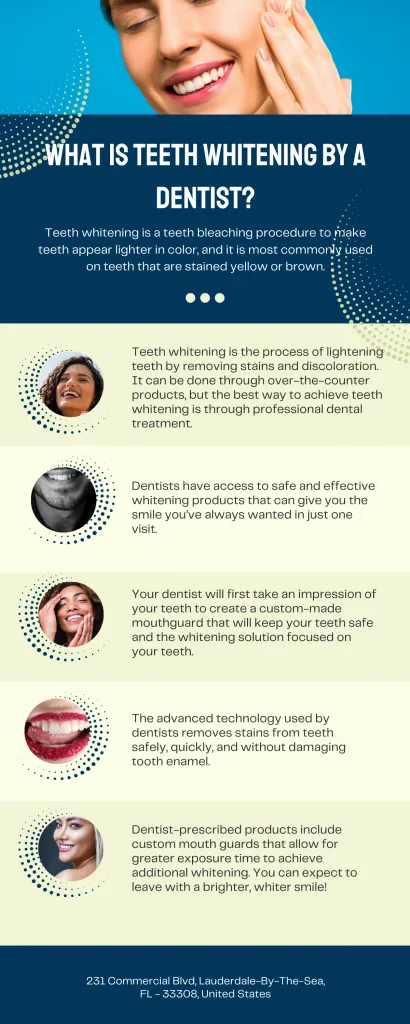
Professional teeth whitening, performed by a dentist, is the most effective way to achieve dramatic results quickly. The procedure involves the application of a high-concentration bleaching agent directly to the teeth, often combined with the use of a special light or laser to accelerate the whitening process. This method can lighten teeth by several shades in a single session, offering a significant improvement in the overall appearance of your smile. The supervised environment ensures safety and minimizes the risks of side effects, making it a reliable choice for many individuals seeking immediate and noticeable results.
In-Office Whitening Procedure
The in-office whitening procedure typically begins with a thorough cleaning and examination of the teeth. The dentist then applies a protective barrier to the gums to prevent irritation. After that, a high-concentration whitening gel is applied to the teeth, and a special light or laser may be used to activate and enhance the bleaching agent. The process is repeated several times, usually in 15-20 minute intervals, until the desired shade is achieved. The entire procedure typically takes about an hour to an hour and a half. After the treatment, the dentist will provide post-whitening care instructions.
Benefits of Professional Whitening
Professional teeth whitening offers several significant benefits, including rapid results, enhanced safety, and the expertise of a dental professional. The high concentration of bleaching agents used in-office provides immediate and dramatic whitening effects. The procedure is performed under the supervision of a dentist, who can monitor the process and address any potential side effects promptly. Dentists can also identify and treat underlying issues, such as cavities, before proceeding with whitening, which is a vital part of the process. This ensures a safe and effective treatment, tailored to your individual needs.
Method 2 At-Home Whitening Kits

At-home whitening kits offer a convenient and cost-effective alternative to professional treatments. These kits typically include custom-fitted trays, bleaching gel, and instructions for use. The process involves filling the trays with the bleaching gel and wearing them for a specified amount of time each day, usually for a couple of hours or overnight. The duration of the treatment varies depending on the concentration of the bleaching agent and the severity of the staining. While results are not as immediate as in-office procedures, at-home kits provide a more gradual but noticeable improvement in the shade of your teeth.
Types of At-Home Kits
There are several types of at-home whitening kits available. Some kits require custom-fitted trays made by your dentist, which offer the best fit and ensure more even coverage of the bleaching agent. Other kits come with pre-formed, or boil-and-bite trays that can be molded to your teeth at home. The bleaching agents in at-home kits generally have a lower concentration of hydrogen peroxide than those used in professional treatments, making them gentler on the teeth. This ensures that any risks associated with the product are minimal, and users can achieve a brighter smile while at home. It is crucial to choose a kit that is FDA-approved and follows all safety guidelines.
How to Use At-Home Kits
To use an at-home whitening kit effectively, follow the instructions provided by your dentist or the manufacturer. First, brush your teeth and floss to remove any food particles and plaque. Then, fill the trays with the bleaching gel, ensuring you do not overfill them. Insert the trays into your mouth and wear them for the recommended time. Remove the trays and rinse your mouth thoroughly with water. Avoid eating or drinking anything that could stain your teeth, such as coffee, tea, or red wine, for at least an hour after each treatment. Regular use as directed will provide a more radiant smile.
Method 3 Whitening Toothpastes

Whitening toothpastes are a popular over-the-counter option for maintaining and improving tooth brightness. These toothpastes typically contain mild abrasives or chemical agents that help remove surface stains. They work by gently polishing the teeth to eliminate discoloration caused by coffee, tea, and other staining agents. While whitening toothpastes cannot change the natural color of your teeth like professional treatments, they can effectively remove surface stains and prevent new ones from forming. Regular use can result in a slightly brighter smile and contribute to overall oral hygiene.
How Whitening Toothpastes Work
Whitening toothpastes work through two main mechanisms. Many contain mild abrasives, such as silica, which gently scrub the teeth’s surface, removing stain-causing particles. Others incorporate chemical agents like hydrogen peroxide or carbamide peroxide, in lower concentrations than professional treatments. These agents help to break down stain molecules. The effectiveness of whitening toothpastes depends on the type of stains and the duration of use. Consistent use, coupled with good brushing technique, can help maintain a brighter smile. However, it’s essential to choose a toothpaste that is safe for enamel and to avoid excessive abrasion that could lead to enamel damage.
Limitations of Whitening Toothpastes
Whitening toothpastes have limitations regarding their ability to dramatically alter the shade of your teeth. They are most effective at removing surface stains and preventing future ones. They cannot penetrate deep-seated stains or change the natural color of teeth. The results are often subtle and may not be noticeable to everyone. Also, overuse of abrasive toothpastes can lead to enamel wear and increased tooth sensitivity. It is important to note that whitening toothpastes are not a substitute for professional treatments. They serve best as a maintenance tool for a bright smile.
Method 4 Whitening Strips

Whitening strips are another accessible and convenient method for brightening your teeth. These thin, flexible strips are coated with a peroxide-based bleaching agent and are designed to be applied directly to the teeth. The strips adhere to the tooth surface, providing a controlled and localized bleaching effect. Whitening strips offer a more targeted approach than whitening toothpastes, allowing for a more potent effect. They are easy to use at home and require minimal effort. Regular use as directed can result in a noticeable improvement in tooth shade over a few weeks.
How to Apply Whitening Strips
Applying whitening strips is a straightforward process. First, brush and floss your teeth to remove any food particles or plaque. Then, peel the strips from the backing, and apply them to your upper and lower teeth, ensuring they adhere firmly. Make sure the strips are aligned along your gum line. Fold any excess strip material behind your teeth. Leave the strips on for the recommended time, typically 30 minutes, as indicated on the product’s instructions. Remove the strips and discard them after the recommended duration. Rinse your mouth with water. Avoid eating, drinking, or smoking for about an hour after use.
Effectiveness of Whitening Strips
Whitening strips are generally effective for removing surface stains and lightening teeth by a few shades. The results, however, can vary depending on the individual and the severity of the staining. For moderate staining, whitening strips are an excellent option. They provide a good balance of convenience and effectiveness. The results are usually visible within a few days of consistent use and improve over a few weeks. However, they may not be as effective for deep-seated stains. Moreover, individuals with sensitive teeth may experience some temporary discomfort. Using the strips as directed is a must for the best results.
Method 5 Natural Remedies for Whitening
In addition to the established methods, some individuals explore natural remedies for tooth whitening. These methods often involve ingredients found at home and are generally considered a more natural approach. However, it’s important to approach these remedies with caution, as their effectiveness and safety can vary. Some of the most commonly used natural remedies include oil pulling, using baking soda and lemon, and using activated charcoal. It is essential to consult a dentist before using any natural remedy to ensure it is suitable for your teeth and won’t cause harm.
Oil Pulling for Teeth Whitening
Oil pulling is an ancient practice originating from Ayurvedic medicine, involving swishing oil in the mouth for a specific period to remove bacteria and toxins. The most commonly used oil for oil pulling is coconut oil, known for its antibacterial and anti-inflammatory properties. The premise is that oil pulling can help remove plaque and bacteria that may contribute to staining, thus potentially whitening the teeth. The process involves taking a tablespoon of oil and swishing it in your mouth for 15-20 minutes, then spitting it out. While oil pulling has shown some promise in reducing plaque and gingivitis, the evidence for its effectiveness in whitening teeth is limited. Research is ongoing to determine its full benefits.
Using Baking Soda and Lemon
Baking soda and lemon have been used as natural remedies for teeth whitening, but their application requires caution due to the potential for enamel damage. Baking soda, a mild abrasive, can help remove surface stains by gently polishing the teeth. Lemon juice, due to its acidity, acts as a bleaching agent. The recommended practice is to mix a small amount of baking soda with lemon juice to form a paste and then apply it to the teeth for a brief period. However, the acidity of lemon juice can erode the enamel, leading to increased tooth sensitivity and potential damage. It’s essential to use this method sparingly and to consult with a dentist before trying it to avoid any adverse effects.
Factors Affecting Tooth Whitening
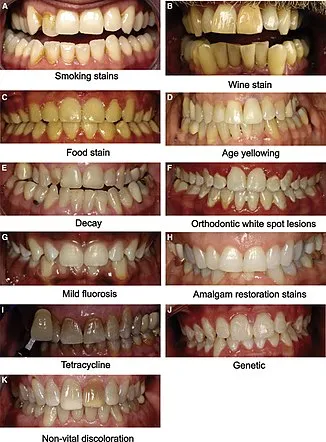
Several factors can influence the effectiveness and longevity of tooth whitening treatments. Your dietary habits, oral hygiene practices, and genetics all play a significant role in your teeth’s ability to whiten and maintain their brightness. Understanding these factors will help you choose the most appropriate whitening method and make informed decisions about post-treatment care and maintenance. By considering the impact of these aspects, you can set realistic expectations and achieve optimal results.
Dietary Habits
Your dietary habits can significantly impact the color of your teeth. Certain foods and beverages are known to stain teeth. For example, coffee, tea, red wine, and dark-colored berries contain pigments that can adhere to the enamel. The frequent consumption of these items can lead to discoloration. Acidic foods, such as citrus fruits and vinegar, can also erode the enamel, making teeth more susceptible to staining. Reducing the intake of these staining agents and rinsing your mouth with water after consuming them can help prevent or minimize staining. A balanced diet is crucial for maintaining the health of your teeth.
Oral Hygiene
Proper oral hygiene is fundamental for maintaining a white smile and the health of your teeth. Regular brushing, flossing, and using mouthwash are essential for removing plaque, preventing staining, and maintaining healthy gums. Brushing your teeth twice a day with a fluoride toothpaste helps remove surface stains and prevents the buildup of plaque and bacteria. Flossing daily removes food particles and plaque from between teeth, where a toothbrush cannot reach. The use of mouthwash further reduces bacteria and refreshes the mouth. Consistent oral hygiene habits maximize the benefits of any whitening treatment.
Age and Genetics
Age and genetics play a significant role in the natural color of your teeth and their response to whitening treatments. As we age, the enamel on our teeth thins, revealing the underlying dentin, which is naturally more yellow. This can make teeth appear darker. Genetics can also influence the thickness and color of the enamel, affecting the degree to which teeth can be whitened. Some individuals naturally have whiter teeth than others. It is important to understand these factors when considering tooth whitening to have realistic expectations and to select a treatment that aligns with your individual characteristics and needs.
Risks and Side Effects of Tooth Whitening
While tooth whitening is generally safe, it can cause certain side effects and risks. Understanding these potential issues is crucial for making an informed decision. The most common side effects include tooth sensitivity and gum irritation, which are usually temporary. More serious risks are rare but can occur if the treatment is not performed correctly. Always consult with your dentist to understand potential risks and discuss how to minimize them. Following all safety guidelines and instructions will help ensure a safe and positive outcome.
Sensitivity
Tooth sensitivity is a common side effect of tooth whitening, resulting from the bleaching agents penetrating the enamel and reaching the dentin. The dentin contains small tubules that lead to the nerves inside the tooth. This can cause temporary sensitivity to hot or cold temperatures. The degree of sensitivity varies from person to person. Most individuals experience mild sensitivity that subsides within a few days of completing the treatment. Using desensitizing toothpaste before and during the whitening process can help reduce sensitivity. Avoiding extremely hot or cold foods and beverages during this time can also help.
Gum Irritation
Gum irritation is another potential side effect of tooth whitening, especially in professional treatments. This can occur if the bleaching agent comes into contact with the gums. The symptoms of gum irritation include redness, swelling, and soreness. To prevent gum irritation, dentists use protective barriers to shield the gums during in-office procedures. At-home kits should be used carefully. Any gel overflow from the trays should be wiped away. The irritation typically resolves within a few days after treatment. If irritation persists, consult with your dentist.
Enamel Damage
Enamel damage is a rare, but serious risk of tooth whitening, particularly if the treatment is misused or overused. Excessive use of strong bleaching agents can lead to enamel erosion, making the teeth more susceptible to decay and sensitivity. The risk of damage is higher with at-home treatments that are not properly supervised or when using unapproved products. It is crucial to follow the instructions precisely and to consult with your dentist. This ensures that the treatment is safe. If enamel damage occurs, it may require professional dental treatment to repair the damage.
Maintaining Your White Smile
Maintaining a bright white smile involves a combination of post-whitening care and ongoing preventive measures. Consistent oral hygiene practices, regular dental check-ups, and mindful dietary habits are essential for prolonging the effects of the whitening treatment. By adopting these strategies, you can keep your teeth looking their best for an extended period. Furthermore, it is important to be aware that teeth whitening is not permanent, and some maintenance will be necessary to keep that bright and shining smile.
Post-Whitening Care
Following the post-whitening care instructions provided by your dentist is essential for optimizing results. This typically includes avoiding staining foods and beverages, such as coffee, tea, red wine, and dark-colored berries, for the first few days. Additionally, it is important to refrain from smoking, as it can quickly stain your teeth. Using a desensitizing toothpaste can help reduce any tooth sensitivity. Maintaining good oral hygiene practices, including brushing twice a day, flossing daily, and using a mouthwash, will also contribute to the longevity of your results. Following these steps will greatly help preserve the whitening.
Regular Dental Check-ups
Regular dental check-ups and cleanings are vital for maintaining a white smile and overall oral health. During these visits, the dentist can remove any surface stains that may have developed and assess the condition of your teeth and gums. They can also provide professional advice. Professional cleanings help remove plaque and tartar, which can contribute to discoloration. Regular check-ups allow for the early detection of any potential issues, such as cavities or gum disease, ensuring they can be addressed promptly. Visiting your dentist regularly is an investment in long-term dental health and helps to maintain a bright, healthy smile.
Conclusion
Tooth whitening offers various methods to enhance the brightness of your smile, from professional treatments to at-home solutions. Understanding the different options, their effectiveness, potential risks, and how to maintain your results is essential. While tooth whitening is a safe and effective procedure, it is important to approach the process with realistic expectations and to follow all instructions and guidelines. By considering your oral health and lifestyle, you can make informed decisions. Following your dentist’s advice will help you achieve a radiant, confident smile, which in turn will help you to smile brighter than ever!