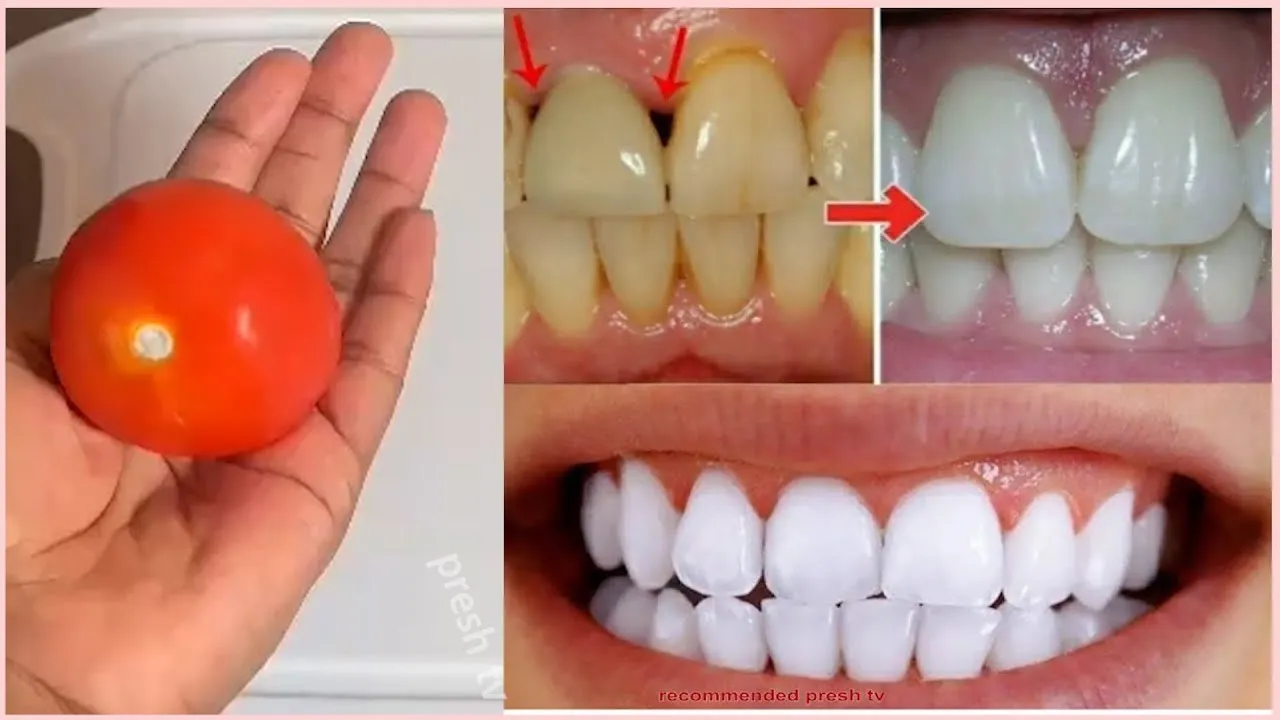
What is Tomato Teeth Whitening?
Tomato teeth whitening is a natural method that uses the properties of tomatoes to help remove stains and brighten your teeth. It’s a less conventional approach compared to commercial teeth whitening products. The concept revolves around the idea that certain components within tomatoes can act as mild abrasives or contribute to stain removal. This approach appeals to individuals seeking organic and readily available solutions for a brighter smile. It’s often touted as a budget-friendly and accessible alternative for those looking to enhance the appearance of their teeth. This method is a home remedy that has gained some traction due to the ease of access and the perceived gentleness of the approach. The effectiveness can vary from person to person, and it’s essential to manage expectations and consider it as a complementary method rather than a complete solution for significant discoloration.
The Science Behind Tomato Teeth Whitening
The science behind tomato teeth whitening is linked to the presence of certain acids and enzymes within tomatoes. These components may help in breaking down surface stains on teeth, leading to a perceived whitening effect. However, the extent of this effect can vary. The primary mechanisms involve the interaction of these substances with the enamel, and the process is generally considered gentler than the use of strong chemical whitening agents. It’s important to understand that while tomatoes contain beneficial compounds, their impact on teeth whitening is often less dramatic compared to professional or commercial treatments. The effectiveness of tomato teeth whitening also depends on factors like the type of stains, the frequency of application, and individual differences in tooth enamel. The scientific community hasn’t fully researched the effects of tomatoes on teeth whitening, but the components of tomato offer some potential for stain removal and teeth brightness.
Understanding Tomato’s Composition

Tomatoes are rich in various vitamins, minerals, and organic compounds. Their composition includes water, carbohydrates, dietary fiber, and a variety of antioxidants. The nutritional profile varies based on the type of tomato and the growing conditions. Some of the key components that are relevant to teeth whitening include acids such as citric and malic acid, which might help in removing stains. The presence of vitamins, particularly vitamin C, adds to the potential antioxidant benefits, supporting overall oral health. Furthermore, tomatoes contain lycopene, a powerful antioxidant known for its protective properties. Understanding the composition of tomatoes is crucial for appreciating how the different elements interact with your teeth and contribute to their potential whitening effect. The combination of these compounds suggests the possibility of gentle stain removal and other oral health benefits.
Acids and Enzymes in Tomatoes
The presence of acids, mainly citric and malic acid, in tomatoes is critical to the tomato teeth whitening process. These acids may contribute to breaking down surface stains on the teeth. Although they are relatively mild, they can offer a gentle abrasive action, promoting a cleaner surface. The enzymes within tomatoes also play a role. Enzymes like catalase and peroxidase might assist in breaking down organic matter and reducing discoloration. When applied to teeth, these components can help to dissolve stains and debris, which can improve the appearance of teeth. However, the efficacy of these acids and enzymes is less potent compared to the higher concentrations found in professional teeth whitening products. When used in moderation, they can assist in improving the brightness of your smile and can be a part of your oral hygiene routine. It is important to note that excessive use can cause damage.
How Tomatoes Interact with Teeth
When tomatoes come into contact with teeth, the acids and enzymes begin their work. The acids help to dissolve stains caused by food, drinks, and other factors. The enzymes assist by breaking down organic compounds that can discolor teeth. The interaction with tooth enamel is generally considered gentle compared to more aggressive methods. The abrasive action is slight and unlikely to cause significant harm if used as directed. The effect can result in a cleaner and brighter appearance. The overall impact depends on the individual’s enamel and the type of stains. People with more porous enamel might experience more pronounced effects. Regular use can contribute to maintaining a brighter smile over time, with the effects being subtle but potentially noticeable. The goal is to achieve a gentler stain removal and improve the teeth’s shine.
Tomato Teeth Whitening Step by Step Guide

Selecting the Right Tomatoes
Choosing the right tomatoes can improve the effectiveness of the tomato teeth whitening process. Select ripe, red tomatoes because they contain the most beneficial compounds. Avoid green or underripe tomatoes, as their composition differs. Opt for organic tomatoes whenever possible, as they are free from pesticides that could impact your oral health. The size of the tomato isn’t a significant factor, but ensure that the tomato is fresh and of good quality. Inspect for any signs of spoilage or damage. Different tomato varieties might have slightly different properties. Consider using heirloom or locally grown tomatoes for the best results. The fresher the tomato, the more effective it is. The ripeness affects the concentration of acids and enzymes.
Preparing Tomatoes for Whitening
Proper preparation enhances the effectiveness of the tomato teeth whitening method. Start by washing the tomatoes thoroughly to remove any dirt or residue. Cut the tomato into slices or pieces. Make sure the pieces are small enough to handle comfortably. For a smoother application, you can blend the tomato into a pulp or paste. Remove the seeds as they can hinder the application. The method of preparation depends on your preference and comfort level. A simple slice can work, while a paste might allow for better coverage. Ensure the tomato is fresh and ready for immediate use to retain its beneficial properties. You can use the tomato on its own or add other natural ingredients to boost the effectiveness.
Application Techniques

The application technique for tomato teeth whitening is essential for effective results. There are several ways to apply the tomato: direct application, brushing, or using it as a pre-brushing treatment. Direct application involves gently rubbing a slice of tomato or the pulp onto your teeth. Brushing uses a soft-bristled toothbrush and tomato pulp. A pre-brushing treatment involves applying the tomato to your teeth for a few minutes before brushing. The key is to ensure that all the surfaces of your teeth are covered with the tomato pulp. Apply it evenly, paying attention to stained areas. The duration of the application varies but should typically be a few minutes. After the application, rinse your mouth thoroughly to remove any tomato residue. Use a gentle brushing method to avoid abrasion, and always consider your personal comfort level. Consider the method that best fits your routine and personal preference to get the best results.
Frequency and Duration
The frequency and duration of tomato teeth whitening can vary based on individual needs and the sensitivity of your teeth. Start with a few applications per week to monitor the effects. Adjust the frequency based on your results and comfort level. The duration of each application should generally be between two to five minutes. Avoid prolonged exposure to prevent enamel damage or sensitivity. Pay attention to how your teeth feel after each session. If you experience any discomfort, reduce the frequency or duration. Consistency is key, so the regular, short applications are more effective than a single longer session. Maintain a balanced approach, and do not overuse this method. Use tomato teeth whitening as a supplement to your regular oral hygiene routine. Be sure to consult with a dentist to determine the best schedule for your specific oral health requirements.
Tomato Teeth Whitening Benefits and Risks
Advantages of Tomato Teeth Whitening

Tomato teeth whitening offers several advantages for those seeking natural alternatives. One key benefit is its accessibility. Tomatoes are generally affordable and easily available. Another advantage is its natural approach, which appeals to individuals who prefer avoiding harsh chemicals. The method is often considered gentle compared to commercial whitening products. The use of natural ingredients reduces the risk of sensitivity. It can be a cost-effective solution for those looking to improve their smile. The antioxidant content of tomatoes may also contribute to overall oral health. It’s a simple, non-invasive method that can be easily incorporated into a daily routine. It can provide a subtle, gradual improvement in teeth brightness with consistent use, making it an appealing option. The natural aspects are a significant draw, providing a potentially safer route. It is less likely to cause any adverse effects.
Potential Drawbacks and Considerations
There are potential drawbacks to consider when using tomato teeth whitening. The effectiveness may vary significantly from person to person. It may not be as effective for heavily stained teeth. The results are generally subtle and may not meet everyone’s expectations. Overuse can lead to enamel erosion or increased sensitivity. Tomato acids could potentially affect dental work, such as fillings or veneers. Allergic reactions, although rare, are possible. The method is not a replacement for professional dental care. It is crucial to manage expectations and not rely solely on tomato teeth whitening. People with sensitive teeth should proceed cautiously. Consult a dentist before starting, particularly if you have existing dental issues. It is important to understand the limitations and risks involved. The results may be less dramatic than you may expect, and should not be viewed as a substitute for professional dental care.
Comparing Tomato Whitening with Other Methods
Tomato vs. Commercial Whitening Products

Comparing tomato teeth whitening with commercial products highlights the differences in effectiveness and convenience. Commercial products like whitening strips and gels typically contain hydrogen peroxide or carbamide peroxide, which are strong bleaching agents. These products deliver faster and more noticeable results. They are designed to provide consistent whitening effects. Tomato whitening, on the other hand, uses natural components for a gentler approach. The results are more gradual and subtle. Commercial products are often more expensive than tomatoes. The use of commercial products can cause sensitivity and side effects, which are generally less likely with tomato whitening. Commercial products offer a wider range of options and formulations. Tomato whitening, however, provides a natural, readily accessible, and affordable option for those seeking a gentler approach to teeth whitening. The main difference lies in intensity, speed, and potential side effects.
Tomato vs. Natural Alternatives
When comparing tomato teeth whitening with other natural alternatives, it is essential to consider the variety of methods available. Baking soda and lemon juice are common alternatives; however, they can be abrasive and lead to enamel erosion if used excessively. Coconut oil pulling is another method, believed to remove bacteria and reduce plaque. Activated charcoal is also used for its absorbent properties. Each natural alternative comes with different levels of effectiveness and potential risks. The key is to choose a method that suits your teeth’s sensitivity and personal preferences. Tomato whitening offers a gentler approach. The results are generally less dramatic compared to other methods, making it suitable for individuals seeking a milder option. Always be cautious and consider the potential impact on your enamel. It is advisable to consult a dental professional to discuss the most suitable natural teeth whitening methods.
Maximizing Results and Maintaining Your Smile
Tips for Long Lasting Whitening

To ensure long-lasting whitening results, there are certain steps you can take. Limit the consumption of staining foods and drinks, such as coffee, tea, and red wine. Regular dental checkups and professional cleanings can help maintain your bright smile. Use a straw when drinking staining beverages to reduce direct contact with your teeth. Maintain good oral hygiene habits, including brushing twice a day, flossing, and using mouthwash. Avoid smoking, as it can cause significant discoloration. Following these tips will help to preserve your white smile. Consider using a whitening toothpaste. The combination of these habits maximizes the benefits of any whitening method. Regular maintenance and preventative care are crucial.
Oral Hygiene Practices to Keep Teeth White
Maintaining a bright smile requires a comprehensive approach to oral hygiene. Regular brushing, at least twice a day, with fluoride toothpaste is essential. Flossing daily removes plaque and debris from between your teeth, helping to prevent stains. Consider using an antibacterial mouthwash. Schedule regular dental checkups and cleanings to remove plaque and tartar buildup. The correct brushing technique is crucial, ensuring that all surfaces of your teeth are cleaned properly. A healthy diet with limited sugary and acidic foods helps to reduce the risk of stains. Avoid smoking and excessive consumption of staining beverages. Using these practices in combination provides a strong foundation. They help to preserve your smile for a longer duration. Following these guidelines will ensure that your teeth stay bright.
Final Thoughts on Tomato Teeth Whitening
Tomato teeth whitening provides a natural and accessible approach to brightening your smile. While its effects may be subtle compared to professional treatments, it can be a beneficial part of a comprehensive oral care routine. It is a gentle method that is easy to try at home. It is essential to have realistic expectations and understand its limitations. Always consult with a dentist before starting any new teeth whitening regimen, particularly if you have pre-existing dental concerns. By incorporating tomato teeth whitening into a broader oral hygiene plan, you can gently enhance the appearance of your teeth. The key lies in consistency and proper maintenance. A brighter smile is achievable by choosing a natural and potentially effective method.