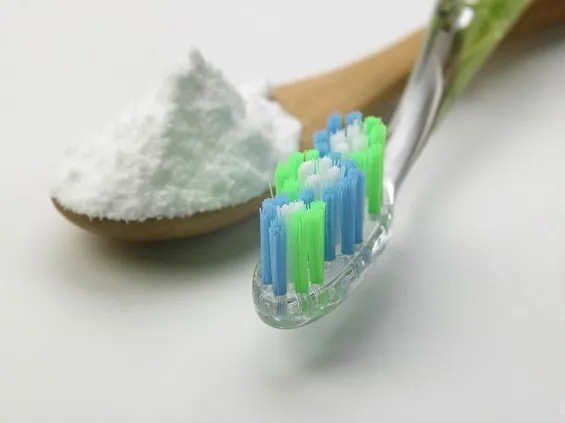
What is Baking Soda and How Does It Work for Teeth Whitening
Baking soda, also known as sodium bicarbonate, is a common household ingredient with a wide range of uses, from baking to cleaning. Its abrasive properties make it a popular choice for teeth whitening, as it can help remove surface stains. But what exactly makes this simple compound effective in brightening your smile? Understanding the science behind baking soda’s action is crucial before you start using it for teeth whitening. Baking soda is a mild abrasive and is known for its cleaning and deodorizing properties. It is a naturally occurring substance, which is a bonus for those looking for more natural methods for personal care. When it comes to teeth whitening, its ability to gently scrub away stains, combined with its slightly alkaline nature, plays a significant role in its effectiveness. It is readily available and inexpensive, making it an accessible option for many looking to improve the appearance of their teeth.
The Science Behind Baking Soda’s Whitening Power
The science behind baking soda’s whitening power lies in its mild abrasiveness and alkaline nature. As a mild abrasive, baking soda can gently scrub away surface stains caused by food, drinks, and tobacco. These stains are often the culprit behind a dull or yellowed appearance of teeth. The physical action of scrubbing helps to lift and remove these stains, revealing the natural whiteness of your teeth. Furthermore, baking soda has a slightly alkaline pH, which helps to neutralize acids in the mouth. Acids can erode tooth enamel, making teeth more susceptible to staining and discoloration. By reducing acidity, baking soda helps create an environment that is less conducive to stain formation. The combination of these two properties makes baking soda a practical, yet somewhat gentle, agent for improving the appearance of your teeth.
How Baking Soda Removes Stains

Baking soda removes stains through a combination of physical and chemical actions. The mild abrasive nature of baking soda allows it to gently scrub away the stains that adhere to the tooth surface. These stains are often caused by chromogens, which are color-producing compounds found in foods and beverages like coffee, tea, and berries. This physical removal is the primary mechanism by which baking soda brightens teeth. Additionally, baking soda can help break down the complex organic compounds that make up these stains. The abrasive action helps to lift and dislodge these particles, making them easier to remove during brushing. This action, combined with its ability to neutralize acids, contributes to its stain-removing efficacy. It is important to note that baking soda is most effective on surface stains, and may not significantly alter the color of teeth that are naturally discolored or have internal stains.
Step by Step How to Use Baking Soda for Teeth Whitening
Using baking soda for teeth whitening is a straightforward process, but it’s essential to follow the steps carefully to achieve the best results and minimize potential risks. Here’s a detailed guide to ensure safe and effective usage. Remember, consistency and proper technique are key to seeing noticeable improvements in the appearance of your teeth.
Gathering Your Supplies
Before starting, gather all necessary supplies to make the process seamless. You’ll need baking soda, a small container (like a clean cup or bowl) for mixing, water, a soft-bristled toothbrush, and potentially a small spoon or spatula for measuring. Make sure the toothbrush is soft to avoid damaging your enamel. Using fresh baking soda is also recommended to ensure its effectiveness. Ensure that all items are clean to maintain good oral hygiene practices and avoid introducing any unwanted bacteria into your mouth. Having everything ready will make the process smoother and more enjoyable.
Mixing Baking Soda with Water

The next step is preparing the baking soda paste. Place a small amount of baking soda (about one teaspoon) into the small container. Gradually add water, a few drops at a time, mixing until you achieve a paste-like consistency. The paste should not be too thick or too runny; it should easily adhere to your toothbrush. You’re aiming for a consistency that is similar to toothpaste. It is also a good idea to start with a small amount to make sure you can handle the taste and feel of the baking soda mixture. Proper consistency ensures that the baking soda can effectively coat the teeth for optimal cleaning and whitening.
Brushing Technique for Whitening
When brushing with the baking soda paste, use gentle circular motions. Avoid aggressive scrubbing, as this can damage your enamel and gums. Brush all surfaces of your teeth, including the front, back, and chewing surfaces. Make sure to spend a couple of minutes thoroughly cleaning each tooth. Focus on areas with visible stains, but be gentle. Rinse your mouth well with water after brushing, and then brush with regular toothpaste to remove any remaining baking soda taste and ensure comprehensive cleaning. Brushing correctly ensures effective stain removal while minimizing the risk of any harm to your teeth and gums.
Frequency and Duration
It’s essential to use baking soda for teeth whitening sparingly to prevent any potential damage. The recommended frequency is once or twice a week, at most. Overuse can erode enamel, leading to increased sensitivity and other dental issues. The duration of brushing should be similar to your regular brushing time, usually about two minutes. Consistency is key; however, be patient and do not expect immediate results. Visible improvements will come with regular, careful use over several weeks. Always monitor your teeth for any signs of sensitivity or changes, and adjust your usage accordingly, or consult a dentist.
Alternative Methods and Combinations

While using baking soda on its own can be effective for teeth whitening, some people explore combining it with other ingredients to boost its effects. However, it is important to approach these combinations with caution and awareness of the potential risks. It is crucial to research and understand the properties of any additional ingredients, and how they interact with baking soda. Always prioritize your dental health and if you are unsure, consult a dentist before trying any new method. Here are a few alternative methods and combinations that are sometimes discussed.
Baking Soda and Hydrogen Peroxide
One popular combination involves mixing baking soda with hydrogen peroxide. Hydrogen peroxide is a mild antiseptic and oxidizing agent that can help with whitening teeth by penetrating the enamel and breaking down stains. To use this method, mix a small amount of baking soda with hydrogen peroxide to form a paste. Brush your teeth with this mixture for about a minute or two, and then rinse thoroughly. This combination can be more effective than using baking soda alone. However, be cautious when using hydrogen peroxide. It should be used at a low concentration (usually 3%) to avoid irritating the gums or damaging the enamel. It is important to note that the efficacy and safety of this method can vary depending on the individual. Use sparingly and consult your dentist for advice.
Baking Soda and Lemon Juice
Another combination sometimes suggested is mixing baking soda with lemon juice. Lemon juice is a natural bleaching agent due to its high citric acid content. This combination can potentially enhance the whitening effects of baking soda. However, this is not a recommended combination. Lemon juice is highly acidic, and the acidity can erode enamel, making teeth more vulnerable to damage and sensitivity. Mixing lemon juice with baking soda can create a chemical reaction that produces bubbles. This combination could be overly abrasive. If you choose to try this method, use it very sparingly (e.g., once a month) and rinse your mouth thoroughly with water after brushing. Due to the potential risks, it’s essential to consult with a dentist before trying this combination to assess if it is safe for your teeth.
Important Precautions and Safety Measures

While baking soda can be a useful addition to your oral hygiene routine, it’s essential to take precautions to ensure its safe and effective use. Being aware of the potential risks and following recommended guidelines can protect your teeth and gums. Proper usage includes understanding potential side effects and consulting with your dentist before making any changes to your oral hygiene routine. Protecting your teeth from damage should always be the priority, so practice these safety measures and be aware of any changes in your oral health.
Potential Side Effects and Risks
Using baking soda for teeth whitening carries several potential side effects and risks, particularly if used improperly or too frequently. The main concern is the abrasive nature of baking soda, which, if overused, can erode the enamel. Enamel erosion can lead to increased tooth sensitivity to hot or cold foods and drinks. It can also make teeth more susceptible to cavities and decay. Furthermore, excessive use can irritate the gums, leading to inflammation and discomfort. Some people may experience a temporary burning sensation or altered taste after brushing with baking soda. If you notice any of these side effects, it is important to discontinue use immediately and consult with a dentist. It is crucial to prioritize dental health and protect your enamel.
Consulting Your Dentist
Before incorporating baking soda into your oral hygiene routine, it is highly recommended to consult your dentist. A dentist can assess the current condition of your teeth and gums and advise you on whether using baking soda is appropriate for you. They can also offer personalized advice on how to use it safely and effectively. Regular dental check-ups are crucial to monitor the effects of baking soda on your teeth and address any potential issues. If you have sensitive teeth, gum problems, or other dental conditions, it is especially important to seek professional guidance. Your dentist may suggest alternative whitening methods or provide instructions for managing any side effects. They can also guide you on the frequency of use to avoid enamel erosion. Maintaining a good relationship with your dentist is key to ensuring optimal oral health.
Expected Results and Realistic Expectations

When using baking soda for teeth whitening, it’s important to have realistic expectations about the results. While baking soda can help remove surface stains and brighten teeth, it’s unlikely to produce dramatic whitening effects. The results will also vary from person to person, depending on the type and severity of stains, as well as the natural shade of your teeth. The effectiveness of baking soda is usually most noticeable on surface stains caused by coffee, tea, or tobacco. Internal stains, such as those caused by aging, genetics, or certain medications, may not be significantly affected. Consistency is key, as it may take several weeks or months of regular use to see noticeable improvements. Be patient and continue with the advised brushing frequency. If you’re looking for more dramatic whitening, consider professional treatments like teeth whitening. Remember that maintaining a good oral hygiene routine is important for long-term health, regardless of the whitening method you choose.