Top 5 Facts About White Diet After Teeth Whitening
Undergoing teeth whitening is a significant step toward achieving a brighter, more confident smile. However, the process doesn’t end with the treatment itself. One of the most crucial aspects of maintaining your newly whitened teeth is adhering to a white diet. This dietary plan involves consuming foods and beverages that are less likely to stain your teeth, thereby preserving the results of your whitening treatment. In this article, we’ll delve into the top 5 facts you need to know about the white diet after teeth whitening, providing you with the essential information to make informed choices and keep your smile shining.
Why White Diet is Crucial After Whitening
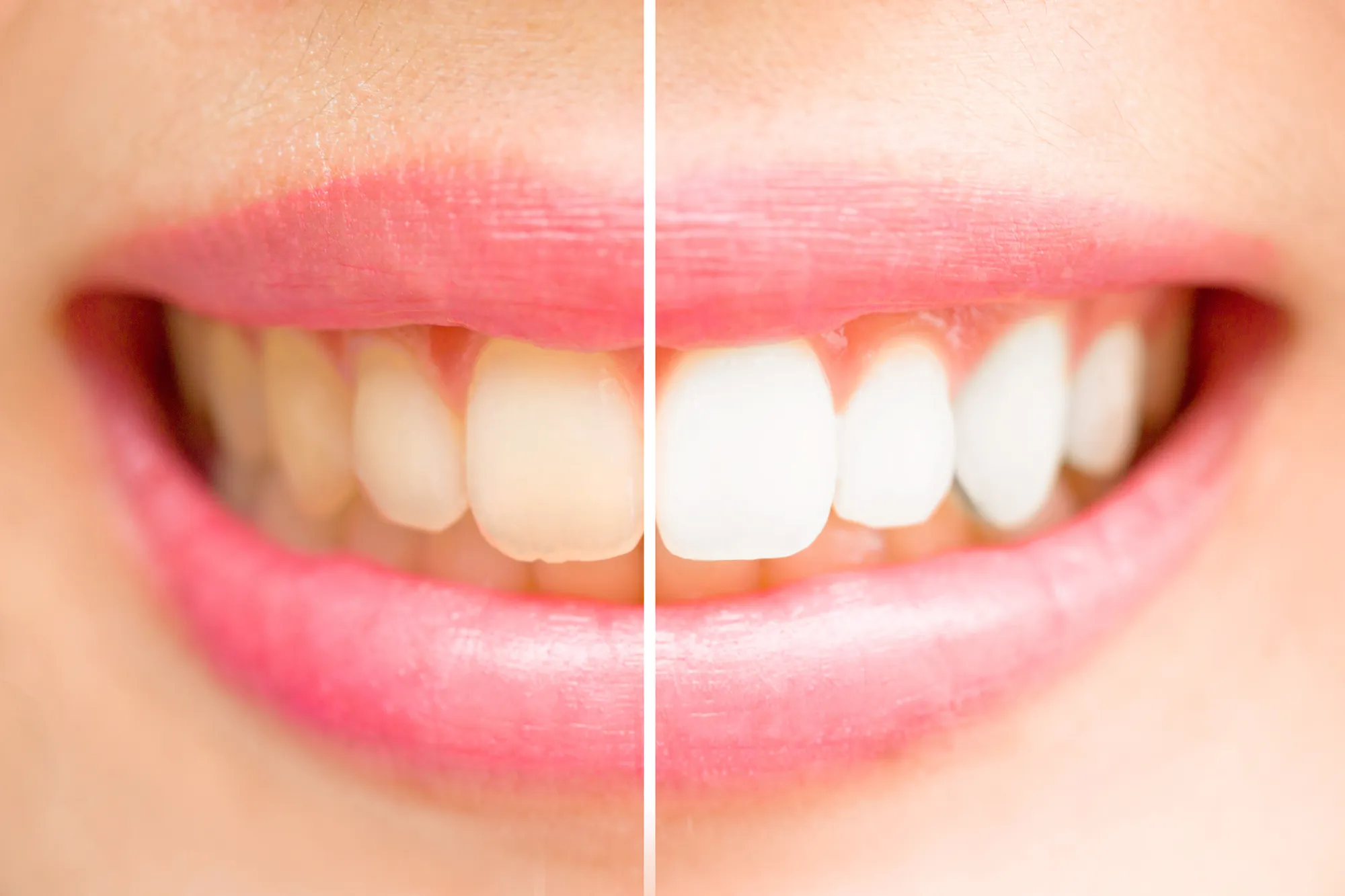
The primary reason for following a white diet after teeth whitening is to prevent staining. During the whitening process, the enamel of your teeth becomes temporarily porous. This means that your teeth are more susceptible to absorbing pigments from the foods and drinks you consume. Staining agents like those found in coffee, tea, red wine, and deeply colored fruits can easily penetrate the enamel and compromise the whitening results. Following a white diet minimizes the risk of these pigments affecting your teeth, allowing the whitening treatment to fully set and your smile to remain bright. It’s about protecting your investment and ensuring the longevity of your dazzling new smile.
Foods to Avoid During White Diet

Knowing which foods to avoid is just as important as knowing which ones to eat. The white diet restricts items that can cause staining or discoloration. This includes highly pigmented foods and drinks, such as coffee, tea, red wine, dark sodas, and fruit juices. Additionally, you should steer clear of deeply colored fruits like berries, cherries, and grapes. Vegetables with strong colors like beets, carrots, and spinach should also be avoided. Sauces and seasonings like soy sauce, curry, and balsamic vinegar pose a risk, as do processed foods with artificial coloring. By carefully avoiding these items, you significantly reduce the chance of staining your freshly whitened teeth.
Foods You Can Eat During White Diet
While the white diet restricts many foods, there are plenty of delicious and safe alternatives. Focus on consuming foods that are naturally white or pale in color. This includes dairy products like milk, yogurt, and cheese, as well as white-fleshed fruits such as bananas and peeled apples. Certain vegetables, like cauliflower, white potatoes (without the skin), and parsnips, are also good choices. You can also enjoy plain pasta, rice, and white bread. It’s essential to stay hydrated by drinking plenty of water, which also helps in maintaining oral hygiene. Incorporating a variety of these foods into your meals can make the white diet both enjoyable and effective.
How Long Should You Stick to White Diet
The duration for which you should follow the white diet can vary, but generally, it’s recommended to adhere to it for at least one to two weeks after your teeth whitening treatment. This period allows the enamel to stabilize and become less porous, minimizing the risk of staining. Some dentists may recommend a longer duration, depending on the type of whitening treatment you’ve had and your individual oral health. After the initial period, you can gradually reintroduce other foods into your diet, but it’s wise to continue to exercise caution with highly pigmented items for a while longer. Regularly check with your dentist or dental hygienist for personalized advice on how long you should maintain the white diet.
Tips for Maintaining a White Diet

Maintaining the white diet can be made easier with some helpful tips. Plan your meals in advance to ensure you have suitable options available. Read food labels carefully to avoid hidden dyes and colorings. When eating out, ask for recommendations and substitutions. When consuming foods or drinks that may stain, such as coffee, use a straw to minimize contact with your teeth. Rinse your mouth with water after meals and snacks to remove any lingering food particles. Maintaining good oral hygiene practices, including brushing and flossing regularly, also contributes to preserving your bright smile. By following these tips, you can make the white diet manageable and maximize the results of your teeth whitening treatment.
In conclusion, adhering to a white diet after teeth whitening is a critical step in preserving your bright smile. By understanding the reasons behind this dietary plan, knowing which foods to avoid and embrace, and following helpful tips, you can ensure that your teeth whitening results last longer. Remember to consult your dentist for personalized advice and always prioritize your oral health. By making informed choices, you can confidently maintain a dazzling, white smile.