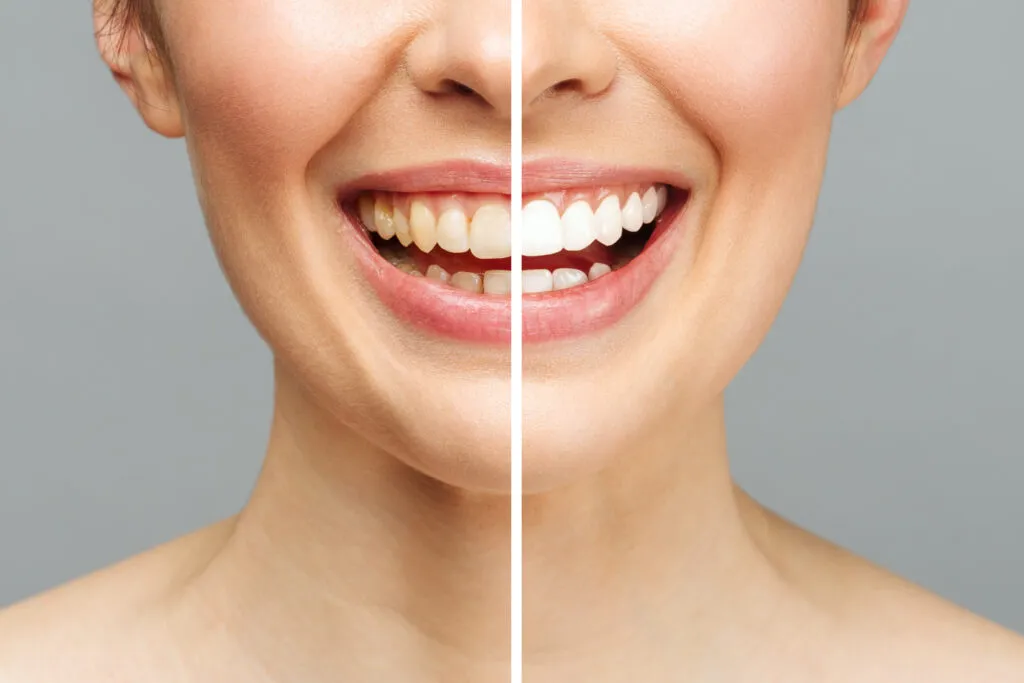
Teeth Whitening vs Veneers Overview
Choosing between teeth whitening and veneers is a common dilemma for those seeking a brighter, more aesthetically pleasing smile. Both procedures aim to enhance the appearance of your teeth, but they differ significantly in their approach, cost, and the results they deliver. This article explores the key differences between teeth whitening and veneers, helping you make an informed decision about which option best suits your needs and goals. Understanding the pros and cons of each treatment will empower you to choose the most effective path toward achieving your desired smile. Consider factors such as your budget, the severity of the discoloration or damage, and your long-term expectations to determine the best option for you. A consultation with a dental professional is always recommended to assess your specific situation and receive personalized advice.
Teeth Whitening What It Is
Teeth whitening, also known as teeth bleaching, is a cosmetic dental procedure designed to lighten the color of your teeth. This is achieved by using bleaching agents that penetrate the enamel and dentin, breaking down the stains and discoloration caused by food, drinks, aging, and smoking. There are various methods of teeth whitening available, including professional treatments performed by a dentist and at-home kits. The effectiveness of teeth whitening depends on the type of stains and the overall condition of your teeth. Over-the-counter products provide some level of whitening, but professional treatments typically deliver more dramatic and longer-lasting results. Regular maintenance, such as avoiding staining foods and beverages and practicing good oral hygiene, can help maintain the results of teeth whitening.
The Process of Teeth Whitening

The process of teeth whitening can vary depending on the method used. Professional teeth whitening usually involves the dentist applying a high-concentration bleaching agent to your teeth. This is often followed by the use of a special light or laser to accelerate the whitening process. The entire procedure typically takes about an hour, and you can see significant results after a single session. At-home whitening kits, on the other hand, involve using custom-fitted trays filled with a lower-concentration bleaching agent. You wear the trays for a specified amount of time each day, typically for a few weeks, until you achieve the desired shade. The results from at-home kits are generally less dramatic than those from professional treatments, but they can still be effective for mild to moderate stains. It’s important to follow the instructions carefully to avoid any potential side effects, such as tooth sensitivity.
Benefits of Teeth Whitening
The primary benefit of teeth whitening is a brighter, more attractive smile. Whitening can significantly boost your self-confidence and make you feel more comfortable in social situations. It is a relatively non-invasive procedure, making it a popular choice for those seeking cosmetic improvements. Teeth whitening can effectively remove stains caused by coffee, tea, tobacco, and aging, resulting in a more youthful appearance. The procedure is generally safe when performed by a dental professional or when using products as directed. Moreover, teeth whitening is a more affordable option compared to veneers, making it accessible to a wider range of patients. The ease and convenience of both professional and at-home treatments further contribute to its popularity, allowing you to achieve a brighter smile with minimal disruption to your daily routine.
Veneers What They Are
Veneers are thin, custom-made shells designed to cover the front surface of your teeth. They are made from porcelain or composite materials and are bonded to the tooth surface to improve the appearance of your smile. Veneers are used to correct various cosmetic issues, including discoloration, chips, cracks, gaps, and misalignment. Porcelain veneers are more durable and stain-resistant than composite veneers, but they are also more expensive. Veneers offer a more permanent solution compared to teeth whitening, providing a long-lasting transformation to your smile. They are a versatile option that can address multiple aesthetic concerns simultaneously, offering a comprehensive smile makeover. The choice between porcelain and composite veneers often depends on your budget, aesthetic goals, and the overall condition of your teeth, so consulting your dentist is crucial.
The Process of Veneers

The process of getting veneers typically involves several steps. First, your dentist will prepare your teeth by removing a small amount of enamel to accommodate the thickness of the veneers. Impressions of your teeth are then taken and sent to a dental laboratory, where the veneers are custom-made. This process can take several weeks. During this time, you might receive temporary veneers. Once the veneers are ready, your dentist will bond them to your teeth using a special cement. The dentist will then trim and adjust the veneers to ensure a perfect fit and comfortable bite. This procedure is more invasive than teeth whitening, as it requires altering the natural tooth structure. Regular check-ups and proper oral hygiene are essential to maintain the longevity and appearance of your veneers.
Benefits of Veneers
Veneers offer a dramatic transformation of your smile, correcting multiple cosmetic issues in one procedure. They provide a natural-looking appearance and can significantly enhance your confidence. Veneers are highly durable and can last for many years with proper care. They are stain-resistant, ensuring that your smile remains bright and attractive. Veneers can also correct minor alignment issues, creating a more symmetrical and aesthetically pleasing smile. They offer a more permanent solution compared to teeth whitening, making them a worthwhile investment for many individuals. Veneers can drastically improve the overall appearance of your teeth, boosting your self-esteem and leaving you with a smile you can be proud of. Proper oral hygiene practices are crucial to maintaining the longevity and appearance of your veneers.
Teeth Whitening vs Veneers Difference 1 Cost
Teeth Whitening Cost Breakdown

The cost of teeth whitening varies depending on the type of treatment. Professional in-office whitening is typically more expensive, ranging from a few hundred to a thousand dollars, but it offers immediate and more noticeable results. At-home whitening kits are more affordable, costing anywhere from a few dozen to several hundred dollars. The cost also depends on the brand and the strength of the whitening agent. The price of teeth whitening is generally lower than the cost of veneers, making it a more budget-friendly option for improving the appearance of your teeth. Keep in mind that you may need periodic touch-up treatments to maintain the results, which will add to the overall cost over time. Consider the long-term expenses and the frequency of maintenance when evaluating the cost of teeth whitening.
Veneers Cost Breakdown
The cost of veneers is significantly higher than teeth whitening. The price per veneer can range from several hundred to over a thousand dollars, depending on the material (porcelain or composite) and the complexity of the procedure. The total cost will increase depending on how many teeth are treated. Veneers are a more expensive investment, but they offer a more permanent solution and can address multiple cosmetic issues simultaneously. Factors that influence the cost include the dentist’s fees, the dental lab’s charges, and the geographic location. While the initial cost is higher, the long-term value of veneers can be substantial, given their durability and ability to transform your smile. It’s important to discuss the cost breakdown and payment options with your dentist before proceeding with veneers.
Teeth Whitening vs Veneers Difference 2 Procedure
Teeth Whitening Procedure

Teeth whitening is a relatively simple procedure. Professional whitening involves the dentist applying a concentrated whitening agent to your teeth and activating it with a special light or laser. This takes about an hour, and you’ll see immediate results. At-home whitening kits involve using custom-fitted trays filled with a lower-concentration whitening gel. You wear the trays for a specified amount of time each day, typically for a few weeks. The process is non-invasive, meaning no tooth structure is removed. However, some people may experience temporary tooth sensitivity or gum irritation. The procedure is generally straightforward and has minimal downtime. Maintaining good oral hygiene is crucial for prolonging the effects of teeth whitening.
Veneers Procedure
The veneers procedure is more involved. It starts with your dentist preparing your teeth by removing a small amount of enamel, which makes the process irreversible. Impressions of your teeth are taken and sent to a lab to create custom veneers. Temporary veneers are usually placed until the permanent ones are ready. Once the veneers are made, they are bonded to your teeth with dental cement. The dentist carefully adjusts the veneers to ensure a proper fit and bite. The entire process can take several weeks and requires multiple appointments. Veneers involve some level of tooth alteration, making them a more permanent and invasive option compared to teeth whitening. Follow-up appointments are necessary to monitor the veneers and maintain oral health.
Teeth Whitening vs Veneers Difference 3 Durability
Teeth Whitening Durability

The results of teeth whitening are not permanent. The longevity of teeth whitening depends on your lifestyle, diet, and oral hygiene habits. Generally, teeth whitening can last from several months to a few years. Regular maintenance, such as avoiding staining foods and beverages, and using a touch-up treatment can help maintain the results. Over time, your teeth may gradually re-stain. Factors like smoking and excessive consumption of coffee, tea, and red wine can shorten the lifespan of your whitening results. Regular dental check-ups and professional cleanings can also help to preserve the brightness of your smile. The need for touch-up treatments makes the overall cost of teeth whitening an ongoing expense.
Veneers Durability
Veneers are a more durable option. They can last for 10 to 15 years, or even longer, with proper care. The lifespan of veneers depends on the material used, your oral hygiene practices, and your eating habits. Porcelain veneers are typically more durable than composite veneers. Regular dental check-ups and cleanings are essential for maintaining your veneers. Avoiding habits like biting your nails or chewing on hard objects can also extend their lifespan. While veneers are a more permanent solution, they can chip or break, requiring repair or replacement. With proper care, veneers can provide a long-lasting improvement to your smile, making them a worthwhile investment for many.
Teeth Whitening vs Veneers Difference 4 Aesthetic Results
Teeth Whitening Aesthetic Results

Teeth whitening primarily improves the color of your teeth. It effectively removes stains and brightens your smile, making your teeth appear whiter. However, it does not address other aesthetic issues, such as chips, cracks, gaps, or misalignment. The results are limited to the shade of your teeth and may not be suitable for all types of discoloration. Some stains, like those caused by tetracycline, may be resistant to teeth whitening. The effectiveness of teeth whitening varies depending on the type and severity of the stains. While it can significantly improve the appearance of your smile, it does not offer the comprehensive transformation that veneers can provide. Maintaining good oral hygiene and avoiding staining foods and drinks can help to maximize the aesthetic results.
Veneers Aesthetic Results
Veneers offer a comprehensive aesthetic solution. They can correct multiple cosmetic issues, including discoloration, chips, cracks, gaps, and minor misalignment. Veneers provide a natural-looking appearance, transforming the overall look of your smile. The color, shape, and size of the veneers can be customized to achieve your desired aesthetic goals. Veneers offer a more dramatic and versatile improvement compared to teeth whitening. They can create a perfectly symmetrical and beautiful smile. The aesthetic results are long-lasting and can significantly boost your confidence. Veneers offer a complete smile makeover, addressing a wide range of dental imperfections and providing a stunning, long-lasting result.
Teeth Whitening vs Veneers Difference 5 Suitability
Who is a Good Candidate for Teeth Whitening
Teeth whitening is ideal for individuals with stained or discolored teeth. It’s best suited for those with mild to moderate staining caused by coffee, tea, tobacco, or aging. Good candidates have healthy teeth and gums, as whitening agents will not repair structural issues. If you have existing dental work, like fillings or crowns, teeth whitening will not change their color. It is a great option for anyone looking for a quick and relatively affordable way to brighten their smile. Regular maintenance and good oral hygiene are essential to keep your teeth white. Always consult with a dentist before starting any teeth whitening treatment to ensure it is safe and effective for your specific needs.
Who is a Good Candidate for Veneers
Veneers are suitable for individuals seeking significant cosmetic improvements. They are ideal for correcting severe discoloration, chips, cracks, gaps, and minor alignment issues. Good candidates have healthy teeth and gums, but veneers can address aesthetic concerns that teeth whitening cannot. Veneers are a good option if you are looking for a long-term solution to your dental problems. Veneers can also be used to reshape teeth and create a more symmetrical smile. Individuals with teeth grinding habits or those who clench their teeth may not be ideal candidates. The procedure is irreversible, so patients should be committed to proper care. It is essential to have a consultation with a dentist to determine if veneers are the right choice for you.