Understanding Teeth Whitening and Fillings
Embarking on a journey to a brighter smile often involves exploring the world of teeth whitening. However, if you have dental fillings, it’s crucial to understand how these treatments interact. This guide delves into the specifics of teeth whitening and its impact on fillings, helping you make informed decisions for your dental health. We’ll explore the mechanisms of teeth whitening, the different types of fillings, and how they respond to these treatments, ensuring you achieve the smile you desire without compromising your oral health. Knowing these details is essential to navigate the options and achieve the best possible results. Let’s dive into the details to unravel the intricacies of teeth whitening and fillings.
What is Teeth Whitening
Teeth whitening is a cosmetic dental procedure designed to lighten the shade of your teeth, reducing discoloration and staining. This process typically involves using bleaching agents, such as hydrogen peroxide or carbamide peroxide, to break down stain molecules within the enamel. The effectiveness of teeth whitening depends on the type of stains, the concentration of the bleaching agent, and the duration of the treatment. It is a popular procedure for enhancing the aesthetics of a smile, offering a non-invasive way to achieve a brighter, more youthful appearance. However, it is important to be aware of its limitations and potential impacts on existing dental work, such as fillings.
Types of Teeth Whitening

Teeth whitening treatments come in various forms, each with its own advantages and considerations. Understanding these different options is key to choosing the best method for your needs and existing dental work. From professional in-office treatments to convenient at-home kits, there’s a solution for virtually every budget and preference. It is important to evaluate your options, taking into account factors such as the severity of discoloration, your desired outcome, and the presence of dental fillings or other restorations.
Professional Whitening
Professional teeth whitening, performed by a dentist, offers the most potent and effective results. These treatments use high-concentration bleaching agents, often combined with special lights or lasers to accelerate the whitening process. The procedure is carried out in a controlled environment, minimizing the risk of gum irritation and ensuring optimal results. While professional whitening provides dramatic improvements, it’s essential to consider its impact on existing fillings. Because fillings do not whiten, the contrast between the whitened teeth and the fillings can become more apparent, potentially requiring further cosmetic adjustments to achieve a uniform smile.
At-Home Whitening
At-home teeth whitening kits offer a more convenient and affordable alternative to professional treatments. These kits typically include custom-fitted trays or strips containing lower concentrations of bleaching agents. While at-home options are less potent, they can still effectively lighten teeth over time. However, similar to professional whitening, at-home treatments do not whiten fillings. Careful consideration is needed when using these products, especially if you have fillings, as the contrast can be noticeable. Consulting with your dentist before starting any at-home whitening treatment is always recommended.
What are Dental Fillings

Dental fillings are materials used to restore the function and appearance of teeth damaged by decay or injury. These fillings seal the damaged area, preventing further decay and restoring the tooth’s original shape. Fillings not only protect the teeth but also improve the aesthetics of your smile. There are several types of fillings available, each with unique properties. The choice of filling material depends on the location and extent of the damage, as well as cosmetic considerations and the patient’s preferences. Understanding the various types of fillings is vital when considering teeth whitening, as the material of the filling impacts its response to bleaching treatments.
Types of Fillings
The world of dental fillings offers a variety of materials, each designed to address different needs and preferences. The type of filling material used can significantly impact its appearance and longevity. From traditional options like amalgam to modern choices like composite resin, understanding these materials helps you make informed decisions about your dental health. Choosing the right type of filling is an important decision to be discussed with your dentist.
Amalgam Fillings
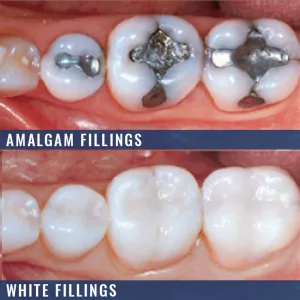
Amalgam fillings, often referred to as silver fillings, are made from a mixture of metals, including silver, tin, copper, and mercury. These fillings are durable and cost-effective, making them a common choice for many years. While amalgam fillings are strong, they do not blend seamlessly with the natural color of teeth. Moreover, amalgam fillings do not respond to teeth whitening treatments. When the surrounding teeth are whitened, the contrast between the silver filling and the brighter teeth becomes more apparent, which can affect the aesthetic appearance.
Composite Fillings

Composite fillings, also known as tooth-colored fillings, are made from a resin-based material that can be matched to the color of your natural teeth. This makes composite fillings a more aesthetically pleasing option than amalgam fillings. Composite fillings bond directly to the tooth structure, providing support and strength. However, like amalgam fillings, composite fillings do not whiten with teeth whitening treatments. They retain their original color, so after teeth whitening, the fillings may appear darker. This means that additional cosmetic adjustments may be needed to achieve a uniform and harmonious smile after teeth whitening procedures, and consultations with your dentist are critical.
The Difference Between Teeth Whitening and Fillings
A fundamental difference between teeth whitening and fillings lies in how they interact with the bleaching agents. Teeth whitening treatments, which use bleaching agents to penetrate the enamel and dentin, chemically alter the tooth structure, resulting in a lighter shade. In contrast, dental fillings are made of materials that do not respond to these whitening agents. Fillings are designed to restore the tooth and are not porous like natural tooth enamel. This means that when teeth are whitened, the natural teeth will lighten, while the fillings will remain the same color, creating a potential contrast. Understanding this difference is crucial for managing expectations and achieving a harmonious result.
Does Teeth Whitening Affect Fillings
Teeth whitening treatments do not directly affect the color of dental fillings. Fillings are made from materials that are not porous and do not absorb the bleaching agents used in teeth whitening. The whitening process lightens the natural tooth structure, which means that the teeth surrounding the filling will become lighter, while the filling itself remains the same shade. This contrast can sometimes make the filling appear more noticeable or darker, especially if the initial color of the filling was not perfectly matched to the natural tooth color. Therefore, it’s important to consider the aesthetic impact and discuss options with your dentist.
Why Fillings Don’t Whiten
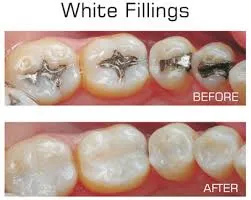
The reason fillings do not whiten is because of their composition and structure. Teeth whitening agents work by penetrating the porous enamel and dentin of the natural tooth, breaking down stain molecules. However, fillings are made of materials like composite resin or amalgam, which are not porous. The structure of the filling material is dense and does not allow the bleaching agents to penetrate and alter its color. Hence, fillings retain their original color, even when the surrounding teeth undergo whitening. This difference underscores the need for careful planning and consideration when undergoing teeth whitening treatments if you have fillings.
How to Whiten Teeth with Fillings
Although teeth whitening treatments do not whiten fillings, there are methods to achieve a uniform and aesthetically pleasing smile. If you have fillings and desire a brighter smile, consult with your dentist. They may recommend replacing the existing fillings with new ones that match the whitened shade of your teeth. This is particularly common with composite fillings, as it allows for a seamless blend between the fillings and the natural teeth. The dentist can also discuss other cosmetic options, such as veneers or bonding, to achieve the desired outcome. It is critical to discuss your goals with your dentist to determine the best approach.
Whitening Options for Composite Fillings
For individuals with composite fillings who wish to whiten their teeth, replacing the existing fillings is often the most effective approach. After teeth whitening, your dentist can replace the older fillings with new composite fillings that match the new, lighter shade of your teeth. This ensures a harmonious blend and a consistent appearance across all your teeth. This will provide a matching shade, and the results will be more natural. Before and after, ensure you have a discussion with your dentist.
Whitening Options for Amalgam Fillings

Amalgam fillings do not offer any whitening options. Because they are metallic, they cannot be whitened. The most effective option to improve the aesthetic appearance with amalgam fillings is to replace them with composite fillings, as mentioned before. This process involves removing the amalgam fillings and replacing them with tooth-colored composite fillings, allowing for a consistent shade after teeth whitening. Consult with your dentist to discuss the best solution for your needs and the overall health of your teeth. Also, discuss this process carefully, as it is invasive and should be discussed with an expert.
Maintaining Your Smile with Whitening and Fillings
Maintaining your smile with both teeth whitening and fillings requires a proactive approach to oral hygiene and regular dental care. A comprehensive dental routine, incorporating effective oral hygiene practices and consistent dental checkups, helps preserve the results of whitening treatments and keeps your fillings in optimal condition. Prioritizing oral health allows you to enjoy a beautiful, healthy smile. Let’s explore best practices for oral hygiene and the importance of regular dental checkups to ensure your smile remains bright and your fillings are well-maintained.
Best Practices for Oral Hygiene
Maintaining excellent oral hygiene is essential for preserving the results of teeth whitening and the longevity of your fillings. This involves brushing your teeth at least twice a day with fluoride toothpaste to remove plaque and prevent cavities. Flossing daily is equally important to remove food particles and plaque from between your teeth and around your fillings, preventing gum disease. Using an antibacterial mouthwash can further help reduce bacteria and keep your mouth clean. By adopting and consistently following these practices, you can protect your teeth and maintain a bright, healthy smile for years to come.
The Importance of Regular Dental Checkups

Regular dental checkups are critical for maintaining a healthy smile, especially when you have undergone teeth whitening and have fillings. During these visits, your dentist will thoroughly examine your teeth and fillings for any signs of decay, damage, or wear. They will also professionally clean your teeth, removing plaque and tartar that can cause staining and gum disease. Regular checkups help catch any issues early, preventing them from becoming more serious and costly. Additionally, your dentist can assess the condition of your fillings and make recommendations for any necessary replacements or adjustments. Consistent dental care is fundamental to the longevity of your fillings and the lasting effects of your teeth whitening.