Teeth Whitening vs Bleaching Key Differences
Are you looking to brighten your smile? The world of cosmetic dentistry offers various options, with teeth whitening and teeth bleaching being among the most popular. While the terms are often used interchangeably, significant differences exist between these two procedures. Understanding these distinctions is crucial for making an informed decision. This article explores five key differences between teeth whitening and bleaching, helping you determine which method is best suited for your needs. We’ll delve into the science behind each process, explore various methods, compare costs, discuss safety concerns, and highlight the ideal candidates for each treatment. By the end, you’ll have a clear understanding of the options available and be well-equipped to achieve a brighter, more confident smile.
The Science Behind Teeth Whitening
Both teeth whitening and bleaching aim to lighten the shade of your teeth, but they achieve this through different mechanisms. Understanding the science behind these processes is fundamental. The discoloration of teeth occurs due to staining from food, drinks (like coffee and tea), and the natural aging process. Both whitening and bleaching utilize chemical reactions to address these stains, but the specific agents and their concentrations vary. The key to understanding the difference lies in the active ingredients and how they interact with the tooth enamel.
How Whitening Works

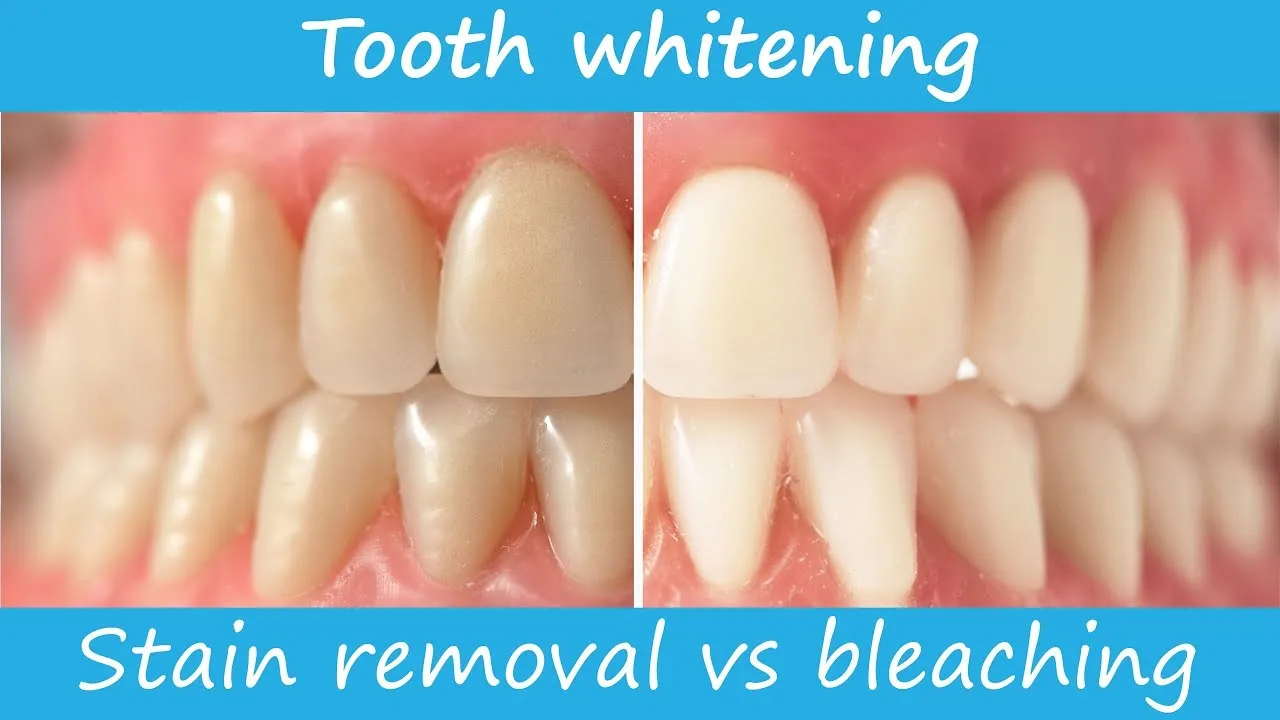
Teeth whitening products typically contain mild abrasive agents that remove surface stains. These agents often include ingredients like hydrogen peroxide or carbamide peroxide, but in lower concentrations compared to bleaching products. These ingredients break down the stain molecules on the tooth’s surface. Whitening is most effective on extrinsic stains – those located on the enamel’s surface. This method offers a gentler approach to brightening your teeth, often suitable for individuals with mild discoloration and is less likely to cause sensitivity. This is the process when someone has mild discoloration of the teeth.
How Bleaching Works
Bleaching, on the other hand, employs higher concentrations of bleaching agents, typically hydrogen peroxide or carbamide peroxide. These stronger chemicals penetrate the enamel and dentin, the layer beneath the enamel, to oxidize and break down deeper, intrinsic stains. Intrinsic stains are those that have penetrated the tooth structure. Bleaching can address a broader range of discoloration, including stains caused by aging, genetics, or certain medications. This method is generally more effective at producing dramatic results but may also carry a higher risk of side effects, such as tooth sensitivity and gum irritation. Bleaching usually requires a dentist’s supervision to ensure safe and effective treatment.
Whitening vs Bleaching Methods
The methods employed for teeth whitening and bleaching vary significantly, ranging from over-the-counter products to professional dental procedures. These differences in methods directly impact the effectiveness, cost, and convenience of the treatment. The choice of method often depends on the severity of the discoloration, the desired level of brightness, and personal preferences. It’s crucial to evaluate the options and consider your individual needs. Different methods mean different costs and results. Let’s look into that in more details.
Over-the-Counter Whitening Options

Over-the-counter (OTC) whitening products offer a convenient and affordable way to brighten your smile. These products are readily available at drugstores and supermarkets. Common OTC options include whitening toothpastes, strips, and gels. Whitening toothpastes typically contain mild abrasives that remove surface stains. Whitening strips and gels usually contain lower concentrations of peroxide, providing a gradual whitening effect. While OTC products can be effective for mild discoloration, they often produce less dramatic results than professional treatments. It’s essential to follow the product instructions carefully to avoid potential side effects, such as tooth sensitivity. Also, the effectiveness is highly variable, depending on the product and the severity of the stains.
Professional Bleaching Treatments
Professional bleaching treatments, performed by a dentist, offer the most effective and dramatic results. Dentists use higher concentrations of bleaching agents than OTC products. There are two primary types of professional bleaching teeth whitening procedures: in-office whitening and take-home whitening kits provided by your dentist. In-office whitening involves applying the bleaching agent directly to your teeth and using a special light or laser to enhance the process. This method provides rapid results, often in a single visit. Take-home kits involve custom-fitted trays and a bleaching gel provided by your dentist. You wear the trays for a specified amount of time each day. Professional treatments are safer and more effective than over-the-counter methods due to the supervision of a dental professional. They are suitable for more severe cases of discoloration and provide long-lasting results.
Effectiveness & Results of Whitening and Bleaching
The effectiveness of teeth whitening and bleaching depends on various factors, including the type of discoloration, the method used, and the individual’s oral health. While both methods aim to brighten your smile, they offer different levels of effectiveness. It’s important to have realistic expectations about the results you can achieve. Understanding the potential outcomes of each treatment helps you make the right decision. The results are usually measured by shades, which range from a range of white, such as the ivory and the pure white shades.
Whitening Results

Whitening treatments, such as those using OTC products, are generally effective for removing surface stains and brightening teeth by a few shades. Whitening toothpastes and strips can improve the appearance of mild discoloration caused by coffee, tea, or smoking. The results are often subtle and may require consistent use over several weeks. While whitening can make a noticeable difference, it may not be sufficient for more severe cases of discoloration. The results can vary depending on the product and the individual’s adherence to the instructions. Patients must be honest with their dentists to get the best results. This will help dentists to plan on how to whiten the teeth.
Bleaching Results
Bleaching treatments, especially professional procedures, typically deliver more dramatic and long-lasting results. These methods can lighten teeth by several shades, often achieving a significantly brighter smile. Professional bleaching can effectively address a broader range of discoloration, including intrinsic stains caused by aging, genetics, or certain medications. The results of professional bleaching are generally more consistent and predictable. The effectiveness of bleaching also depends on the individual’s oral health and the type of stains present. To maintain the results, it’s important to follow a good oral hygiene routine and avoid staining foods and drinks.
Cost Comparison Whitening vs Bleaching
The cost of teeth whitening and bleaching varies significantly depending on the chosen method, the location, and the dentist’s fees. Understanding the cost implications of each treatment is essential when making your decision. While the cost is an important factor, it’s crucial to consider the long-term value and the results you expect to achieve. The costs vary, and it’s a good idea to check with your local dentist about the prices and plans that are available. Different types of dental insurance plans also cover the cost of the procedures, depending on their conditions. Consider all the available options before committing to the procedure.
The Cost of Whitening

Over-the-counter whitening products are generally the most affordable option. Whitening toothpastes and strips typically cost between $5 and $50. The price varies depending on the brand and the product’s features. While these products are budget-friendly, they often require consistent use over a longer period to achieve noticeable results. It’s also important to consider the cost per treatment, as you’ll need to repurchase these products regularly. The prices can add up to a considerable amount with time. Keep in mind that the results may not be as dramatic as professional treatments.
The Cost of Bleaching
Professional bleaching treatments are typically more expensive than OTC options. The cost of professional whitening can range from $300 to $1,000 or more, depending on the type of treatment and the dentist’s fees. In-office whitening is generally more expensive than take-home kits. While the initial cost is higher, professional bleaching often provides more effective and long-lasting results. The cost of take-home kits can vary. You should consult with your dentist and compare prices to determine the best option for your budget. It’s important to ask about the total cost, including any follow-up appointments or maintenance treatments.
Safety and Side Effects of Teeth Whitening
Both teeth whitening and bleaching are generally considered safe when performed correctly. However, potential side effects and safety concerns exist. Understanding these risks is essential for making an informed decision and taking appropriate precautions. It’s always advisable to consult with a dental professional before undergoing any whitening treatment to ensure it’s safe for your specific oral health condition. The procedures usually carry fewer risks, and dentists are able to handle all the side effects.
Whitening Safety Concerns

Over-the-counter whitening products are generally safe when used as directed. However, some products may cause minor side effects, such as tooth sensitivity or gum irritation. It’s crucial to follow the product instructions carefully and avoid excessive use. Be cautious about products that make unrealistic claims or promise rapid results, as they may contain harsh chemicals. Always check for the ADA seal of acceptance, as it indicates that the product has been evaluated for safety and effectiveness. Excessive whitening can damage the enamel and cause enamel erosion, so it is important to be careful. If you have pre-existing dental conditions or concerns, consult your dentist before using OTC products.
Bleaching Side Effects
Professional bleaching treatments are generally safe when performed by a qualified dentist. However, some individuals may experience side effects, such as tooth sensitivity and gum irritation. These side effects are usually temporary and resolve within a few days. Dentists can take measures to minimize these side effects, such as using desensitizing agents or adjusting the concentration of the bleaching agent. In rare cases, excessive bleaching can cause damage to the enamel or soft tissues. Therefore, it’s crucial to have the treatment performed by a professional who can monitor your oral health and address any potential complications. Always disclose your medical history to your dentist before starting treatment.
Who Is a Good Candidate for Whitening or Bleaching?
The ideal candidate for teeth whitening or bleaching depends on various factors, including the type and severity of the discoloration, oral health, and individual preferences. Consulting with a dentist is the best way to determine which method is right for you. Some people may be better suited for whitening, while others may benefit more from bleaching. Understanding the characteristics of an ideal candidate can help you make an informed decision. The dentist will also tell you what to expect after the procedures. It is also important to practice good dental hygiene to maintain the whiteness of the teeth.
Ideal Candidates for Whitening

Teeth whitening is often suitable for individuals with mild surface stains caused by coffee, tea, smoking, or aging. It’s a good option for those seeking a subtle improvement in their smile. Individuals with sensitive teeth may also prefer whitening, as it typically involves lower concentrations of bleaching agents. Whitening is generally less expensive than bleaching, making it an affordable option for those on a budget. It’s important to have realistic expectations about the results. Consulting your dentist and doing some research can help you determine if it’s right for you.
Ideal Candidates for Bleaching
Professional bleaching is an ideal option for individuals with more severe discoloration, including intrinsic stains caused by genetics, medications, or trauma. It is also a good choice for those seeking more dramatic and long-lasting results. Those who are willing to invest in a professional treatment and want a brighter smile quickly may benefit from bleaching. Individuals with a good overall oral health are generally suitable candidates for bleaching. It’s important to discuss your goals and expectations with your dentist and inform your dental history.