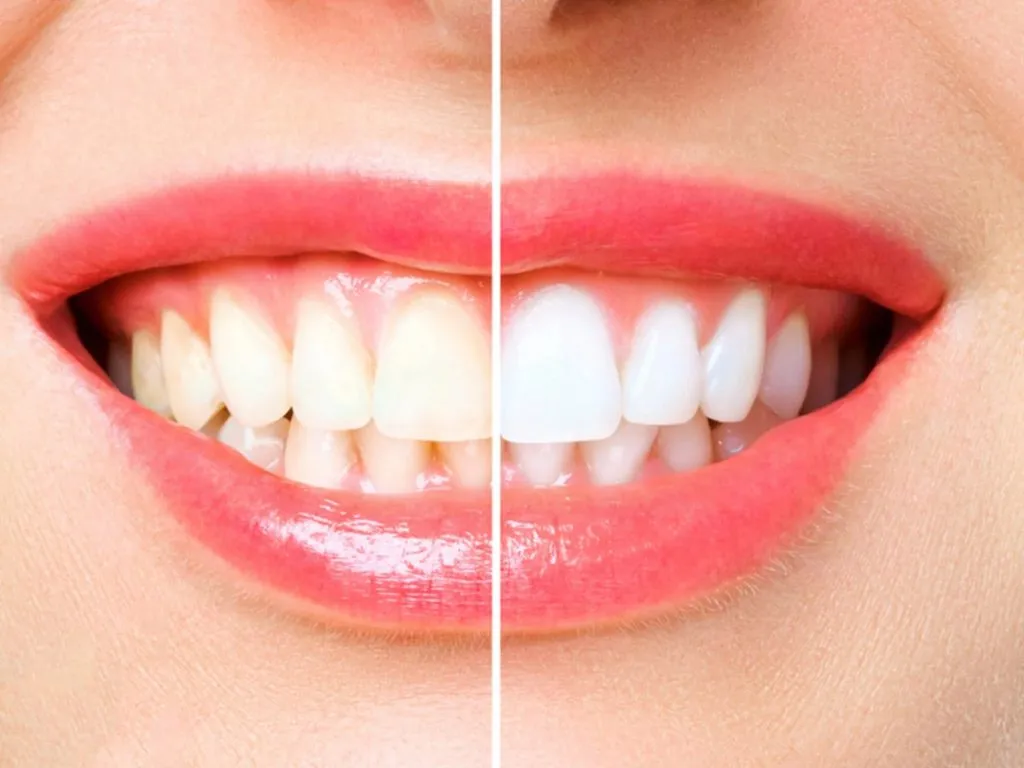
The Synergy of Tanning and Teeth Whitening
Achieving a radiant, healthy look often involves both a beautiful tan and a bright, white smile. While seemingly unrelated, the processes of tanning and teeth whitening can significantly influence each other. Understanding how these two beauty treatments interact is crucial for maximizing their benefits while minimizing potential risks. The pursuit of a perfect tan and a dazzling smile has become a common goal, and knowing the secrets to harmonizing these treatments is essential for anyone aiming for a complete and confident aesthetic. This guide will explore the relationship between tanning and teeth whitening, providing valuable insights and practical advice for achieving the best results.
Understanding the Impact of Tanning on Teeth
Tanning, whether through natural sunlight or artificial methods like tanning beds, can affect the appearance of your teeth in several ways. The most significant factor is the potential for increased sensitivity and changes in enamel. Moreover, the lifestyle choices often associated with tanning, such as frequent consumption of staining foods and drinks, can further impact tooth color. It’s essential to consider these factors to maintain a bright smile while enjoying a tan. The interaction between UV exposure and dental health is complex, and understanding this relationship is the first step toward achieving a harmonious balance between tanning and teeth whitening.
How UV Exposure Affects Teeth

UV exposure, a key element in tanning, can subtly affect the teeth. While direct UV exposure may not directly cause dramatic discoloration, it can impact the overall health and condition of the enamel. Prolonged UV exposure can potentially weaken the enamel, making teeth more susceptible to staining from food, drinks, and other external factors. It is important to note that the impact of UV rays on teeth can vary depending on the intensity of the exposure and the individual’s oral hygiene habits. Regular dental check-ups and proper care are crucial in mitigating the effects of UV exposure on teeth.
The Science Behind Teeth Staining and Discoloration
Teeth staining and discoloration are complex processes that can be influenced by a variety of factors, including diet, lifestyle, and genetics. The enamel’s porous nature allows stains to penetrate, leading to changes in tooth color. Consumption of coffee, tea, red wine, and certain foods can contribute to staining. Additionally, smoking and the use of tobacco products are significant contributors. The process of teeth whitening aims to remove these stains and restore the natural brightness of the teeth. Understanding the underlying science is essential for selecting effective whitening methods and maintaining a bright smile.
Optimizing Teeth Whitening for Tanners
For those who love to tan, optimizing teeth whitening strategies is vital. The goal is to achieve the brightest possible smile without compromising the health of your teeth or the longevity of your tan. This involves careful planning, choosing appropriate whitening methods, and maintaining good oral hygiene. Successfully combining these elements allows individuals to enjoy a sun-kissed glow and a sparkling white smile simultaneously. Integrating teeth whitening into a tanning routine requires a proactive approach and a commitment to maintaining overall dental health.
Timing Teeth Whitening with Tanning Schedule

Strategic timing is essential when planning teeth whitening in conjunction with tanning. It’s generally recommended to whiten your teeth before tanning. This allows you to achieve the desired level of brightness without the potential for increased sensitivity during or immediately after tanning sessions. If you tan frequently, consider scheduling your whitening treatments periodically. Avoiding harsh whitening treatments immediately before or after tanning can help minimize any adverse effects. Planning your treatments around your tanning schedule can help maintain a healthy balance.
Choosing the Right Whitening Method
Selecting the right teeth whitening method is crucial for tanners. Over-the-counter whitening products, such as strips and toothpastes, are readily accessible. However, for more significant results, professional treatments by a dentist might be a better choice. Professional whitening can provide more dramatic and immediate results. Consider your sensitivity levels, the desired outcome, and the advice of a dental professional when selecting a whitening method. Regardless of the chosen method, consistency and proper oral hygiene are essential for maintaining a bright smile.
Best Practices for Tanning While Maintaining a Bright Smile
Maintaining a bright smile while tanning requires a proactive approach to oral hygiene and sun care. This includes using sunscreen, staying hydrated, and avoiding foods and drinks known to stain teeth. Adhering to a consistent oral hygiene routine is the most important element. Consistent brushing, flossing, and regular dental check-ups can help prevent stains and maintain healthy teeth. By combining these practices, you can effectively enjoy your tan while preserving your radiant smile.
Sunscreen and Teeth Whitening Products

When tanning, protecting your skin with sunscreen is paramount. Choosing sunscreens that do not contain ingredients known to stain teeth can also be beneficial. Be mindful of your oral hygiene routine after applying sunscreen, as some formulas can potentially impact your teeth. Consider rinsing your mouth with water after applying sunscreen to minimize any potential staining. Selecting the right sunscreen and adhering to a solid oral hygiene plan will help safeguard your white teeth.
The Importance of Hydration
Staying hydrated is essential for overall health, and it also plays a significant role in oral health. Drinking plenty of water can help rinse away food particles and acids that contribute to staining. Adequate hydration supports saliva production, which naturally cleanses the mouth and helps to neutralize acids. Make it a habit to drink water throughout the day, especially before and after tanning sessions. Good hydration helps to enhance the effectiveness of whitening treatments while ensuring a healthy mouth.
Potential Risks and Solutions
While the combination of tanning and teeth whitening can be highly rewarding, it is important to be aware of potential risks and to take steps to mitigate them. Sensitivity and irritation are common concerns. By understanding the potential challenges and employing effective solutions, you can minimize any adverse effects and continue to enjoy a bright smile and a beautiful tan. This involves carefully considering your individual needs, choosing suitable products, and adhering to best practices.
Sensitivity and Irritation Management

Sensitivity and irritation are potential side effects of both tanning and teeth whitening. Sensitivity to UV exposure can sometimes manifest as heightened tooth sensitivity. Using desensitizing toothpaste or consulting with a dentist can help manage this. If you experience sensitivity after a whitening treatment, consider pausing your tanning schedule or using gentler whitening methods. When experiencing discomfort, seek advice from a dental professional to determine the underlying cause and best course of action. This ensures a comfortable and successful experience.
Alternatives to Traditional Tanning
If you’re concerned about the effects of tanning on your teeth, exploring alternatives is a wise choice. Self-tanning products provide a sun-kissed glow without UV exposure. Spray tans are another popular option that allows you to achieve a tan without spending time in the sun or a tanning bed. These alternatives can minimize potential risks and offer a convenient way to maintain a tan while prioritizing your oral health. Consider alternatives like spray tans or self-tanners to keep your teeth healthy and white.
Self-Tanning Products and Teeth
Self-tanning products are a fantastic alternative for those who want a tan without UV exposure. The great thing is that they do not typically affect your teeth directly. However, ensure you don’t allow the product to come into contact with your teeth to avoid staining or discoloration. Before applying self-tanner, you can take precautions such as applying a thin layer of lip balm or petroleum jelly to your teeth to prevent any accidental staining. Using self-tanners allows you to maintain a beautiful tan without worrying about how it might affect your teeth.
The Benefits of Tanning and Whitening Together

Successfully combining tanning and teeth whitening offers a synergistic effect, enhancing your overall appearance and boosting your confidence. A bright, white smile coupled with a sun-kissed glow creates a look of health and vitality. It can make you feel more confident and attractive. With the right approach, the combination can deliver truly remarkable results. By focusing on both aspects, you will find yourself radiating a natural, healthy glow.