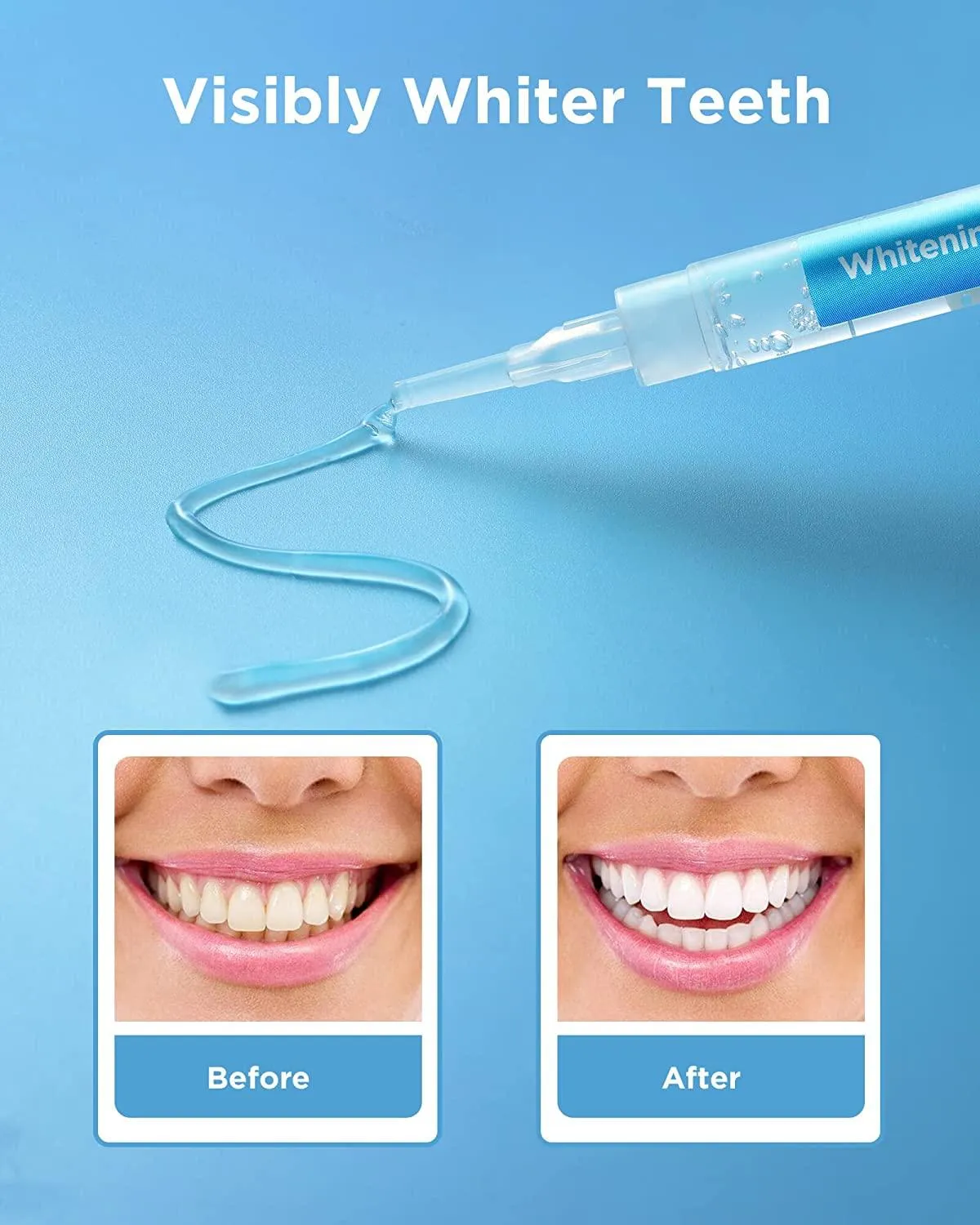
Understanding Teeth Whitening Syringes
In the quest for a brighter, more confident smile, teeth whitening has become a popular cosmetic procedure. Among the various methods available, teeth whitening syringes offer a convenient and often cost-effective way to achieve a dazzling smile from the comfort of your home. This comprehensive guide delves into the world of teeth whitening syringes, helping you navigate the choices, understand the process, and achieve the best possible results. Before you embark on this journey, it’s essential to understand what teeth whitening syringes are and how they work to ensure you’re making an informed decision for your dental health and aesthetic goals. This will empower you to make the right choice based on your individual needs and preferences.
What is a Teeth Whitening Syringe?
A teeth whitening syringe is a small, typically plastic, device containing a whitening agent. This agent is a gel-like substance designed to be applied directly to the teeth. The active ingredients in these gels are usually hydrogen peroxide or carbamide peroxide, which are bleaching agents that break down stains and discoloration on the enamel. The syringe design allows for precise application, ensuring the whitening agent comes into contact with the teeth surfaces. They are a key component in at-home teeth whitening kits, offering a user-friendly approach to enhancing your smile. The availability and ease of use have made them a favorite choice for individuals wanting to improve the brightness of their teeth without the need for extensive professional treatments.
How Does a Teeth Whitening Syringe Work?

The process of teeth whitening using a syringe is relatively straightforward. The whitening gel is applied to the teeth, usually using a custom-fitted or a universal tray. The active ingredient in the gel penetrates the enamel and breaks down the molecules that cause stains and discoloration. This process oxidizes the stains, making them less visible and resulting in whiter teeth. The amount of time the gel needs to remain on the teeth varies depending on the concentration of the active ingredient and the specific product instructions. After the recommended time, the tray is removed, and the teeth are rinsed. Results are typically visible after a few applications, with the degree of whitening varying based on individual factors like the type of stains and the initial shade of the teeth. Regular use, as directed, is key to achieving and maintaining the desired level of brightness.
Types of Teeth Whitening Syringes
Teeth whitening syringes primarily utilize two types of bleaching agents: hydrogen peroxide and carbamide peroxide. Each has its characteristics and benefits, making it important to understand the differences to choose the best option for your needs. The choice often depends on factors like the desired speed of results, tooth sensitivity, and the overall effectiveness of the product. Understanding the strengths of each option allows for a more informed decision, leading to more satisfying teeth whitening outcomes and a brighter, more confident smile.
Hydrogen Peroxide Syringes
Hydrogen peroxide is a potent bleaching agent often used in professional teeth whitening treatments. In teeth whitening syringes, it’s used in varying concentrations, typically from 3% to 20%. Due to its higher strength, hydrogen peroxide can provide faster results than carbamide peroxide. However, it may also increase the risk of tooth sensitivity. Products with hydrogen peroxide generally offer quicker whitening effects, making them a good choice if you are looking for rapid improvements in tooth shade. The instructions must be followed carefully to avoid overexposure, and it is often recommended to consult with a dentist before use, especially if you have sensitive teeth or other dental concerns. The speed of action makes hydrogen peroxide syringes a popular option, despite the potential for increased sensitivity.
Carbamide Peroxide Syringes

Carbamide peroxide is a gentler bleaching agent that breaks down into hydrogen peroxide over time. It’s often found in at-home teeth whitening kits and is available in concentrations typically ranging from 10% to 22%. Because of the slower release of hydrogen peroxide, carbamide peroxide is often considered a better option for those with sensitive teeth. It provides a more gradual whitening effect, reducing the likelihood of discomfort or increased sensitivity. Carbamide peroxide syringes are considered to be a more comfortable and less aggressive approach, although the whitening results might take longer to become noticeable compared to the ones with hydrogen peroxide. The sustained release of the active ingredient allows for a consistent whitening process, making it a preferred choice for individuals looking for a balance between effectiveness and comfort.
Choosing the Right Teeth Whitening Syringe
Selecting the appropriate teeth whitening syringe is essential for achieving the desired results while minimizing potential risks. Several factors, including the concentration of the active ingredient, application methods, and your dental health, play a crucial role in making an informed decision. Understanding these factors will help you choose a product that aligns with your needs and ensures a safe and effective teeth whitening experience. Consulting with a dentist can also offer valuable insights, allowing you to personalize your choice and optimize the treatment for your specific dental profile.
Concentration Levels
The concentration of the active ingredient (hydrogen peroxide or carbamide peroxide) in the syringe is a critical factor. Higher concentrations typically lead to faster whitening, but they can also increase the risk of sensitivity. Lower concentrations are gentler and suitable for those with sensitive teeth, although they may require more applications to achieve the desired results. When choosing, carefully consider your teeth’s sensitivity level and the speed at which you wish to see results. Start with a lower concentration if you are unsure, and monitor your teeth’s response. It is always advisable to follow the manufacturer’s instructions and consider professional advice to determine the most appropriate concentration for your individual needs.
Application Methods

Teeth whitening syringes are often used with custom-fitted or pre-formed trays. Custom trays, made by a dentist, provide a more precise fit, ensuring the whitening gel comes into contact with the teeth and minimizing exposure to the gums, thereby reducing the risk of irritation. Pre-formed trays are designed to be universal and are often easier to use. However, they may not fit as snugly, which can affect the efficiency of the whitening process. Consider the fit and ease of use when selecting a product, and ensure the application method suits your comfort level and dental needs. Following the instructions for application is crucial for achieving the best results while minimizing potential side effects.
Considerations for Sensitive Teeth
If you have sensitive teeth, choosing a teeth whitening syringe with a lower concentration of the active ingredient is recommended. Carbamide peroxide is often preferred because it releases hydrogen peroxide gradually, reducing the likelihood of sensitivity. Using a desensitizing toothpaste before and during treatment can also help alleviate discomfort. Always pay close attention to your teeth’s response and discontinue use if excessive sensitivity occurs. Consulting with your dentist can provide personalized advice and recommendations on products that are suitable for sensitive teeth. Prioritizing your comfort and dental health while pursuing teeth whitening ensures a positive experience.
Tips for Effective Teeth Whitening
To maximize the effectiveness of your teeth whitening syringe, it’s important to follow proper application techniques and avoid common mistakes. The aim is to achieve a brighter smile while minimizing any potential adverse effects. This section provides practical advice to help you get the most out of your teeth whitening treatment, ensuring that you achieve your desired results safely and efficiently. Careful adherence to these recommendations can help you maintain a healthy, radiant smile.
Proper Application Techniques

Before applying the whitening gel, brush your teeth thoroughly and floss to remove any food particles. Ensure the tray is clean and dry. Apply a small amount of the whitening gel to each tooth in the tray, following the manufacturer’s instructions. Insert the tray into your mouth, ensuring the gel covers the surface of your teeth. Avoid overfilling the tray, as this can lead to gum irritation. Wear the tray for the recommended time, usually between 30 minutes to a few hours, depending on the product. After the treatment time, remove the tray and rinse your mouth with water. Avoid eating or drinking anything other than water for at least an hour after each application. Regularly following these application techniques will enhance the effectiveness of the treatment and minimize the risk of side effects.
Avoiding Common Mistakes
Several mistakes can hinder the effectiveness of teeth whitening. Overusing the product or leaving the tray in for too long can increase tooth sensitivity and gum irritation. It’s crucial to adhere to the recommended treatment duration. Not brushing and flossing before application can trap food particles, affecting results. Consuming staining foods and drinks, such as coffee, tea, and red wine, during the treatment period can negate some of the whitening effects. Ignoring instructions about how to use the product can lead to unsatisfactory results. Regularly avoiding these common pitfalls will help you achieve the best possible whitening results and maintain the health of your teeth.
Maintaining Results
Maintaining the results of teeth whitening involves several steps. Avoid or minimize the consumption of staining foods and drinks. Regular brushing and flossing are vital to remove plaque and prevent stains from reoccurring. Consider using a whitening toothpaste for maintenance and regular dental checkups to monitor and address any potential issues. Touch-up treatments, as recommended by your dentist, can help preserve the brightness of your smile over time. A comprehensive approach to dental hygiene and dietary habits can help you enjoy a brighter, more confident smile for an extended period.
Potential Risks and Side Effects

While teeth whitening syringes are generally safe when used as directed, it’s important to be aware of potential risks and side effects. Understanding these can help you make informed decisions and take precautions to minimize any adverse outcomes. Consulting with a dentist can provide insights specific to your dental health profile and reduce the likelihood of complications. Knowing about the potential issues helps you make the safest choices and manage any problems effectively.
Sensitivity and Irritation
Tooth sensitivity is a common side effect of teeth whitening, characterized by a sharp pain or discomfort in the teeth. Gum irritation can also occur if the whitening gel comes into contact with the soft tissues. To minimize these issues, use products with lower concentrations of active ingredients, follow application instructions, and avoid over-treating your teeth. Using a desensitizing toothpaste before and after treatment can help reduce sensitivity. If these symptoms persist or worsen, consult your dentist immediately. Being informed about these potential side effects allows you to take proactive steps to mitigate the problems and continue your teeth whitening journey in a safe manner.
Enamel Damage
Excessive or improper use of teeth whitening products can potentially damage tooth enamel, making teeth more vulnerable to decay and erosion. This is usually not a major concern with over-the-counter products when used as directed. However, using high concentrations of bleaching agents or frequent treatments can increase the risk. Adhering to the recommended treatment duration and consulting a dentist can help you prevent enamel damage. Your dentist can assess your teeth’s condition and recommend a safe whitening plan, ensuring that you achieve a brighter smile without compromising the health of your enamel. Proper care and professional guidance help reduce the risks, letting you get the best results safely.
Alternatives to Teeth Whitening Syringes

If teeth whitening syringes are not the right choice for you, other alternatives can also help you achieve a brighter smile. Exploring different options is important, as you can find the solution that best suits your dental needs and preferences. From professional treatments to alternative home remedies, here are several options to consider before making a decision.
Professional teeth whitening, performed by a dentist, often involves the use of stronger bleaching agents and can provide faster results. Over-the-counter whitening strips are another popular choice, offering a convenient and easy-to-use method. Whitening toothpaste and mouthwashes can help remove surface stains and maintain results. For those seeking a more natural approach, some people try oil pulling with coconut oil or using baking soda. However, the efficacy of these natural methods is generally limited. Always consult with your dentist to determine the best option based on your specific needs and goals.