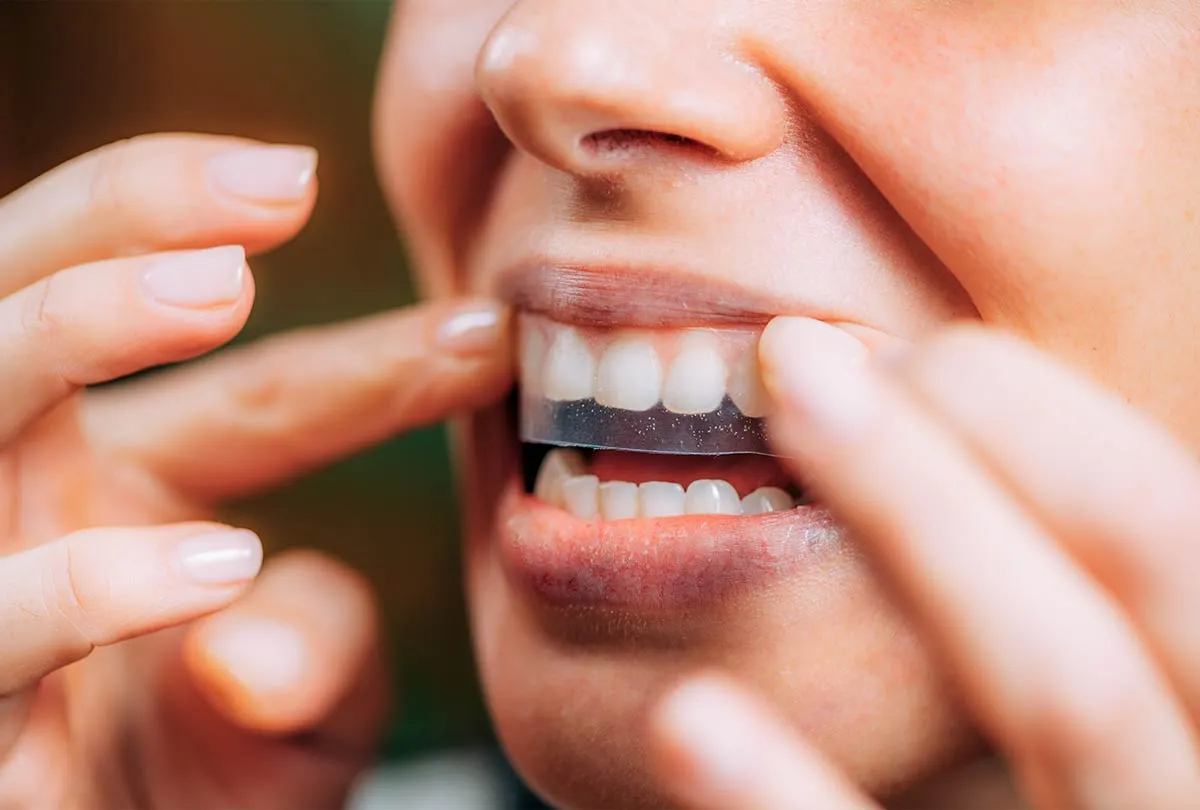
What Causes Teeth Pain After Whitening Strips?
Teeth whitening strips have become a popular method for achieving a brighter smile, but they can sometimes lead to a temporary but unpleasant side effect teeth pain. Understanding the underlying causes of this pain is crucial for both prevention and effective management. This section delves into the primary reasons why your teeth might ache after using whitening strips, providing a clear understanding of the processes at play. This will equip you with the knowledge to navigate the teeth whitening process more comfortably and safely, ensuring you achieve a dazzling smile without unnecessary discomfort. The pain experienced is rarely a sign of serious damage and is usually manageable.
Sensitivity Explained
Teeth sensitivity is the most common culprit behind pain after using whitening strips. The sensation arises when the tooth’s enamel, the protective outer layer, becomes temporarily porous due to the whitening process. This porosity allows the active ingredients in the strips, mainly hydrogen peroxide or carbamide peroxide, to penetrate the dentin layer beneath the enamel. The dentin contains tiny tubules that lead directly to the nerve endings in the tooth’s pulp. This allows for the active whitening ingredients to cause a reaction, leading to pain. The pain is often described as sharp, shooting, or throbbing, and it can be triggered by hot, cold, sweet, or acidic foods and drinks, or even by air.
How Whitening Strips Work

To understand why teeth whitening strips cause pain, it is important to grasp how they work. Whitening strips contain a bleaching agent, typically hydrogen peroxide or carbamide peroxide, which penetrates the enamel to break down stain molecules. These stain molecules are what cause the discoloration on the teeth. These bleaching agents work by releasing oxygen free radicals that target the stain molecules. The process is effective, as it can deliver a brighter smile in a matter of days or weeks. However, the same mechanism that breaks down stains can also cause the discomfort described. The concentration of the bleaching agent and how long it is left on the teeth play a significant role in both the whitening effect and the potential for pain.
The Role of Peroxide
Hydrogen peroxide is a potent oxidizing agent, and it is the primary active ingredient in most whitening strips. It works by reacting with the stain molecules embedded in the enamel. This chemical reaction helps in breaking down the stain into smaller, less visible components, which results in a brighter appearance of your teeth. While effective, this process can also cause sensitivity. Carbamide peroxide is another common ingredient, which breaks down into hydrogen peroxide when it comes into contact with water. The concentration of peroxide in whitening strips can vary, with higher concentrations often leading to more pronounced whitening effects but also a greater risk of pain.
Enamel Erosion and Sensitivity
Enamel erosion is not the primary cause of pain from whitening strips, but it can contribute to the problem if it exists. The whitening agents can, over time or with misuse, weaken the enamel to a small degree, making it more susceptible to sensitivity. Enamel is a hard mineralized substance that protects the inner layers of the teeth. Any damage to the enamel will expose the dentin, increasing the risk of sensitivity. Factors such as using strips too frequently or using high-concentration products can expedite this process. The healthier your enamel, the more resilient your teeth will be to the whitening process and its potential side effects. Prior to using strips, a dentist can check the current state of your enamel.
Factors That Increase Pain

Several factors can increase the likelihood and severity of teeth pain after using whitening strips. Understanding these factors can help you take preventive measures and minimize discomfort. This information is important, because some factors are under your control, allowing you to adjust your approach to teeth whitening. Be mindful of your teeth’s current condition and the products you are using. This proactive approach ensures you can achieve a brighter smile with minimal sensitivity.
Pre-existing Sensitivity
If you already have sensitive teeth, using whitening strips is likely to exacerbate the issue. Individuals with naturally thin enamel, receding gums, or other dental conditions that expose the dentin are more prone to experiencing pain. Before starting any teeth whitening regimen, it is advisable to consult your dentist. They can assess the current condition of your teeth and advise on whether whitening strips are suitable. If you already experience sensitivity, your dentist might recommend a desensitizing toothpaste, or other pre-treatment steps. It is important to always listen to your dentist’s recommendations.
Incorrect Application
The way you apply the whitening strips can also affect your level of pain. If the strips are not applied correctly, the bleaching agent can come into contact with the gums, leading to irritation and further sensitivity. Make sure to follow the manufacturer’s instructions carefully, applying the strips only to the teeth and avoiding contact with the gums. Overlapping the strips or using an excessive amount of product increases the risk of side effects. Applying strips with care will help decrease the sensitivity and pain experienced.
Overuse of Whitening Strips

Using whitening strips more often than recommended can significantly increase your risk of teeth pain. Overuse exposes the teeth to the bleaching agent for extended periods, weakening the enamel and increasing sensitivity. Always adhere to the instructions provided with the product and do not exceed the recommended frequency or duration of use. If you are aiming for faster results, it is better to consult your dentist about professional options. Giving your teeth adequate breaks between treatments is key to minimizing the risk of discomfort. Remember that a gradual approach is often the most effective and safest way to achieve your desired results.
Top 5 Facts About Teeth Pain After Whitening Strips
Understanding the intricacies of teeth pain caused by whitening strips allows you to better manage and potentially prevent the discomfort. Here are five key facts that summarize the most important aspects of this issue. These facts consolidate the information discussed earlier, giving you a quick reference guide to ensure that you are well-informed about this common side effect. You can improve your experience and enhance your knowledge about teeth whitening and care by familiarizing yourself with these facts. Remember, being informed and proactive can make the difference between a successful, pain-free whitening experience and a frustrating one.
Fact 1: Sensitivity is Common
Teeth sensitivity is a frequent side effect of teeth whitening strips. Many users experience some level of sensitivity, ranging from mild discomfort to more intense pain. The prevalence of sensitivity is due to the nature of the whitening process. While not everyone experiences it, it is a well-known consequence of the chemical reactions involved. Be prepared for the possibility and know that it is often temporary. You can proactively take steps to manage or lessen sensitivity before you start your treatment.
Fact 2: Not All Pain is the Same

The type and intensity of pain can vary from person to person. Some individuals may experience a mild tingling sensation, while others might feel sharp, shooting pains when exposed to hot or cold stimuli. The level of sensitivity depends on multiple factors, including the concentration of the whitening agent, the duration of application, and the individual’s baseline sensitivity. Knowing that the range of experience is wide can help you set realistic expectations and adjust your approach. Some people may be more sensitive than others, while others may be nearly unaffected. It’s all about you and your teeth!
Fact 3: Products Matter
The type and strength of the whitening strips you use significantly impact the likelihood and severity of pain. Strips with higher concentrations of hydrogen peroxide or carbamide peroxide tend to cause more sensitivity. Consider starting with a lower-concentration product, especially if you are using them for the first time or if you already have sensitive teeth. Researching different brands and reading reviews can help you find products that balance effectiveness with reduced sensitivity. Choosing the right product can make all the difference in your overall experience. Your dentist is a good resource for product recommendations.
Fact 4: Application Techniques
The way you apply the whitening strips is key to minimizing discomfort. Ensure the strips are applied correctly, covering the front surfaces of your teeth, and avoiding contact with your gums. Improper application can lead to gum irritation, which can make the overall sensitivity worse. Follow the manufacturer’s instructions carefully, including the recommended duration of use and any specific application techniques. If you find the strips uncomfortable, you can consider trimming them slightly to avoid gum contact. Applying with care ensures a smoother and more comfortable whitening process.
Fact 5: Consult Your Dentist

If you have concerns about teeth pain or any other dental issues, consult your dentist. Your dentist can assess the health of your teeth, offer personalized advice, and recommend suitable whitening options. They can also advise on the use of desensitizing products or other strategies to mitigate sensitivity. Regular dental check-ups are essential for maintaining oral health, especially when you are considering cosmetic procedures like teeth whitening. Don’t hesitate to ask for professional guidance from your dentist.
How to Manage Pain and Discomfort
Experiencing teeth pain after using whitening strips is usually temporary. However, there are several strategies you can use to manage discomfort and promote faster recovery. This section will focus on over-the-counter solutions, home remedies, and the importance of consulting your dentist. By implementing these measures, you can significantly reduce the impact of sensitivity and continue your teeth whitening process comfortably. A proactive and informed approach is the best way to tackle the issue and ensure that your teeth stay healthy.
Over-the-Counter Solutions
Several over-the-counter products can provide relief from teeth pain and sensitivity caused by whitening strips. These products are readily available at most pharmacies, offering quick and accessible solutions. Selecting the right product will help in reducing the effects of sensitivity. Always follow the instructions on the product labels and consult your dentist if you have any concerns.
Desensitizing Toothpaste

Desensitizing toothpaste is designed to block the tubules in your teeth, reducing sensitivity. These toothpastes usually contain ingredients such as potassium nitrate or stannous fluoride, which help to protect the nerves in your teeth from external stimuli. Using this toothpaste for a few weeks before and during the whitening process can significantly reduce pain. If you are already experiencing sensitivity, switching to a desensitizing toothpaste can provide immediate relief. Ensure you brush gently to avoid further irritating your teeth.
Pain Relievers
Over-the-counter pain relievers, such as ibuprofen or acetaminophen, can alleviate the discomfort associated with sensitive teeth. These medications can help you manage any pain while your teeth are healing. Always follow the recommended dosage instructions and avoid exceeding the maximum daily intake. Be aware of any potential side effects and consult a healthcare professional if you have any underlying health conditions or are taking other medications. This can help in providing you with pain relief.
Home Remedies
In addition to over-the-counter solutions, some home remedies can provide relief from teeth pain after using whitening strips. These methods are often simple and can be easily incorporated into your daily routine. Combining these remedies with commercial products can enhance your comfort during the teeth whitening process. Always listen to your body and stop the treatment if the pain gets to a level you cannot handle. The following remedies are often recommended, but it’s always best to consult with a dentist for personalized advice.
Avoid Cold and Hot Foods

Avoiding extremely cold or hot foods and drinks is crucial to minimize pain. These temperatures can trigger sensitivity in your teeth, causing sharp, shooting pains. Stick to lukewarm foods and beverages during and immediately after the whitening treatment. Wait until your teeth sensitivity subsides before reintroducing extreme temperatures to your diet. Being mindful of your diet will significantly reduce the likelihood of pain.
Gentle Brushing
Use a soft-bristled toothbrush and brush your teeth gently to avoid irritating your sensitive teeth. Harsh brushing can exacerbate sensitivity and potentially damage your enamel, making the pain worse. Brush your teeth using gentle, circular motions, and avoid applying excessive pressure. Using a soft-bristled toothbrush also reduces the risk of damaging your gums. Gentle brushing is essential for maintaining oral health and managing sensitivity.
When to See a Dentist
While teeth pain after using whitening strips is usually temporary, it is important to know when to seek professional help. A dentist can assess the health of your teeth and identify any underlying issues that might be contributing to the pain. Consulting your dentist is particularly important if the pain is severe, persistent, or accompanied by other symptoms. Knowing when to visit the dentist ensures you receive the appropriate care and prevent potential complications.