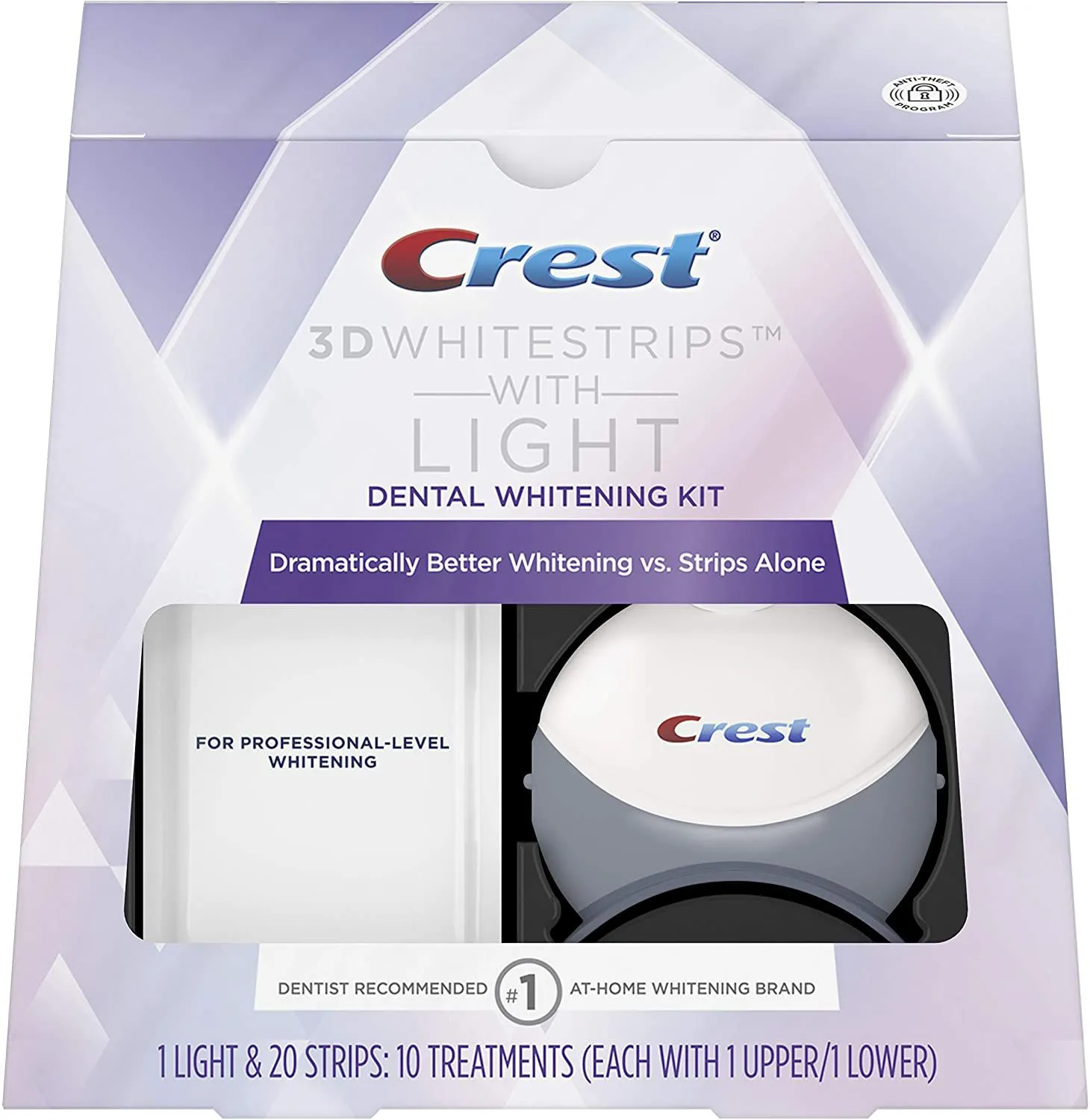
Understanding Teeth Whitening Strips
Achieving a brighter, more confident smile is a goal for many, and teeth whitening strips have become a popular and accessible solution. But with so many options available, choosing the right product can feel overwhelming. This guide will help you navigate the world of teeth whitening strips, understand how they work, and choose the best ones for your needs. By understanding the different types, key ingredients, and application techniques, you can confidently select a product that delivers effective and safe results. The journey to a dazzling smile starts with informed choices, so let’s dive in and uncover the secrets to selecting the perfect teeth whitening strips.
What are Teeth Whitening Strips?
Teeth whitening strips are thin, flexible strips coated with a whitening agent, typically a peroxide-based solution. They are designed to adhere to the surface of your teeth, delivering the active ingredients directly to the enamel. This targeted approach allows for a concentrated whitening effect, often leading to noticeable results within days or weeks. The convenience and affordability of these strips have made them a go-to choice for those seeking to enhance their smile. They are readily available over-the-counter, making them an easy addition to your daily oral care routine. The design ensures they comfortably fit over your teeth, maximizing contact with the whitening agent.
How Do Teeth Whitening Strips Work?

The primary mechanism behind teeth whitening strips involves the chemical reaction of the active whitening agent with the stains and discoloration on your teeth. The most common active ingredient is hydrogen peroxide or, in some cases, carbamide peroxide. These peroxides penetrate the enamel, breaking down the stain molecules and lightening the tooth’s overall color. The process is gentle yet effective, gradually removing surface stains and deeper discolorations. The strips work by creating direct contact between the whitening agent and your teeth. This helps to ensure an even distribution of the whitening agent and efficient stain removal. The duration and frequency of use, as recommended by the product instructions, are important to maximize the whitening effects while minimizing potential risks.
Types of Teeth Whitening Strips
Teeth whitening strips come in several variations, each with its own set of features and benefits. The main differences lie in the active ingredients, concentration of these ingredients, wear time, and additional features. Understanding these variations helps you choose a product that aligns with your specific needs and preferences. Some strips are designed for sensitive teeth, containing a lower concentration of peroxide to minimize irritation. Others offer faster results, using a higher concentration, but potentially increasing the risk of sensitivity. Always consider these factors, and refer to the product’s instructions for safety guidelines.
Whitening Strips with Hydrogen Peroxide
Hydrogen peroxide is the most widely used whitening agent in strips. It’s a potent bleaching agent that effectively breaks down stain molecules within the enamel. The concentration of hydrogen peroxide in these strips can vary, typically ranging from 6% to 14%. Higher concentrations often yield faster results, but they may also increase the risk of teeth sensitivity and gum irritation. These strips are generally recommended for those who don’t have sensitive teeth and are looking for noticeable results within a shorter period. Following product instructions carefully is crucial to ensure both effectiveness and safety. Be mindful of any discomfort and adjust usage as needed.
Whitening Strips with Non-Peroxide Options

For those with sensitive teeth or who prefer a gentler approach, non-peroxide whitening strips offer an alternative. These strips typically use ingredients such as sodium chlorite, which is a milder bleaching agent. While the results may be less dramatic and take longer to appear than those with hydrogen peroxide, the reduced risk of sensitivity can make them a preferred choice. Non-peroxide strips are often a good option for individuals prone to tooth sensitivity or those who want to avoid the potential side effects associated with stronger bleaching agents. While they may require a longer treatment duration, they can still deliver noticeable improvements in tooth color and brightness. Always read reviews to determine the effectiveness of each brand.
Factors to Consider When Choosing Strips
Selecting the right teeth whitening strips requires considering several factors to ensure you achieve the desired results safely and effectively. Your teeth sensitivity, the level of whitening you desire, and the time you are willing to commit to treatment all play a crucial role in the decision-making process. Understanding your specific needs and preferences allows you to narrow down the choices and select a product that best suits you. The product’s ingredients, wear time, and brand reputation should also be considered before purchase. Reading product reviews and consulting your dentist can provide valuable insights to make an informed choice.
Your Teeth Sensitivity
If you have sensitive teeth, choosing a whitening strip with a lower concentration of the active ingredient is vital. Look for strips specifically designed for sensitive teeth; these often contain a lower percentage of hydrogen peroxide or use alternative, gentler whitening agents. These products usually come with instructions that advise against extended wear times to further minimize the risk of irritation. Consider consulting your dentist before starting any whitening treatment if you have sensitive teeth, as they can offer personalized advice and recommendations to ensure a comfortable and effective experience. By choosing a sensitive-friendly option, you can still achieve a brighter smile without unnecessary discomfort.
Desired Whitening Level

The level of whitening you desire significantly influences the type of strip you should choose. If you’re looking for a subtle enhancement, a milder formula with a lower concentration of the active ingredient may be sufficient. For more dramatic results, a product with a higher concentration is usually necessary, but it may come with an increased risk of sensitivity. Consider your starting tooth shade and your expectations. Evaluate the product’s whitening potential and customer reviews to get an idea of the results you can expect. Be realistic about your goals; teeth whitening strips can effectively lighten the color of your teeth, but the ultimate shade is dependent on the natural color and the extent of the staining. The effectiveness of whitening strips varies from person to person and depends on the stain intensity.
Application and Wear Time
The application and wear time are key aspects of the treatment, which influence the effectiveness and convenience of using teeth whitening strips. Following the product instructions precisely is crucial for achieving optimal results while minimizing potential side effects. Most strips require application once or twice a day for a specified duration, ranging from 30 minutes to an hour, for a period of several days or weeks. Ensure your teeth are clean and dry before applying the strips. Press the strips firmly against your teeth, ensuring they fully cover the front surfaces, and avoid contact with the gums as much as possible. Consistent application, as directed, will yield the best results, and will promote the best stain removal.
The Best Teeth Whitening Strips Brands
Several brands dominate the teeth whitening strip market, each offering unique features and benefits. Crest, Colgate, and other well-known brands provide a wide range of products. Crest has a strong reputation for producing effective whitening strips, with various options catering to different needs, including sensitive teeth. Colgate also offers innovative formulas and convenient application methods. When selecting a brand, consider the product’s active ingredients, the presence of any additional features, such as the use of advanced technologies, and customer reviews. These reviews can provide insights into the effectiveness of the strips and the experience of other users. Evaluating multiple brands can help you find the best fit for your personal preferences. Choose the brand that offers the best combination of effectiveness, comfort, and value.
Popular Brands and Their Features

Crest 3D White strips are among the most popular, known for their effectiveness and broad range of options, from those designed for sensitive teeth to those offering faster results. Colgate Optic White strips are another top choice, known for their advanced whitening formulas and easy application. Some brands incorporate innovative technologies, such as enhanced adhesion or specialized whitening agents. Each brand has unique features; for example, some strips have a flexible design for better coverage, while others offer minty flavors for a more pleasant experience. Read customer reviews, and compare the features of various brands to make an informed decision. Consider factors such as ease of use, wear time, and the presence of any special ingredients.
Comparing Ingredients and Effectiveness
The ingredients used in teeth whitening strips, primarily the concentration of hydrogen peroxide, directly influence their effectiveness. Most strips use either hydrogen peroxide or carbamide peroxide as the active whitening agent. Higher concentrations generally lead to faster and more dramatic results, but they may also increase the risk of teeth sensitivity and gum irritation. It is important to compare the percentage of the active ingredient across different brands and products. Some strips include additional ingredients, such as desensitizing agents to reduce sensitivity, which may be particularly beneficial for those with sensitive teeth. The best strips combine effective whitening with a formula that minimizes the risk of discomfort. Research the specific ingredients and their effects to make the best choice.
How to Use Teeth Whitening Strips Correctly
Proper usage is essential for maximizing the effectiveness of teeth whitening strips while minimizing potential side effects. Begin with a clean and dry mouth. Brush your teeth gently before applying the strips, but do not brush immediately afterward. This ensures that the strips adhere properly and that the whitening agent can effectively contact the enamel. Follow the product’s instructions carefully, including the recommended wear time and frequency of use. Consistency is important, as regular application leads to better results. Ensure that the strips cover the front surfaces of your teeth and avoid contact with your gums, which can minimize irritation. If you notice any discomfort, such as sensitivity or irritation, stop using the strips and consult with your dentist for guidance.
Step-by-Step Application Guide

Start by brushing your teeth thoroughly, but do not brush immediately before applying the strips. Gently dry your teeth with a clean tissue to enhance adhesion. Peel the strip from its backing and apply the sticky side to your upper and lower teeth. Align the strips with your gum line and press firmly, ensuring they cover the front surfaces of your teeth. Fold any excess strip material behind the teeth to help secure it. Follow the product instructions regarding wear time. After the allotted time, remove the strips and discard them. Rinse your mouth with water to remove any residual whitening agent. Avoid eating or drinking for at least 30 minutes after the treatment to allow the whitening agent to fully perform.
Tips for Optimal Results
For best results, avoid consuming foods and drinks that can stain your teeth, such as coffee, tea, red wine, and dark berries, during the whitening treatment. Maintain good oral hygiene by brushing twice a day, flossing regularly, and using mouthwash to keep your teeth clean and healthy. Consider using a whitening toothpaste to maintain brightness between treatments. Follow the product instructions precisely and do not exceed the recommended wear time or frequency of use. If you have any concerns, such as tooth sensitivity or gum irritation, consult your dentist promptly. Be patient; whitening takes time, and consistent use is the key to achieving the desired results. Proper care and maintenance will extend the life of your bright, white smile.
Potential Side Effects and How to Manage Them
While teeth whitening strips are generally safe, some potential side effects may occur. These include teeth sensitivity and gum irritation, which are common, especially with higher-concentration products. Understanding these side effects and knowing how to manage them can help you have a more comfortable and effective experience. If you experience any of these side effects, it’s essential to take appropriate measures to reduce the impact. If symptoms persist or worsen, consult with your dentist. A proactive approach to addressing these side effects ensures a successful and comfortable whitening journey. The overall goal is to achieve a brighter smile without compromising oral health or comfort.
Teeth Sensitivity and Gum Irritation

Teeth sensitivity and gum irritation are the most common side effects of using teeth whitening strips. Sensitivity can manifest as a sharp, temporary pain when consuming cold or hot foods and drinks. Gum irritation might appear as redness, swelling, or a burning sensation in the gums. To manage sensitivity, consider using a toothpaste designed for sensitive teeth, containing ingredients like potassium nitrate. Avoid wearing the strips for longer than recommended, and try using them less frequently. If the irritation persists, you can reduce the application time or take a break from using the strips. For gum irritation, be careful not to apply the strips to the gums and rinse your mouth with water after removing the strips. If the irritation persists, consult your dentist.
Alternatives to Teeth Whitening Strips
While teeth whitening strips offer a convenient solution for enhancing your smile, various alternatives are available, each with its own advantages and considerations. Professional whitening treatments performed by a dentist can provide more dramatic and faster results. At-home whitening kits offer a middle ground, combining convenience with professional-grade ingredients. Knowing these alternatives can help you select the approach that best suits your needs and preferences. The choice between these various options depends on your budget, desired results, and comfort level. Each alternative offers a path toward a brighter, more radiant smile, providing you with options to achieve your goals. Consulting with your dentist can help you make an informed decision.
Professional Whitening Treatments
Professional teeth whitening treatments, conducted by a dentist, typically involve higher concentrations of whitening agents and can deliver more dramatic results than at-home methods. The dentist can provide a comprehensive evaluation of your oral health and address any underlying issues before beginning the whitening process. These treatments can often be completed in a single office visit, using light-activated methods to accelerate the whitening process. Professional treatments often involve custom-fitted trays to ensure even application and reduce the risk of gum irritation. Though they are more costly than at-home options, professional whitening can be a great choice for those seeking the most effective and long-lasting results. The dentist can also monitor your teeth throughout the procedure, ensuring the safety of your enamel and gums.
At-Home Whitening Kits

At-home whitening kits offer a convenient and cost-effective alternative to professional treatments. These kits often include custom-fitted trays and professional-grade whitening gel, allowing you to apply the product at your convenience. They provide a balance of effectiveness and affordability. The kits typically involve wearing the trays for a set amount of time each day for a few weeks, leading to noticeable whitening results. While not as potent as professional treatments, at-home kits are more effective than over-the-counter strips. Before using an at-home kit, your dentist may suggest a professional cleaning to remove surface stains and enhance the whitening results. Following the instructions carefully, including any recommendations for wear time and maintenance, will optimize the results.
Maintaining Your Bright Smile
Once you’ve achieved your desired level of whitening, maintaining your bright smile is key. Consistent oral hygiene, including brushing and flossing, helps to prevent new stains from forming. Regular dental checkups and cleanings are also crucial for removing any surface stains and ensuring your overall oral health. Adjusting your diet can also play a significant role in keeping your teeth white and bright. By following these practices, you can prolong the effects of your teeth whitening treatment and enjoy your beautiful smile for years to come. Maintain these good habits to prevent future staining and to keep your teeth healthy and beautiful. Proper care extends the life of your whitening treatment.
Consider using a whitening toothpaste and mouthwash to maintain brightness. These products contain mild abrasives or whitening agents that can help remove surface stains and prevent new ones from forming. By being proactive about your oral care, you can keep your smile looking its best. Regular visits to the dentist for professional cleanings and checkups help to identify and address potential issues early, keeping your teeth healthy and bright. Remember, a radiant smile is a sign of good oral health and confidence!