Top 5 Teeth Whitening Options in Rhode Island
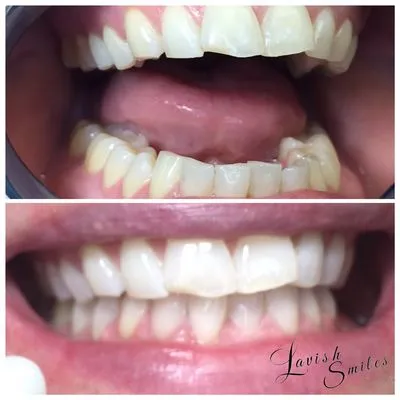
Are you dreaming of a brighter, more confident smile? Teeth whitening is a popular cosmetic dental procedure, and in Rhode Island, you have a variety of options to choose from. This guide explores the top five teeth whitening choices available in RI, helping you make an informed decision for a dazzling smile. Whether you are looking for an in-office treatment, an at-home kit, or other alternatives, understanding these options is the first step to achieving the pearly whites you desire. Let’s dive into the best ways to brighten your smile in the Ocean State!
Professional Teeth Whitening
Professional teeth whitening, performed by a dentist in Rhode Island, offers the most dramatic and immediate results. These treatments utilize high-concentration bleaching agents, often activated by a special light or laser. The process typically involves applying a protective barrier to your gums, followed by the whitening agent to your teeth. The entire procedure can be completed in a single office visit, making it a convenient option for those seeking quick and significant improvements. This method is ideal for individuals with stubborn stains or those who want the most effective whitening experience. The professional method is generally the most effective and can offer results in a single session.
In-Office Whitening Procedures
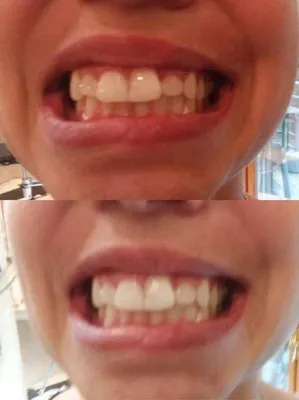
In-office whitening involves the application of a strong whitening gel to the teeth. This gel is often activated by a special light or laser, which accelerates the whitening process. The process is carefully monitored by a dental professional to ensure safety and effectiveness. The procedure typically takes about an hour and can lighten teeth several shades in one visit. Pre and post-treatment instructions will be given by your dentist to ensure that the results are as effective as possible and maintain the brightness. It is important to follow all of the dentist’s directions to optimize the results.
Benefits of Professional Whitening
The primary benefit of professional teeth whitening is the speed and intensity of the results. Dentists can use higher concentrations of whitening agents than what’s available over-the-counter, leading to more dramatic changes. Furthermore, professional whitening is performed under the supervision of a dental professional, minimizing the risk of gum irritation or other side effects. The dentist can also address any pre-existing dental conditions, such as cavities, that may impact the whitening outcome. Another benefit is that the results often last longer than those from at-home methods, and the process is tailored to your specific needs and teeth sensitivity.
At-Home Whitening Kits
For those who prefer a more convenient and cost-effective approach, at-home whitening kits offer a viable solution. These kits, available from your dentist or over-the-counter, typically include custom-fitted trays filled with a bleaching gel. The trays are worn for a specific amount of time each day, as directed by the product instructions or your dentist. At-home kits provide gradual whitening over a few weeks, allowing you to control the process and monitor the results. The degree of whitening can vary depending on the kit strength, the length of application, and the nature of your teeth. Always follow the instructions carefully to ensure safe and effective results.
Types of At-Home Kits
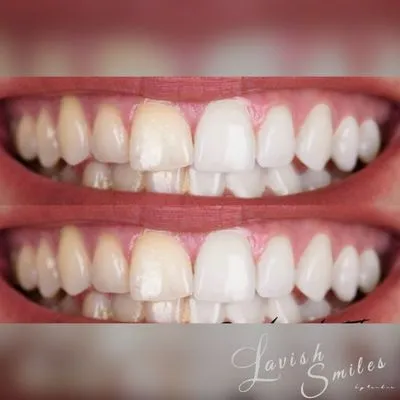
At-home whitening kits come in several forms, including custom trays provided by your dentist, pre-filled disposable trays, and whitening strips. Custom trays offer the best fit and ensure even distribution of the whitening agent, maximizing effectiveness. Pre-filled trays are a convenient option that requires no measuring or mixing. Whitening strips are thin, flexible strips coated with a whitening gel that are applied directly to your teeth. The different options provide varied levels of convenience and effectiveness, allowing you to select the best fit for your lifestyle and whitening goals. Choosing the right one will depend on the shade of your teeth and how quickly you want results.
Effectiveness of At-Home Kits
The effectiveness of at-home whitening kits depends on the type of kit, the concentration of the whitening agent, and your adherence to the instructions. Kits prescribed by a dentist often contain stronger bleaching agents and can deliver more noticeable results than over-the-counter options. Consistency is key; following the instructions carefully and wearing the trays or applying the strips as directed ensures the best outcome. While the results may not be as dramatic as professional whitening, at-home kits can still significantly improve the brightness of your teeth, providing a more affordable and convenient alternative. Always consult with a dentist before use to ensure suitability.
Over-the-Counter Whitening Products
Over-the-counter (OTC) whitening products are readily available at drugstores and supermarkets in Rhode Island. These products are generally less expensive and easier to access than professional treatments or prescription at-home kits. Common OTC options include whitening toothpastes, mouthwashes, and strips. These products often contain lower concentrations of bleaching agents and are designed for gradual whitening. While they may not produce the same dramatic results as professional treatments, they can help remove surface stains and maintain a brighter smile. Consider the specific ingredients and read reviews before purchasing to ensure they align with your goals and dental health needs.
Whitening Toothpastes and Rinses
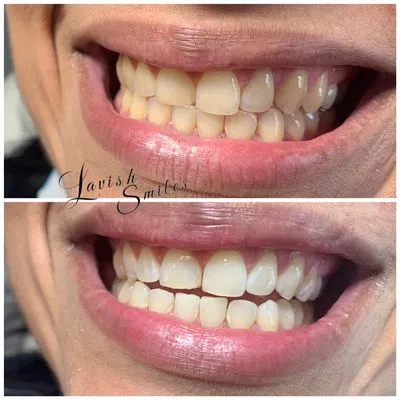
Whitening toothpastes and mouthwashes work by removing surface stains, primarily caused by food, drinks, and smoking. These products typically contain mild abrasives or chemical agents that help to polish the teeth and lift stains. While they can improve the overall brightness of your teeth, they don’t typically alter the natural color of your teeth. For this reason, they are more effective at removing stains than changing the tooth color. Regular use can help maintain a brighter smile and prevent new stains from forming. It is essential to check for the ADA seal of approval to ensure quality and safety.
Effectiveness and Limitations
Over-the-counter whitening products are most effective for removing surface stains. They are less effective at addressing deep-seated stains or significantly changing the natural color of your teeth. The results are usually gradual, and the level of whitening achieved is typically less than what you would get from professional treatments. Some users may also experience temporary sensitivity or irritation. While these products can be a helpful part of your oral hygiene routine, they are often not enough on their own. More dramatic results may require professional intervention. It’s important to manage expectations and determine what’s achievable with OTC products.
Teeth Whitening with Natural Remedies
Some people prefer to explore natural remedies for teeth whitening. These methods often involve using ingredients readily available at home and aim to gently lift stains and brighten teeth. While natural remedies can be appealing due to their accessibility and perceived safety, it is important to understand their effectiveness and any potential risks. Always consult with your dentist before trying natural whitening methods. Natural options are often less powerful than professionally designed treatments.
DIY Whitening Methods

Common DIY whitening methods include using baking soda and hydrogen peroxide, applying activated charcoal, or rinsing with coconut oil. Baking soda acts as a mild abrasive and can help remove surface stains, while hydrogen peroxide can have a mild bleaching effect. Activated charcoal is believed to absorb stains, and coconut oil pulling is thought to remove bacteria and toxins. However, the scientific evidence supporting the effectiveness of these methods is limited, and they may not produce significant whitening results. It is crucial to use these methods with caution and avoid excessive abrasion that could damage enamel.
Risks and Considerations
DIY whitening methods carry potential risks. Baking soda can be abrasive and may erode tooth enamel over time. Activated charcoal can also be abrasive and can stain dental work. Hydrogen peroxide, if used in high concentrations, can cause gum irritation or sensitivity. Coconut oil pulling is generally considered safe but may not provide significant whitening benefits. Before trying any natural remedies, consult with a dentist to ensure they are safe for your teeth and won’t cause any damage. Proper oral hygiene, along with regular dental check-ups, remains the best way to maintain a healthy and bright smile.
Choosing the Right Teeth Whitening Option
Choosing the right teeth whitening option in Rhode Island depends on your individual needs, preferences, and budget. Consider the extent of discoloration, your sensitivity level, and how quickly you want to see results. Professional whitening offers the most dramatic and immediate results, but it is also the most expensive option. At-home kits provide a more affordable and convenient alternative, but they require more time and commitment. Over-the-counter products are the least expensive and easiest to access but offer the least significant results. Thinking about these factors will help you make the best selection.
Factors to Consider

When choosing a teeth whitening option, consider factors such as the degree of staining, your budget, and your sensitivity to chemicals. If you have severe staining or want rapid results, professional whitening may be the best choice. If you have mild staining and want a more budget-friendly option, at-home kits or over-the-counter products might be suitable. If you have sensitive teeth, consult with your dentist to find a whitening method that minimizes discomfort. It’s essential to balance your desired results with your comfort level and financial limitations. Always consider long-term oral health and the potential impact on your teeth.
Consultation with a Dentist
Before starting any teeth whitening treatment, it is crucial to consult with a dentist in Rhode Island. A dental professional can assess your oral health, identify the cause of discoloration, and recommend the most appropriate whitening option for your specific needs. They can also ensure that your teeth and gums are healthy enough for whitening. Your dentist can provide professional guidance, discuss potential risks and benefits, and offer custom-made solutions. Consulting with a dentist ensures the safety and effectiveness of your teeth whitening journey. It is recommended to have your dentist check-up every six months for best results.
Cost Analysis
The cost of teeth whitening in Rhode Island varies depending on the method you choose. Professional whitening is typically the most expensive, but it offers the most significant results. At-home kits are generally more affordable, with costs varying based on the type and brand. Over-the-counter products are the least expensive, but their effectiveness is limited. Consider the overall value, including the cost of the treatment, the expected results, and the duration of the effects. Remember to compare prices from different dental practices and consider any additional costs, such as dental exams or custom trays. Making a budget before choosing your teeth whitening option will help you avoid any surprises.