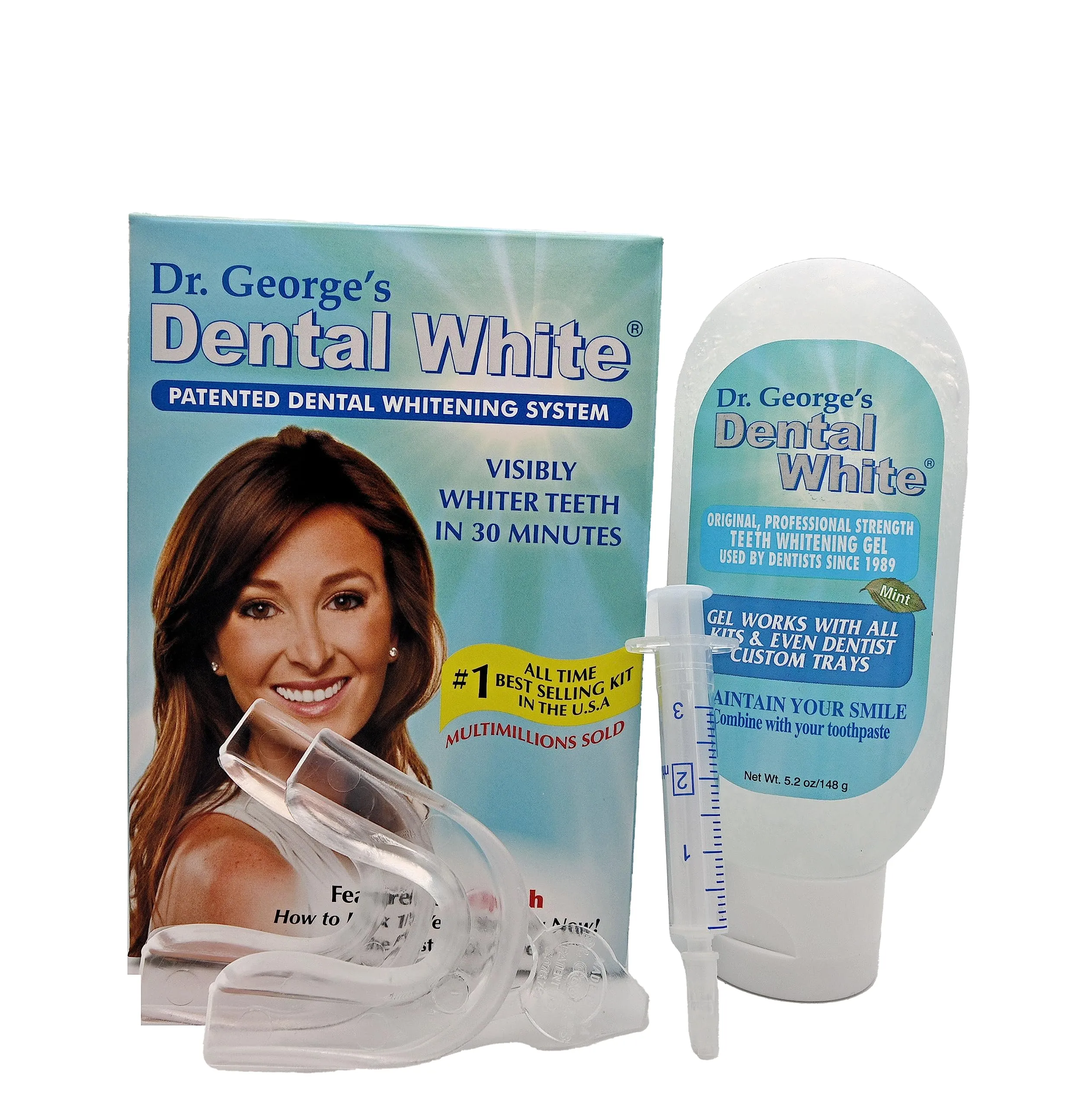
Dr George Teeth Whitening Kits Top 5 Secrets
Achieving a brighter, whiter smile is a common goal for many, and Dr George teeth whitening kits have gained popularity as a convenient at-home solution. But how do you maximize their effectiveness and ensure the best results? This article unveils the top 5 secrets to using Dr George teeth whitening kits effectively, helping you to understand the science behind the process, choose the right kit, apply it correctly, manage potential side effects, and maintain your radiant smile. By following these expert tips, you can confidently embark on your journey to a more dazzling and confident you.
Secret 1 The Science of Whitening
Before diving into the specifics of Dr George teeth whitening kits, it’s essential to grasp the science behind how they work. Understanding the composition of your teeth and the nature of stains is the first step toward achieving optimal results. This foundational knowledge empowers you to make informed decisions and avoid common pitfalls, maximizing the effectiveness of your whitening efforts and ultimately ensuring a brighter, more confident smile. The science of whitening lies in the chemical reactions between the whitening agent and the stain molecules within the tooth enamel.
Understanding Enamel and Stains

Tooth enamel, the outermost layer of your teeth, is a hard, translucent substance that protects the underlying dentin. Enamel is porous, which means it contains tiny microscopic holes. These pores can trap stain-causing molecules from foods, drinks, and tobacco, leading to discoloration. Stains can be extrinsic, affecting the surface of the enamel, or intrinsic, originating from within the tooth itself. Extrinsic stains are usually caused by surface accumulation and can be removed with professional cleanings or whitening products. Intrinsic stains are caused by factors such as aging, certain medications, and trauma, and may require more intensive whitening treatments.
How Whitening Agents Work
Dr George teeth whitening kits typically use hydrogen peroxide or carbamide peroxide as the active whitening agent. When these agents come into contact with the teeth, they break down into oxygen molecules. These oxygen molecules penetrate the enamel and react with the stain molecules, breaking them down and dispersing them. This process effectively lightens the appearance of the stains, resulting in a brighter and whiter smile. The concentration of the whitening agent, as well as the duration of the application, influences the final results. It’s important to follow the instructions provided with your Dr George kit to ensure safe and effective whitening.
Secret 2 Choosing the Right Kit
Dr George offers various teeth whitening kits, and choosing the right one is crucial for achieving desired results. The selection process should consider your individual needs, preferences, and the severity of your tooth discoloration. It is recommended to consult with a dental professional to determine the best approach for your unique situation, but understanding the different kit options will help you make a well-informed decision. A good kit can make all the difference, ensuring effective and safe whitening while minimizing potential discomfort and maximizing your satisfaction.
Types of Dr George Teeth Whitening Kits
Dr George offers different types of teeth whitening kits to cater to various needs. These kits often include whitening strips, whitening gels with custom-fit trays, and whitening pens. Whitening strips are a popular and convenient option, as they are easy to use and can be applied directly to the teeth. Whitening gels used with custom-fit trays offer a more precise application and can be particularly effective for individuals with uneven tooth surfaces. Whitening pens are a portable option, allowing for touch-ups throughout the day. Each type of kit utilizes different concentrations of whitening agents and application methods, making it important to understand which is best for you.
Kit Components and Their Purpose
Each Dr George teeth whitening kit typically contains a set of essential components designed to facilitate the whitening process. The active whitening agent, such as hydrogen peroxide or carbamide peroxide, is the core component responsible for breaking down the stain molecules. Trays or strips are included to hold and deliver the whitening agent to the teeth. A shade guide is also provided to help you track your progress and assess the results. Some kits may also include a desensitizing toothpaste or gel to alleviate potential sensitivity. Understanding each component’s purpose helps you to use the kit correctly and efficiently, ensuring effective and safe whitening.
Secret 3 Proper Application Techniques
Proper application techniques are essential to maximizing the effectiveness of your Dr George teeth whitening kit and minimizing potential side effects. Following the instructions carefully and adhering to the recommended application methods will ensure safe and efficient whitening. Correct application techniques prevent common mistakes and help you achieve the best possible results. Careful attention to detail is crucial, from preparing your teeth to the final rinsing and cleaning. A well-executed application ensures the whitening agent can effectively target the stains on your teeth without causing unnecessary harm or discomfort.
Step-by-Step Guide to Using the Kit

Before starting, brush and floss your teeth thoroughly to remove any plaque or food particles. If using whitening strips, carefully apply them to your teeth, ensuring that they cover the surface area evenly. For gel-based kits, apply the gel to the trays and insert them into your mouth, making sure the gel comes into contact with your teeth. Follow the recommended time frame for application, which is usually indicated in the kit’s instructions. After the designated time, remove the strips or trays, rinse your mouth with water, and brush your teeth to remove any residual whitening agent. Repeat these steps as instructed in the kit to achieve the desired shade of white.
Avoiding Common Application Mistakes
Common mistakes include over-application, which can lead to increased sensitivity, and uneven application, resulting in patchy whitening. Make sure to avoid getting the whitening agent on your gums, as it can cause irritation. Do not eat or drink anything other than water during the treatment. It is also crucial to follow the instructions about the frequency of use and not to exceed the recommended treatment duration. Skipping the initial cleaning or not drying your teeth before application can also hinder the process. Paying close attention to these details and avoiding these common mistakes will improve your overall results.
Secret 4 Managing Sensitivity and Side Effects
Tooth sensitivity and gum irritation are common side effects of teeth whitening. Many individuals may experience some level of sensitivity during the whitening process. However, there are effective ways to manage these potential side effects. These measures can ensure a more comfortable and less disruptive whitening experience. It is important to know how to react in these circumstances. Proper management can alleviate discomfort and ensure you can continue your whitening journey with confidence.
Dealing with Tooth Sensitivity

If you experience tooth sensitivity, there are several steps you can take to mitigate the discomfort. Using a desensitizing toothpaste containing potassium nitrate for a couple of weeks before and during whitening can help reduce sensitivity. Avoid excessively hot or cold foods and drinks, which can trigger sensitivity. You can also reduce the whitening time or frequency. If the sensitivity is severe, it is best to consult with a dentist. Your dentist might recommend professional fluoride treatments or other measures to alleviate the sensitivity, allowing you to continue your whitening journey comfortably.
What to Do If Gum Irritation Occurs
Gum irritation can occur if the whitening agent comes into contact with your gums. If you experience gum irritation, stop using the whitening kit and consult the product instructions for guidance. Rinse your mouth thoroughly with water. Avoid brushing or flossing the irritated area aggressively. You may also consider using a salt water rinse to soothe the gums. Generally, the irritation will subside after a few days. If the irritation persists or worsens, contact your dentist. They can assess the situation and recommend appropriate treatment, ensuring your oral health and comfort.
Secret 5 Maintaining Your White Smile
Maintaining your newly whitened smile requires consistent oral hygiene practices and certain lifestyle adjustments. These practices will help preserve the results of your Dr George teeth whitening kit and prevent future discoloration. By adopting a proactive approach, you can keep your smile bright and radiant for a prolonged period. The key to long-lasting results is a combination of diligent oral care and mindful choices in your daily habits. This is the final step in achieving and maintaining a dazzling smile.
Oral Hygiene for Long-Lasting Results

Brush your teeth twice a day for two minutes each time with fluoride toothpaste. Floss daily to remove plaque and food particles from between your teeth. Regular dental check-ups and professional cleanings are also essential for removing any stains and maintaining oral health. Consider using an electric toothbrush, as these are often more effective at removing plaque. Incorporating these practices into your daily routine will significantly contribute to preserving your white smile and ensuring optimal oral health.
Foods and Drinks to Avoid
Certain foods and drinks can stain your teeth and should be consumed in moderation or avoided altogether to maintain your white smile. Coffee, tea, red wine, and dark-colored sodas are notorious for causing stains. Minimize your consumption of these beverages, or consider using a straw to reduce contact with your teeth. Foods such as berries, soy sauce, and curries can also contribute to staining. After consuming stain-causing foods or drinks, brush your teeth or rinse your mouth with water to reduce their impact. By making informed food and drink choices, you can help preserve your beautifully whitened smile for a long time.