Understanding Teeth Whitening Basics
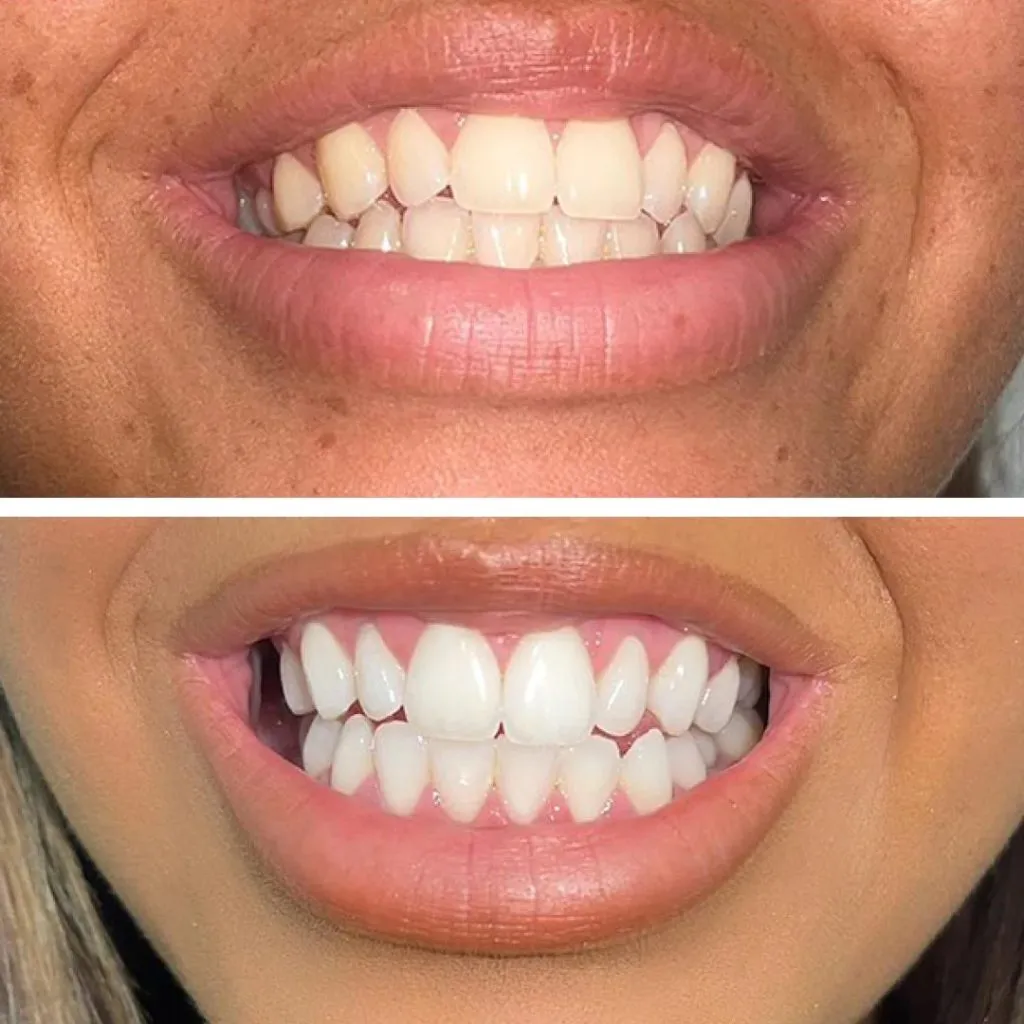
Teeth whitening is a popular cosmetic dental procedure designed to lighten the shade of your teeth, giving you a brighter and more youthful smile. It works by removing stains and discoloration that accumulate over time. Understanding the basics of teeth whitening is crucial before you embark on any treatment. This involves knowing what causes teeth discoloration, the different types of staining, and the various options available to achieve a dazzling smile. Whether you’re looking for a subtle enhancement or a dramatic transformation, knowing the fundamentals will help you make informed decisions and achieve the best possible results. A beautiful smile can significantly boost your confidence, and teeth whitening is a powerful tool to help you achieve that. A well-informed approach ensures you achieve the desired results safely and effectively.
What Causes Tooth Discoloration
Tooth discoloration can stem from various factors, which can be broadly categorized. Dietary habits play a significant role; foods and drinks like coffee, tea, red wine, and berries contain pigments that can stain teeth. Smoking and tobacco use are major contributors to yellowing and brown staining. Aging also leads to discoloration as the enamel wears down, revealing the yellowish dentin underneath. Certain medical treatments, such as chemotherapy or exposure to tetracycline during tooth development, can also cause staining. Poor oral hygiene allows plaque and tartar to build up, leading to staining. Understanding the cause of your tooth discoloration is the first step in determining the most effective whitening method. Addressing these causes, where possible, is also essential for maintaining a bright smile after whitening.
Extrinsic vs Intrinsic Staining

Tooth stains are generally classified into two categories extrinsic and intrinsic. Extrinsic stains affect the tooth’s surface (enamel). These are often caused by dietary factors, such as coffee, tea, and red wine, and can usually be removed with professional cleaning or over-the-counter whitening products. Intrinsic stains, on the other hand, originate from within the tooth structure (dentin). These are often caused by factors like aging, trauma, medications, or excessive fluoride exposure during tooth development. Intrinsic stains are more challenging to remove and often require professional treatments like in-office whitening or at-home whitening kits prescribed by a dentist. Differentiating between these types of stains helps determine the most suitable whitening approach. This differentiation ensures the chosen method effectively addresses the root cause of discoloration.
Different Teeth Whitening Options
The market offers a variety of teeth whitening options, each with its own pros and cons. These range from over-the-counter products to professional treatments provided by dentists. The best choice depends on your individual needs, the severity of the staining, and your budget. Over-the-counter products are convenient and affordable, but they may not be as effective for deep stains. Professional treatments, while more expensive, provide more dramatic results and are performed under the supervision of a dental professional. They also ensure safety and address any underlying dental issues. Exploring each option in detail will help you make an informed decision, ensuring that you select the method that best suits your needs and helps you achieve the desired smile.
Over-the-Counter Whitening Products
Over-the-counter (OTC) whitening products offer a convenient and accessible way to brighten your smile. These products are readily available in drugstores and supermarkets. Popular choices include whitening toothpastes, whitening strips, and whitening gels. While these products are generally safe, the results can vary depending on the product’s strength and the type of staining. OTC products usually contain a lower concentration of bleaching agents compared to professional treatments. The advantage is their affordability and ease of use; however, they may not be as effective for deeply stained teeth. It is important to follow the product instructions carefully to avoid potential side effects and to manage realistic expectations regarding the level of whitening achieved. Consult your dentist if you have any concerns.
Whitening Toothpastes
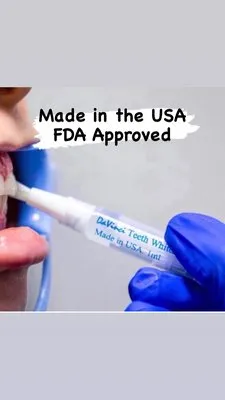
Whitening toothpastes are designed to remove surface stains through abrasive agents or mild chemical reactions. They typically contain ingredients like silica or calcium carbonate to scrub away stains and hydrogen peroxide or other bleaching agents. Regular use can help maintain the brightness of your teeth and prevent the build-up of new stains. However, the whitening effect is usually subtle, and these toothpastes are not effective for changing the intrinsic color of your teeth. They are a good option for daily maintenance and can complement other whitening treatments. Be cautious with abrasive toothpastes, as excessive use can potentially damage your enamel over time. Choose a whitening toothpaste that is certified by dental associations for safe and effective use.
Whitening Strips
Whitening strips are thin, flexible strips coated with a peroxide-based whitening agent. These strips are applied directly to your teeth and worn for a specified amount of time, usually for a few minutes to an hour daily. They are easy to use and can provide noticeable results within a few weeks. Whitening strips are effective at removing both extrinsic and some intrinsic stains. The concentration of the whitening agent is typically higher than in whitening toothpastes, leading to more significant results. However, they may not be suitable for those with sensitive teeth or uneven tooth surfaces. Always follow the manufacturer’s instructions and avoid excessive use. Consider consulting your dentist before use, especially if you have existing dental work or sensitive gums.
Professional Teeth Whitening Treatments
Professional teeth whitening treatments offer the most effective and controlled methods for achieving a brighter smile. These treatments are performed by dentists, ensuring both safety and optimal results. They utilize stronger bleaching agents than over-the-counter products, enabling them to address more severe stains. Professional treatments can be administered in-office, where a dentist will apply the whitening solution and monitor the process, or through custom-fitted at-home whitening kits prescribed by the dentist. These treatments are customized to suit your specific needs and address any underlying dental issues. While more expensive than OTC options, professional whitening provides the best outcomes and minimizes potential risks. Consulting with a dentist is an essential step in deciding the right professional treatment for you.
In-Office Whitening

In-office teeth whitening, also known as chair-side whitening, provides immediate and dramatic results. The dentist applies a high-concentration bleaching agent to your teeth, often combined with the use of a special light or laser to accelerate the whitening process. The entire procedure typically takes about one to two hours, and you can see significant improvement in your smile in a single session. The dentist will protect your gums and soft tissues throughout the process, minimizing the risk of sensitivity. This method is ideal for people who want fast results and are looking for the most effective whitening treatment. Follow-up appointments may be recommended to maintain the results, and the dentist may provide instructions for post-whitening care and maintenance.
At-Home Whitening Kits
At-home whitening kits prescribed by a dentist offer a balance between professional treatment and the convenience of home use. These kits include custom-fitted trays that you fill with a bleaching gel provided by your dentist. The trays are designed to fit your teeth perfectly, ensuring even application of the whitening agent and minimizing gum irritation. You wear the trays for a specified amount of time each day, usually for a few hours or overnight. The dentist will supervise the process, offering guidance and monitoring your progress. This method provides more dramatic results than over-the-counter products while still allowing you to whiten your teeth at your own pace. Regular check-ups with your dentist are crucial to assess the effectiveness of the treatment and to address any potential side effects.
The Teeth Whitening Process Step-by-Step
Understanding the step-by-step process of teeth whitening can help you prepare for your treatment and know what to expect. The process varies slightly depending on whether you choose over-the-counter products or professional treatments. It is beneficial to consult with a dentist, regardless of the method you choose. This will help you determine the best option for your specific needs. From the initial consultation to the final results, each step plays a vital role in achieving a brighter and more beautiful smile. Proper preparation and adherence to instructions are essential to ensure the effectiveness of the treatment and minimize any potential side effects. Knowledge about the process ensures a smooth and satisfying experience.
Consulting with a Dentist
Before starting any teeth whitening treatment, consulting with a dentist is crucial. The dentist will examine your teeth and gums to assess their overall health and determine the cause of any discoloration. They will also advise you on the most appropriate whitening method based on your needs and dental history. The dentist can identify potential issues, such as cavities or gum disease, that may affect the outcome of the treatment. Professional advice ensures that the whitening procedure is safe and effective. It helps avoid any unnecessary risks. The dentist can also create custom-fitted trays for at-home whitening kits and provide guidance on maintaining your results. Regular dental check-ups are essential throughout the teeth whitening process.
Preparing Your Teeth
Proper preparation is essential for the success of teeth whitening. This may involve a professional cleaning to remove plaque and tartar, which can impede the whitening agent’s effectiveness. If you have any existing dental work, such as fillings or crowns, the dentist will assess whether they need to be replaced to match the new shade of your teeth. It is also important to brush and floss your teeth thoroughly before each whitening treatment to remove surface debris. Following these steps can maximize the whitening results and minimize potential side effects. It ensures an even application of the whitening agent. Your dentist will provide specific instructions based on your individual needs and the chosen whitening method.
Applying the Whitening Agent
The method of applying the whitening agent varies depending on the chosen treatment. For over-the-counter products, this usually involves applying whitening strips or using a tray. Follow the instructions carefully, ensuring the product covers your teeth evenly. With professional treatments, the dentist will apply a high-concentration bleaching agent directly to your teeth, often using a protective barrier for your gums. The dentist may also use a special light or laser to accelerate the whitening process. For at-home whitening kits, you will fill custom-fitted trays with the whitening gel and wear them for a specified time. Regardless of the method, it is essential to adhere to the instructions to achieve the desired results safely and effectively.
Maintaining Your White Smile
Maintaining your newly whitened smile involves both post-whitening care and good oral hygiene practices. After undergoing teeth whitening, it’s important to avoid certain foods and drinks that can stain your teeth. Regular dental check-ups and cleanings are essential to keep your teeth healthy and bright. By taking the necessary precautions and establishing good habits, you can enjoy your dazzling smile for a long time. Proper maintenance ensures the longevity of the whitening results and contributes to your overall oral health. These practices are essential to enjoy the benefits of your teeth whitening procedure for the long term. It prevents future staining and preserves your smile’s brilliance.
Post-Whitening Care
Following proper post-whitening care is crucial to maintaining your bright smile. For the first few days after whitening, it is important to avoid foods and drinks that can easily stain your teeth, such as coffee, tea, red wine, and dark-colored berries. Smoking and tobacco use should also be avoided. Using a straw for drinks can help minimize contact with your teeth. You should also brush your teeth gently with a soft-bristled toothbrush and use a whitening toothpaste. Following your dentist’s specific instructions for post-whitening care, which may include the use of a fluoride rinse or other products, maximizes the results and minimizes the risk of staining. Proper care ensures you enjoy your whiter teeth for as long as possible.
Foods and Drinks to Avoid
Certain foods and drinks can stain your teeth and reverse the effects of teeth whitening. To maintain your bright smile, it’s essential to limit or avoid these items, especially in the days immediately following the treatment. Common culprits include coffee, tea, red wine, dark sodas, and fruit juices. Highly pigmented foods, such as berries, soy sauce, and curries, should also be avoided. If you consume these items, rinse your mouth with water immediately afterward to minimize staining. You should also consider using a straw for drinks to reduce direct contact with your teeth. Being mindful of your diet can significantly extend the lifespan of your teeth whitening results and maintain your radiant smile.
Oral Hygiene Practices

Practicing good oral hygiene is essential for maintaining a healthy and bright smile. This includes brushing your teeth at least twice a day with a fluoride toothpaste, flossing daily to remove plaque and food particles from between your teeth, and using an antiseptic mouthwash. Regular dental check-ups and professional cleanings are also crucial. These practices help prevent staining, remove plaque and tartar, and keep your teeth and gums healthy. Consider using a whitening toothpaste to remove surface stains, and be sure to follow your dentist’s recommendations for your specific needs. Consistent oral hygiene, combined with post-whitening care, helps preserve your beautiful, white smile for the long term.
Possible Side Effects and Solutions
While teeth whitening is generally safe, some people may experience side effects. The most common side effects are tooth sensitivity and gum irritation. Fortunately, these side effects are usually temporary and can be managed with proper care. Understanding the potential side effects and knowing how to address them can help you navigate the teeth whitening process with confidence. Consulting your dentist and following their instructions is the key to minimizing any discomfort and ensuring a positive outcome. Being aware of potential side effects allows you to make informed decisions. It also helps you communicate effectively with your dental professional.
Tooth Sensitivity
Tooth sensitivity is a common side effect of teeth whitening. It occurs because the bleaching agent can temporarily affect the tooth’s enamel and dentin. You may experience sharp, shooting pain or discomfort when consuming hot or cold foods and drinks. To manage tooth sensitivity, your dentist may recommend using a toothpaste specifically designed for sensitive teeth, which contains ingredients that help block the pathways to the nerve endings. You can also use a fluoride rinse to strengthen your enamel and reduce sensitivity. Avoid overly hot or cold foods and drinks during the treatment and the days following. Sensitivity usually subsides within a few days after the treatment. Consult your dentist if the sensitivity persists or worsens.
Gum Irritation
Gum irritation, also known as gingivitis, is another potential side effect of teeth whitening, especially with in-office treatments. The bleaching agent can irritate the gum tissue if it comes into contact with it. Symptoms of gum irritation include redness, swelling, and soreness. To minimize gum irritation, the dentist uses protective barriers during professional treatments. For at-home whitening, ensure the trays fit properly and do not cause the bleaching agent to leak onto your gums. You can soothe irritated gums by rinsing your mouth with lukewarm saltwater or using an anti-inflammatory mouthwash. Gum irritation is usually temporary, and symptoms resolve within a few days after the treatment. Consult your dentist if irritation persists or worsens.