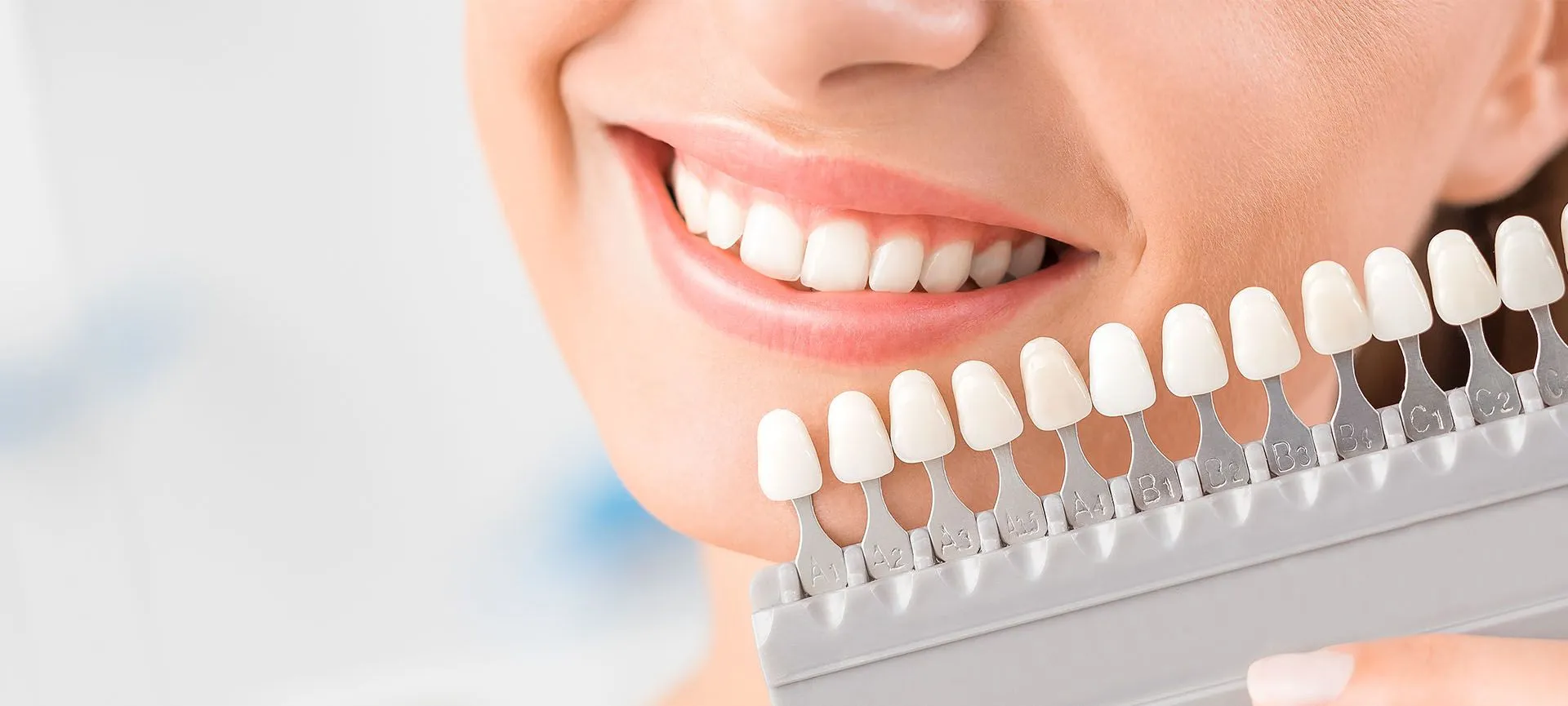
A bright, white smile can significantly boost your confidence and leave a lasting positive impression. Teeth whitening at your dentist is one of the most effective ways to achieve a dazzling smile. Unlike over-the-counter products, professional teeth whitening offers superior results, faster treatment times, and the expertise of a dental professional. This comprehensive guide explores everything you need to know about teeth whitening at the dentist, from understanding the causes of teeth discoloration to maintaining your newly brightened smile. Let’s explore how you can achieve a brighter, more confident you through the power of professional teeth whitening.
Understanding Teeth Whitening at the Dentist
Teeth whitening is a cosmetic dental procedure designed to lighten the shade of your teeth, removing stains and discoloration. Over time, teeth naturally darken due to factors like aging, diet, and lifestyle choices. Professional teeth whitening offers a safe and effective solution to restore the natural brilliance of your smile. The process typically involves the use of bleaching agents, such as hydrogen peroxide or carbamide peroxide, to break down stain molecules within the enamel and dentin of your teeth. This method provides results that are significantly better and long-lasting compared to using whitening toothpaste or strips.
What Causes Teeth Discoloration
Teeth discoloration can stem from a variety of factors. Understanding the causes of stains helps you make informed decisions about your oral health and whitening options. These causes can be broadly classified into surface and deep stains, each requiring a different approach to treatment.
Surface Stains

Surface stains, also known as extrinsic stains, affect the outer layer of the tooth enamel. These stains are often caused by the foods and beverages we consume, along with certain habits. Common culprits include coffee, tea, red wine, and dark-colored sodas. Smoking and chewing tobacco also contribute significantly to surface stains. These stains are usually easier to remove with professional cleaning and whitening treatments.
Deep Stains
Deep stains, or intrinsic stains, originate from within the tooth structure. These stains can be caused by factors like aging, the use of certain medications (like tetracycline), excessive fluoride exposure, or trauma to the tooth. Deep stains are often more challenging to remove and may require more intensive whitening treatments or alternative cosmetic procedures such as veneers or crowns.
Benefits of Professional Teeth Whitening
Opting for teeth whitening at your dentist offers several advantages over at-home alternatives. Professional treatments are more effective, safer, and provide results that are more likely to satisfy your expectations. Here are some key benefits.
Faster Results

Professional teeth whitening treatments use higher concentrations of bleaching agents than at-home products. This results in quicker and more dramatic whitening results. In-office procedures can whiten your teeth several shades in a single session, giving you a brighter smile in a matter of hours.
Customized Treatment
Your dentist can tailor the whitening treatment to your specific needs and the type of stains you have. They assess your oral health, identify the causes of discoloration, and recommend the most appropriate whitening method. This personalized approach ensures optimal results and minimizes potential risks.
Enhanced Safety
Dentists are trained professionals who understand the intricacies of teeth whitening. They take precautions to protect your gums and soft tissues from the bleaching agents, minimizing the risk of sensitivity and irritation. Moreover, your dentist can monitor your progress and adjust the treatment as needed to ensure both safety and effectiveness.
Types of Teeth Whitening Procedures

Your dentist offers various teeth whitening options. The best choice for you depends on your specific needs and preferences. The most common types include in-office whitening, take-home whitening kits, and a pre-treatment consultation.
In-Office Whitening
In-office whitening, also known as chairside bleaching, is the most immediate and effective method. Your dentist applies a high-concentration bleaching gel to your teeth and uses a special light or laser to accelerate the whitening process. This procedure typically takes about an hour and can lighten your teeth several shades in a single session. This is the fastest option for achieving a dramatically brighter smile, and it’s performed under the direct supervision of your dentist, maximizing both safety and effectiveness. After the procedure, you’ll instantly notice a significant improvement in the brightness of your teeth.
Take-Home Whitening Kits
Take-home whitening kits involve custom-fitted trays provided by your dentist. You fill these trays with a lower-concentration bleaching gel and wear them for a specified amount of time each day or night, as directed by your dentist. This method is a more gradual approach to whitening, and you will typically see results within a few weeks. This is a convenient option, and your dentist will monitor your progress to ensure the best results.
Pre-Treatment Consultation

Before any whitening treatment, your dentist will conduct a thorough examination of your oral health. This includes checking for cavities, gum disease, and other issues that could affect the whitening process. The dentist will also discuss your expectations, explain the different whitening options, and help you determine the most suitable treatment plan. This consultation ensures that you are a good candidate for teeth whitening and that you’ll achieve the desired results.
What to Expect During the Procedure
The teeth whitening procedure at your dentist is straightforward and comfortable. The process usually includes a few key steps to ensure the best possible outcome.
The Whitening Process
In-office whitening begins with a thorough cleaning to remove any plaque or surface stains. Your dentist then applies a protective barrier to your gums to prevent irritation. A high-concentration bleaching gel is applied to your teeth, and a special light or laser may be used to activate the whitening agent. The gel is typically left on your teeth for a specific period, and the process may be repeated several times during the session. The duration and number of sessions depend on the desired results and the specific whitening system used. Following the procedure, your dentist will provide post-treatment instructions to maintain your new, brighter smile.
Post-Treatment Care

After your teeth whitening treatment, you’ll receive specific instructions to help maintain your results and minimize any potential side effects. These may include avoiding certain foods and drinks that can stain your teeth, such as coffee, tea, red wine, and dark-colored sodas, for a period of time. You may also be advised to use a desensitizing toothpaste to alleviate any temporary sensitivity. Following these guidelines will help you enjoy your brighter smile for a longer duration.
Maintaining Your Bright Smile
Maintaining your bright smile after teeth whitening involves a combination of good oral hygiene habits, dietary considerations, and regular dental checkups. These practices will help to prevent new stains and keep your teeth looking their best.
Dietary Considerations
The foods and beverages you consume can significantly impact the longevity of your teeth whitening results. Avoiding or limiting the intake of staining foods and drinks, such as coffee, tea, red wine, berries, and dark sauces, can help maintain your bright smile for a longer period. If you do consume these items, rinsing your mouth with water immediately afterward can help reduce staining. Consuming foods rich in calcium, like dairy products, can also help to strengthen your teeth.
Oral Hygiene Practices

Maintaining a consistent oral hygiene routine is crucial for keeping your teeth white and healthy. Brushing your teeth twice a day with fluoride toothpaste and flossing daily helps remove plaque and bacteria that can cause staining and decay. Using a whitening toothpaste can also help to gently remove surface stains and keep your teeth looking bright. Regular brushing and flossing are essential for maintaining a healthy, bright smile.
Regular Dental Checkups
Regular dental checkups and cleanings are essential for maintaining your teeth whitening results. Your dentist can remove any surface stains that may have accumulated and check for any potential oral health issues. Professional cleanings also help maintain the overall health of your teeth and gums. During these appointments, your dentist can also provide personalized advice on how to best care for your smile.
Risks and Considerations
While teeth whitening is generally safe, there are a few risks and considerations to be aware of before undergoing the procedure. Your dentist will discuss these with you during your consultation.
Sensitivity
Tooth sensitivity is a common side effect of teeth whitening. The bleaching agents can temporarily make your teeth more sensitive to hot and cold temperatures. This sensitivity usually subsides within a few days after the treatment. Your dentist may recommend using a desensitizing toothpaste to help alleviate this issue.
Irritation
Some individuals may experience mild gum irritation or inflammation after teeth whitening. This is usually due to the bleaching agent coming into contact with the gums. Your dentist will take precautions to protect your gums during the procedure, and any irritation typically resolves within a few days. Avoiding harsh oral hygiene practices after the treatment can help prevent or minimize irritation.
Effectiveness and Longevity
The effectiveness and longevity of teeth whitening depend on various factors, including the type of treatment, your oral hygiene habits, and your diet. Professional teeth whitening generally provides more dramatic and longer-lasting results than over-the-counter products. With proper care and maintenance, your bright, white smile can last for several months to several years. Regular dental checkups and following your dentist’s recommendations are key to maintaining your results.
In conclusion, teeth whitening at your dentist is an effective and safe way to achieve a brighter, more confident smile. Understanding the causes of teeth discoloration, the benefits of professional whitening, and the different treatment options available will empower you to make informed decisions about your oral health. By following post-treatment care guidelines and maintaining good oral hygiene habits, you can enjoy a dazzling smile for years to come. Consult with your dentist today to explore your teeth whitening options and take the first step toward a brighter, more confident you. Your journey to a beautiful smile starts here.