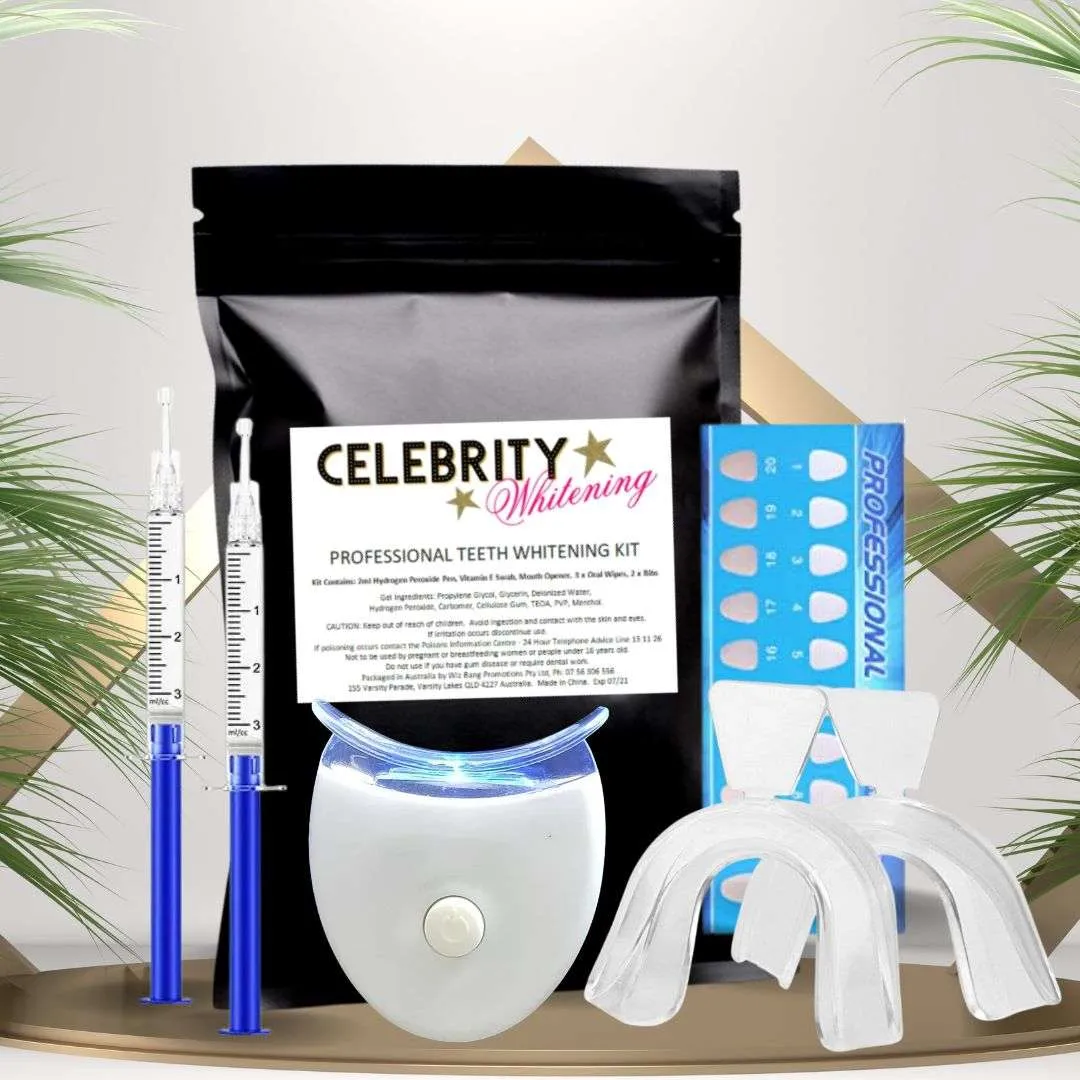
Understanding Teeth Whitening Home Kits
Achieving a brighter, more confident smile is now easier than ever, thanks to the proliferation of teeth whitening home kits. These kits offer a convenient and affordable alternative to professional dental treatments, allowing individuals to enhance their pearly whites from the comfort of their own homes. But what exactly are these kits, and how do they work? This comprehensive guide will delve into the world of teeth whitening home kits, exploring their various types, benefits, how to choose the right one, and important considerations for safe and effective use. The information aims to equip you with the knowledge needed to make informed decisions and achieve a dazzling smile.
What are Teeth Whitening Kits?
Teeth whitening home kits are essentially cosmetic products designed to lighten the color of your teeth. They typically contain a bleaching agent, usually hydrogen peroxide or carbamide peroxide, which penetrates the enamel and breaks down the stains and discoloration that accumulate over time. These kits come in various forms, including whitening strips, gels, trays, and toothpastes, each offering a different method of application and treatment duration. The effectiveness of a kit depends on the concentration of the whitening agent, the duration of application, and the individual’s tooth structure and staining severity. Properly used, these kits can remove surface stains caused by coffee, tea, tobacco, and other common culprits.
Types of Teeth Whitening Home Kits

The market offers a diverse range of teeth whitening home kits, each designed to cater to different preferences and needs. Whitening strips are perhaps the most popular, consisting of thin, flexible strips coated with a whitening gel that adheres directly to the teeth. Whitening gels are applied to custom-fitted or pre-made trays, which are then worn over the teeth for a specified period. Whitening toothpastes contain mild abrasives and whitening agents, offering a gentler approach to stain removal, but are less effective for deep discoloration. Some kits also incorporate LED lights to accelerate the whitening process, although their efficacy is a subject of ongoing research. It’s crucial to understand the different types and their respective pros and cons to select the most suitable option for your specific situation.
The Science Behind Teeth Whitening
Teeth whitening operates on a scientific principle involving the oxidation of stain molecules within the tooth enamel. The active ingredients in most whitening products, primarily hydrogen peroxide or carbamide peroxide, release oxygen molecules when they come into contact with the teeth. These oxygen molecules penetrate the enamel and dentin, breaking down the complex organic molecules responsible for staining. This process effectively decolorizes the stained areas, resulting in a lighter, brighter appearance. The concentration of the whitening agent, the duration of the treatment, and the individual’s tooth composition all influence the outcome. It’s important to note that teeth whitening primarily targets extrinsic stains (surface stains) and can also address some intrinsic stains, though the effectiveness varies.
How Teeth Whitening Works
The whitening process initiates when the active ingredients in the kit, typically a peroxide-based solution, come into contact with the tooth surface. The peroxide breaks down, releasing oxygen. This oxygen then diffuses into the enamel and dentin, the layers of the tooth. The oxygen molecules react with the stain molecules, breaking their chemical bonds and dispersing them. This process doesn’t remove the tooth’s enamel; it simply alters the color of the existing stain molecules. The duration of the treatment, the concentration of the whitening agent, and the contact time all affect how much the teeth will lighten. Over-the-counter kits usually contain lower concentrations of the active ingredient compared to professional treatments, which leads to gradual but noticeable results.
Benefits of Using a Teeth Whitening Home Kit

Teeth whitening home kits offer a multitude of advantages, making them an attractive option for those seeking a brighter smile. Beyond the aesthetic benefits, these kits provide a convenient, cost-effective, and accessible solution for teeth whitening. They allow individuals to enhance their smile from the comfort of their own homes, saving time and money compared to professional dental treatments. Furthermore, the availability of various kit types caters to different preferences and levels of sensitivity. A whiter smile can also boost self-esteem and confidence, contributing to a more positive self-image. The ability to gradually improve your smile at your own pace is a significant advantage for many users, making home kits a practical and empowering choice.
Cost-Effective
One of the most compelling benefits of using teeth whitening home kits is their cost-effectiveness. Compared to professional teeth whitening treatments performed by a dentist, home kits represent a significantly more affordable option. The cost of a professional treatment can be several hundred dollars, while home kits are typically priced much lower, making them accessible to a broader range of individuals. While the results may not be as dramatic or rapid as professional treatments, the cumulative effect of consistent use of a home kit can still provide a noticeable improvement in tooth color. This cost advantage allows users to achieve a brighter smile without straining their budget, making it a practical choice for many.
Convenience
The convenience of using teeth whitening home kits is another significant advantage. These kits allow you to whiten your teeth at your own pace and on your own schedule, without the need for multiple visits to a dental office. This is particularly beneficial for individuals with busy lifestyles or those who live far from a dental clinic. With home kits, you can whiten your teeth while watching TV, reading a book, or simply relaxing at home. The ease of use and flexibility of these kits make them a practical and user-friendly option for anyone looking to improve their smile. This convenience factor significantly contributes to their popularity.
How to Choose the Right Teeth Whitening Home Kit

Selecting the right teeth whitening home kit is crucial for achieving the desired results safely and effectively. With so many options available, it can be overwhelming to choose the best one for your needs. Factors to consider include your individual tooth sensitivity, the type and severity of the stains, and your budget. Reading reviews from other users can provide valuable insights into the product’s effectiveness and potential side effects. Consulting with a dentist before starting any whitening treatment is always recommended. Taking into account these various considerations will help you make an informed decision and select a kit that aligns with your specific requirements.
Consider Your Needs
Before purchasing a teeth whitening home kit, assess your individual needs and preferences. Consider the type of stains you are trying to remove; surface stains caused by coffee or tea respond well to most whitening products, while deeper intrinsic stains may require more potent treatments. If you have sensitive teeth, opt for kits with lower concentrations of hydrogen peroxide or carbamide peroxide to minimize discomfort. Decide whether you prefer strips, gels, trays, or toothpastes based on your lifestyle and ease of use. Evaluating your needs and preferences will help narrow down your choices and ensure you select a kit that aligns with your specific goals and sensitivity levels. Don’t forget to factor in your time commitment and how often you are willing to apply the product.
Check Reviews
Reading reviews from other users is an invaluable step in selecting a teeth whitening home kit. Reviews provide firsthand accounts of the product’s effectiveness, ease of use, and potential side effects. Pay attention to reviews that mention the type of stains the product successfully removed, the duration of treatment required, and any instances of sensitivity or gum irritation. Websites and online retailers often feature customer reviews, providing a wealth of information. Look for patterns in the feedback, such as common praises or complaints. Reading multiple reviews allows you to gauge the product’s overall performance and determine whether it is a suitable choice for you. Be cautious of overly positive or negative reviews that may seem biased, and focus on balanced assessments.
Ingredients to Look For
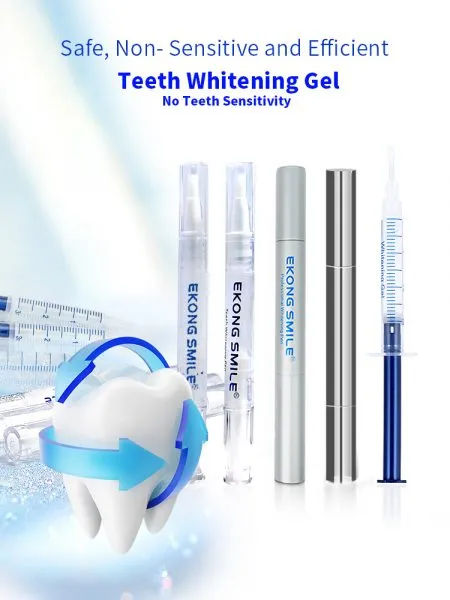
When choosing a teeth whitening home kit, pay close attention to the ingredients. The primary active ingredients in most kits are hydrogen peroxide or carbamide peroxide, which are responsible for the whitening effect. The concentration of these agents varies; higher concentrations typically yield faster results but may also increase the risk of sensitivity. Look for kits that include desensitizing agents like potassium nitrate or fluoride to help mitigate any potential discomfort. It is also beneficial to check for any other ingredients that may cause allergic reactions or sensitivities. Avoid products containing abrasive ingredients that could damage your enamel. Checking the ingredient list allows you to select a kit that is both effective and safe for your teeth.
How to Use a Teeth Whitening Home Kit
Following the instructions provided with your teeth whitening home kit is crucial for achieving optimal results and minimizing potential side effects. Each kit type (strips, trays, etc.) has its own specific application instructions. Understanding the steps involved, from pre-treatment preparations to post-treatment care, is essential for a safe and effective whitening experience. Always adhere to the recommended treatment duration and frequency. Do not exceed the suggested application time, as this can increase the risk of sensitivity and gum irritation. Proper usage ensures that the whitening agent can work effectively and that your teeth are protected throughout the process. Reviewing the instructions carefully and seeking clarification from your dentist if needed can further ensure a positive outcome.
Step-by-Step Instructions
The application process typically involves several steps, each vital for successful teeth whitening. Begin by brushing your teeth gently and flossing to remove any food particles or debris. If using trays, apply the whitening gel evenly to the tray according to the manufacturer’s instructions. For strips, peel them from the backing and apply them to your teeth, ensuring they cover the front surfaces. Wear the strips or trays for the specified amount of time, as indicated in the instructions. Avoid eating or drinking anything other than water during the treatment period. Once the treatment time is complete, remove the strips or trays, rinse your mouth thoroughly with water, and brush your teeth again. Consistent adherence to these steps will help you achieve the desired results.
Pre-Treatment Preparations

Before you begin your teeth whitening treatment, certain preparations can optimize your results. Start by brushing and flossing your teeth to remove any surface debris and plaque. This allows the whitening agent to come into direct contact with your enamel. Make sure your teeth are dry before applying the strips or trays, as this can help the product adhere better. If you have any existing dental work, like fillings or crowns, be aware that the whitening agent will not change their color; this may result in uneven tooth shades. Consult your dentist if you have any questions or concerns about your dental health before starting the whitening process. Preparing your teeth properly ensures that the whitening treatment can perform to its fullest capacity.
Applying the Whitening Agent
The application of the whitening agent varies depending on the kit type. For whitening strips, carefully peel the strips from their backing and apply them to your teeth, aligning them with the gum line. Press gently to ensure good contact with the tooth surface. For tray-based systems, apply the gel evenly into the tray and insert it into your mouth, ensuring it covers your teeth. Follow the instructions regarding the duration of application and avoid exceeding the recommended time. Be careful not to swallow any of the whitening gel. If you experience any discomfort or sensitivity during the application, remove the strips or trays and rinse your mouth thoroughly. Applying the agent correctly ensures optimal contact with your teeth, maximizing the whitening effects.
Post-Treatment Care
After completing your teeth whitening treatment, proper post-treatment care is essential. Rinse your mouth thoroughly with water to remove any residual whitening gel. Avoid eating or drinking any staining foods or beverages, such as coffee, tea, red wine, and dark-colored sauces, for at least an hour after treatment, as your enamel is more porous during this time. Brush your teeth gently with a soft-bristled toothbrush and a desensitizing toothpaste if you experience any sensitivity. Regular dental check-ups and good oral hygiene practices, including brushing, flossing, and using mouthwash, will help maintain your brighter smile. Following these post-treatment care steps helps protect your teeth and prolong the results of the whitening treatment.
Potential Side Effects and Precautions

While teeth whitening home kits are generally safe, it is crucial to be aware of potential side effects and take necessary precautions. The most common side effects are tooth sensitivity and gum irritation. These are usually temporary and can be minimized by using products with lower concentrations of the whitening agent or by using desensitizing toothpaste. Avoid excessive use of whitening products, as overuse can increase the risk of these side effects. If you experience any severe or prolonged discomfort, stop using the product and consult your dentist. Understanding the potential risks allows you to take the appropriate steps to mitigate any adverse effects and ensure a safe and pleasant teeth whitening experience.
Sensitivity
Tooth sensitivity is a common side effect of teeth whitening treatments. It occurs because the whitening agent can penetrate the enamel and reach the dentin, causing the nerve endings to become temporarily irritated. This sensitivity can manifest as sharp, shooting pains or a general discomfort when consuming hot or cold foods and beverages. To minimize sensitivity, use a kit with a lower concentration of the whitening agent, and use the treatment for a shorter duration. You can also use a desensitizing toothpaste containing potassium nitrate or fluoride, which can help block the nerve endings. If sensitivity persists or worsens, consult your dentist. In most cases, sensitivity resolves shortly after the treatment is stopped or adjusted.
Gum Irritation
Gum irritation is another potential side effect of teeth whitening. This can occur if the whitening agent comes into contact with your gums, causing inflammation and redness. This is more common with tray-based systems if the tray doesn’t fit properly or if the gel overflows. To prevent gum irritation, ensure the tray fits your teeth snugly and avoid overfilling it. If you are using strips, be careful to apply them only to your teeth and avoid touching your gums. Rinse your mouth thoroughly with water after each treatment. If irritation occurs, stop using the product and consult your dentist. Using a mild saltwater rinse can help soothe irritated gums.
Is Teeth Whitening Right for You?
Determining whether teeth whitening is right for you requires careful consideration of several factors, including your oral health, the type of stains you have, and your personal goals. While teeth whitening can significantly enhance your smile, it is not suitable for everyone. Certain conditions, such as tooth decay, gum disease, or sensitive teeth, may make whitening treatments inadvisable. Consulting with a dentist is the best way to assess your eligibility and discuss potential risks and benefits. Understanding the limitations and making informed decisions will help you determine if teeth whitening is the right choice for you and your oral health.
Consulting a Dentist
Before starting any teeth whitening treatment, it is highly recommended to consult with your dentist. Your dentist can assess your overall oral health, check for any existing dental issues like cavities or gum disease, and determine if teeth whitening is safe and appropriate for you. They can also provide professional advice on the best whitening options and address any concerns you may have. Your dentist can also take impressions and create custom trays for a more precise and comfortable fit if you are considering a tray-based system. Consulting your dentist ensures that you are making an informed decision and that your teeth whitening experience is both safe and effective. They can monitor your progress and address any issues that may arise during the process.
Who Should Avoid Teeth Whitening
While teeth whitening is generally safe for most individuals, there are certain groups who should avoid it or consult with their dentist before proceeding. These include individuals with active tooth decay, gum disease, or untreated dental work. Pregnant or breastfeeding women are also advised to postpone teeth whitening treatments. Those with extremely sensitive teeth or pre-existing dental conditions may not be suitable candidates. Individuals with extensive fillings, crowns, or veneers should be aware that the whitening agent will not change the color of these restorations, which may lead to uneven results. Always consult your dentist to determine if teeth whitening is right for you, especially if you have any underlying dental issues or concerns.
In conclusion, teeth whitening home kits provide an accessible and convenient way to achieve a brighter smile. By understanding the different types of kits, the science behind whitening, and the importance of choosing the right product and following instructions, you can safely and effectively enhance your smile. Remember to prioritize your oral health by consulting with your dentist before starting any whitening treatment. With careful consideration and proper usage, you can unlock the confidence that comes with a dazzling smile. Enjoy your journey to a brighter, more confident you!