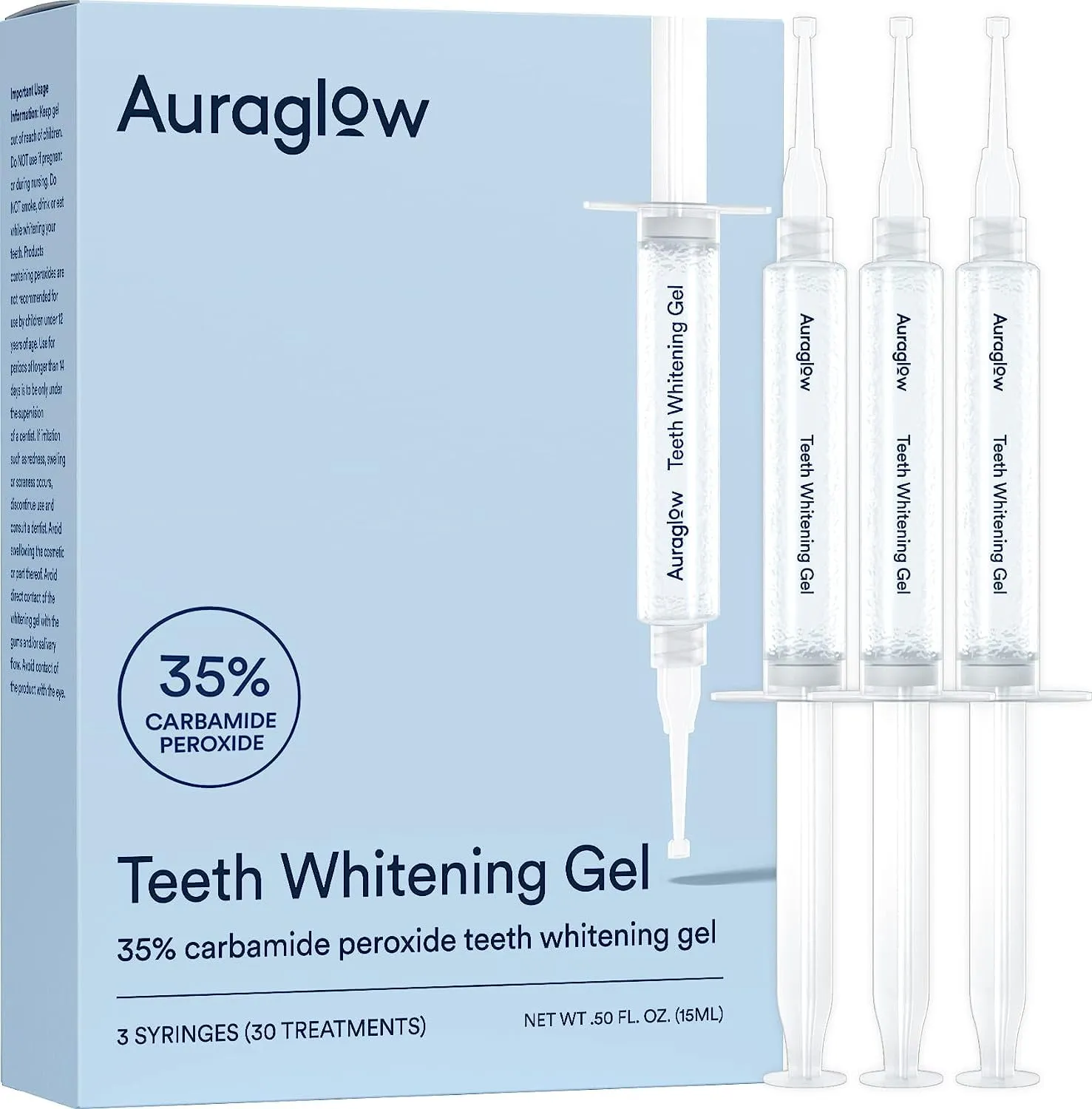
What is a Teeth Whitening Gel Syringe
A teeth whitening gel syringe is a convenient and accessible method for brightening your smile from the comfort of your home. These syringes typically contain a bleaching agent, most commonly hydrogen peroxide or carbamide peroxide, which penetrates the enamel of your teeth to break down stain molecules. They are often used in conjunction with custom-fitted trays or strips, ensuring the whitening gel comes into direct contact with the teeth. The syringes allow for precise application, enabling users to control the amount of gel used, and providing a more targeted approach compared to other over-the-counter whitening options. When utilized correctly, teeth whitening gel syringes offer a relatively affordable and effective way to enhance the aesthetic appearance of your teeth. The strength of the whitening agent, as well as the duration of the treatment, can vary, so understanding the ingredients is crucial for safe and effective use.
Understanding the Ingredients
The Role of Hydrogen Peroxide

Hydrogen peroxide is a powerful oxidizing agent and is a key ingredient in many teeth whitening gel syringes. It works by releasing oxygen molecules that penetrate the porous enamel of the teeth. These oxygen molecules then break down the stain molecules that cause discoloration. The concentration of hydrogen peroxide in the gel is a significant factor in its effectiveness, with higher concentrations often yielding faster results. However, it’s crucial to note that higher concentrations also increase the risk of sensitivity and potential damage to the gums. Always follow the instructions and recommendations provided by your dentist or the product manufacturer to minimize any adverse effects. The action of hydrogen peroxide is immediate and continues to work for a certain period, even after the gel is removed. (Image: hydrogen-peroxide-teeth-whitening.webp)
Carbamide Peroxide Explained
Carbamide peroxide is another common bleaching agent used in teeth whitening gel syringes. It is a derivative of hydrogen peroxide; when it comes into contact with water, it breaks down into hydrogen peroxide and urea. The hydrogen peroxide component then acts to whiten the teeth as described above. Carbamide peroxide is often used because it releases hydrogen peroxide more slowly than hydrogen peroxide alone, which can be beneficial in reducing tooth sensitivity and allowing for extended wear times. The urea component can also act as a moisturizing agent, helping to prevent dehydration of the teeth during the whitening process. It is particularly effective for overnight whitening treatments or for individuals with sensitive teeth. (Image: carbamide-peroxide-teeth-whitening.webp)
How to Choose the Right Concentration
Choosing the right concentration of teeth whitening gel is crucial for achieving optimal results while minimizing risks. The concentration of the active ingredient, either hydrogen peroxide or carbamide peroxide, significantly impacts the whitening power and potential side effects. Over-the-counter products typically contain lower concentrations (around 3-10% hydrogen peroxide or 10-22% carbamide peroxide), making them safer for unsupervised use but potentially less effective for stubborn stains. Professional-grade treatments, administered by a dentist, can use much higher concentrations (up to 40% hydrogen peroxide), offering faster and more dramatic results. If you have sensitive teeth or gums, start with a lower concentration to reduce the risk of irritation. Consulting with your dentist can help you determine the most appropriate concentration based on your oral health condition and desired outcome. Consider the duration of the treatment, as higher concentrations may require shorter application times to avoid potential damage.
Top 5 Secrets of Teeth Whitening Gel Syringe

Secret 1 Proper Application Technique
Proper application is essential for the effectiveness and safety of teeth whitening gel syringes. Begin by brushing your teeth gently to remove any surface debris. Next, apply a small amount of the gel to the tray, ensuring it evenly covers the surface of the teeth. Avoid overfilling the tray, as this can lead to gel leaking onto the gums, causing irritation. Carefully insert the tray into your mouth, making sure the gel comes into contact with the front surface of your teeth. Follow the manufacturer’s instructions for the recommended wear time. After the treatment, remove the tray and rinse your mouth thoroughly. Cleaning the tray after each use is equally important. Proper application is also about consistency. Regular use, as directed, will lead to gradual but noticeable improvements in the brightness of your smile. (Image: teeth-whitening-gel-application.webp)
Secret 2 Maintaining Good Oral Hygiene
Maintaining excellent oral hygiene is fundamental for maximizing the benefits of teeth whitening and preserving your results. Brush your teeth at least twice a day, using a fluoride toothpaste, to remove plaque and prevent the build-up of stains. Floss daily to eliminate food particles and bacteria from between your teeth, where your toothbrush cannot reach. Consider using an antimicrobial mouthwash to further reduce bacteria and freshen your breath. Regular dental check-ups and professional cleanings are also crucial. They can remove any stubborn stains and address potential dental issues before they worsen, ensuring your smile stays bright and healthy. Avoiding foods and drinks that stain teeth, like coffee, tea, and red wine, can also help. Consistent oral hygiene habits will not only enhance the effectiveness of your whitening treatment but also contribute to your overall dental well-being. (Image: oral-hygiene-after-whitening.webp)
Secret 3 Preventing Sensitivity

Teeth sensitivity is a common side effect of teeth whitening treatments, but it can be managed with several preventative measures. Use a toothpaste designed for sensitive teeth, containing ingredients like potassium nitrate, which helps to block the nerve endings in the teeth. Apply the toothpaste to your teeth a few weeks before starting your whitening treatment, and continue using it throughout the process. Avoid consuming extremely hot or cold foods and drinks, as they can exacerbate sensitivity. You can also take breaks during the whitening process, or reduce the duration of each treatment. Your dentist may recommend a fluoride treatment or a desensitizing agent to strengthen the enamel and reduce sensitivity. If sensitivity persists, consult your dentist for guidance and consider adjusting your whitening regimen. (Image: teeth-sensitivity-whitening.webp)
Secret 4 Realistic Expectations
Having realistic expectations is vital when using teeth whitening gel syringes. While these treatments can significantly improve the appearance of your teeth, they are not a permanent solution and do not work for everyone. The degree of whitening depends on the natural color of your teeth, the type of stains, and the concentration of the whitening agent. Results vary from person to person. Some individuals may experience dramatic improvements, while others may see only a subtle change. It is unlikely that teeth will become perfectly white, and the goal is usually to lighten them to their natural shade. The results are also not permanent, as teeth will gradually re-stain over time. Therefore, maintenance is important, and follow-up treatments may be required. Consulting with a dentist before starting the treatment will help you understand the likely outcome and develop a personalized plan.
Secret 5 Consulting a Professional
Consulting a dental professional before using a teeth whitening gel syringe is a crucial step in ensuring a safe and effective whitening experience. A dentist can assess your oral health, identify any underlying dental issues (such as cavities or gum disease), and determine if teeth whitening is appropriate for you. They can also provide personalized recommendations on the most suitable whitening products and concentrations based on your specific needs and sensitivity levels. Professional guidance helps to avoid potential complications, such as tooth sensitivity, gum irritation, or uneven whitening. Your dentist can also monitor your progress and make adjustments to your treatment plan as needed. In addition, a professional cleaning before whitening can remove surface stains and enhance the effectiveness of the treatment. The expert advice from a dentist ensures that you make informed decisions and achieve the best possible results while protecting the health of your teeth.
Potential Risks and Side Effects

Sensitivity and Irritation
Sensitivity is one of the most common side effects of teeth whitening. It occurs because the whitening agents can penetrate the enamel and reach the dentin, which contains the nerve endings. This can lead to temporary discomfort when consuming hot, cold, sweet, or acidic foods and drinks. Gum irritation is another potential side effect, especially if the whitening gel comes into contact with the soft tissues. This can cause redness, swelling, and soreness. Both sensitivity and irritation usually subside shortly after the treatment is completed. To reduce these effects, it is essential to follow the instructions carefully, avoid overusing the product, and consider using a toothpaste designed for sensitive teeth. Consulting with a dentist can also provide helpful advice and suggest methods to minimize these side effects.
Gum Irritation
Gum irritation is another potential adverse effect of teeth whitening gel syringes. It typically arises when the whitening gel comes into contact with the gums, which can happen if the tray does not fit properly or if too much gel is used. This can lead to redness, swelling, and soreness of the gum tissue. To prevent gum irritation, make sure the whitening tray is fitted correctly, and do not overload it with the gel. Wipe off any excess gel that comes into contact with your gums. If irritation occurs, rinse your mouth thoroughly with water and avoid using the whitening gel until the gums have healed. Using a desensitizing toothpaste can also help alleviate discomfort. If the irritation is severe or persistent, consult a dentist for advice.
Enamel Damage

Enamel damage is a less common but more serious potential risk associated with teeth whitening, especially when the treatment is misused or overused. Excessive use of whitening agents, particularly those with high concentrations of hydrogen peroxide or carbamide peroxide, can weaken the enamel and make the teeth more vulnerable to decay and sensitivity. This is why it’s crucial to adhere to the manufacturer’s instructions and consult with a dentist before starting any whitening treatment. The dentist can assess the health of your enamel and recommend a safe and effective treatment plan. They can also provide advice on how to prevent enamel damage, such as using a toothpaste with fluoride to strengthen the enamel and avoiding excessive consumption of acidic foods and drinks.
How to Use a Teeth Whitening Gel Syringe
Step-by-Step Instructions
Using a teeth whitening gel syringe effectively and safely requires following a step-by-step approach. Start with a thorough cleaning of your teeth, brushing and flossing to remove any food particles and plaque. Then, carefully apply the whitening gel into your custom-fitted trays. The amount of gel will vary depending on the product, so refer to the instructions provided. Insert the trays into your mouth, ensuring they fit snugly against your teeth. Wear the trays for the recommended amount of time, which will also depend on the gel’s concentration and the product’s instructions. After the treatment, remove the trays and rinse your mouth thoroughly with water. Clean the trays with cool water, and store the syringe in a cool, dry place. Repeat the process for the number of days indicated, and consult your dentist if you have any concerns or experience unusual side effects.
Preparing Your Teeth

Preparing your teeth is the first crucial step in the teeth whitening process. Begin by brushing your teeth thoroughly with a fluoride toothpaste, ensuring that you reach all surfaces of each tooth. Floss between your teeth to remove any food particles and plaque buildup, as this will enhance the effectiveness of the whitening gel. Rinse your mouth with water to remove any remaining debris, but avoid using mouthwash immediately before whitening, as it can interfere with the gel’s action. Make sure your teeth are dry before applying the gel to the tray. If you have any fillings, crowns, or veneers, keep in mind that the whitening gel will not change their color. Preparing your teeth properly will not only improve the whitening results but also help to minimize potential side effects like sensitivity.
Applying the Gel
Applying the gel correctly is crucial for a successful teeth whitening experience. Start by dispensing a small amount of the whitening gel into the trays, just enough to cover the surfaces of your teeth. Avoid overfilling the trays, which can lead to excess gel leaking onto your gums, causing irritation. Use a small amount of gel per tooth, applying it along the front surfaces. Carefully insert the trays into your mouth, making sure they fit securely and that the gel comes into contact with your teeth. Follow the manufacturer’s instructions regarding the wear time. If any gel spills onto your gums, wipe it off immediately. When the treatment is complete, remove the trays and rinse your mouth thoroughly with water, making sure no gel remains. Properly applying the gel ensures even coverage and can help minimize any potential side effects.
Post-Whitening Care
Proper post-whitening care is essential for maintaining and enhancing the results of your teeth whitening treatment. After removing the trays and rinsing your mouth, avoid consuming staining foods and drinks like coffee, tea, red wine, and dark berries for at least 24 to 48 hours. Continue to maintain good oral hygiene by brushing your teeth twice a day with a fluoride toothpaste and flossing daily. Use a toothpaste designed for sensitive teeth if you experience any discomfort. Avoid smoking, as it can quickly reverse the whitening effects. Schedule regular dental check-ups and cleanings to maintain your oral health and have any stains removed. If you experience any sensitivity or other unusual symptoms, consult your dentist. Following these steps will help you prolong your brighter smile and maintain optimal oral health. (Image: teeth-whitening-gel-syringe-overview.webp)
Alternatives to Teeth Whitening Gel Syringes
Professional Whitening Treatments
Professional teeth whitening treatments, performed by a dentist, offer several advantages compared to at-home methods. In-office whitening treatments typically use higher concentrations of bleaching agents, providing faster and more dramatic results. These treatments are often more effective for deep stains and discolorations that over-the-counter products may not fully address. Dentists can also monitor the process and provide personalized care, reducing the risk of sensitivity and other side effects. Furthermore, professional treatments can include additional procedures, such as the use of special lights or lasers, to enhance the whitening effect. While these treatments are usually more expensive than at-home options, they often deliver superior results and come with the reassurance of professional supervision. If you are seeking the most effective whitening, and have the budget, consider a professional approach. (Image: professional-teeth-whitening.webp)
Over-the-Counter Whitening Products
Over-the-counter (OTC) teeth whitening products provide a convenient and budget-friendly alternative to professional treatments. These products are widely available and include whitening strips, toothpastes, gels, and mouthwashes. Whitening strips are popular because they are easy to use and deliver targeted whitening action. Whitening toothpastes contain mild abrasives that help remove surface stains, while gels and mouthwashes typically contain lower concentrations of peroxide. OTC products are generally less effective than professional treatments, but they can be a good option for maintaining a brighter smile or for those with mild staining. However, it’s essential to follow the product instructions carefully, as misuse can lead to sensitivity or other side effects. Always consult your dentist if you have questions or concerns about OTC teeth whitening products.
Natural Whitening Methods
Several natural methods can help to brighten your smile, although their effectiveness is often limited compared to professional or OTC whitening products. Oil pulling with coconut oil involves swishing the oil in your mouth for several minutes each day to remove bacteria and improve oral health. Baking soda is a mild abrasive that can help remove surface stains, but it should be used sparingly to avoid damaging your enamel. Fruits like strawberries and pineapples contain enzymes that can help whiten teeth, but their effects are typically subtle. It’s essential to note that while these methods may offer some benefits, they are not a substitute for professional dental care or scientifically proven whitening treatments. Always discuss natural methods with your dentist before trying them, and be aware of any potential risks or limitations. These methods are better suited for maintenance or minor surface stains.