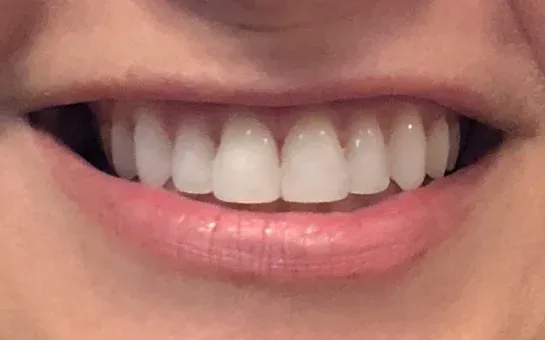
What Causes Teeth Whitening Gel Burns
Teeth whitening, a popular cosmetic procedure, can sometimes lead to adverse effects, and one of the most common is gum irritation or burns. Understanding the causes behind these burns is crucial for both preventing them and knowing how to address them. The primary culprits are the active ingredients in teeth whitening gels, typically hydrogen peroxide or carbamide peroxide. These chemicals are designed to penetrate the enamel and break down stain molecules, but they can also irritate the soft tissues of the mouth if not handled properly. Furthermore, the concentration of the active ingredient, the duration of application, and the method of application all play significant roles in the likelihood of experiencing a burn. It’s essential to be aware of these factors to ensure a safe and effective teeth whitening experience.
Understanding the Chemistry Behind Teeth Whitening
The science behind teeth whitening involves complex chemical reactions. The active ingredients, hydrogen peroxide and carbamide peroxide, release oxygen molecules. These oxygen molecules react with the stain molecules within the enamel and dentin of your teeth, breaking them down and making your teeth appear whiter. However, this process is not without its risks. The same oxidizing action that breaks down stains can also irritate the sensitive tissues of the gums. The balance between achieving a brighter smile and protecting oral health requires careful attention to the product’s formulation and application. Understanding the chemistry helps to appreciate the importance of following instructions and seeking professional guidance when necessary. Improper usage can lead to an imbalance, causing more harm than good.
How Hydrogen Peroxide Works

Hydrogen peroxide is a powerful oxidizing agent commonly used in professional teeth whitening treatments. When applied to the teeth, it penetrates the enamel and dentin, reaching the stain molecules. The oxygen released from hydrogen peroxide breaks down these stain molecules, effectively lightening the teeth. However, the high concentration of hydrogen peroxide used in some treatments can be harsh on the gums, leading to irritation or burns if it comes into contact with the soft tissues. This is why professional applications often involve isolating the gums with protective barriers, ensuring that only the teeth are exposed to the whitening agent. This precise application is key to both the effectiveness and safety of the treatment, minimizing the risk of adverse effects.
The Role of Carbamide Peroxide
Carbamide peroxide is another common ingredient found in teeth whitening gels, particularly in at-home kits. It breaks down into hydrogen peroxide and urea. The urea acts as a hydrating agent, which may reduce sensitivity to the bleaching agent. The urea further breaks down into ammonia and carbon dioxide. Although it is a gentler alternative to hydrogen peroxide, it can still cause gum irritation, especially if used at higher concentrations or for extended periods. Many at-home whitening products use carbamide peroxide to offer effective results with a reduced risk of gum sensitivity compared to professional treatments. Despite this, it is still crucial to follow instructions carefully and be aware of any signs of irritation, as prolonged exposure can result in burns.
Symptoms of Teeth Whitening Gel Burns
Recognizing the symptoms of teeth whitening gel burns is essential for prompt treatment and preventing further complications. The severity of these symptoms can vary depending on the concentration of the whitening agent, the duration of exposure, and individual sensitivity. Common signs include mild irritation, sensitivity, gum inflammation, and in severe cases, tissue damage. The sooner these symptoms are addressed, the better the outcome. Being vigilant and aware of these potential signs of trouble allows for early intervention and improved oral health. If any of these symptoms appear, it’s crucial to cease treatment and seek advice from a dental professional.
Mild Irritation and Sensitivity

Mild irritation and sensitivity are the most common side effects of teeth whitening treatments. These symptoms may include a slight stinging sensation on the gums or increased sensitivity to hot and cold foods and drinks. Usually, this mild discomfort resolves within a few days after the treatment has stopped. If these symptoms persist or worsen, it is important to take action and consult a dentist. Rinsing with a fluoride mouthwash can often help reduce sensitivity, while using a desensitizing toothpaste can provide relief. Avoiding acidic foods and drinks during this period can also help minimize discomfort. With proper care and precautions, mild irritation and sensitivity are usually manageable.
Gum Inflammation and Blisters
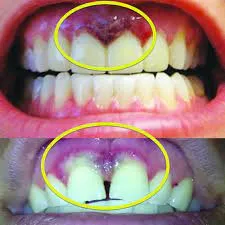
Gum inflammation and blisters are more severe symptoms of teeth whitening gel burns. The gums may appear red, swollen, and tender to the touch. Blisters can form along the gum line, indicating a more significant reaction to the whitening agent. This level of irritation can be quite painful and may interfere with eating and speaking. If these symptoms develop, it is essential to discontinue the whitening treatment immediately and seek professional dental care. A dentist can assess the extent of the damage and recommend appropriate treatments, such as topical medications or specialized oral hygiene routines, to promote healing and prevent further complications. Taking prompt action is crucial for the proper recovery of the affected tissues.
Severe Burns and Tissue Damage
Severe burns and tissue damage are the most serious consequences of teeth whitening gel burns. This can manifest as significant blistering, ulceration, and even the sloughing off of gum tissue. Such damage requires immediate and intensive professional treatment. A dentist will need to carefully assess the extent of the damage, provide pain relief, and possibly prescribe antibiotics to prevent infection. In some cases, surgical intervention may be necessary to promote healing and restore the health of the gums. Individuals experiencing such severe reactions should not attempt to treat themselves; rather, they need to seek immediate professional assistance. The long-term effects of severe burns can be substantial, underscoring the importance of safe whitening practices.
Top 5 Facts About Teeth Whitening Gel Burns

Understanding the specific facts about teeth whitening gel burns can help you navigate the process safely and effectively. Here are five key pieces of information that everyone should know before considering teeth whitening.
Fact 1 The Concentration Matters
The concentration of the active ingredient in teeth whitening gels directly impacts the risk of burns. Higher concentrations of hydrogen peroxide or carbamide peroxide are more effective at whitening teeth but also pose a greater risk of causing irritation and burns. Professional treatments often use stronger concentrations, but protective measures are in place to minimize gum contact. At-home kits typically contain lower concentrations, which are less likely to cause burns but may require longer treatment times. Always adhere to the product’s instructions and consider a lower concentration if you have sensitive gums.
Fact 2 Professional vs DIY Kits
There is a significant difference between professional teeth whitening and at-home kits regarding the risk of burns. Professional treatments, performed by a dentist, often use higher concentrations of whitening agents but incorporate measures to protect the gums, such as custom-fitted trays and isolation techniques. DIY kits, while more affordable, may not offer the same level of protection. Ill-fitting trays, or improper application techniques can lead to increased gum exposure. Choosing between professional and at-home options depends on individual needs, budgets, and tolerance levels. Consulting a dentist can help you make the best choice based on your specific needs and oral health conditions.
Fact 3 Proper Application is Key
Correct application of the teeth whitening gel is crucial to minimize the risk of gum burns. When using at-home kits, carefully follow the instructions provided. Ensure that the whitening gel does not come into contact with your gums. Remove any excess gel and be careful to place the whitening tray correctly, avoiding spillage. During professional treatments, dentists take great care to apply a protective barrier around your gums before applying the whitening agent. Taking the time to apply the product correctly can significantly reduce the chance of irritation.
Fact 4 Sensitivity is Common
Increased tooth sensitivity is a common side effect of teeth whitening, even without burns. This sensitivity typically occurs because the whitening agent can temporarily open the pores in the enamel. This makes the teeth more vulnerable to temperature changes. However, this is not a direct indication of a burn and usually subsides within a few days. Using desensitizing toothpaste before and after treatment can help minimize discomfort. If the sensitivity becomes severe or prolonged, consult your dentist. It’s essential to differentiate between normal sensitivity and the signs of gum burns.
Fact 5 Seek Professional Help
It is essential to seek professional help if you experience any signs of gum burns. A dentist can assess the severity of the damage and recommend appropriate treatment. They can also identify the cause and offer advice on how to prevent future burns. Trying to treat a burn at home could make things worse. Dentists have the expertise and tools to provide effective care and minimize long-term complications. Don’t hesitate to reach out to your dentist if you have any concerns about your oral health.
Preventing Teeth Whitening Gel Burns
Preventing teeth whitening gel burns involves a combination of careful product selection, proper application techniques, and awareness of your oral health. Being proactive and informed can ensure that you achieve a brighter smile while keeping your gums safe and healthy. Following these preventative measures helps you get the best results with a low risk of complications.
Choosing the Right Product
Selecting the right teeth whitening product is the first step in preventing burns. Consider the concentration of the active ingredient and the reputation of the product. If you have sensitive gums, opt for a lower concentration or a product specifically designed for sensitive teeth. Research the brand and read reviews to assess customer experiences. Consulting your dentist is the best way to ensure the chosen product suits your needs. They can also provide recommendations based on your current oral health and any existing dental work. Always choose products that have been approved by the relevant health authorities to ensure quality and safety.
Application Techniques for Safety
Correct application is critical. Before applying the whitening gel, brush your teeth gently and floss to remove any food particles. Use the whitening tray or strips as directed and carefully place them, making sure the gel doesn’t come into direct contact with your gums. Remove any excess gel that might seep out. If using a tray, ensure it fits properly to minimize spillage. Always follow the recommended application time and frequency. Avoid over-whitening your teeth, as this increases the risk of burns and sensitivity. Carefully following the instructions provided in the product packaging is essential.
Managing Sensitivity and Irritation

If you experience mild sensitivity or irritation, there are steps you can take to manage these symptoms. Use desensitizing toothpaste before, during, and after your whitening treatments to help reduce sensitivity. Avoid extremely hot or cold foods and drinks. Rinse your mouth with a fluoride mouthwash, which can strengthen enamel and protect the gums. You can also temporarily reduce the frequency or duration of your whitening treatments. Consult your dentist if symptoms persist or worsen. They may suggest additional treatments or adjustments to your whitening plan. Taking these steps can help minimize discomfort and allow you to continue whitening your teeth safely.
When to Consult a Dentist
Knowing when to consult a dentist is a crucial part of maintaining your oral health while teeth whitening. If you experience any signs of gum burns, such as redness, swelling, blisters, or significant pain, discontinue the whitening treatment and seek immediate dental attention. A dentist can assess the extent of the damage and recommend appropriate treatments. They can also advise you on the underlying causes of the issue and how to prevent future problems. Even if you experience mild sensitivity, and the discomfort persists or worsens over time, schedule a check-up with your dentist. Don’t hesitate to contact your dentist if you have any questions or concerns about teeth whitening.