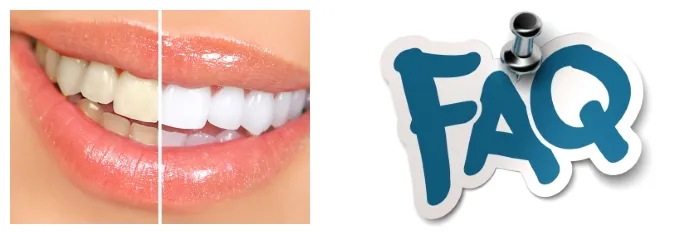
What is Teeth Whitening
Teeth whitening is a popular cosmetic dental procedure designed to lighten the color of your teeth and remove stains and discoloration. It is a minimally invasive process that can significantly enhance the appearance of your smile. This procedure works by using bleaching agents to break down the stains, resulting in a brighter and more attractive appearance. The effectiveness of teeth whitening varies depending on the type of stain and the chosen method, but the results are often immediately noticeable, and with proper maintenance, can last for a considerable period. This makes teeth whitening a go-to solution for those looking to boost their confidence and achieve a more youthful look.
Types of Teeth Whitening
There are various teeth whitening options available, each with its own set of benefits, risks, and costs. Understanding the different types can help you make an informed decision about which method is best suited for your needs and lifestyle. Generally, these treatments fall into two main categories in-office and at-home treatments, each offering a different approach to achieve a brighter smile. Choosing the right method depends on your specific needs, including the severity of staining, your budget, and your desired level of convenience. Consulting with a dental professional is always recommended to determine the most appropriate option for your individual oral health profile.
In-Office Teeth Whitening

In-office teeth whitening, also known as professional teeth whitening, is performed by a dentist in a dental office. This method usually involves applying a high-concentration bleaching agent to the teeth, often combined with a special light or laser to accelerate the whitening process. The procedure is done under controlled conditions, which allows for more dramatic and immediate results, sometimes lightening teeth by several shades in a single session. In-office whitening is ideal for people who want immediate results and are looking for a safe and effective way to significantly improve the color of their teeth. The dentist also takes measures to protect the gums and soft tissues from the bleaching agent.
At-Home Teeth Whitening
At-home teeth whitening involves using whitening products, such as custom-fitted trays or strips, at home. This method offers greater convenience and is generally more affordable compared to in-office treatments. The dentist may provide custom-made trays and bleaching agents to be used at home, offering a balance of safety and effectiveness. Over-the-counter options, such as whitening strips and toothpastes, are also available. While at-home options take longer to produce visible results, they are a viable option for maintaining the whiteness achieved in a professional setting or for those looking for a more budget-friendly solution. Consistent use as directed is key to achieving desired results.
Over-the-Counter Products
Over-the-counter (OTC) teeth whitening products are readily available in drugstores and online. These products include whitening strips, toothpastes, and gels. They are designed for convenience and affordability, providing a simple way to brighten teeth at home. The active ingredients in OTC products are typically lower in concentration than those used in professional treatments. Whitening strips are a popular choice, offering a straightforward application. Whitening toothpastes can help remove surface stains and prevent new stains from forming. While these products may not offer the same dramatic results as professional treatments, they can be effective for maintaining whiteness or for those with mild staining. Always read and follow the product instructions to avoid potential side effects.
Professional Treatments

Professional teeth whitening treatments, performed by a dentist, offer the most effective and reliable way to whiten teeth. These treatments use higher concentrations of bleaching agents than those found in over-the-counter products. The dentist also provides protective measures for the gums and soft tissues, minimizing the risk of irritation and sensitivity. Professional treatments can address a broader range of staining issues, including those caused by medications or genetic factors. These treatments often include custom-made trays for at-home use, to help maintain the results. The process involves a thorough examination of the teeth and gums, ensuring the treatment is safe and appropriate for the patient’s oral health. The results are usually visible immediately, leading to a more confident and brighter smile.
Teeth Whitening FAQs
Is Teeth Whitening Safe
Teeth whitening is generally considered safe when performed under the supervision of a dental professional or when following product instructions carefully. The safety profile of teeth whitening depends on the method used and the individual’s oral health. Professional treatments involve the use of protective measures to minimize potential side effects, such as gum irritation or tooth sensitivity. Over-the-counter products, when used as directed, are also considered safe, but may cause mild sensitivity. Individuals with existing dental issues, such as cavities or gum disease, should consult a dentist before undergoing teeth whitening. Always ensure the product has been approved and tested to minimize safety concerns.
What are the Side Effects

The most common side effects of teeth whitening include tooth sensitivity and gum irritation. Tooth sensitivity can occur because the bleaching agents temporarily make the enamel more porous. Gum irritation may result from the bleaching agent coming into contact with the soft tissues. These side effects are usually temporary and subside shortly after the treatment. In rare cases, individuals may experience more severe sensitivity or other complications. It is important to consult with a dentist or follow the product instructions precisely to reduce the risk of side effects. Using fluoride treatments or desensitizing toothpaste can help mitigate any sensitivity issues. Avoiding foods and drinks that cause staining during and after the treatment can also reduce side effects.
How Long Does Teeth Whitening Last
The longevity of teeth whitening results varies depending on the individual’s lifestyle and oral hygiene habits. Generally, the effects of teeth whitening can last from several months to up to three years. Factors influencing the duration include diet, smoking habits, and overall oral care practices. Consuming staining foods and drinks, such as coffee, tea, and red wine, can cause the teeth to darken over time. Smoking and other tobacco products also lead to quicker discoloration. Maintaining good oral hygiene, including regular brushing, flossing, and dental check-ups, helps preserve the results. Using a whitening toothpaste and periodic touch-up treatments can also extend the life of the whitening effect.
How to Maintain Whitened Teeth
Maintaining whitened teeth requires a combination of good oral hygiene, dietary adjustments, and possibly, touch-up treatments. Brush your teeth twice a day with a whitening toothpaste to remove surface stains. Floss daily to remove plaque and food particles. Avoid or minimize the consumption of staining foods and drinks, such as coffee, tea, red wine, and berries. Rinse your mouth with water after consuming these items to minimize staining. Consider using a straw for beverages to reduce contact with your teeth. If necessary, consult your dentist about touch-up treatments or at-home whitening options to maintain your bright smile. Regular dental check-ups and cleanings can also help keep your teeth white and healthy.
Who is a Good Candidate for Teeth Whitening

Good candidates for teeth whitening are individuals with healthy teeth and gums who are looking to improve the brightness of their smile. People with surface stains caused by food, drinks, or aging typically see the best results. Teeth whitening is generally not recommended for individuals with severe dental issues, such as cavities, gum disease, or sensitive teeth, without prior treatment. Pregnant or breastfeeding women should consult their dentist before undergoing any teeth whitening procedures. Whitening treatments are also not effective on dental restorations, such as crowns or fillings, which is important to consider before treatment. Consulting with a dentist to determine your suitability for teeth whitening is always recommended.
Cost of Teeth Whitening
The cost of teeth whitening varies depending on the type of treatment and the location. In-office whitening treatments are generally more expensive than at-home options due to the professional expertise and advanced technology involved. The cost can range from several hundred to over a thousand dollars, depending on the complexity of the treatment. At-home whitening kits, available over-the-counter or prescribed by a dentist, are usually more affordable. The cost of these kits can range from a few dollars to a few hundred. Keep in mind that the cost may also include the initial consultation, follow-up visits, and maintenance products. Comparing prices and understanding the different treatment options available can help you make an informed decision based on your budget and desired results.
Conclusion
Teeth whitening is an effective cosmetic procedure that can significantly improve your smile and boost your confidence. Whether you choose an in-office treatment or an at-home method, it is important to understand the different options, potential side effects, and maintenance requirements. Consult with a dental professional to determine the best approach for your specific needs and oral health. By following proper care and maintenance, you can enjoy a brighter and more radiant smile for a long time. Remember that a healthy smile is a key component of overall well-being, so consider teeth whitening as part of your comprehensive oral care strategy.