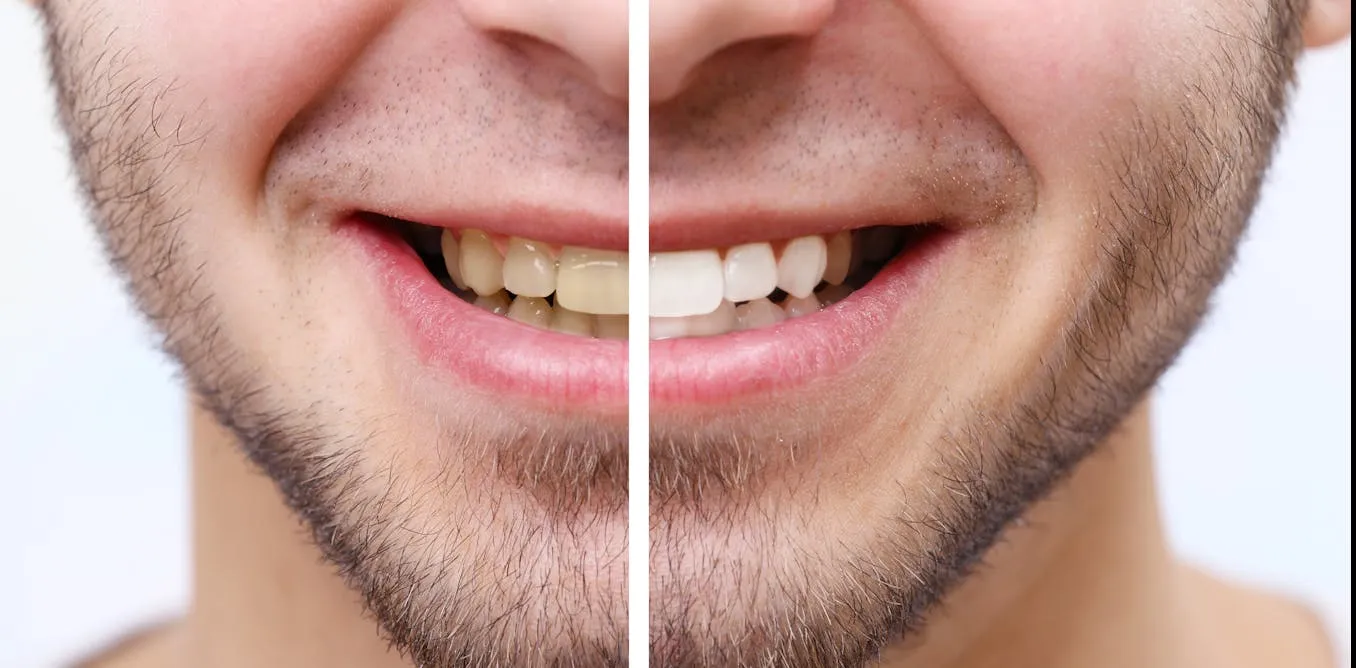
The Truth About Teeth Whitening
Teeth whitening is a popular cosmetic procedure, promising a brighter, more appealing smile. However, it’s essential to be aware of the potential risks associated with these treatments. While many people achieve their desired results without major issues, it’s crucial to understand that teeth whitening isn’t without its drawbacks. The chemicals used to bleach teeth can cause a range of problems, from temporary sensitivity to more serious, long-term issues. This article will delve into the top 5 dangers of teeth whitening, helping you make informed decisions about your dental health and cosmetic choices. Before deciding to whiten your teeth, it’s crucial to be aware of the potential negative impacts to make the best choice for yourself. It’s important to consider the possible risks and side effects that can occur, such as increased sensitivity and potential damage to the enamel and gums.
Sensitivity and Discomfort
One of the most common side effects of teeth whitening is increased sensitivity and discomfort. This often manifests as a sharp, sudden pain or ache when consuming hot or cold foods and drinks. It can also be triggered by air exposure during normal breathing. This is a temporary side effect for many, but it can be quite bothersome. The active ingredients in whitening products, such as hydrogen peroxide or carbamide peroxide, penetrate the enamel and dentin of your teeth, irritating the nerves. This leads to increased sensitivity, which can last for several days or even weeks following the treatment. The intensity of this sensitivity can vary depending on the concentration of the whitening agent and the individual’s tooth structure.
Understanding Tooth Sensitivity

Tooth sensitivity arises because the whitening agents compromise the protective layer of the enamel. This exposure allows the tubules in the dentin, which houses nerve endings, to become more susceptible to external stimuli. The dentin becomes more porous during the whitening process, making it easier for hot or cold substances to reach the nerves, resulting in the sensation of sensitivity. Several factors contribute to how sensitive your teeth will be. If you already have sensitive teeth, are undergoing the whitening process more than recommended, or the concentration of the whitening agent is high, you are at higher risk of experiencing sensitivity. Knowing the reason behind your sensitivity will better help you in deciding which teeth whitening treatments would be the best for you.
Managing Sensitivity
If you experience teeth sensitivity after whitening, there are several ways to manage the discomfort. Using a toothpaste designed for sensitive teeth, which contains ingredients like potassium nitrate, can help block the pain signals to the nerves. Avoiding extremely hot or cold foods and drinks, as well as acidic beverages, can also reduce the irritation. Over-the-counter pain relievers, such as ibuprofen, can help alleviate the pain. In some cases, your dentist may recommend fluoride treatments, which can help strengthen the enamel and reduce sensitivity. If the sensitivity persists or becomes severe, it’s essential to consult with your dentist to rule out any underlying dental issues and determine the best course of action for relief. They may recommend professional treatments or adjust your whitening plan.
Gum Irritation and Damage
Another common risk associated with teeth whitening is gum irritation and damage. This can manifest as inflammation, redness, and soreness of the gum tissues. The bleaching agents used in the whitening process are potent chemicals and can cause irritation if they come into contact with the gums. This often happens when the whitening trays don’t fit properly, or when excess gel leaks out. In-office whitening treatments also carry this risk, as the dentist must carefully apply protective barriers to the gums. This is one of the most common side effects as the gums are sensitive and more susceptible to damage. Additionally, at-home treatments, if not used correctly, can increase the risk of gum damage due to improper tray usage.
Causes of Gum Damage

Several factors can contribute to gum damage during teeth whitening. Using a whitening product with a high concentration of hydrogen peroxide increases the likelihood of irritation. Poorly fitted whitening trays can cause the gel to come into contact with the gums. Prolonged exposure to the whitening agents can also lead to damage. Moreover, individuals with pre-existing gum conditions, such as gingivitis or periodontitis, are more prone to experiencing adverse effects. When using at-home kits, the instructions must be carefully followed to ensure proper use and minimal risks. Even professional treatments performed by a dentist can cause irritation if proper precautions are not taken. The importance of using correct trays and concentrations is important when deciding what teeth whitening method to use.
Preventing Gum Problems
To minimize the risk of gum irritation, it is very important to choose a teeth whitening process carefully. If you are using an at-home whitening kit, ensure that the trays fit properly and that the whitening gel doesn’t leak out. Always follow the instructions carefully and avoid overusing the product. If you’re undergoing in-office whitening, make sure your dentist uses appropriate protective measures, such as a gingival barrier, to shield your gums from the bleaching agents. If you already have gum problems, talk to your dentist before deciding on a whitening treatment. This can help you minimize the risk of gum damage and maintain healthy gums throughout the teeth whitening process. Always speak to your dentist about any concerns you may have before you begin the process.
Enamel Erosion
Enamel erosion is a serious long-term risk associated with teeth whitening, especially when the process is misused or overused. Enamel is the hard, protective outer layer of your teeth, and it is essential for protecting the underlying dentin and pulp from damage. When the enamel erodes, your teeth become more susceptible to decay, sensitivity, and discoloration. The harsh chemicals in some teeth whitening products can weaken the enamel over time, making it more vulnerable. Excessive use of these products or using them too frequently can accelerate this process. Regular teeth whitening can cause your enamel to erode more than usual, making your teeth more susceptible to damage and decay. Additionally, those who already have weaker enamel are at higher risk of experiencing this problem.
The Role of Enamel

Enamel serves as the primary protective barrier for your teeth. It protects the sensitive inner layers of the teeth from temperature changes, acids, and physical trauma. Strong, healthy enamel is critical for maintaining good oral health. When enamel is compromised, it not only increases sensitivity but also leaves the teeth vulnerable to cavities and decay. Without this crucial layer, the underlying dentin is exposed, allowing for easy access for bacteria. This can lead to the faster onset of cavities and more serious dental problems. Enamel erosion can also alter the shape of your teeth and make them appear dull and discolored, impacting your smile’s aesthetic appeal.
How Whitening Affects Enamel
The chemicals in teeth whitening products, especially hydrogen peroxide, can break down the proteins in the enamel, leading to erosion over time. This process makes the enamel thinner, less resistant to acids and physical wear, and more porous. Frequent or improper use of whitening treatments, particularly at high concentrations, can accelerate this effect. When the enamel is damaged, the tooth becomes more prone to staining, making it even more difficult to achieve or maintain a bright smile. To limit this, the process must be done according to the product and or dentist’s instructions. Additionally, those with pre-existing dental issues, such as acid reflux, may experience accelerated enamel erosion because their teeth are already exposed to acid.
Ways to Protect Enamel
To protect your enamel during teeth whitening, it is important to follow all instructions, including the frequency and duration of treatment. Choose products with lower concentrations of hydrogen peroxide or carbamide peroxide, as these are less likely to cause damage. Consider using a toothpaste that contains fluoride, which helps to remineralize and strengthen the enamel. Avoid consuming acidic foods and drinks immediately after whitening, as these can further erode the enamel. Be sure to also consult with your dentist before undergoing any whitening treatment, especially if you have sensitive teeth or a history of enamel erosion. They can recommend safe and effective whitening options and provide guidance on how to protect your enamel throughout the process. You can also get professional treatments that help to protect your enamel.
Uneven Whitening and Unsatisfactory Results

While teeth whitening aims for a brighter, more uniform smile, it can sometimes lead to uneven whitening and disappointing results. This can happen for several reasons, including the type of stains you have, the condition of your teeth, and the method of whitening you choose. Some teeth might not respond well to the whitening process, resulting in a patchy appearance. Darker stains, such as those caused by tetracycline antibiotics, can be particularly difficult to treat and may require multiple sessions or alternative methods. Some people may have a variety of shades across their teeth, making uniform whitening more challenging. This can be frustrating for individuals who expect a dramatic transformation.
Why Whitening Isn’t Always Even
Several factors contribute to uneven whitening results. The natural color of your teeth plays a significant role, as some teeth are naturally more yellow or grey than others. The type of stains also impacts the effectiveness of whitening. Surface stains, caused by coffee, tea, or tobacco, tend to respond better to whitening than deeper stains. Underlying dental conditions, like cavities or fillings, can also affect the results, as the whitening agents do not work on these materials. Improper application of the whitening agent, such as not covering all surfaces evenly, can lead to an uneven appearance. This is why dentist recommendations are very important before and during the whitening process. Furthermore, if you have dental work done, such as fillings, crowns, or veneers, those will not whiten in the same way your natural teeth do.
Improving Whitening Outcomes
To improve your chances of achieving a more uniform and satisfying whitening outcome, consider these tips. Before starting any whitening treatment, consult your dentist to assess your teeth and determine the best approach. They can identify any underlying issues and recommend the most appropriate whitening method. If you have stubborn stains, your dentist may recommend professional cleaning before the whitening treatment. Be sure to follow the product instructions carefully and apply the whitening agent evenly to all surfaces of your teeth. If you are using at-home kits, make sure the trays fit well and that you are not applying too much gel. If your teeth do not respond well to one type of whitening method, your dentist may recommend another method to meet your expectations. Discuss your expectations with your dentist to avoid unrealistic results and set achievable goals.
Potential Allergic Reactions

Although rare, allergic reactions to teeth whitening products are a possibility. These reactions can range from mild to severe, and it’s important to be aware of the symptoms and what to do if they occur. The chemicals in whitening agents, such as hydrogen peroxide or carbamide peroxide, can trigger an allergic response in some individuals. These reactions can manifest in various ways, affecting the skin, gums, and other areas of the mouth. If you have any known allergies, especially to chemicals, it is crucial to check the product ingredients before deciding to undergo a whitening treatment. By educating yourself about potential allergens and knowing how to react when you see a reaction, you can ensure your safety during the teeth whitening process.
Identifying Allergens
Several ingredients in teeth whitening products can trigger allergic reactions. Hydrogen peroxide and carbamide peroxide are the primary bleaching agents, and although not typically allergens, they can cause irritation in some individuals. Other ingredients, such as flavoring agents, preservatives, or additives, may also cause allergic responses. Common allergens include certain flavorings, dyes, or preservatives used in whitening products. If you have a history of allergies, carefully review the product’s ingredient list. If you’re unsure of an ingredient, it’s best to consult your dentist. They can help identify potential allergens and recommend safer alternatives. To avoid any severe reactions, consider a patch test before applying the product to your entire mouth. This will help you determine if you have an allergic reaction to the product.
What To Do About Allergic Reactions
If you suspect an allergic reaction to a teeth whitening product, it is important to take immediate action. Mild reactions might include itching, swelling, or redness of the gums or soft tissues of the mouth. Discontinue use of the product immediately. Rinse your mouth with water and consult your dentist. They might recommend antihistamines or other medications to alleviate your symptoms. Severe allergic reactions, which may include difficulty breathing, swelling of the face or throat, or hives, require immediate medical attention. Seek emergency medical care as soon as possible. Inform the medical professionals about the product you used, so they can administer the proper treatment. In all cases, consult your dentist to assess the allergic reaction and discuss alternative teeth whitening methods. They can offer you safer whitening treatments that won’t lead to an allergic reaction.
Conclusion

Teeth whitening offers a quick way to brighten your smile, but it’s crucial to be aware of the potential risks involved. From temporary sensitivity and gum irritation to enamel erosion and potential allergic reactions, several factors can negatively impact your oral health. By understanding these risks and taking appropriate precautions, you can make informed decisions and choose safer alternatives. If you are considering teeth whitening, consult your dentist to discuss your options. They can assess your oral health, recommend the best treatment, and provide guidance on how to protect your teeth and gums. Make sure you are well-informed about the procedure before you decide, and remember that healthy teeth are always the most beautiful. Prioritizing your dental health is always the best way to maintain a bright and healthy smile.