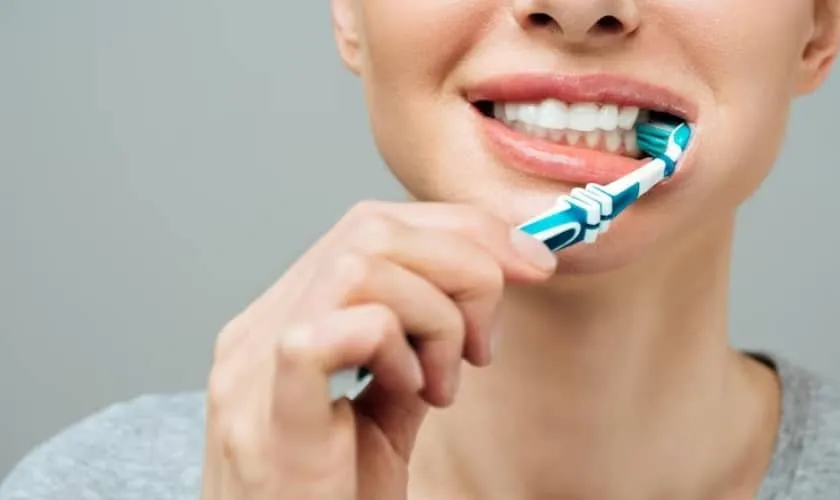
Should You Brush After Teeth Whitening?
Teeth whitening is a popular cosmetic procedure that can significantly enhance the appearance of your smile. However, the effectiveness and longevity of your whitening treatment can be greatly influenced by your post-whitening oral hygiene habits. One of the most common questions people have after whitening their teeth is, “Should you brush your teeth after whitening?” The answer isn’t a simple yes or no. Instead, it involves understanding the delicate state of your teeth and the best practices for maintaining your newly whitened smile. This article will guide you through the crucial aspects of brushing after teeth whitening, providing you with the knowledge to ensure optimal results and protect your teeth.
Why Wait to Brush After Whitening?
Brushing immediately after a teeth whitening treatment isn’t usually recommended. This is because your teeth are more vulnerable right after the procedure. Understanding the reasons behind this recommendation is vital for safeguarding your oral health and maximizing the benefits of the whitening process. Several factors make it important to delay brushing.
Increased Tooth Sensitivity

Teeth whitening treatments often involve the use of bleaching agents, such as hydrogen peroxide or carbamide peroxide. These substances can temporarily increase tooth sensitivity. Brushing too soon after whitening can exacerbate this sensitivity, causing discomfort and potentially hindering your ability to maintain good oral hygiene practices. During the whitening process, the enamel pores open up, making the teeth more susceptible to external stimuli, including the mechanical action of brushing.
Enamel Softening
The whitening process can also temporarily soften the enamel. Enamel is the hard, protective outer layer of your teeth. When enamel is softened, it becomes more vulnerable to abrasion. Aggressive brushing immediately after whitening can erode the enamel, potentially leading to long-term damage and increased sensitivity. Therefore, allowing the enamel to re-harden is crucial before resuming your regular brushing routine.
Potential for Stain Absorption
Immediately after whitening, the enamel’s pores are more open, making your teeth more susceptible to staining from food and beverages. Brushing too soon can potentially scrub the whitening agents away and also introduce color pigments from your toothpaste into the enamel. This can reduce the effectiveness of the whitening treatment and potentially lead to uneven results or premature staining. It is best to avoid any potential sources of staining to maximize the outcome of the teeth whitening.
How Long Should You Wait to Brush?

The optimal waiting period before brushing after teeth whitening is a crucial aspect of maintaining your newly whitened smile and ensuring the best outcomes. It is a balance between allowing the teeth to recover and maintaining good oral hygiene. The general recommendation provides a safe window for both protecting your teeth and ensuring you can effectively clean your mouth.
Optimal Timing for Brushing After Whitening
Most dentists advise waiting for at least 30 minutes to an hour after a teeth whitening treatment before brushing your teeth. This waiting period allows the enamel to re-harden and minimizes the risk of sensitivity. It also prevents the absorption of stains. In cases of professional whitening procedures, your dentist may provide specific guidelines based on the treatment used.
Gentle Brushing Techniques
When you do resume brushing, it’s essential to adopt gentle techniques to protect your teeth. This involves the choice of toothbrush, the pressure applied, and the type of toothpaste you use. These practices minimize any potential damage to your enamel and gums while effectively cleaning your teeth. The right approach ensures that your teeth remain healthy and the whitening results last longer.
Soft-Bristled Toothbrush

Always use a soft-bristled toothbrush. Soft bristles are much gentler on your teeth and gums compared to medium or hard bristles. They are effective at removing plaque and debris without causing abrasion or damage to your enamel. Consider a toothbrush with rounded bristles for even greater gentleness. Replace your toothbrush every three months or sooner if the bristles become frayed.
Light Pressure
Apply light pressure when brushing. Avoid scrubbing your teeth vigorously, as this can wear down the enamel. Use a circular or gentle back-and-forth motion. The goal is to clean your teeth thoroughly without causing any harm. If you notice your toothbrush bristles splaying out quickly, you are likely brushing too hard. The use of light pressure helps reduce the chances of sensitivity and damage to your teeth.
Recommended Toothpaste
Choosing the right toothpaste is just as important as your brushing technique. Certain ingredients can either help or hinder your oral health and the longevity of your whitening results. Being mindful of your toothpaste ingredients will help you maintain your bright, healthy smile for a long time.
Fluoride Toothpaste

Use fluoride toothpaste. Fluoride helps to strengthen your enamel and reduce the risk of sensitivity. It remineralizes the enamel, making it more resistant to acid attacks and cavities. Fluoride toothpaste is a staple in oral hygiene and is especially beneficial after whitening to protect your teeth.
Avoiding Abrasive Ingredients
Avoid toothpaste with abrasive ingredients, such as silica or baking soda, immediately after whitening. These ingredients can scratch your enamel when it’s in a softened state. Check the ingredient list and opt for toothpaste that is gentle and designed for sensitive teeth. Using non-abrasive toothpaste can help protect your teeth from damage and ensure the whitening treatment lasts.
Alternative Oral Hygiene Practices
While brushing is a crucial part of oral hygiene, there are other practices you can incorporate to keep your mouth clean and your teeth healthy, especially after a teeth whitening procedure. Mouthwash and flossing can complement brushing and help remove any debris and bacteria, promoting overall oral health.
Mouthwash Usage

Use a non-alcoholic mouthwash. Alcohol-based mouthwashes can dry out your mouth, which can increase sensitivity and potentially stain your teeth. Look for alcohol-free mouthwashes with fluoride to strengthen your enamel and help protect against cavities. Rinsing your mouth with mouthwash after whitening is an excellent way to ensure cleanliness. Remember to use it at least 30 minutes after whitening and not immediately before brushing.
Flossing Practices
Floss your teeth gently but thoroughly. Flossing helps remove food particles and plaque from between your teeth, where your toothbrush can’t reach. Be extra careful not to irritate your gums, especially if you experience sensitivity. It is important to floss once a day, preferably before brushing. This helps remove any loose debris and particles. This can help your brushing be more effective.
Top 5 Tips for Post-Whitening Brushing
To make the most of your teeth whitening and keep your smile bright and healthy, here are five essential tips to follow:
Tip 1: Wait At Least 30 Minutes

Give your teeth at least 30 minutes to an hour after whitening before brushing. This allows time for the enamel to re-harden and reduces the risk of sensitivity.
Tip 2: Use a Soft-Bristled Brush
Always use a soft-bristled toothbrush to gently clean your teeth without causing any abrasion or damage.
Tip 3: Choose Non-Abrasive Toothpaste
Select a toothpaste that is specifically designed for sensitive teeth and free from abrasive ingredients to protect your enamel.
Tip 4: Gentle Brushing

Brush your teeth with a gentle, circular motion, avoiding excessive pressure, and scrubbing that can damage the enamel.
Tip 5: Consider Rinse
Consider using a non-alcoholic, fluoride-containing mouthwash. Mouthwash can help keep your mouth clean. It can also help protect your teeth from cavities and sensitivity.
Conclusion
Proper oral hygiene practices after teeth whitening are crucial to the success of your treatment and the longevity of your bright smile. By waiting the recommended time before brushing, using a soft toothbrush, choosing a non-abrasive toothpaste, and brushing gently, you can protect your teeth from sensitivity and damage. Incorporating alternative practices like mouthwash and flossing will further enhance your oral health. Following these top 5 tips ensures that you not only maintain a beautifully whitened smile but also promote overall dental health and prevent potential issues. Remember to consult with your dentist for personalized advice and to address any specific concerns you may have. With the right care, you can enjoy a confident, radiant smile for years to come.