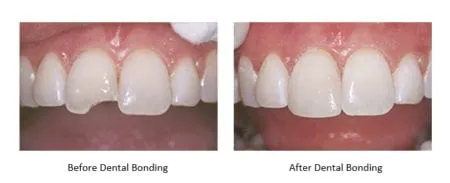
What is Teeth Whitening Bonding
Teeth whitening bonding is a versatile and effective cosmetic dental procedure used to enhance the appearance of teeth. It involves the application of a tooth-colored composite resin material to the surface of the teeth. This resin is then hardened using a special curing light, effectively bonding it to the tooth structure. Teeth whitening bonding can address various aesthetic concerns, including discoloration, chips, cracks, gaps, and minor imperfections. It provides a quick and often less expensive alternative to more extensive procedures like veneers or crowns. The procedure is minimally invasive, typically preserving the natural tooth structure while delivering noticeable improvements in the smile’s overall look.
This method is particularly favored for its ability to create a natural-looking, brighter smile. It is suitable for both single-tooth issues and for more comprehensive smile makeovers. The composite resin can be matched to the existing tooth color, or it can be used to lighten the shade of the teeth, thus offering a dual benefit of addressing both structural and color imperfections. The procedure usually requires a single visit, making it a convenient option for those seeking immediate cosmetic improvements. The longevity of the bonding depends on the care taken, with regular dental check-ups and avoidance of staining foods being crucial.
Teeth Whitening Bonding — The Process
The teeth whitening bonding process is typically completed in a single dental visit, making it a convenient choice for patients looking for immediate aesthetic improvements. Initially, the dentist will assess the patient’s teeth and discuss the desired outcome, including the shade of whiteness and any structural changes to be made. The tooth surface is then prepared, often by gently roughening it to ensure the composite resin adheres properly. This preparation is usually painless and does not require anesthesia. Following preparation, the dentist applies the composite resin, meticulously shaping it to the desired form to correct imperfections and create a brighter, more uniform appearance.
Once the resin is shaped, a special curing light is used to harden it, effectively bonding it to the tooth. The dentist will then carefully trim, shape, and polish the bonded material to match the surrounding teeth and achieve a natural-looking finish. The entire process, from preparation to polishing, usually takes between 30 minutes to an hour per tooth. The final result is a brighter, more aesthetically pleasing smile with minimal discomfort. The ease and speed of the process make teeth whitening bonding a popular option for quick and effective cosmetic improvements. The overall success of the process depends largely on the dentist’s skill and the patient’s adherence to aftercare instructions.
Preparing for Teeth Whitening Bonding

Preparation is a crucial step to ensure the success and longevity of teeth whitening bonding. Before the procedure, a thorough consultation with the dentist is necessary to discuss the patient’s goals and expectations. The dentist will examine the teeth to determine if teeth whitening bonding is the most suitable option and discuss the potential benefits and limitations of the procedure. This includes assessing the health of the teeth and gums, identifying any existing issues such as cavities or gum disease, and addressing them before bonding. The dentist will also discuss the desired shade of the composite resin and the overall aesthetic outcome.
It’s often recommended to have a professional teeth cleaning before the bonding procedure. This helps remove any plaque or stains, allowing the dentist to better assess the natural color of the teeth and choose the appropriate shade for the bonding material. Patients may also be advised to avoid certain foods and beverages that can stain teeth, such as coffee, tea, and red wine, in the days leading up to the procedure. This is to ensure the bonding material matches the desired shade and is not compromised by any staining agents. Following these preparatory steps will significantly contribute to a successful and satisfying outcome of teeth whitening bonding.
Consultation and Assessment
The initial consultation and assessment phase is critical in planning and executing a successful teeth whitening bonding procedure. During this step, the dentist conducts a comprehensive examination of the patient’s oral health, paying close attention to the condition of the teeth, gums, and overall bite. This includes looking for signs of decay, gum disease, and any existing restorations. The dentist will also assess the patient’s aesthetic goals and discuss the various options available to achieve the desired outcome. This may involve taking digital photographs and X-rays to get a clearer picture of the teeth’s structure and any underlying issues.
The assessment also includes a discussion of the patient’s medical history, including any allergies or sensitivities to dental materials. This ensures that the chosen materials and techniques are safe and suitable for the individual patient. The dentist will also explain the teeth whitening bonding process, including its benefits, limitations, and potential risks. This allows the patient to make an informed decision about whether teeth whitening bonding is the right choice for them. The consultation phase is an opportunity for the patient to ask questions and express any concerns they may have. The dentist will then create a personalized treatment plan tailored to the patient’s specific needs and aesthetic goals.
Teeth Whitening Phase
If teeth whitening is part of the overall treatment plan, it’s often performed before the bonding procedure. This ensures that the composite resin used for bonding matches the newly whitened shade of the teeth. The whitening process can be done in-office, using professional-strength whitening agents, or at home, with custom-fitted trays and take-home whitening gels prescribed by the dentist. In-office whitening typically involves applying a high-concentration bleaching solution to the teeth and activating it with a special light. The process is usually completed in one or more sessions, with each session lasting about an hour. The results are often visible immediately, providing a noticeable improvement in the teeth’s brightness.
For at-home whitening, patients are provided with custom-fitted trays and whitening gel, and instructed to wear the trays for a specific amount of time each day, usually for a few weeks. The at-home method allows for gradual whitening, with results becoming visible over several weeks. It’s important to follow the dentist’s instructions carefully to achieve the desired outcome and minimize any potential sensitivity. Teeth whitening can significantly enhance the results of the bonding procedure, providing a brighter, more uniform smile. However, it’s important to note that teeth whitening does not change the color of the bonding material itself, so this is a key step to be considered before the actual bonding application to match the color with the rest of your teeth.
Bonding Application

The bonding application is a precise process where the dentist carefully applies the composite resin to the tooth surface. The dentist will first prepare the tooth by roughening its surface to ensure the resin adheres properly. Next, the dentist will apply a conditioning liquid to further aid adhesion. The composite resin, which is a tooth-colored material, is then meticulously applied to the tooth. The dentist will carefully shape and mold the resin to correct imperfections, such as chips, cracks, or gaps, and to enhance the overall appearance of the tooth. This involves layering the resin and sculpting it to achieve the desired shape and contour.
Once the resin is shaped, a special curing light is used to harden it, effectively bonding it to the tooth. The light emits a specific wavelength that activates the chemical reaction within the resin, causing it to harden within seconds. After the resin is cured, the dentist will carefully trim any excess material and make final adjustments to the shape of the tooth. The dentist may also polish the bonded area to create a smooth, natural-looking finish. This step is crucial to ensure that the bonded tooth blends seamlessly with the surrounding teeth and feels comfortable. The bonding application is often performed on a single tooth, but it can also be used to correct multiple teeth.
Shaping and Polishing
Shaping and polishing are the final steps in the teeth whitening bonding process, crucial for achieving a natural-looking and aesthetically pleasing result. After the composite resin has been hardened, the dentist carefully trims and shapes the bonded material to match the surrounding teeth and create a harmonious smile. This involves using specialized dental tools to remove any excess material and refine the contours of the tooth. The dentist pays close attention to detail, ensuring that the shape and size of the bonded tooth blend seamlessly with the adjacent teeth, creating a natural appearance that is indistinguishable from the original teeth.
Once the shaping is complete, the dentist polishes the bonded area to create a smooth, glossy surface. Polishing removes any minor imperfections and gives the tooth a natural shine. The dentist uses a series of fine-grit polishing instruments and pastes to achieve a high-gloss finish, which also helps to prevent staining and plaque buildup. The polishing process not only enhances the aesthetics but also ensures that the bonded tooth feels smooth and comfortable against the tongue and lips. The dentist carefully checks the bite and adjusts the bonding as needed to ensure proper functionality. The final result is a beautifully restored tooth that looks and feels natural, blending seamlessly with the rest of the smile.
Aftercare Tips for Teeth Whitening Bonding
Proper aftercare is essential to maintain the appearance and longevity of teeth whitening bonding. After the procedure, patients should follow specific instructions provided by their dentist to ensure the best results. This includes avoiding certain foods and beverages that can stain the bonding material, such as coffee, tea, red wine, and dark-colored berries. It’s also important to refrain from smoking, as nicotine can discolor the bonding. Maintaining good oral hygiene is crucial; this involves brushing twice a day with a soft-bristled toothbrush and flossing daily to remove plaque and debris. Using a non-abrasive toothpaste is recommended to prevent scratching the bonding surface.
Regular dental check-ups and professional cleanings are essential to monitor the condition of the bonding and ensure it remains in good shape. The dentist can also identify and address any potential issues early on. Patients should avoid biting on hard objects, such as ice, pens, or fingernails, as this can chip or damage the bonding. If any changes are noticed, such as chipping, staining, or discomfort, the patient should contact the dentist immediately. By following these aftercare tips, patients can enjoy their brighter, more beautiful smiles for many years. It’s important to remember that the longevity of the bonding material depends on proper care and maintenance.
Maintaining Your Bright Smile

Maintaining a bright smile after teeth whitening bonding involves a commitment to good oral hygiene and lifestyle choices. Consistent brushing and flossing are the cornerstones of a healthy mouth. Brushing twice a day with a soft-bristled toothbrush and fluoride toothpaste helps remove plaque and debris, preventing stains and maintaining the bonding’s appearance. Flossing daily is crucial to remove food particles and plaque from between the teeth, which brushing cannot reach. Regular dental check-ups and professional cleanings are also essential for maintaining the bonding’s appearance and identifying any potential issues early on. The dentist will assess the condition of the bonding, clean the teeth thoroughly, and provide guidance on maintaining oral health.
Dietary choices play a significant role in preserving the results of teeth whitening bonding. Limiting the consumption of staining foods and beverages, such as coffee, tea, red wine, and dark-colored berries, can help prevent discoloration of the bonding material. Avoiding smoking and chewing tobacco is also crucial, as these habits can stain the teeth and the bonding. Consider using a straw for beverages that can stain the teeth, such as coffee and tea, to minimize contact with the teeth. By adopting a consistent oral hygiene routine, making mindful dietary choices, and attending regular dental appointments, you can enjoy your bright smile for many years to come.
Common Issues and Solutions
While teeth whitening bonding is a generally successful procedure, some common issues can arise, and understanding them can help in maintaining a healthy and beautiful smile. One common concern is staining of the bonding material. This can occur over time due to the consumption of staining foods and beverages, such as coffee, tea, and red wine. The solution is to limit the intake of these items and to practice good oral hygiene, including regular brushing and flossing. Professional teeth cleaning can also help to remove surface stains.
Another potential issue is chipping or cracking of the bonding material. This can occur due to biting on hard objects, teeth grinding, or trauma to the teeth. If chipping or cracking occurs, the dentist can usually repair the bonding material by adding new composite resin. In severe cases, the bonding may need to be replaced. Sensitivity is another potential issue after the procedure. Some patients may experience temporary sensitivity to hot or cold foods and beverages. This sensitivity usually subsides within a few days or weeks. To manage sensitivity, the dentist may recommend using toothpaste for sensitive teeth and avoiding extremely hot or cold foods.