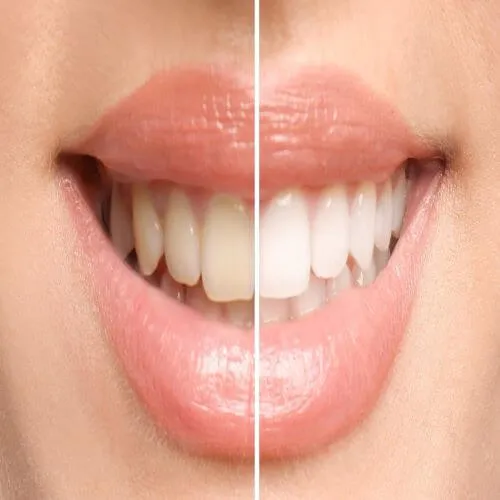
Understanding Teeth Whitening Beverly Hills CA
Teeth whitening has become a highly sought-after cosmetic procedure, particularly in the affluent enclave of Beverly Hills, CA. Residents here often prioritize aesthetics, and a bright, white smile is seen as a key component of a polished appearance. Numerous dental practices in Beverly Hills specialize in teeth whitening, offering a variety of techniques to cater to individual needs and preferences. This comprehensive guide delves into the secrets of achieving a dazzling smile in Beverly Hills, covering everything from the underlying science of whitening to the different methods available. It aims to equip readers with the knowledge necessary to make informed decisions about their dental health and achieve the best possible results.
The Science Behind Teeth Whitening
At the heart of teeth whitening is a chemical process that leverages the power of oxidation. Discoloration on teeth arises primarily from organic molecules that get embedded within the enamel’s porous structure. Whitening agents, such as hydrogen peroxide or carbamide peroxide, are the key players in this process. They work by releasing oxygen molecules. These oxygen molecules then penetrate the enamel and dentin, effectively breaking down the stain-causing compounds into smaller, less visible components. The effectiveness of the treatment is influenced by the concentration of the active ingredient, the duration of exposure, and the specific type of stains present. Understanding this scientific process helps to explain why different methods yield varying results and why professional treatments often offer more dramatic and consistent outcomes compared to over-the-counter options. This reaction effectively lifts stains, revealing the natural color of the teeth and enhancing overall aesthetics.
How Teeth Whitening Works

Teeth whitening treatments operate on a simple yet effective principle: using bleaching agents to lighten the color of your teeth. These agents, most commonly hydrogen peroxide or carbamide peroxide, are designed to break down the stains and discolorations that accumulate on the tooth surface. The whitening process typically involves applying the bleaching agent directly to the surface of the teeth. Once applied, the bleaching agent penetrates the enamel and dentin, where it reacts with the stain molecules. The oxygen molecules released by the bleaching agent then break down the stain molecules, making them less visible and improving the overall appearance of the teeth. Professional treatments may use special lights or lasers to accelerate the process, which enhances the effectiveness and speed of whitening. The duration of the treatment and the number of sessions required will vary depending on the chosen method and the extent of the staining.
Types of Teeth Whitening Beverly Hills CA
Beverly Hills, CA, offers a wide array of teeth whitening options, allowing individuals to choose the method best suited to their needs and preferences. These options span the spectrum from advanced professional treatments performed in a dental office to convenient at-home kits. The best approach will depend on several factors, including your budget, the degree of staining, and the desired level of whitening. Consulting with a qualified dentist is a crucial first step to determine the most suitable method for your specific oral health situation. Your dentist will evaluate your teeth, discuss your goals, and explain the pros and cons of each available option. A thorough understanding of the different types of teeth whitening will enable you to make an informed decision that leads to a confident and radiant smile.
In-Office Teeth Whitening
In-office teeth whitening, also known as professional teeth whitening, is conducted by a licensed dentist within the confines of their practice. This method is renowned for delivering the most rapid and effective results. The process typically involves the application of a high-concentration bleaching agent, often hydrogen peroxide. To protect the soft tissues of the mouth, a protective barrier is meticulously placed over the gums. The bleaching agent is then applied to the teeth, and in many cases, a specialized light or laser is used to expedite the whitening process. The in-office method can often achieve significant whitening improvements in just one or two visits, making it a popular choice for those seeking immediate and noticeable changes in the shade of their teeth. This approach is beneficial as the dentist closely monitors the entire procedure, minimizing risks and maximizing the chances of a successful outcome.
Benefits of In-Office Whitening

In-office teeth whitening provides several key advantages. One of the primary benefits is the speed with which results are achieved. The higher concentration of bleaching agents, combined with the use of specialized lights, can lead to dramatic whitening in a relatively short timeframe, often just a single visit or two. Another significant advantage is the supervision of a dental professional throughout the entire process. The dentist can carefully monitor the treatment, ensuring the safety of the gums and other soft tissues. They can also address any sensitivity issues that may arise during the procedure. In-office whitening often produces more consistent and effective results, especially for those with stubborn stains or significant discoloration. With professional oversight, patients can feel confident in achieving optimal results while knowing the process is being handled safely and efficiently.
At-Home Teeth Whitening Options
For those seeking a more flexible and cost-effective solution, at-home teeth whitening options provide a convenient alternative. These methods typically include custom-fitted trays provided by your dentist or over-the-counter products. At-home kits empower you to whiten your teeth in the comfort of your home, following the instructions provided by your dentist or the product manufacturer. While these methods may require more time to achieve the desired results compared to in-office treatments, they offer greater flexibility. It’s important to consult with your dentist before starting any at-home whitening regimen to ensure it’s a suitable choice for your oral health and to avoid potential complications. When used correctly, at-home whitening can effectively improve the appearance of your smile.
Over-the-Counter Whitening Products
Over-the-counter (OTC) teeth whitening products are readily accessible at drugstores, supermarkets, and online retailers. These include whitening toothpastes, strips, and gels. Whitening toothpastes generally contain mild abrasives or chemical agents that help to remove surface stains. Whitening strips are thin, flexible strips coated with a peroxide-based whitening gel. They are applied to the teeth for a specified amount of time each day. OTC whitening gels are applied using a tray or brush. While these products offer convenience and affordability, they typically contain lower concentrations of whitening agents compared to professional treatments, and the results may be less pronounced. It’s essential to carefully follow the product instructions and consult with your dentist if you experience any sensitivity or have any concerns.
Custom Whitening Trays

Custom whitening trays represent an upgrade from over-the-counter products, providing a more personalized approach to at-home whitening. Your dentist will create these trays by taking impressions of your teeth, ensuring a precise, customized fit. These custom-fitted trays are then used in conjunction with a prescription-strength whitening gel, which has a higher concentration of active ingredients than those found in OTC products. This personalized approach ensures that the whitening gel comes into contact with all tooth surfaces, leading to a more uniform whitening effect while reducing the likelihood of gum irritation. Custom trays offer a good balance of effectiveness and convenience, enabling you to achieve significant whitening results from the comfort of your own home, under the professional guidance of your dentist.
Choosing the Right Teeth Whitening Method
Selecting the appropriate teeth whitening method requires careful consideration of your individual needs and preferences. It’s important to assess factors such as the severity of your stains, your budget, and the amount of time you are willing to dedicate to the process. For individuals seeking rapid and dramatic results, in-office whitening is often the most effective option. If you prefer a more affordable and convenient approach, at-home treatments may be more suitable. Consulting with your dentist is crucial before starting any whitening treatment. They can thoroughly assess your oral health, discuss your goals and expectations, and recommend the most effective and safest method for your specific situation. Choosing the right method ensures that you achieve your desired results while safeguarding the health of your teeth and gums, leading to a confident and radiant smile.
Factors to Consider
Several critical factors should influence your decision when choosing a teeth whitening method. These include the extent and type of tooth discoloration, your current oral health status, your budget, and the degree of whitening you hope to achieve. If you have sensitive teeth or other dental conditions, it’s essential to discuss these concerns with your dentist before starting any treatment. Your dentist can then recommend the most appropriate approach to minimize sensitivity and prevent complications. The cost of treatment varies significantly depending on the chosen method, so understanding your budget is key. Also, carefully consider the time commitment involved and the level of whitening you anticipate. By carefully weighing these factors, you can select the treatment that best aligns with your needs and aspirations, resulting in a successful outcome and a brighter, more appealing smile.
Finding a Qualified Dentist in Beverly Hills CA

In Beverly Hills, CA, finding a qualified dentist for teeth whitening is crucial to ensure a safe and effective procedure. Look for dentists with extensive experience in cosmetic dentistry and a strong reputation within the community. Research and read online reviews, testimonials, and view before-and-after photos to assess their expertise and the quality of their work. Schedule consultations with several dentists to discuss your goals, ask questions about their specific methods, the materials they use, and the expected outcomes. Make sure the dentist utilizes the latest technology and techniques. A skilled dentist will thoroughly examine your oral health and recommend the optimal treatment plan for your unique needs. Prioritizing a qualified dentist will enhance your overall experience and significantly increase your chances of achieving a beautiful, healthy smile.
What to Expect During the Procedure
The teeth whitening procedure varies depending on the method chosen. In-office whitening generally begins with a thorough cleaning to remove any plaque or debris from the teeth. A protective barrier is then applied to the gums and lips to prevent irritation from the bleaching agent. A high-concentration whitening gel is then carefully applied to the teeth, and, in some cases, a special light or laser may be used to activate the bleaching agent, accelerating the whitening process. The gel is left on for a specified period, and the process may be repeated multiple times during a single session. For at-home whitening with custom trays, you will receive custom-fitted trays filled with a whitening gel, which you will wear for a specific period each day, as instructed by your dentist. Understanding the procedure in advance helps you feel more prepared and at ease, leading to a more positive overall experience.
The Consultation Process
The consultation process is an essential step in the teeth whitening journey. During this initial appointment, your dentist will carefully examine your teeth and gums to assess your overall oral health and determine whether you are a suitable candidate for teeth whitening. They will also take the time to discuss your specific goals and expectations, along with any potential risks or limitations associated with the procedure. The dentist may take photographs and impressions of your teeth to create a baseline for tracking your progress. They will also explain the different whitening options available and recommend the most appropriate method based on your individual needs. The consultation provides an invaluable opportunity to ask questions, address any concerns you may have, and ultimately make an informed decision. It establishes a clear understanding of the process, which greatly enhances the likelihood of a satisfying and successful outcome.
The Whitening Process

The core of the whitening process revolves around the application of a bleaching agent to the teeth, which works to break down the stains and discoloration. In in-office treatments, this is expertly performed by a dentist. The process generally involves isolating the teeth and meticulously protecting the gums and other soft tissues. The whitening gel is then carefully applied to the teeth, and the process is often repeated several times during a single session to maximize results. The total time required for the procedure may vary depending on the chosen method and the desired level of whitening. For at-home whitening, the process involves wearing custom-fitted trays, filled with a whitening gel, for a specified period each day, typically for a few weeks, under the guidance of your dentist. Your dentist closely monitors the whitening process to ensure safety and effectiveness, leading to a brighter and more confident smile.
Post-Whitening Care and Maintenance
Following teeth whitening, proper care and maintenance are crucial for preserving your newly acquired results. It’s essential to carefully follow your dentist’s post-treatment instructions. You may experience some tooth sensitivity immediately after the procedure, which can be effectively managed using specific toothpastes and over-the-counter pain relievers. Avoiding highly pigmented foods and drinks, such as coffee, tea, red wine, and berries, is recommended for at least the first 48 hours, and ideally longer. Consistent oral hygiene practices, including brushing your teeth twice daily and flossing daily, play a vital role in keeping your teeth bright and healthy. Regular dental checkups and cleanings are essential to maintain your results, and consult with your dentist if you have any questions or concerns.
Maintaining Your White Smile
Maintaining a white smile requires a commitment to consistent care and proactive measures. Minimize or avoid the consumption of staining foods and drinks, such as coffee, tea, and red wine. If you do consume these items, consider rinsing your mouth with water or brushing your teeth shortly afterward to minimize the potential for staining. Practice diligent oral hygiene by brushing your teeth at least twice a day and flossing daily. Regular dental checkups and professional cleanings are essential for removing plaque and preventing stains. Consider using a whitening toothpaste or mouthwash as part of your daily routine. If you notice any new stains or discoloration, consult your dentist promptly. By following these simple practices, you can enjoy your bright, white smile for many years to come.
Foods and Drinks to Avoid

Certain foods and beverages can significantly impact the appearance of your teeth, potentially diminishing the effects of teeth whitening. To effectively maintain your bright smile, it’s wise to limit or avoid these items, especially during the days and weeks immediately following your whitening treatment. Coffee, tea, and red wine are notorious for staining teeth, and dark-colored sodas, fruit juices, and sports drinks can also contribute to discoloration. Additionally, foods like berries, soy sauce, and curries can have a similar effect. If you do consume these items, rinsing your mouth with water immediately afterward or brushing your teeth can help minimize any potential staining. Being mindful of your diet will help you preserve your white smile for as long as possible, ensuring that you fully enjoy the benefits of your whitening treatment.
Oral Hygiene Practices
Maintaining impeccable oral hygiene is paramount for achieving and preserving a bright, healthy smile. Brush your teeth at least twice a day, preferably after meals and before bed. Use a soft-bristled toothbrush and fluoride toothpaste. Floss daily to remove plaque and food particles from between your teeth and along the gumline. Regular dental checkups and professional cleanings are essential for removing plaque and tartar buildup, which can lead to staining and other dental issues. Consider using a mouthwash to further reduce bacteria and freshen your breath. By consistently following these practices, you’ll not only help maintain the whiteness of your teeth but also promote overall oral health, reducing the risk of dental problems and supporting a confident and radiant smile.
Addressing Common Concerns
While teeth whitening is generally considered a safe and effective procedure, some individuals may experience certain concerns. The most commonly reported side effect is tooth sensitivity. This can manifest as a sharp, fleeting discomfort when consuming hot or cold foods and beverages. Another concern that may arise is uneven whitening, which can occur if the teeth have varying degrees of staining or if the whitening agent doesn’t distribute evenly across the tooth surfaces. Discussing any potential concerns with your dentist before the procedure is crucial. Your dentist can offer guidance on minimizing sensitivity and addressing any specific issues you may have. Understanding these potential concerns empowers you to make informed choices and manage any side effects effectively, leading to a more positive overall whitening experience.
Sensitivity Issues

Tooth sensitivity is a prevalent side effect of teeth whitening, which can present as a sharp, transient pain when consuming hot or cold items, or when exposed to air. This sensitivity is generally temporary and typically resolves within a few days after completing the treatment. To help minimize sensitivity, your dentist may recommend using a toothpaste specifically designed for sensitive teeth, which typically contains ingredients that help to block the tubules in the enamel. You might also consider using a fluoride rinse to strengthen the enamel and further reduce sensitivity. In cases where the sensitivity is severe, your dentist may suggest delaying the whitening process or adjusting the concentration of the bleaching agent used. Following your dentist’s advice can help you effectively manage sensitivity issues while still achieving the brighter smile you desire.
Uneven Whitening
Uneven whitening can occur if your teeth have different levels of staining or if the whitening agent does not reach all the tooth surfaces uniformly. This can result in some areas appearing brighter than others. To address this, your dentist may suggest further treatments or make adjustments to the whitening process. This could involve using a different concentration of the bleaching agent, applying it for a longer duration, or employing specialized techniques to ensure even coverage. In some cases, other cosmetic procedures, such as veneers or bonding, may be necessary to achieve a uniformly bright smile. It’s essential to discuss any concerns about uneven whitening with your dentist during your initial consultation or throughout the treatment to ensure you get the best possible outcome.
Teeth Whitening Beverly Hills CA Cost
The cost of teeth whitening in Beverly Hills, CA, varies depending on the specific treatment method chosen and the individual dental practice. In-office whitening procedures, owing to the specialized equipment and the expertise of the dentist, generally command a higher price than at-home options. The overall cost is also impacted by the number of sessions required and the strength of the bleaching agents utilized. At-home whitening kits, including custom trays, tend to be more budget-friendly. Over-the-counter products are generally the most affordable option. It’s essential to discuss the cost with your dentist during your consultation, as prices can vary significantly. Remember to factor in any additional expenses, such as the cost of follow-up care or touch-up treatments. While price is an important consideration, it’s equally important to prioritize the quality of care and the experience of the dentist to achieve optimal results.
Factors Influencing Cost
Several factors significantly influence the overall cost of teeth whitening. These include the specific type of whitening procedure chosen, the dentist’s experience and professional reputation, and the types of materials and technology used. In-office whitening procedures are often more expensive due to the specialized equipment and the expertise of the dentist. The location of the dental practice, especially in affluent areas like Beverly Hills, can also influence pricing. Any additional treatments, such as teeth cleaning or addressing pre-existing dental conditions, will also impact the overall cost. When assessing the cost, consider the credentials and experience of the dentist, as those with extensive training and a strong reputation may charge more. Comparing prices across different practices and understanding what is included in the overall cost can help you make an informed decision.
Payment Options
To make teeth whitening more accessible, many dental practices in Beverly Hills offer various payment options. These options can include accepting major credit cards, providing flexible payment plans, and working with dental insurance providers to facilitate coverage. In some cases, practices may even offer financing options through third-party lenders. It is wise to discuss these payment options with your dentist during your initial consultation. Understanding the available payment methods and any associated fees or interest rates can help you manage the overall cost of the treatment. Exploring different payment plans allows you to budget effectively for the procedure and achieve your desired results without compromising your financial well-being. Your dentist’s office can provide you with detailed information and assist you in choosing the most suitable payment option for your specific needs and circumstances.
Conclusion
Teeth whitening in Beverly Hills, CA, presents a wealth of opportunities to enhance your smile and boost your overall confidence. From understanding the science behind whitening to navigating the various methods available, being informed empowers you to make the right decisions. By consulting with a qualified dentist, carefully considering the associated costs, and diligently following post-whitening care instructions, you can achieve a brighter, healthier smile. Consistent maintenance, including good oral hygiene practices and limiting staining foods, will help you preserve those radiant results for many years to come. Embrace the journey to a more confident you, and enjoy the transformative benefits of a dazzling smile.