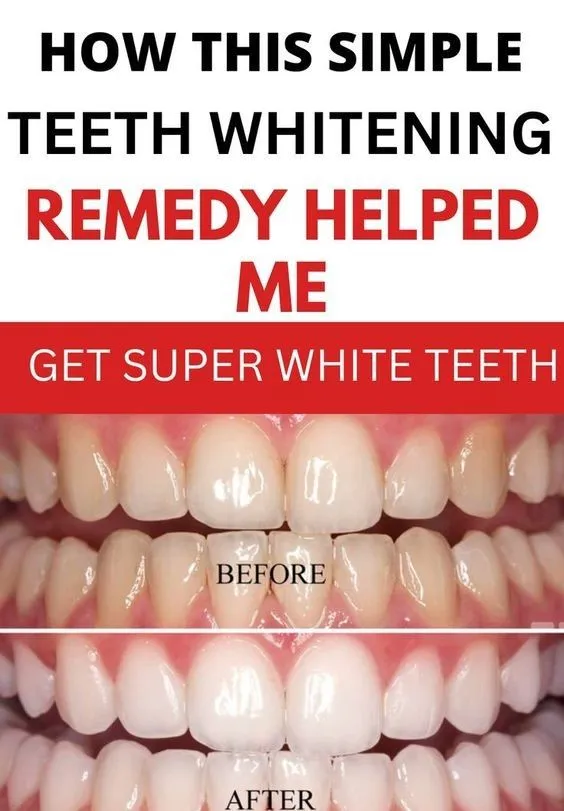
What is Teeth Whitening?
Teeth whitening is a cosmetic dental procedure designed to lighten the color of your teeth and remove stains and discoloration. It’s one of the most popular cosmetic dentistry procedures, as it can dramatically improve the appearance of your smile and boost your confidence. The process involves using bleaching agents to break down the stains, making your teeth appear brighter and whiter. This can be achieved through various methods, ranging from professional treatments at a dentist’s office to at-home remedies. The effectiveness of teeth whitening can vary depending on the cause of discoloration, the method used, and individual factors such as the natural shade of your teeth. Consistent application and adherence to the recommended guidelines are key to achieving the best results.
Understanding the Causes of Tooth Discoloration
Tooth discoloration can stem from a variety of factors, both intrinsic and extrinsic. Extrinsic stains occur on the surface of the enamel and are often caused by dietary choices such as coffee, tea, red wine, and dark-colored foods. Smoking and chewing tobacco are also significant contributors. These stains are typically easier to remove with teeth whitening treatments. Intrinsic stains, on the other hand, originate from within the tooth structure and can be caused by factors like aging, trauma, or certain medications, such as tetracycline. Excessive fluoride exposure during tooth development can also lead to intrinsic stains. Understanding the cause of your tooth discoloration is essential, as it helps determine the most effective whitening method and predict the potential results.
Top 7 Teeth Whitening at Home Methods

Several at-home teeth whitening methods can help you achieve a brighter smile. These methods vary in terms of effectiveness, convenience, and cost. It’s important to choose a method that suits your individual needs and preferences while keeping in mind the importance of safety. Always read the product labels and instructions carefully, and consult with your dentist before starting any new whitening treatment. Here are seven popular and effective ways to whiten your teeth at home.
Method 1: Whitening Toothpaste
Whitening toothpaste is a readily available and affordable option for improving the brightness of your teeth. These toothpastes typically contain mild abrasives that help to scrub away surface stains and remove plaque. They often include ingredients like hydrogen peroxide or baking soda to boost their whitening power. The effect is generally subtle, making them suitable for maintaining a white smile and removing minor stains caused by everyday foods and drinks. However, whitening toothpaste alone may not be effective for more severe discoloration.
How Whitening Toothpaste Works
Whitening toothpastes work primarily through the action of mild abrasives that gently polish the teeth surface. These abrasives help to remove surface stains caused by coffee, tea, and other staining agents. Some whitening toothpastes also contain chemical agents like hydrogen peroxide or carbamide peroxide, which help to break down stains. The concentration of these bleaching agents is usually lower compared to professional treatments, which means the whitening effect is gradual and less dramatic. Consistent use over several weeks or months is typically required to see noticeable results. Remember, while whitening toothpaste can help, it cannot change the natural color of your teeth.
Method 2: Whitening Strips

Whitening strips are a popular and convenient at-home teeth whitening method. These thin, flexible strips are coated with a bleaching agent, usually hydrogen peroxide, and are applied directly to the teeth. They conform to the shape of your teeth, ensuring the bleaching agent comes into contact with the enamel surface. Whitening strips are easy to use and can provide noticeable results in a few weeks. The effectiveness varies depending on the brand and the concentration of the bleaching agent. Following the product instructions is crucial for safety and optimal results.
How to Use Whitening Strips Effectively
To use whitening strips effectively, start by brushing your teeth gently. Then, peel the strips from their backing and apply them to your teeth, aligning them with your gumline. Press the strips gently to ensure they adhere well to your teeth. Leave the strips on for the recommended time, as specified on the product packaging, usually 30 minutes. After the treatment time, remove the strips and discard them. Rinse your mouth with water to remove any residual gel. Avoid eating or drinking for at least 30 minutes after removing the strips to maximize the whitening effect.
Method 3: Over-the-Counter Whitening Gels
Over-the-counter (OTC) whitening gels offer another accessible option for at-home teeth whitening. These gels typically come in a syringe or applicator and are used with custom-fitted trays or applicators. The gels contain a bleaching agent, often hydrogen peroxide or carbamide peroxide, and are applied to the teeth. OTC gels provide a slightly stronger whitening effect than whitening toothpastes. The trays ensure even application of the gel to the teeth, maximizing effectiveness. Results can often be seen within a few weeks, and the whitening effect can be enhanced by regular and consistent use.
Application and Usage of Whitening Gels

To use OTC whitening gels, apply a small amount of gel into the trays and insert the trays over your teeth, making sure the gel covers the surface of your teeth evenly. Wear the trays for the amount of time specified in the product instructions. This can range from 30 minutes to a few hours a day, depending on the product and the desired results. After the treatment time, remove the trays and rinse your mouth to remove any remaining gel. Avoid eating or drinking during the treatment period and for a short time afterward. Always follow the product instructions carefully to minimize the risk of side effects.
Method 4: Homemade Remedies with Baking Soda
Baking soda is a mild abrasive that has been used for teeth whitening in homemade remedies. Mixing baking soda with water to form a paste can help to remove surface stains from the teeth. This DIY method is a more natural approach compared to other commercial products. Baking soda can be found in most homes, making it a cost-effective option for teeth whitening. However, it is essential to use it cautiously as excessive use can damage the enamel.
Effectiveness and Safety of Baking Soda
Baking soda is mildly effective at removing surface stains, but it is not a strong bleaching agent. This means that its effect on teeth whitening is limited, and it is primarily suitable for removing minor stains. The safety of using baking soda for teeth whitening depends on how frequently you use it. Using it too often can erode the enamel. It’s best to use this method occasionally, perhaps once or twice a week, and alternate with regular toothpaste. Always consult with a dentist to ensure that the method is safe and appropriate for your teeth.
Method 5: Hydrogen Peroxide for Whitening

Hydrogen peroxide is a common ingredient in many teeth whitening products. It acts as a bleaching agent to break down stains on the teeth. You can use hydrogen peroxide at home in different ways, such as rinsing with a diluted solution or incorporating it into a homemade whitening paste. The effectiveness of hydrogen peroxide depends on its concentration and the duration of exposure. It is important to follow safety guidelines to avoid damaging your teeth or gums.
How to Use Hydrogen Peroxide Safely
When using hydrogen peroxide for teeth whitening, start with a low concentration solution, typically 3% or less. You can dilute it further with water before using it. Rinse your mouth with the diluted solution for about 30-60 seconds, then spit it out thoroughly. Avoid swallowing any of the solution. You can also use a small amount of hydrogen peroxide in a paste with baking soda. Always consult your dentist before using hydrogen peroxide for teeth whitening, especially if you have sensitive teeth or gum issues. Overuse of hydrogen peroxide can lead to tooth sensitivity and gum irritation.
Method 6: Coconut Oil Pulling Benefits
Coconut oil pulling is an ancient practice that involves swishing coconut oil in your mouth for a specific period. While the primary goal of oil pulling is not teeth whitening, proponents claim that it can help remove bacteria and toxins from your mouth, which may indirectly contribute to a brighter smile. The oil acts as a cleanser, and some users report noticing a slight whitening effect. This method is a natural approach and can improve oral hygiene, although the whitening effect might be subtle.
Technique and Results of Oil Pulling

To perform oil pulling, take a tablespoon of coconut oil and swish it around in your mouth for 15-20 minutes. Make sure to move the oil around thoroughly, passing it through and around all areas of your mouth and between your teeth. After the swishing time, spit out the oil into a trash can (to avoid clogging your drain). Rinse your mouth with water and brush your teeth. While some people see a slight improvement in the brightness of their teeth, the primary benefits of oil pulling are related to oral hygiene rather than significant whitening. Results vary from person to person, and it is not as effective as other whitening methods.
Method 7: Professional At-Home Kits
Professional at-home whitening kits are prescribed by dentists and offer a more potent whitening treatment. These kits usually involve custom-fitted trays and a higher concentration of bleaching agents. The trays ensure that the gel makes even contact with your teeth. Dentists will assess your oral health and provide specific instructions for safe and effective use. This method usually offers better and more consistent results compared to over-the-counter products. The treatment is tailored to your specific needs, which reduces the chances of side effects.
Benefits and Considerations of Professional Kits
Professional at-home kits offer several benefits, including customized treatment, more powerful whitening agents, and expert guidance. Dentists can monitor your progress and address any potential issues. One of the key advantages is the precise fit of the trays, ensuring even application of the whitening gel. The higher concentration of the bleaching agent means faster and more noticeable results. However, these kits are typically more expensive than over-the-counter options. It is important to follow the instructions and attend regular dental check-ups during the treatment.
Maximizing Your Teeth Whitening Results

To get the best results from any at-home teeth whitening method, you need to follow some guidelines. First, make sure you’re using the product as directed and consistently. It can take some time to see noticeable improvements, and patience is key. Maintaining good oral hygiene practices is also crucial, including brushing at least twice a day, flossing daily, and visiting your dentist for regular check-ups and cleanings. Limiting the consumption of staining foods and beverages, like coffee, tea, red wine, and tobacco, will help to maintain your brighter smile. Consider using a straw for dark beverages to minimize contact with your teeth.
Maintaining Your White Smile
Maintaining a white smile requires ongoing care and attention. After you’ve whitened your teeth, you’ll want to keep them looking their best. Continue to practice excellent oral hygiene by brushing and flossing regularly, and schedule routine dental check-ups and cleanings. Avoid or limit staining foods and drinks. Consider using a whitening toothpaste or touch-up treatments periodically to help maintain brightness. Protecting your teeth from further staining and discoloration is an ongoing process that requires dedication. With proper care and maintenance, you can enjoy a bright and confident smile for years to come.