Understanding Teeth Whitening Home Remedies
Achieving a brighter smile doesn’t always require expensive professional treatments. Many effective teeth whitening solutions can be found right in your home. Home remedies for teeth whitening have gained popularity due to their accessibility and affordability. They often involve natural ingredients and simple methods that can be easily incorporated into your daily routine. However, it is essential to approach these remedies with a clear understanding of how they work and any potential risks involved. Proper use and realistic expectations are key to achieving the desired results and maintaining healthy teeth. This guide explores popular home remedies, focusing on their mechanisms, benefits, and safety considerations, empowering you to make informed decisions about your oral care.
The Role of Peroxide in Teeth Whitening
Peroxide, particularly hydrogen peroxide, is a common ingredient in many teeth whitening products, both over-the-counter and professional treatments. It acts as an oxidizing agent, meaning it releases oxygen molecules that break down stain molecules on the teeth’s surface. This process helps to lighten the discoloration caused by food, drinks, and other factors. The concentration of peroxide varies in different products, with higher concentrations typically found in professional treatments. Understanding how peroxide works and how to use it safely is crucial for maximizing its benefits while minimizing any potential risks. The effectiveness of peroxide depends on various factors, including the concentration used, the duration of application, and the individual’s dental condition.
How Peroxide Works

Hydrogen peroxide works by penetrating the enamel and dentin layers of the tooth. Once inside, the oxygen molecules released by the peroxide react with the stain molecules, breaking them down into smaller, less visible components. This process gradually lightens the overall appearance of the teeth. The speed at which whitening occurs can vary depending on the concentration of peroxide used and the severity of the staining. It is important to note that peroxide only affects the color of the existing teeth and does not change the underlying structure. Regular use of peroxide-based products, when applied correctly, can lead to a noticeably brighter smile. However, excessive or improper use can cause sensitivity or damage to the enamel. Maintaining the proper use of hydrogen peroxide with the right concentration is important.
Safety Precautions when Using Peroxide
When using peroxide for teeth whitening, safety should always be a top priority. High concentrations of peroxide can irritate the gums and cause tooth sensitivity. It’s essential to follow product instructions carefully and avoid overusing peroxide-based treatments. Always use the recommended amount and duration of application. If you experience any discomfort, such as increased sensitivity or gum irritation, discontinue use and consult with a dentist. Individuals with sensitive teeth or existing dental issues should exercise extra caution and consult their dentist before starting any peroxide-based whitening treatment. Make sure you brush your teeth gently to avoid gum damage. Moreover, never swallow peroxide, as it can be harmful. In the event of swallowing, seek immediate medical attention.
The Power of Baking Soda for Teeth
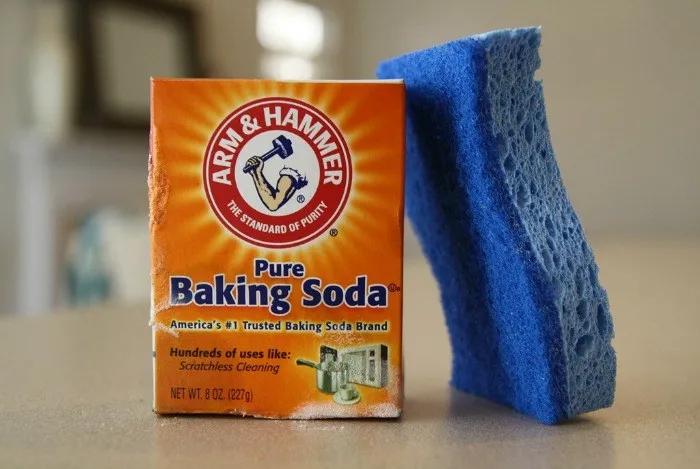
Baking soda, also known as sodium bicarbonate, has been a staple in home remedies for various purposes, including teeth whitening. It is a mild abrasive that helps to remove surface stains and plaque from the teeth. When used correctly, baking soda can contribute to a brighter and cleaner smile. The effectiveness of baking soda lies in its ability to gently scrub away the external stains that accumulate on the enamel. Its alkaline properties also help to neutralize acids in the mouth, which can contribute to tooth decay. Baking soda is a relatively inexpensive and readily available option for those looking to enhance their oral hygiene. However, understanding the proper usage and limitations of baking soda is crucial to avoid any potential adverse effects.
Baking Soda’s Abrasive Action

The abrasive nature of baking soda is what makes it effective in removing surface stains from teeth. As you brush with baking soda, its small particles gently scrub the enamel, dislodging stains caused by coffee, tea, and other food items. This action helps to reveal a brighter, cleaner surface. However, it’s important to note that baking soda is relatively abrasive, and excessive or aggressive brushing can potentially wear down the enamel over time. Therefore, it’s recommended to use baking soda in moderation and to brush gently, avoiding excessive pressure. Using baking soda in combination with other whitening agents, such as peroxide, can enhance its stain-removing capabilities. However, always be mindful of the potential for enamel erosion and follow the guidance of a dental professional.
Baking Soda and Peroxide Combination
Combining baking soda and hydrogen peroxide is a popular home remedy for teeth whitening, with many individuals opting for this solution. This combination leverages the abrasive action of baking soda and the oxidizing properties of peroxide. When mixed together, these ingredients can work synergistically to remove surface stains and lighten the teeth. The peroxide helps to break down the stain molecules, while the baking soda aids in physically removing them. It’s essential to create a paste with the correct proportions of baking soda and peroxide to ensure effectiveness without causing damage. Generally, a small amount of baking soda mixed with enough peroxide to form a paste is used. This mixture can then be applied to the teeth for a short duration before rinsing thoroughly. However, it’s always a good idea to consult with a dentist before trying this remedy.
Top 5 Home Remedies for Teeth Whitening
There are several effective home remedies for teeth whitening, each with its own approach and benefits. These remedies offer accessible and affordable options for achieving a brighter smile. However, it’s crucial to understand how each remedy works, any associated risks, and the proper application methods. Consulting with a dentist before starting any home whitening treatment is always recommended, especially if you have pre-existing dental issues or sensitive teeth. Let’s explore five popular home remedies in more detail.
Peroxide and Baking Soda Paste

The combination of hydrogen peroxide and baking soda creates a powerful teeth whitening paste. This remedy capitalizes on the stain-removing properties of baking soda and the oxidizing action of peroxide. The synergy between these two ingredients can effectively reduce surface stains and lighten the teeth. It is essential to prepare the paste with the correct proportions of baking soda and peroxide to ensure effectiveness and safety. This remedy is an easy option for anyone looking to brighten their smile at home. However, remember to use the paste in moderation and to always rinse thoroughly after use. Before implementing this remedy, consult with a dentist for personalized advice.
How to Make the Paste
To create the peroxide and baking soda paste, start by mixing a small amount of baking soda (about a teaspoon) with enough hydrogen peroxide (usually 1-2 teaspoons) to form a paste-like consistency. The goal is to achieve a texture that is easy to apply but not too runny. It’s crucial to use the correct ratio to prevent any potential harm to the enamel. The paste should be applied to the teeth, ensuring all surfaces are covered. It’s recommended to use a soft-bristled toothbrush to apply the paste gently, avoiding aggressive scrubbing. This home remedy should be used with caution and not as a long-term solution. Always follow the dentist’s advice and be mindful of any signs of increased sensitivity.
Application and Usage
Apply the peroxide and baking soda paste to your teeth, ensuring complete coverage. Gently brush your teeth with the paste for about two minutes, using a soft-bristled toothbrush. Avoid applying excessive pressure to prevent damage to the enamel. After brushing, rinse your mouth thoroughly with water to remove all traces of the paste. This treatment can be done once or twice a week, depending on your dentist’s recommendations and your teeth’s sensitivity. It’s essential to observe your teeth for any signs of sensitivity or irritation. If you experience any discomfort, discontinue use immediately. Regular use of the paste, with proper care, can contribute to a brighter smile over time. Maintain a balanced dental care routine, including regular brushing, flossing, and dental check-ups.
Coconut Oil Pulling with Baking Soda
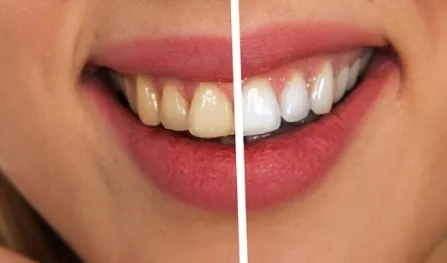
Oil pulling, an ancient Ayurvedic practice, has gained popularity for its potential oral health benefits, including teeth whitening. Combining coconut oil pulling with baking soda enhances its whitening capabilities. Coconut oil helps to remove bacteria and toxins from the mouth, while baking soda helps to remove stains. This combination provides a natural and gentle approach to teeth whitening. It is a straightforward remedy that can be easily incorporated into your daily routine. However, understanding the correct method and limitations of this remedy is essential to achieve the desired results and ensure safety. Remember that consistency and patience are key when using this method, and it may take time to notice visible improvements. Additionally, consult with a dentist before incorporating this remedy into your oral care routine.
Benefits of Coconut Oil
Coconut oil is a natural antibacterial and antifungal agent. It contains lauric acid, which helps to kill harmful bacteria in the mouth, reducing plaque and preventing tooth decay. When used for oil pulling, coconut oil pulls out bacteria and toxins, contributing to cleaner teeth and fresher breath. Additionally, coconut oil can help moisturize the gums and reduce inflammation. Its properties make it a valuable component in oral health. Using coconut oil for oil pulling also promotes saliva production, which naturally cleanses the mouth. The benefits of coconut oil extend beyond teeth whitening, supporting overall oral health and hygiene. Its natural properties make it a popular choice for those seeking natural dental care.
Combining Coconut Oil and Baking Soda
To combine coconut oil pulling with baking soda, start by taking one tablespoon of coconut oil and swishing it around your mouth for 15-20 minutes. After the oil pulling is complete, spit out the oil and rinse your mouth with water. Then, brush your teeth with a mixture of baking soda and a small amount of water. This combination enhances the stain-removing effects of the coconut oil, resulting in a brighter smile. Be sure to be gentle when brushing to avoid damaging the enamel. This method is a natural and gentle way to brighten your teeth, but it’s essential to be consistent and patient. Always follow the guidance of a dental professional and be attentive to any potential sensitivities or discomfort. Remember that consistency is key.
Using Lemon Juice

Lemon juice is another home remedy that can be used to whiten teeth due to its citric acid content, which acts as a natural bleaching agent. However, it’s crucial to approach this remedy with caution, as excessive use can erode tooth enamel. The acidity in lemon juice can weaken the enamel, making teeth more susceptible to sensitivity and decay. The use of lemon juice for teeth whitening should always be accompanied by proper precautions to minimize any potential risks. Always rinse your mouth thoroughly with water after using lemon juice, and never brush your teeth immediately after. If you opt for lemon juice, it should be used sparingly, and any signs of discomfort or sensitivity should be addressed by discontinuing the remedy and seeking professional advice.
Lemon Juice and Baking Soda
Lemon juice and baking soda can be combined for teeth whitening. The acidity of lemon juice can help break down stains, while baking soda’s abrasiveness aids in their removal. To use this remedy, mix lemon juice with baking soda to form a paste. Apply the paste to your teeth, and let it sit for a short time. The mixture creates a more potent whitening action, but it also increases the risk of enamel erosion. It’s essential to use this mixture cautiously and to rinse your mouth thoroughly after use. Given its potential for enamel damage, use this remedy sparingly, and consult your dentist for guidance. This mixture may not be suitable for everyone, and your dentist can determine if it’s a good choice for you.
Precautions with Lemon Juice
Due to its high acidity, lemon juice can erode tooth enamel, leading to sensitivity and increased risk of cavities. If you choose to use lemon juice for teeth whitening, it is crucial to take precautions. Always dilute lemon juice with water to reduce its acidity. Never brush your teeth immediately after applying lemon juice, as this can further damage the enamel. Wait at least 30 minutes before brushing. Only use lemon juice for teeth whitening occasionally and never on a regular basis. If you experience any sensitivity or discomfort, discontinue use and consult your dentist. Regular dental check-ups are also important to monitor the effects of this remedy on your teeth.
Using Activated Charcoal

Activated charcoal has gained popularity as a teeth whitening remedy due to its ability to absorb stains and impurities from the teeth. It is made by heating carbon-rich materials, such as coconut shells, to create a porous substance. Activated charcoal works by attracting and binding to stains and toxins on the tooth’s surface. When you brush with activated charcoal, these particles are removed, leaving behind a cleaner and brighter appearance. However, the effectiveness of activated charcoal can vary, and it is important to use it carefully to avoid any potential harm to your enamel. Choose high-quality activated charcoal products and follow recommended usage guidelines. Moreover, always discuss with a dentist prior to using activated charcoal to make sure it suits your teeth.
How Activated Charcoal Works
Activated charcoal works through a process of adsorption, where the charcoal’s porous surface attracts and traps stain molecules. It does not directly bleach the teeth but helps remove the stains. When you brush with activated charcoal, the charcoal particles gently scrub the teeth, removing surface stains caused by food, drinks, and other factors. The adsorption process can help to remove these stains, revealing a brighter smile. The effectiveness of activated charcoal depends on factors such as the type of stains present and the frequency of use. However, it’s crucial to note that activated charcoal is abrasive. Using it excessively can potentially wear down the enamel, so it should be used in moderation and with care. Always consult a dentist before using activated charcoal.
Application Methods
Activated charcoal can be applied to the teeth in several ways. One common method is to dip a wet toothbrush into activated charcoal powder and gently brush your teeth for a few minutes. Another method is to mix activated charcoal with water to form a paste. After brushing, rinse your mouth thoroughly until all the black residue is removed. The frequency of use may vary based on your dentist’s advice. It’s essential to avoid excessive use of activated charcoal to prevent potential enamel erosion. Always use a soft-bristled toothbrush and brush gently. The use of activated charcoal can be a supplementary step in your oral care routine, along with regular brushing, flossing, and dental check-ups.
Apple Cider Vinegar
Apple cider vinegar (ACV) has been suggested as a home remedy for teeth whitening due to its acidic properties. ACV contains acetic acid, which can help remove stains from teeth. However, using ACV for teeth whitening should be approached with extreme caution due to its potential to erode tooth enamel. The acidity of ACV can weaken the enamel over time, leading to increased sensitivity, cavities, and other dental issues. Due to its potential risks, it’s crucial to understand the proper usage and potential side effects of ACV. Always consult with a dentist before using ACV for any dental purpose. They can assess your oral health and provide recommendations based on your individual needs and risk factors. The use of ACV for teeth whitening is generally not recommended due to its high acidity.
How to use Apple Cider Vinegar for Teeth Whitening
If you choose to use apple cider vinegar for teeth whitening, always dilute it with water to minimize its acidity. A common recommendation is to mix one part ACV with two parts water. You can use the diluted solution as a mouth rinse for a short duration. Swish the solution around your mouth for about 30 seconds, and then rinse thoroughly with water. Given the high acidity of ACV, it’s crucial not to use it regularly. Using ACV for teeth whitening should be an occasional practice. Avoid brushing your teeth immediately after using ACV, as this can further erode the enamel. Wait at least 30 minutes before brushing. Consider seeking guidance from your dentist to find the best approach to maintain your oral hygiene.
Things to Consider before Starting
Before beginning any home remedy for teeth whitening, it’s crucial to consider several factors. Understanding the potential risks, consulting with a dentist, and setting realistic expectations will help you to achieve the best results and maintain your oral health. Approaching home remedies with knowledge and caution will protect your teeth and contribute to a brighter, healthier smile. It’s essential to stay informed about the safety precautions and be aware of the potential side effects to make informed decisions. Your dentist is the best resource for personalized recommendations.
Consulting with a Dentist
Consulting with a dentist is paramount before starting any home teeth whitening remedy. A dental professional can assess your oral health, identify any underlying issues, and recommend suitable whitening methods. They can also guide you on the proper usage of home remedies and advise you on any potential risks based on your individual dental condition. Your dentist can provide you with personalized recommendations and help you avoid any harm. They can also monitor the effectiveness of your chosen remedy and make any adjustments necessary. A dentist can address any concerns you may have and ensure your teeth whitening efforts align with your oral health goals. Seeking professional advice can lead to more effective and safer results.
Potential Side Effects
Home teeth whitening remedies can have several potential side effects. Tooth sensitivity is a common side effect, especially when using peroxide-based treatments. Gum irritation can also occur, ranging from mild redness to inflammation. In some cases, the enamel can be eroded, making your teeth more vulnerable to cavities. It’s essential to be aware of these potential side effects and take steps to minimize them. If you experience any discomfort or adverse effects, discontinue the remedy and consult a dentist immediately. Being informed about the risks helps you to make the best decision for your oral health. Always follow the instructions and usage guidelines to reduce side effects.
Maintaining Results
Maintaining the results of home teeth whitening involves a comprehensive approach to oral care. Continue practicing good oral hygiene habits, including brushing your teeth twice a day with fluoride toothpaste and flossing daily. Avoid or limit the consumption of foods and drinks that can stain your teeth, such as coffee, tea, red wine, and berries. Regular dental check-ups and cleanings are essential for removing surface stains and maintaining overall oral health. Consider using a whitening toothpaste or mouthwash to help maintain your brighter smile. Consistent effort is necessary to keep your teeth white and healthy. By following these practices, you can extend the benefits of your teeth whitening efforts and preserve your radiant smile for a longer time.