Understanding Aspen Dental Teeth Whitening
Aspen Dental offers a variety of teeth whitening solutions designed to brighten your smile. Their services are popular because of their accessibility and comprehensive dental care offerings. Many patients seek teeth whitening to boost their confidence and improve their overall appearance. It is essential to understand the different methods and procedures Aspen Dental provides to make an informed decision. This article delves into the specifics of their treatments, the science behind them, and how to achieve the best possible results. Choosing the right method depends on individual needs, budget, and desired outcome. Proper preparation and aftercare are crucial to maximize the effects of the treatment and maintain a radiant smile. Knowing the options available helps patients make informed decisions and achieve the smile they desire.
The Science Behind Teeth Whitening
Teeth whitening works by using bleaching agents, typically hydrogen peroxide or carbamide peroxide, to break down stain molecules within the enamel of the teeth. These bleaching agents penetrate the enamel and dentin, oxidizing the discolored molecules and making them less visible. The effectiveness depends on the concentration of the bleaching agent, the duration of the treatment, and the individual’s tooth structure. Different products have varying concentrations, which influences how quickly results are achieved. The oxidation process alters the internal structure of the tooth, making it appear whiter. It’s important to understand that whitening doesn’t remove the stain; it changes its color. Consulting with a dental professional ensures a safe and effective approach, considering factors like tooth sensitivity and existing dental work. Understanding this basic science helps patients manage their expectations and choose suitable treatments.
How Aspen Dental Whitening Works
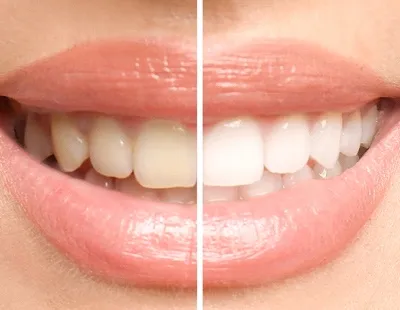
Aspen Dental employs both in-office and take-home whitening treatments. In-office whitening usually involves a stronger bleaching agent and is administered by a dental professional. The procedure often includes protecting the gums and soft tissues before applying the whitening gel. The gel is applied to the teeth, and sometimes a special light is used to enhance the whitening effect. Take-home kits, on the other hand, consist of custom-fitted trays and a lower-concentration bleaching gel. Patients wear these trays for a specified period daily or nightly, as instructed by the dentist. Both methods start with a thorough dental examination and cleaning to ensure the teeth are ready for the whitening process. The steps involve a consultation, teeth assessment, treatment application, and providing post-treatment instructions. Aspen Dental’s professionals will guide the patient through each step to ensure the best outcomes.
Types of Teeth Whitening Treatments
Aspen Dental offers various teeth whitening treatments to accommodate different preferences and needs. The primary options include in-office whitening and take-home kits. In-office whitening, also known as chairside whitening, is a fast and effective method performed in the dentist’s office. The process generally takes about an hour and provides immediate results. Take-home whitening kits offer flexibility, allowing patients to whiten their teeth in the comfort of their homes. These kits include custom-fitted trays and a bleaching gel, to be used according to the dentist’s instructions. The specific treatment recommended depends on the patient’s teeth condition, desired outcome, and sensitivity. Choosing the right type of treatment involves understanding the pros and cons of each approach and considering your lifestyle. Some patients may prefer in-office treatments for quick results, while others favor the convenience of take-home kits.
In-Office Whitening
In-office whitening at Aspen Dental is a professional procedure that provides immediate and dramatic results. A high-concentration bleaching agent is applied to the teeth, and the process is usually accelerated with a special light. This ensures that the treatment is done under controlled conditions, minimizing risks and maximizing the whitening effect. Before the procedure, the dentist will protect the gums with a protective barrier to prevent irritation from the bleaching agent. The dentist will monitor the patient’s progress throughout the session. The entire process, including preparation and treatment, takes about an hour or so, making it convenient for patients with busy schedules. The benefits include quick results and professional supervision, giving patients confidence in the outcome. After the treatment, the dentist provides detailed instructions on post-whitening care.
Take-Home Whitening Kits

Take-home whitening kits from Aspen Dental offer a convenient way to brighten your smile in your own time. These kits usually include custom-fitted trays and a bleaching gel. The dentist makes these trays to fit the patient’s teeth perfectly, ensuring the gel is applied evenly. The patient wears the trays for a specified period each day or night. The dentist will provide detailed instructions on how to use the kit effectively. Take-home kits generally contain a lower concentration of bleaching agent than in-office treatments, making them gentler on the teeth. The flexibility allows patients to integrate teeth whitening into their daily routines. It is an ideal choice for patients looking for a gradual but effective way to whiten their teeth. Consistency is essential, and patients need to follow the dentist’s instructions to achieve the best results.
Pre-Whitening Preparation
Preparing for teeth whitening at Aspen Dental involves several key steps that help ensure the best results and minimize potential risks. A comprehensive dental examination is crucial to identify any existing dental issues, such as cavities or gum disease, which need to be addressed before whitening. A professional cleaning is also essential to remove plaque and tartar, allowing the whitening agent to work effectively. Patients may need to avoid certain foods and beverages that can stain teeth, such as coffee, tea, and red wine, before and during treatment. It is important to be open with the dentist about your oral health history and any medications you are taking. Following the dentist’s recommendations helps you prepare appropriately and ensures a safe and effective whitening process.
Consultation and Assessment
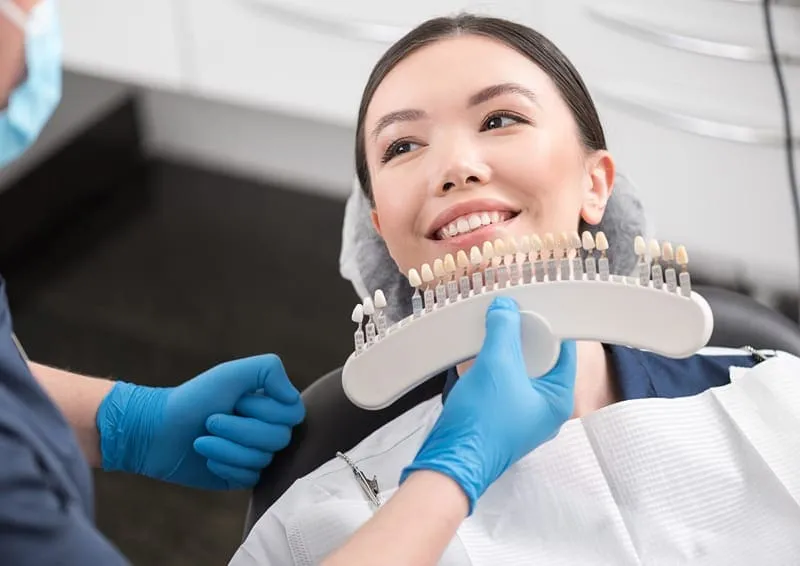
The initial consultation and assessment at Aspen Dental are vital steps in the teeth whitening process. During this appointment, the dentist evaluates your oral health, including the condition of your teeth and gums. They will discuss your expectations and determine the best treatment options based on your specific needs. The dentist will also assess the causes of any tooth discoloration and determine if whitening is the right solution for you. This thorough assessment helps ensure that the treatment is safe and effective. The dentist may take photos of your teeth to track your progress and create a customized treatment plan. This consultation also involves explaining the different whitening options, associated costs, and potential side effects. The goal is to provide patients with all the information they need to make an informed decision.
Oral Hygiene Practices

Maintaining excellent oral hygiene is critical before and after teeth whitening. Regular brushing with fluoride toothpaste twice a day helps remove surface stains and keeps your teeth clean. Flossing daily is also important to remove plaque and food particles from between your teeth. The dentist might recommend specific toothpaste or mouthwash to enhance whitening results and protect your enamel. Avoiding tobacco products and limiting stain-causing foods and drinks, such as coffee and tea, helps keep your teeth bright. Routine dental check-ups and cleanings are essential to maintaining healthy teeth and gums and ensuring the longevity of your whitening results. These practices create a foundation for a brighter smile and support the effectiveness of the whitening treatment.
Optimizing Your Results
To optimize your teeth whitening results, it is essential to follow the dentist’s instructions carefully. This includes adhering to the recommended usage of take-home whitening kits or attending all scheduled in-office appointments. Avoiding foods and beverages that can stain your teeth, such as coffee, tea, and red wine, is crucial, especially during and immediately after the treatment. Using a straw for beverages can help minimize contact with your teeth. Maintaining excellent oral hygiene practices, including regular brushing, flossing, and dental check-ups, is also vital for maintaining your bright smile. Consider using a whitening toothpaste or mouthwash as directed by your dentist to enhance and maintain the results. Regular touch-up treatments may be needed to keep your teeth looking their best.
Post-Whitening Care
Caring for your teeth after whitening is essential for maintaining your results and ensuring the health of your teeth. It is common to experience some sensitivity after whitening, so using a toothpaste designed for sensitive teeth can help alleviate discomfort. Avoiding highly pigmented foods and drinks for the first few days after the treatment helps prevent staining. These include coffee, tea, red wine, berries, and dark sauces. Continue with regular brushing and flossing, and schedule your follow-up dental appointments. Use the take-home whitening kit as directed by your dentist for touch-ups or maintenance. Following these post-whitening care tips will help you enjoy your brighter smile for longer and keep your teeth healthy.
Maintaining Your Bright Smile

Maintaining your bright smile requires a consistent oral hygiene routine and lifestyle adjustments. Regular brushing with a whitening toothpaste can help remove surface stains and keep your teeth looking their best. Flossing daily helps remove plaque and food particles that can cause discoloration. Limit your consumption of stain-causing foods and drinks, such as coffee, tea, and red wine. If you consume these items, rinse your mouth with water immediately afterward. Consider using a straw for beverages to minimize contact with your teeth. Regular dental check-ups and professional cleanings are crucial for removing plaque and tartar that can dull your smile. You might consider touch-up whitening treatments to maintain your results.
Tips for Long-Lasting Results
Several tips can help you enjoy your teeth whitening results for an extended period. Avoid tobacco products, as they can cause significant staining. Drink plenty of water throughout the day to stay hydrated and rinse away food particles. Use a whitening toothpaste to gently remove surface stains. Schedule regular dental cleanings every six months to remove plaque and tartar and keep your teeth clean. Discuss touch-up whitening treatments with your dentist to maintain the brightness of your smile. Be mindful of the foods and drinks you consume, and try to limit your intake of items that stain teeth. By following these tips, you can keep your smile bright and beautiful for years to come.
Potential Risks and Side Effects
While teeth whitening is generally safe, some potential risks and side effects can occur. The most common side effect is tooth sensitivity, which usually diminishes within a few days of treatment. Gum irritation or inflammation can occur, particularly with in-office treatments. In rare cases, the whitening agent can irritate the soft tissues of your mouth. Over-whitening can also occur if the treatment is not done correctly, leading to a less natural appearance. It is important to consult with a dentist to minimize risks and discuss any concerns. The dentist will evaluate your oral health and make recommendations to prevent any complications. Inform your dentist of any existing dental work or sensitivity issues before undergoing teeth whitening.
Sensitivity and Discomfort

Tooth sensitivity is a common side effect of teeth whitening. This can manifest as a sharp pain or discomfort when consuming hot or cold foods and beverages. Using toothpaste designed for sensitive teeth can help alleviate this issue. Avoid consuming extremely hot or cold items immediately after the treatment. Over-the-counter pain relievers, like ibuprofen, can help manage the discomfort. The sensitivity typically subsides within a few days after the treatment. If the sensitivity persists or becomes severe, consult your dentist. They might recommend desensitizing treatments, such as fluoride application. Understanding and managing these side effects is important for a comfortable and positive teeth whitening experience.
Who Is a Good Candidate
Teeth whitening is not suitable for everyone. Good candidates typically have healthy teeth and gums without extensive dental work or other underlying oral health issues. Individuals with yellowed teeth from natural aging or staining from food and beverages are generally good candidates. Whitening may not be effective for people with certain types of dental work, such as fillings or crowns. It is essential to have realistic expectations about the results. Pregnant or breastfeeding women should typically avoid teeth whitening. A comprehensive dental examination and consultation with your dentist will determine your suitability for teeth whitening.
Alternatives to Aspen Dental Whitening
Several alternatives to Aspen Dental teeth whitening can also improve the brightness of your smile. Over-the-counter whitening products, such as strips, gels, and toothpastes, are readily available. While convenient, these products are often less potent than professional treatments and may not yield the same results. Veneers offer a more permanent solution by covering the surface of your teeth with custom-made shells. Bonding involves applying a tooth-colored resin to the teeth to improve their appearance. Professional teeth cleaning can also remove surface stains and make your teeth appear brighter. The best alternative depends on your specific needs and the degree of discoloration. Consulting with a dentist will help determine the most suitable option for your smile goals.
Professional vs. Over-the-Counter Options

Professional teeth whitening, offered by Aspen Dental, provides a more controlled and effective treatment compared to over-the-counter (OTC) options. Professional treatments use higher concentrations of bleaching agents, leading to faster and more dramatic results. These treatments are administered by trained professionals, ensuring safety and minimizing the risk of side effects. OTC whitening products, such as strips and gels, are often less potent and may take longer to produce visible results. The effectiveness of OTC products depends on the severity of staining and adherence to usage instructions. Professional whitening offers the benefit of personalized care and monitoring, while OTC options provide a more affordable and convenient alternative for those with less severe discoloration. The choice between the two depends on individual needs, budget, and desired outcomes.
Conclusion
Achieving a brighter smile with Aspen Dental teeth whitening involves understanding the process, preparing properly, and following post-treatment care instructions. From in-office treatments to take-home kits, Aspen Dental offers various options to suit your needs. Preparing for the treatment includes a consultation, an assessment, and maintaining good oral hygiene practices. Optimize your results by following your dentist’s recommendations and avoiding stain-causing foods and drinks. Be aware of potential side effects, such as sensitivity, and take the necessary steps to manage them. Maintaining your bright smile involves a consistent oral hygiene routine and regular check-ups. By taking these steps, you can achieve and maintain a beautiful, confident smile with Aspen Dental.