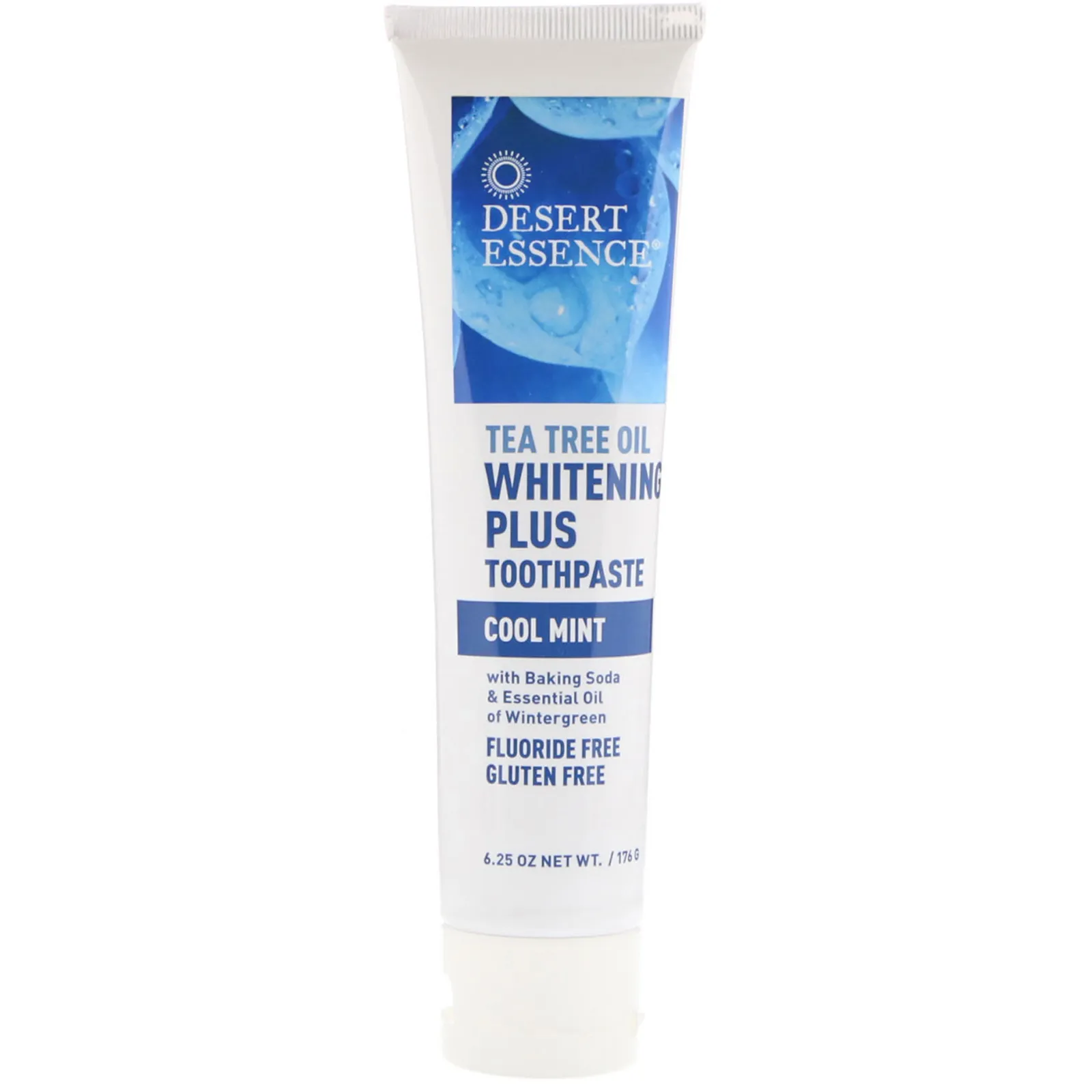
Understanding Tea Tree Oil and Teeth Whitening
The quest for a brighter, whiter smile often leads us to explore various natural and cosmetic solutions. Among these, tea tree oil has gained attention as a potential teeth whitening agent. This guide delves into the effectiveness of tea tree oil for teeth whitening, examining its benefits, application methods, safety considerations, and how it compares to other whitening options. Discover whether this natural remedy can truly transform your smile.
What is Tea Tree Oil?
Tea tree oil, derived from the leaves of the Melaleuca alternifolia plant native to Australia, is a potent essential oil known for its antiseptic and anti-inflammatory properties. For centuries, indigenous Australians have used tea tree oil for various medicinal purposes, including treating skin infections, wounds, and respiratory ailments. The oil’s active compounds, primarily terpinen-4-ol, contribute to its therapeutic effects. Its strong, medicinal scent is a distinguishing characteristic. The oil’s efficacy in oral health is due to its ability to kill bacteria and reduce inflammation.
Benefits of Tea Tree Oil for Oral Health

Tea tree oil offers several benefits for oral health beyond teeth whitening. Its antibacterial properties help combat harmful bacteria in the mouth, reducing the risk of gingivitis and periodontitis. By killing bacteria, it also helps prevent the buildup of plaque and tartar, which can contribute to tooth decay. Furthermore, tea tree oil can soothe inflamed gums and alleviate symptoms of oral infections. Many users report fresher breath and a cleaner feeling mouth after using tea tree oil. However, it is important to note that tea tree oil is not a substitute for regular dental hygiene practices.
How Tea Tree Oil Can Help Whiten Teeth
Tea tree oil’s teeth whitening potential stems from its ability to reduce bacteria and inflammation in the mouth. By eliminating the bacteria that contribute to staining, such as those found in plaque, tea tree oil can help prevent further discoloration. It also helps to remove surface stains caused by bacteria and food. While tea tree oil doesn’t bleach teeth in the same way as peroxide-based whitening treatments, its cleansing action can restore the natural brightness of your teeth. Regular use can prevent the buildup of new stains and can contribute to overall oral health.
Why Tea Tree Oil for Teeth Whitening?
People often turn to tea tree oil as a teeth whitening option because it offers a natural alternative to harsh chemical treatments. It’s also readily accessible and can be more affordable than professional whitening procedures. The appealing aspect of tea tree oil is its multi-faceted approach to oral health. In addition to whitening teeth, it promotes a healthier mouth environment, which can lead to stronger teeth and less risk of gum disease. For individuals concerned about the potential side effects of other whitening methods, tea tree oil provides a gentler option to consider. However, it’s crucial to use it correctly and cautiously, as with any natural remedy.
Using Tea Tree Oil for Teeth Whitening Step-by-Step

Preparing Your Tea Tree Oil Solution
Always dilute tea tree oil before using it in your mouth. Mix one or two drops of tea tree oil with a small amount of water, usually about a half cup. Never use pure, undiluted tea tree oil, as it can be too harsh and may cause irritation or burns. It’s essential to use a high-quality, therapeutic-grade tea tree oil. Ensure it is pure and free of additives. Always test the solution on a small area of your skin before use, to check for any allergic reactions. Prepare the solution fresh each time you plan to use it.
Application Methods
Rinsing with Tea Tree Oil
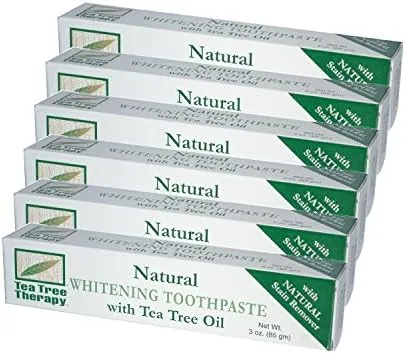
After brushing your teeth, rinse your mouth with the diluted tea tree oil solution. Swish the solution around in your mouth for about 30-60 seconds, ensuring it reaches all areas, including the gums and between your teeth. After rinsing, spit out the solution and rinse your mouth with clean water. Do not swallow the tea tree oil solution. Use this method once or twice a day to achieve the desired results.
Brushing with Tea Tree Oil
Add one drop of diluted tea tree oil to your toothbrush, along with your regular toothpaste. Gently brush your teeth for about two minutes, making sure to reach every surface. After brushing, rinse your mouth thoroughly with water. Avoid swallowing any of the mixture. This method should be used once a day, or as recommended by a dental professional. Remember to use a soft-bristled toothbrush to avoid damaging your enamel or irritating your gums. Proper brushing technique remains crucial to maximizing the effectiveness of tea tree oil.
Teeth Whitening with Tea Tree Oil: Safety Precautions
Possible Side Effects

While generally considered safe when diluted, tea tree oil can cause side effects. These can include mouth irritation, burning sensations, or altered taste. Some individuals might experience allergic reactions, with symptoms such as redness, swelling, or itching. If any of these symptoms occur, stop using tea tree oil immediately and consult your dentist. Always ensure the oil is diluted correctly and avoid swallowing it. In case of accidental ingestion, contact a poison control center or seek medical attention right away.
Who Should Avoid Tea Tree Oil
Certain individuals should avoid using tea tree oil for teeth whitening. Those with known allergies to tea tree oil or related plants should not use it. Children and pregnant or breastfeeding women should consult with their healthcare providers before use. If you have sensitive teeth or existing oral health issues, such as gum disease or mouth sores, it’s essential to seek professional dental advice before trying tea tree oil. Always follow your dentist’s recommendations, and do not use tea tree oil as a substitute for professional dental care.
Effectiveness and Expected Results
The effectiveness of tea tree oil for teeth whitening can vary among individuals. While it may remove surface stains and improve overall oral hygiene, it is generally not as effective as professional whitening treatments or over-the-counter products containing bleaching agents. Expect modest results rather than a dramatic transformation. The degree of whitening depends on several factors, including the original color of your teeth, the type and extent of stains, and how consistently you use the oil. The best results often come from long-term use and a holistic approach to oral hygiene, including regular brushing, flossing, and dental checkups.
Comparing Tea Tree Oil to Other Whitening Methods
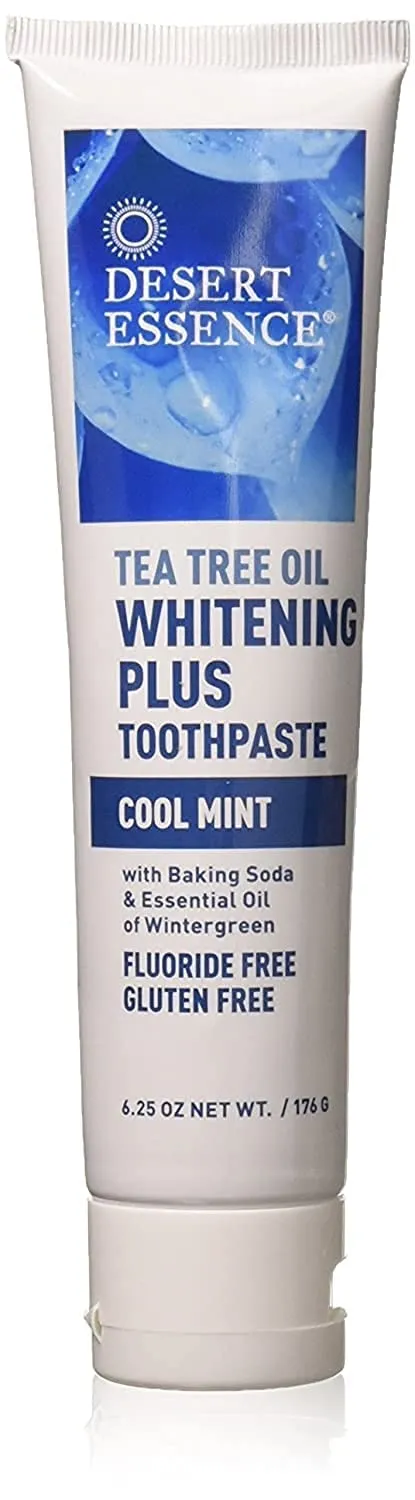
Professional Teeth Whitening Options
Professional teeth whitening, performed by a dentist, uses potent bleaching agents like hydrogen peroxide to achieve significant and rapid results. These treatments can whiten teeth several shades in a single session. While effective, they are more expensive than natural remedies and can cause temporary tooth sensitivity. Dentists can also provide custom-fitted trays for at-home whitening, ensuring a more precise and effective application. The choice between professional and natural methods depends on your budget, desired results, and sensitivity levels.
Over-the-Counter Whitening Products
Over-the-counter whitening products, such as whitening strips, toothpastes, and gels, contain varying concentrations of bleaching agents, typically hydrogen peroxide or carbamide peroxide. These products are more affordable and accessible than professional treatments. While they can whiten teeth to some extent, the results may not be as dramatic. Follow the instructions carefully and be aware of potential side effects such as tooth sensitivity or gum irritation. Consider your teeth’s sensitivity and the desired level of whitening when choosing a product.
Maintaining a Bright Smile

Regardless of the whitening method you choose, maintaining a bright smile requires consistent oral hygiene practices. Brush your teeth twice daily with fluoride toothpaste, and floss daily to remove plaque and food particles. Limit the consumption of staining foods and drinks, such as coffee, tea, red wine, and berries. Regular dental checkups and professional cleanings are essential for removing plaque and tartar and maintaining your teeth’s natural brightness. Staying hydrated and avoiding tobacco products can also help keep your teeth healthy and white. A holistic approach to oral care, which includes healthy eating habits, is fundamental to sustaining your smile.