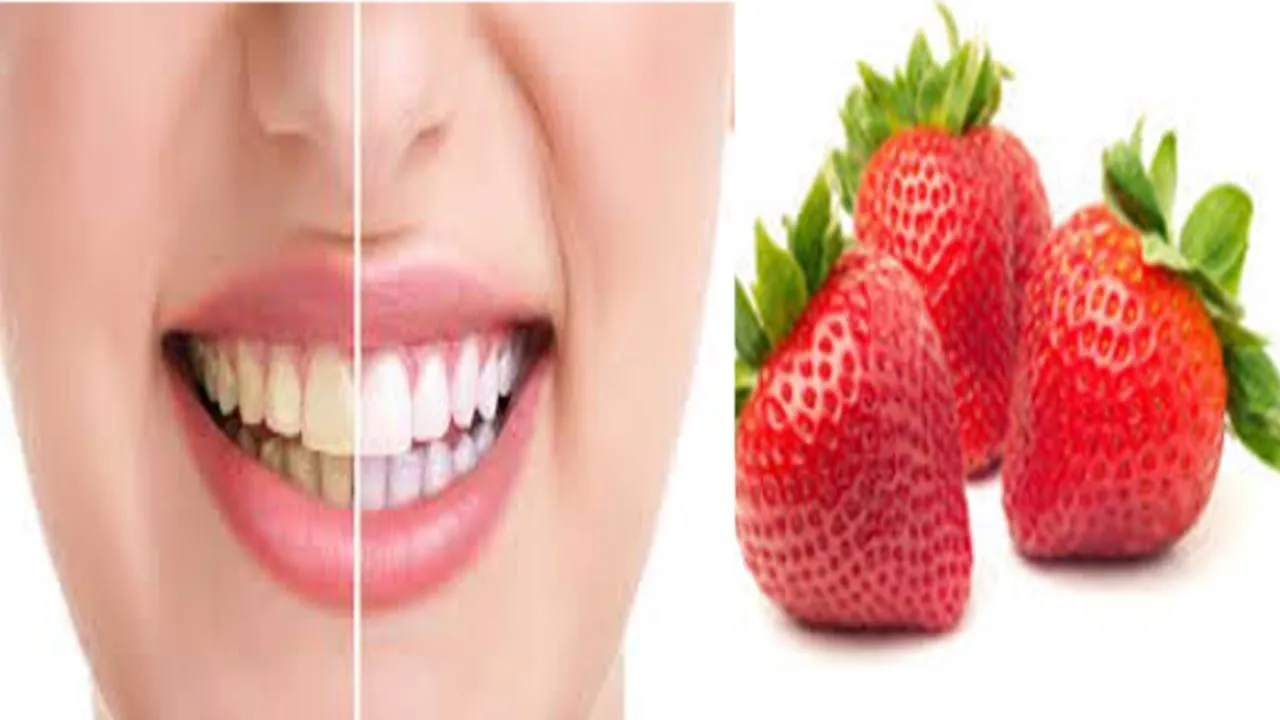
Understanding Strawberries and Teeth Whitening
The pursuit of a brighter, whiter smile has led many to explore natural and accessible methods for teeth whitening. Among the various options, strawberries have gained attention as a potential home remedy. This approach leverages the natural properties of strawberries to gently remove stains and brighten the teeth. This article explores the science behind strawberry teeth whitening, its benefits, how to use it, and how it compares to other methods. The goal is to provide a comprehensive guide to help you determine if strawberries can be a part of your oral hygiene routine, helping you achieve a brighter and more confident smile. The use of natural ingredients offers a gentler alternative, appealing to those who prefer to avoid harsh chemicals and expensive treatments, making it an attractive option for those seeking an accessible and budget-friendly teeth-whitening solution.
The Science Behind Strawberry Teeth Whitening
To understand how strawberries contribute to teeth whitening, it’s essential to delve into their composition and how these components interact with tooth enamel. Strawberries contain several compounds that can help remove surface stains and brighten the teeth. The effectiveness of strawberries in teeth whitening lies in the synergy of these natural components. These substances gently work to break down and lift away stains from the tooth surface, contributing to a brighter smile. Furthermore, strawberries offer a natural and accessible approach to oral care, making them an appealing alternative for those seeking to enhance their dental aesthetics without resorting to harsh chemicals.
Enzyme Power of Strawberries

Strawberries contain enzymes, specifically malic acid, that act as a natural astringent. This helps to break down and remove stains from the teeth. The enzyme in strawberries plays a crucial role in the whitening process by assisting in the removal of discoloration caused by coffee, tea, and other staining agents. These enzymes work by gently dissolving the staining particles without damaging the tooth enamel. This mechanism makes strawberries a gentle alternative to harsher whitening methods. The natural enzymes are a key reason why many individuals consider strawberries a viable option for improving the brightness of their teeth in a natural way.
Malic Acid’s Role
Malic acid, a natural organic compound present in strawberries, is a key player in the teeth-whitening process. It acts as a natural astringent, aiding in the removal of surface stains from the teeth. This gentle action is particularly effective against stains from common dietary sources. The presence of malic acid in strawberries not only contributes to teeth whitening but also supports overall oral health by helping to maintain a cleaner and brighter smile. Its mild nature makes it suitable for those with sensitive teeth, providing an accessible and gentle method for enhancing the appearance of their teeth. The properties of malic acid make strawberries a valuable and naturally effective option in the quest for a brighter smile.
Top 5 Benefits of Strawberries for Teeth Whitening
Strawberries offer several advantages for those seeking a natural approach to teeth whitening. From stain removal to affordability, these benefits make strawberries an appealing option for improving your smile. Understanding these advantages can help you make an informed decision about incorporating strawberries into your oral hygiene routine. These benefits highlight the natural and accessible nature of this teeth-whitening method, making it a popular choice for those who prefer to avoid harsh chemicals or expensive procedures. By exploring these benefits, you can determine if strawberries align with your oral health goals and lifestyle.
Benefit 1 Stain Removal

One of the primary benefits of using strawberries for teeth whitening is their effectiveness in removing surface stains. The malic acid in strawberries helps break down and lift away stains from the tooth enamel, which can result from coffee, tea, wine, and other food and beverages. Regular use of strawberries can help to lighten these stains, contributing to a brighter smile. The natural ability of strawberries to remove stains makes them an attractive option for those seeking a more natural approach to teeth whitening. It helps restore the natural whiteness of your teeth, improving the overall appearance of your smile.
Benefit 2 Natural Approach
Strawberries provide a natural alternative to chemical-based teeth whitening products. This appeals to those who prefer to avoid harsh chemicals and potential side effects associated with commercial treatments. This approach relies on the natural properties of the fruit to gently whiten teeth. The use of strawberries aligns with a more holistic and environmentally conscious approach to oral care, offering a gentler way to achieve a brighter smile. This benefit is particularly important for individuals with sensitive teeth or those concerned about the impact of chemicals on their overall health.
Benefit 3 Affordable Option
Strawberries offer an affordable teeth-whitening solution compared to professional treatments or over-the-counter products. Strawberries are readily available and relatively inexpensive, making them an accessible option for everyone. The cost-effectiveness of strawberries makes teeth whitening more accessible to a wider audience. This is especially beneficial for those on a budget who are looking to improve their smile without the financial burden of expensive dental procedures or treatments. The affordability factor makes strawberries a practical choice for those seeking to brighten their teeth at home.
Benefit 4 Enamel Health

Unlike some harsh teeth-whitening methods, strawberries are less likely to damage tooth enamel when used in moderation. The natural components of strawberries, such as malic acid, work gently without causing significant erosion. This gentler approach protects the integrity of your enamel, ensuring long-term oral health. The mild nature of strawberries makes them a safe option for those concerned about the potential side effects of aggressive whitening treatments. This is an important consideration for maintaining both the aesthetic appearance and the overall health of your teeth.
Benefit 5 Fresh Breath
Strawberries can contribute to fresher breath, which is a bonus in addition to teeth whitening. The natural enzymes and acids in strawberries can help to neutralize odor-causing bacteria in the mouth. Regular consumption or use of strawberries can help reduce bad breath, improving your overall oral hygiene. Strawberries offer a dual benefit providing both aesthetic and functional improvements. The fresh and slightly sweet flavor of strawberries can also leave your mouth feeling cleaner and more refreshed.
How to Use Strawberries for Teeth Whitening
To effectively use strawberries for teeth whitening, it’s essential to follow a proper method and understand the appropriate frequency and dosage. This section provides a step-by-step guide, ensuring you maximize the benefits while minimizing potential risks. Correct usage is crucial for achieving the desired results and maintaining oral health. This section provides you with the knowledge to incorporate strawberries into your routine safely and effectively.
Step-by-Step Guide

- Prepare the Strawberries: Wash and hull a few fresh strawberries.
- Mash the Strawberries: Mash the strawberries into a pulp using a fork or a small bowl.
- Application: Apply the mashed strawberry pulp to your teeth, ensuring even coverage.
- Wait: Let the strawberry pulp sit on your teeth for a few minutes, usually around 5 to 10 minutes.
- Rinse: Rinse your mouth thoroughly with water to remove the strawberry residue.
- Brush: Brush your teeth gently with a regular toothpaste to ensure all traces of strawberry are removed.
Frequency and Dosage
It’s important to use strawberries for teeth whitening in moderation. Overuse can potentially lead to enamel erosion and increased sensitivity. It’s generally recommended to use the strawberry method no more than once or twice a week. The frequency of use should be balanced to achieve the desired results without compromising your enamel. Monitor your teeth for any signs of increased sensitivity or other adverse effects. Adjust the frequency accordingly to ensure the safety and effectiveness of the treatment. Consistency with the recommended guidelines will help you maintain your oral health.
Possible Side Effects and Considerations
While strawberries are a natural and generally safe option for teeth whitening, it’s essential to be aware of potential side effects and limitations. Being informed helps you make the best decisions for your oral health. This will make your usage safe. Understanding potential risks is key to preventing adverse reactions. The following information will help to use this method safely and effectively, mitigating risks and ensuring a positive experience.
Sensitivity and Irritation

Some individuals may experience increased tooth sensitivity or irritation of the gums due to the acidity of strawberries. If you have sensitive teeth or a history of gum problems, it’s important to proceed with caution. Limit the frequency of use and observe how your teeth react. If you experience any discomfort, discontinue use and consult your dentist. This information is important for those with existing dental issues.
Limitations and Expectations
The teeth-whitening effect of strawberries may be more subtle compared to professional treatments or over-the-counter products. While strawberries can help remove surface stains and brighten your smile, they may not address deeper discoloration. Set realistic expectations and understand that results can vary depending on the initial condition of your teeth and the consistency of use. For significant changes in tooth color, other methods might be more effective. Combining it with other methods can result in a better outcome.
Comparing Strawberries to Other Methods
When considering teeth whitening, it’s useful to compare strawberries with other methods available. Comparing these options helps you choose the best approach for your needs, considering effectiveness, cost, and potential side effects. Understanding how strawberries stack up against alternatives is crucial for making an informed decision.
Professional Whitening Options

Professional teeth-whitening treatments, such as those performed by a dentist, offer the most dramatic results. These treatments often involve the use of strong bleaching agents and can significantly lighten the shade of your teeth in a short amount of time. However, they are generally the most expensive option and may cause increased sensitivity. These are best for individuals seeking the most immediate and substantial whitening results, they require a visit to a dental professional.
Over-the-Counter Products
Over-the-counter whitening products, such as whitening strips, toothpastes, and gels, provide a middle ground between strawberries and professional treatments. These products are generally more affordable than professional treatments and offer noticeable results over time. However, their effectiveness can vary depending on the specific product and the degree of discoloration. While they can offer a convenient and accessible option, they may not be as effective as professional treatments and could potentially cause some sensitivity.
Conclusion Strawberries for a Brighter Smile
Strawberries offer a natural, affordable, and relatively safe approach to teeth whitening, making them a beneficial addition to your oral hygiene routine. Their ability to remove surface stains and improve breath makes them a worthy consideration for those seeking a brighter smile. While the effects may be more subtle than professional treatments, the gentleness and accessibility of strawberries make them a compelling option for many. Ultimately, the choice of how to whiten your teeth depends on your personal needs, budget, and aesthetic goals. Strawberries can be a viable option for a natural approach to improving the appearance of your teeth, contributing to a healthier and more confident smile.