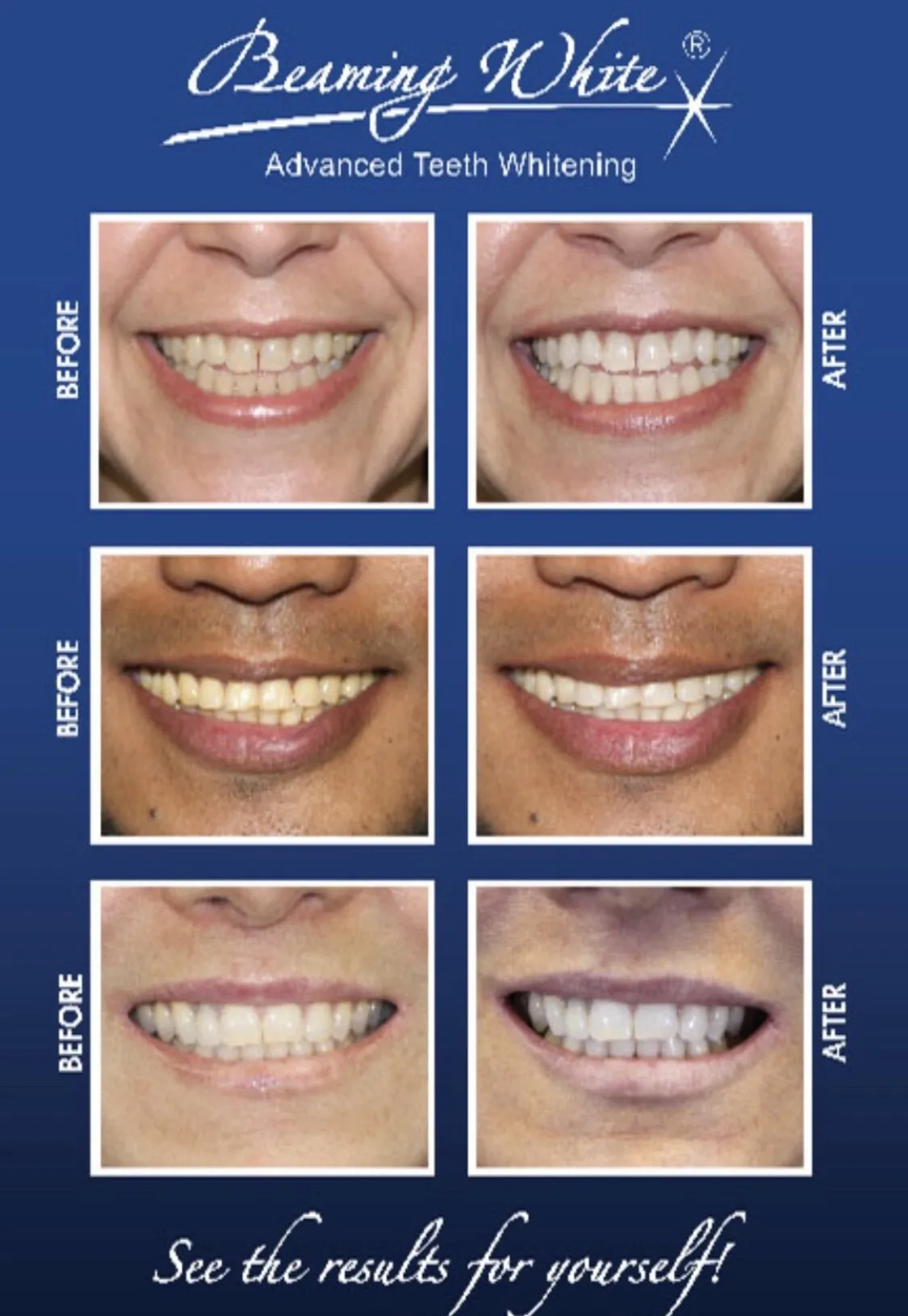
What is Spa Teeth Whitening
Spa teeth whitening is a cosmetic dental procedure designed to lighten the shade of your teeth and enhance your smile. Unlike traditional teeth whitening methods, spa teeth whitening often incorporates a relaxing and comfortable environment, aiming to provide a spa-like experience along with the cosmetic benefits. This approach focuses on both the aesthetic improvement of your teeth and the overall well-being of the client. The goal is not just to achieve a brighter smile, but also to make the entire process as pleasant and stress-free as possible. Spa teeth whitening often includes amenities such as comfortable seating, aromatherapy, and calming music to create a soothing atmosphere, making it a popular choice for those seeking a more luxurious and relaxing experience.
The Benefits of Spa Teeth Whitening
Spa teeth whitening offers a multitude of benefits, extending beyond just a brighter smile. Firstly, it significantly boosts your confidence by enhancing the aesthetic appearance of your teeth, which can positively impact your self-esteem in social and professional settings. Furthermore, the process is often quick and painless, providing immediate results that can dramatically transform your smile in a single session. It is also a non-invasive procedure, making it a safer alternative to more aggressive dental treatments. Beyond the cosmetic advantages, spa teeth whitening promotes better oral hygiene practices. The desire to maintain your newly whitened smile encourages you to take better care of your teeth through regular brushing, flossing, and dental check-ups, leading to improved overall oral health. This procedure helps to remove stains caused by coffee, tea, tobacco, and other substances, making your teeth look naturally healthier.
Professional Whitening vs. DIY Kits

When considering teeth whitening, you have two main options professional whitening, which is typically done at a spa or dentist’s office, and DIY kits available for home use. Professional whitening is administered by trained professionals who use stronger bleaching agents and techniques like laser or light activation to achieve dramatic results in a single session. This also ensures that the process is safe and effective under expert supervision, reducing the risk of gum irritation or uneven whitening. DIY kits, on the other hand, offer convenience and are more cost-effective initially. However, they often contain lower concentrations of bleaching agents, which means results are less pronounced and can take several weeks to become noticeable. DIY kits also carry the risk of misuse, potentially leading to side effects such as tooth sensitivity or damage to gums, especially if not used as directed or if the individual has underlying dental issues. The choice between professional and DIY options depends on your desired results, budget, and comfort level with potential risks.
The Spa Teeth Whitening Process
The spa teeth whitening process generally involves a series of steps designed to ensure a comfortable and effective experience. It typically begins with a consultation to assess your oral health and determine if you’re a suitable candidate for the treatment. During this initial assessment, the dentist will evaluate your teeth for existing dental work, such as fillings or crowns, and check for any signs of gum disease or other issues. The procedure then progresses with a thorough cleaning to remove surface stains and plaque, preparing your teeth for the whitening agent. A protective barrier is then applied to your gums and soft tissues to prevent irritation from the bleaching solution. Next, the whitening gel, usually containing hydrogen peroxide, is applied to the teeth, and in some cases, a special light or laser is used to activate and accelerate the whitening process. This process is repeated several times during the session to achieve the desired results, followed by a final rinse and application of fluoride to reduce sensitivity and protect your teeth.
Consultation and Assessment
The consultation and assessment phase is a crucial first step in the spa teeth whitening process, ensuring that the treatment is both safe and effective for each individual. During this appointment, the dentist or dental hygienist thoroughly examines your teeth and gums to determine your overall oral health and identify any potential issues that could impact the whitening process. This includes checking for cavities, gum disease, or any other dental work like fillings or crowns, as these may not respond to the whitening treatment in the same way as natural teeth. The dentist will also discuss your expectations and goals for the whitening procedure, helping you understand the potential results and any limitations. A shade assessment is also usually performed to document the current color of your teeth, which serves as a baseline to measure the improvement after the whitening treatment. Based on this assessment, the dental professional will recommend the most appropriate whitening method and provide detailed instructions on how to prepare for the procedure, ensuring the best possible outcome and minimizing any potential risks.
Types of Whitening Treatments

Spa teeth whitening treatments offer a variety of options tailored to meet individual needs and preferences. These treatments generally include in-office whitening, take-home whitening trays, and laser teeth whitening, each with its unique approach to achieving a brighter smile. In-office whitening provides immediate and significant results under professional supervision, using high-concentration bleaching agents activated by special lights or lasers. This method is ideal for those seeking dramatic changes in a single session. Take-home whitening trays offer a more gradual approach, where custom-fitted trays filled with a lower concentration of bleaching gel are used at home over several weeks. This option is suitable for those who prefer a more flexible and cost-effective solution. Laser teeth whitening, a more advanced technique, combines a bleaching gel with a laser light to accelerate the whitening process, often resulting in quicker and more effective results compared to traditional methods. The choice of treatment depends on factors such as the desired level of whitening, your sensitivity, and your budget. Each option is designed to deliver optimal results while prioritizing your comfort and safety during the procedure.
In-Office Whitening
In-office whitening is a popular and effective spa teeth whitening procedure performed by dental professionals in a controlled environment. The process typically involves a thorough cleaning of the teeth to remove surface stains and plaque, followed by the application of a high-concentration bleaching agent, usually containing hydrogen peroxide. A protective barrier is then carefully applied to the gums to prevent irritation from the bleaching solution. Special lights or lasers are often used to activate and accelerate the whitening process, enhancing the effectiveness of the treatment. This method allows for dramatic results in a single session, often lightening the teeth several shades. The dentist closely monitors the procedure, ensuring the safety and comfort of the patient while maximizing the whitening effect. This treatment is ideal for those seeking immediate and noticeable improvements to their smile, providing a convenient and professional approach to teeth whitening with minimal downtime.
Take-Home Whitening Trays
Take-home whitening trays offer a convenient and flexible alternative to in-office treatments, allowing you to whiten your teeth in the comfort of your own home. The process starts with a dental professional taking impressions of your teeth to create custom-fitted trays. These trays are designed to fit perfectly over your teeth, ensuring the bleaching agent makes optimal contact with the tooth surfaces and minimizes any irritation to your gums. You’ll be provided with a bleaching gel, usually containing a lower concentration of hydrogen peroxide than in-office treatments, and detailed instructions on how to use the trays safely and effectively. Typically, you wear the trays for a specified period each day, either during the day or overnight, depending on the type of gel and the recommendations of your dentist. The duration of the treatment can vary, usually lasting from a few days to several weeks, depending on the degree of whitening desired and your individual response to the treatment. This method is ideal for those who prefer a more gradual approach and the flexibility to whiten their teeth on their own schedule.
Laser Teeth Whitening

Laser teeth whitening is a more advanced spa teeth whitening technique that combines the use of a high-intensity laser with a bleaching gel to accelerate the whitening process. The procedure begins with the application of a protective barrier to the gums and soft tissues, followed by the application of a hydrogen peroxide-based whitening gel to the teeth. The dentist then uses a specialized laser to activate the gel, which helps to break down stains and discolorations on the tooth enamel more rapidly and effectively. The laser emits a specific wavelength of light that enhances the bleaching action, leading to quicker and more dramatic results compared to traditional whitening methods. Laser teeth whitening is generally performed in a single session, often taking less than an hour, with the potential to lighten teeth by several shades. This technique is particularly effective for treating stubborn stains and discoloration, providing a quick and efficient way to achieve a brighter and more radiant smile. The procedure is considered safe when performed by a trained dental professional.
Maintaining Your Whitened Smile
Maintaining your newly whitened smile requires a conscious effort to adopt habits that prevent staining and prolong the effects of the treatment. One of the most important steps is to avoid or limit consumption of foods and drinks known to stain teeth, such as coffee, tea, red wine, and dark-colored berries. If you do consume these items, rinsing your mouth with water immediately afterward can help reduce staining. Regular oral hygiene practices, including brushing your teeth at least twice a day and flossing daily, are crucial for removing plaque and surface stains that can dull your smile. Using a whitening toothpaste can also help to maintain brightness, although it’s important to choose a toothpaste that is gentle on your enamel. Regular dental check-ups and professional cleanings are essential for removing any stubborn stains and ensuring your overall oral health. Your dentist may also recommend touch-up whitening treatments to maintain your desired level of whiteness over time.
Tips for a lasting Smile
To ensure a lasting smile after spa teeth whitening, several practices and lifestyle adjustments can significantly contribute to maintaining the results. Consuming a balanced diet that limits heavily pigmented foods and beverages is vital, as these can stain teeth over time. Regularly brushing and flossing your teeth, along with using a whitening toothpaste, helps remove surface stains and maintain the brightness of your smile. Avoiding tobacco products and minimizing alcohol consumption will also prevent discoloration. Visiting your dentist for regular check-ups and professional cleanings is crucial for removing any accumulated stains and addressing any emerging dental issues. Consider using touch-up whitening treatments as recommended by your dentist to maintain the desired level of whiteness. Finally, maintain good oral hygiene to prevent staining and help your beautiful, bright smile last for years.