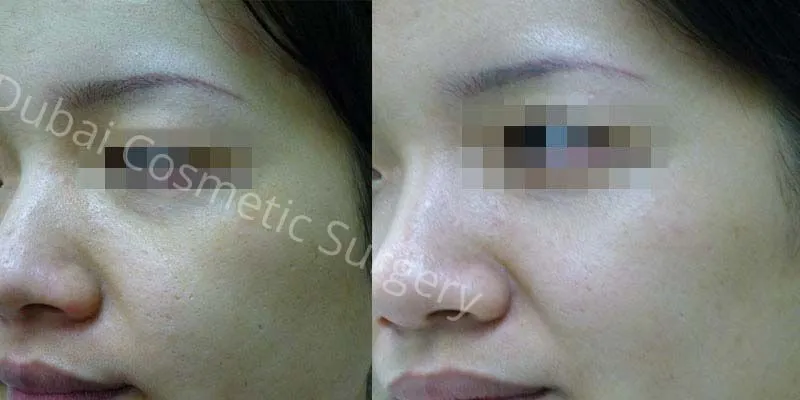
What is Skin Whitening Surgery
Skin whitening surgery, also known as skin lightening surgery, encompasses a range of cosmetic procedures designed to lighten the skin’s tone. These treatments aim to reduce hyperpigmentation, such as dark spots, age spots, and uneven skin tone, resulting in a brighter and more even complexion. The procedures work by either removing the top layers of the skin, inhibiting melanin production, or injecting substances that lighten the skin. It is important to understand that these procedures carry risks and are not a substitute for proper skincare and sun protection. Before considering skin whitening surgery, it is essential to consult with a qualified dermatologist or plastic surgeon to discuss your goals, assess your skin type, and understand the potential benefits and risks.
Types of Skin Whitening Surgeries
Several types of skin whitening surgeries are available, each employing different techniques and targeting varying levels of skin pigmentation. These procedures include chemical peels, laser skin resurfacing, and dermal fillers. The choice of procedure depends on the individual’s skin type, the severity of the pigmentation issues, and the desired outcome. It’s crucial to discuss the options with a medical professional to determine the most suitable treatment for your specific needs. Each method has its advantages and disadvantages, as well as different recovery times and potential side effects. Understanding these differences will help you make an informed decision and set realistic expectations for the results.
Chemical Peels

Chemical peels involve applying a chemical solution to the skin to exfoliate the top layers, promoting new skin growth that is typically smoother and more evenly toned. The depth of the peel varies depending on the chemicals used, ranging from superficial peels that address minor imperfections to deeper peels that target more significant pigmentation issues. Chemical peels can effectively reduce the appearance of dark spots, sun damage, and uneven skin tone. However, they can also cause temporary redness, peeling, and sensitivity. The recovery period and potential side effects depend on the strength of the peel. It is essential to follow post-peel care instructions diligently to ensure optimal healing and results. See image of chemical peel treatment.
Laser Skin Resurfacing
Laser skin resurfacing uses focused beams of light to remove damaged skin layers and stimulate collagen production. This treatment can target various pigmentation problems, including age spots, freckles, and uneven skin tone. Different types of lasers are used, each with varying levels of intensity and precision. Some lasers vaporize the outer layers of skin, while others penetrate deeper to stimulate collagen. The recovery time and potential side effects depend on the type of laser used and the depth of treatment. Laser skin resurfacing can offer significant improvements in skin texture and tone, but it may also require multiple sessions to achieve optimal results. Understanding the specific laser used and its associated risks is essential. See image of laser skin resurfacing procedure.
Dermal Fillers
Dermal fillers are injectable substances that can be used to improve skin tone and reduce the appearance of pigmentation issues. Fillers typically contain hyaluronic acid, a substance that attracts and retains water, plumping up the skin and reducing the visibility of dark spots and unevenness. They can be used to target specific areas of concern, such as scars or areas with significant pigmentation. The results of dermal fillers are often immediate and can last for several months. However, dermal fillers are not a permanent solution, and repeated treatments are often needed to maintain the desired results. Potential side effects may include bruising, swelling, and redness. See image of dermal fillers for skin.
Benefits of Skin Whitening Surgery

Skin whitening surgery can offer several benefits, including improved skin tone and texture, reduced appearance of scars and blemishes, and enhanced self-confidence. These benefits are not guaranteed and depend on the specific procedure, the individual’s skin type, and the skill of the medical professional. Realistic expectations are essential, as the results may vary. Skin whitening surgery can significantly improve the appearance of the skin and boost self-esteem. However, it’s important to remember that these procedures are not a cure-all and require proper post-operative care and maintenance. Consulting with a qualified dermatologist or plastic surgeon can help you understand the potential benefits and determine if skin whitening surgery is right for you.
Improved Skin Tone and Texture
One of the primary benefits of skin whitening surgery is the improvement of skin tone and texture. These procedures can reduce the appearance of unevenness, dark spots, and sun damage, leading to a more radiant and even complexion. The specific results depend on the type of surgery performed and the individual’s skin condition. Chemical peels and laser treatments can exfoliate the skin and stimulate new cell growth, resulting in a smoother and more refined texture. Dermal fillers can also contribute to improved skin tone by adding volume and reducing the appearance of imperfections. It is important to maintain a healthy skincare routine to maximize the results of the surgery and protect the skin from further damage.
Reduced Appearance of Scars and Blemishes
Skin whitening surgeries can also help reduce the appearance of scars and blemishes. Laser resurfacing and chemical peels can target and minimize the visibility of acne scars, surgical scars, and other imperfections. These procedures work by removing the damaged skin layers and promoting the growth of new, healthy skin. Dermal fillers can also be used to fill in and smooth out certain types of scars. The extent of scar reduction depends on the type and severity of the scars, as well as the chosen treatment. Multiple sessions may be required to achieve the desired results. Proper aftercare is crucial for optimal healing and minimizing the risk of further scarring. However, these treatments may not remove scars completely, but they can make them less noticeable.
Enhanced Self-Confidence

For many individuals, skin whitening surgery can lead to a significant boost in self-confidence. Improving the appearance of the skin and reducing imperfections can have a positive impact on self-esteem and body image. Having a brighter, more even complexion can make people feel more comfortable and confident in their skin, leading to improved social interactions and overall well-being. It’s important to approach these procedures with realistic expectations and understand that the results may vary. The decision to undergo skin whitening surgery should be made based on personal goals and a thorough understanding of the potential benefits and risks. This is about improving the appearance of skin.
Risks and Side Effects
While skin whitening surgery can offer significant benefits, it also carries potential risks and side effects. These risks vary depending on the specific procedure and the individual’s skin type. It is essential to discuss these potential complications with a qualified medical professional before making a decision. The most common risks include infection, scarring, and changes in skin pigmentation. Understanding these risks and taking necessary precautions can help minimize complications and ensure a safer experience. Careful consideration of these factors is crucial for making an informed decision and setting realistic expectations.
Infection
Infection is a potential risk with any surgical procedure, including skin whitening surgery. Infections can occur at the surgical site and can lead to complications, such as delayed healing, scarring, and the need for additional medical treatment. The risk of infection can be minimized by choosing a qualified and experienced surgeon who follows strict sterile protocols. Proper post-operative care, including wound care and antibiotic use (if prescribed), is essential for preventing infection. If signs of infection, such as redness, swelling, pain, and pus, occur, seeking prompt medical attention is crucial. Following all pre- and post-operative instructions provided by your healthcare provider can help to minimize the risk of infection. See image of skin-whitening-surgery-risks.
Scarring

Scarring is another potential risk associated with skin whitening surgery, particularly with procedures that involve incisions or aggressive exfoliation. The severity of scarring can vary depending on the procedure, the individual’s skin type, and the surgeon’s technique. Some individuals are more prone to scarring than others. Proper surgical techniques and post-operative care can help minimize scarring. Following the surgeon’s instructions carefully, including avoiding sun exposure and using recommended skincare products, can help promote optimal healing and reduce the visibility of scars. In some cases, additional treatments, such as laser therapy or scar revision surgery, may be necessary to improve the appearance of scars.
Changes in Skin Pigmentation
Changes in skin pigmentation, such as hyperpigmentation or hypopigmentation, can occur as a result of skin whitening surgery. Hyperpigmentation refers to darkening of the skin, while hypopigmentation refers to lightening of the skin. These changes can occur due to inflammation, improper healing, or uneven distribution of melanin. The risk of pigmentation changes can be minimized by choosing a qualified and experienced surgeon, following post-operative instructions, and protecting the skin from sun exposure. In some cases, additional treatments, such as topical creams or laser therapy, may be needed to address pigmentation changes. Individuals with darker skin tones may be at higher risk of experiencing these complications.
How to Prepare for Skin Whitening Surgery
Preparing for skin whitening surgery involves several steps to ensure a safe and successful procedure. This includes consulting with a dermatologist or plastic surgeon, undergoing a medical evaluation, and following pre-surgery instructions. These steps are crucial for assessing your suitability for the procedure, minimizing risks, and optimizing the chances of achieving the desired results. Understanding the preparation process can help you feel more confident and informed. It is important to be honest and transparent with your medical professional about your medical history, medications, and expectations. Adequate preparation is essential for a smooth surgical experience and a successful outcome.
Consultation with a Dermatologist or Plastic Surgeon

The first step in preparing for skin whitening surgery is consulting with a qualified dermatologist or plastic surgeon. During this consultation, the surgeon will evaluate your skin type, assess your medical history, and discuss your goals and expectations. They will explain the available procedures, potential risks, and expected outcomes. It is important to ask questions and express any concerns you may have. The consultation also allows the surgeon to determine if you are a suitable candidate for the procedure and to develop a personalized treatment plan. You should also discuss the surgeon’s experience and credentials. Be sure to take notes and request written information about the procedure. This consultation is a crucial part of the preparation process and helps to ensure that you are well-informed and prepared for the surgery.
Medical Evaluation and Assessment
Before undergoing skin whitening surgery, you will likely need a medical evaluation and assessment. This may involve blood tests, a physical examination, and a review of your medical history. The medical team will assess your overall health and identify any potential risk factors that could affect the outcome of the surgery. They may also advise you to stop taking certain medications or supplements that could increase the risk of bleeding or other complications. The medical evaluation is designed to ensure that you are healthy enough to undergo the procedure and to identify any potential issues that need to be addressed before surgery. This is an essential step in minimizing risks and promoting a safe and successful surgical outcome.
Pre-Surgery Instructions
Your surgeon will provide you with specific pre-surgery instructions to follow to prepare for skin whitening surgery. These instructions may include avoiding certain medications, such as blood thinners, a few weeks before the surgery. You may also be advised to stop smoking and drinking alcohol, as these can impair healing. You will also be given instructions on how to care for your skin before the procedure, such as avoiding sun exposure and using specific skincare products. Following these pre-surgery instructions carefully is crucial to minimize risks, optimize healing, and achieve the best possible results. Failure to follow these instructions can increase the risk of complications and affect the outcome of the surgery.
Post-Surgery Care and Recovery

Post-surgery care and recovery are crucial for ensuring proper healing and achieving the desired results after skin whitening surgery. This involves following specific instructions regarding wound care, medication, and follow-up appointments. It is important to be patient and allow your body to heal, as the recovery process may take several weeks or months. Proper aftercare can minimize risks, prevent complications, and optimize the outcome of the surgery. Following your surgeon’s instructions and attending all scheduled appointments will help you to achieve the best possible results and maintain a healthy and radiant complexion. Maintaining a healthy lifestyle and avoiding certain activities can also aid in the recovery process.
Wound Care and Dressing Changes
Proper wound care and dressing changes are essential for promoting healing and preventing infection after skin whitening surgery. Your surgeon will provide you with specific instructions on how to care for the surgical site, including cleaning the wound and applying any prescribed ointments or dressings. It is important to follow these instructions carefully and to keep the surgical site clean and dry. You may need to change the dressings regularly as directed by your surgeon. Avoid picking or scratching the surgical site, as this can increase the risk of infection and scarring. If you notice any signs of infection, such as redness, swelling, or pus, contact your surgeon immediately. Proper wound care can help to minimize the risk of complications and promote optimal healing. See image of post-surgery skin care.
Medication and Pain Management
You may be prescribed medication to manage pain and prevent infection after skin whitening surgery. It is important to take these medications as directed by your surgeon. If you experience any side effects, such as nausea or allergic reactions, contact your surgeon immediately. Avoid taking any other medications, including over-the-counter drugs and supplements, without consulting your surgeon. Following the prescribed medication regimen can help manage pain and promote healing. Pain management is a critical aspect of post-operative care, ensuring your comfort and facilitating a smooth recovery. Discuss your pain management options with your surgeon before the procedure to understand what to expect and how to address any discomfort.
Follow-Up Appointments and Monitoring
Regular follow-up appointments and monitoring are essential after skin whitening surgery. These appointments allow your surgeon to assess your healing progress, monitor for any complications, and provide additional guidance. It is important to attend all scheduled follow-up appointments and to communicate any concerns or questions you may have. Your surgeon may make adjustments to your post-operative care plan based on your progress. Proper monitoring ensures that any potential issues are addressed promptly and that you are on track to achieve the desired results. Attending all appointments is crucial for ensuring a successful outcome and long-term maintenance of your results.
Alternatives to Skin Whitening Surgery
If you are considering skin whitening, but are hesitant about surgery, several alternatives are available. These include topical creams, chemical peels, and laser treatments. These options may be less invasive and carry fewer risks than surgery, but they may also provide less dramatic results. Before choosing any skin whitening treatment, it is essential to consult with a dermatologist or skincare professional to discuss your goals and determine the best approach for your skin type and concerns. Remember, maintaining a consistent skincare routine that includes sun protection, can also improve skin tone. See image of alternative skin whitening.