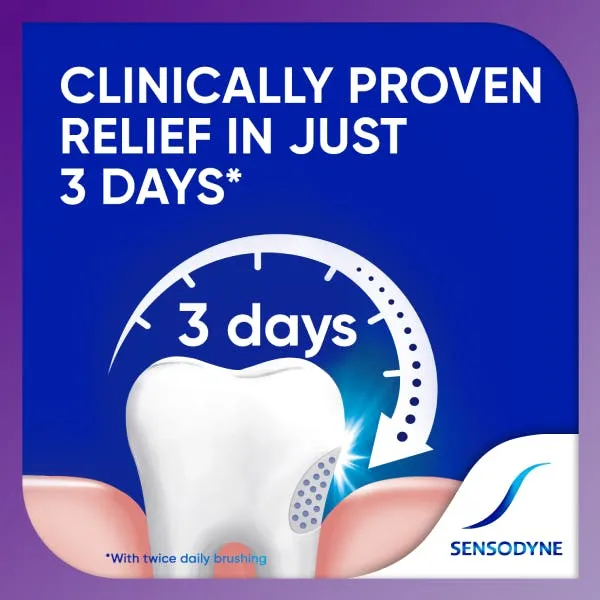
The Science of Sensitivity Why Teeth Hurt After Whitening
Teeth whitening procedures, while effective in enhancing the aesthetic appeal of your smile, can sometimes lead to a temporary increase in tooth sensitivity. Understanding the science behind this sensitivity is crucial for managing discomfort and choosing the right aftercare. The sensation arises because the whitening agents, usually hydrogen peroxide or carbamide peroxide, penetrate the enamel and dentin of the teeth. This process can irritate the nerves within the teeth, leading to sensitivity to hot, cold, sweet, or acidic foods and drinks. Knowing why this happens allows you to choose the best solutions, like Sensodyne, to alleviate the discomfort and continue with your whitening journey without significant interruptions.
Tooth Whitening and Sensitivity The Connection
The primary connection between tooth whitening and sensitivity lies in the mechanism of action of the whitening agents. These agents work by breaking down stains on the teeth, but in doing so, they also temporarily open the pores in the enamel. This makes the nerves in the dentin more susceptible to external stimuli. The level of sensitivity varies depending on the individual, the concentration of the whitening agent, and the duration of the treatment. Some people experience mild discomfort, while others feel significant pain. This highlights the importance of choosing the right post-whitening care and considering the use of products specifically designed for sensitive teeth, like Sensodyne.
How Whitening Agents Affect Your Teeth
Whitening agents, such as hydrogen peroxide, work by oxidizing the stain molecules within the tooth enamel. This process essentially breaks down the stains, making the teeth appear whiter. However, the process also affects the tooth’s structure. As the whitening agent penetrates the enamel, it can dehydrate the tooth and irritate the nerve endings. This dehydration can cause the dentin tubules to become more exposed, increasing the likelihood of sensitivity. It’s important to note that this sensitivity is usually temporary and resolves as the tooth remineralizes and rehydrates. Using products like Sensodyne can assist in this remineralization process, protecting the teeth and reducing discomfort during this period.
Sensodyne’s Role [Top 5] Benefits After Whitening
Sensodyne plays a crucial role in managing tooth sensitivity following teeth whitening. Its specialized formula is designed to soothe the nerves in sensitive teeth and provide relief from the discomfort caused by whitening treatments. Sensodyne works through multiple mechanisms, offering comprehensive care for sensitive teeth. Regular use can significantly improve the experience after whitening, allowing you to enjoy your brighter smile without the worry of persistent sensitivity. The benefits extend beyond immediate relief, contributing to long-term oral health and comfort.
Fact 1 Desensitizing Ingredients
Sensodyne toothpastes contain active ingredients, such as potassium nitrate, that act as a desensitizing agent. Potassium nitrate works by penetrating the tooth and blocking the pain signals that travel from the tooth’s surface to the nerve. This reduces the nerve’s sensitivity, providing relief from the sharp, sudden pains associated with sensitivity. The presence of desensitizing ingredients is a primary factor in Sensodyne’s effectiveness after teeth whitening, as it directly addresses the nerve irritation caused by the whitening process. Choosing a Sensodyne product with potassium nitrate can significantly alleviate the discomfort experienced.
Fact 2 Formation of Protective Layer

Some Sensodyne formulations also contain ingredients that help form a protective layer over the dentin tubules. These tubules are tiny channels that lead to the tooth’s nerve, and when exposed, they can cause increased sensitivity. By forming a protective layer, Sensodyne helps to block these tubules, reducing the transmission of external stimuli to the nerve. This protective action provides a physical barrier against hot, cold, and other irritants, making teeth less sensitive. This is particularly beneficial after teeth whitening, when the enamel may be temporarily weakened and the dentin tubules more exposed.
Fact 3 Gentle Cleaning Action
Sensodyne toothpastes are generally formulated to have a low abrasion level, ensuring a gentle cleaning action. This is crucial for sensitive teeth, as harsh abrasives can further irritate the enamel and exacerbate sensitivity. The gentle cleaning action of Sensodyne effectively removes plaque and debris without causing additional discomfort. This ensures that your teeth are kept clean and healthy, which is essential for maintaining the results of your teeth whitening treatment and preventing future problems. This gentleness is key to a comfortable and effective post-whitening oral care routine.
Fact 4 Fluoride for Enamel Strength
Many Sensodyne products contain fluoride, which strengthens tooth enamel and helps to remineralize it. Fluoride works by integrating into the enamel structure, making it more resistant to acid attacks and promoting the repair of minor damage. This is particularly important after teeth whitening, as the enamel may be temporarily weakened. The presence of fluoride in Sensodyne helps to restore the enamel’s strength and protect against further sensitivity. Regular use of fluoride-containing toothpaste is a critical component of a comprehensive approach to oral health, especially after teeth whitening.
Fact 5 Long-Term Sensitivity Relief

The benefits of using Sensodyne extend beyond immediate relief, providing long-term sensitivity management. Consistent use of Sensodyne builds up a protective effect over time, significantly reducing the likelihood of future sensitivity episodes. This consistent care supports the overall health of your teeth and gums, making them less vulnerable to sensitivity triggers. Sensodyne’s ability to provide sustained relief makes it an ideal choice for people who experience sensitivity after teeth whitening and for maintaining a healthy, comfortable smile long after the whitening treatment is complete. This long-term effect is why dentists often recommend Sensodyne as a regular part of your oral hygiene routine.
Choosing the Right Sensodyne Product
Sensodyne offers a range of products, each designed to address different needs and preferences. When choosing a Sensodyne product after teeth whitening, consider the specific ingredients and how they align with your sensitivity level and other oral health requirements. Some formulations are designed for quick relief, while others offer longer-lasting protection. Pay attention to the active ingredients, such as potassium nitrate, and choose a product that suits your individual needs. Consulting with your dentist can help you determine the best Sensodyne product for your situation and ensure the most effective post-whitening care.
Sensodyne Variants and Their Uses
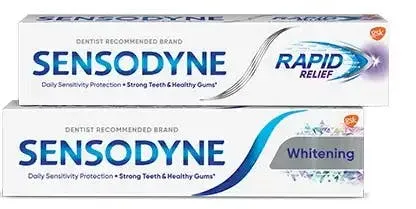
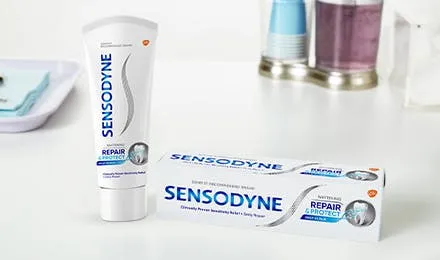
Sensodyne offers several variants, including Sensodyne Repair & Protect, Sensodyne Rapid Relief, and Sensodyne Gentle Whitening. Sensodyne Repair & Protect is formulated to help repair vulnerable areas of the teeth, offering long-term protection. Sensodyne Rapid Relief is designed to provide quick relief from sensitivity, making it ideal for immediate post-whitening use. Sensodyne Gentle Whitening combines sensitivity relief with gentle stain removal. Understanding the differences between these products will help you choose the best option for your specific needs and ensure that you get the most out of your Sensodyne experience after teeth whitening. Carefully read product labels and consult with your dentist for personalized recommendations.
How to Use Sensodyne Effectively After Whitening

To maximize the benefits of Sensodyne after teeth whitening, it’s crucial to use it correctly. Proper technique and frequency of use are essential for achieving the best results. Consistent use ensures that the protective effects of Sensodyne are maintained, providing continuous relief from sensitivity and helping to strengthen the enamel. Adhering to the recommended guidelines for brushing and other oral hygiene practices is important for a comfortable and healthy experience.
Recommended Brushing Technique
When using Sensodyne after teeth whitening, it’s essential to adopt a gentle brushing technique. Use a soft-bristled toothbrush and brush your teeth in a circular or back-and-forth motion, applying light pressure. Avoid brushing too vigorously, as this can irritate the gums and further exacerbate sensitivity. Ensure that you brush all surfaces of your teeth, including the front, back, and chewing surfaces. The goal is to effectively clean your teeth without causing unnecessary abrasion or discomfort. Take your time and be thorough, ensuring that you reach all areas and remove plaque and debris gently.
Frequency of Use
The recommended frequency of using Sensodyne is typically twice a day, morning and night. This allows for consistent exposure to the desensitizing ingredients and helps to maintain a protective barrier. For best results, brush your teeth with Sensodyne for two minutes each time. Regular use is key to maximizing the benefits of Sensodyne after teeth whitening. If your sensitivity is particularly severe, you might consider using Sensodyne more frequently, but consult with your dentist for personalized recommendations. Consistency is key to the long-term effectiveness of Sensodyne.
Additional Tips for Sensitive Teeth
Beyond using Sensodyne, there are other measures you can take to manage tooth sensitivity after teeth whitening. Avoiding highly acidic foods and drinks, such as citrus fruits, sodas, and coffee, can minimize discomfort. Using a straw for beverages can also help to reduce contact with your teeth. Consider using a fluoride rinse to further strengthen your enamel. If your sensitivity persists or worsens, consult with your dentist, who can provide additional recommendations and treatments. Following these tips can significantly improve your comfort and help maintain the benefits of your teeth whitening treatment.
- Use a soft-bristled toothbrush
- Avoid acidic foods and drinks
- Use a straw for beverages
- Consider a fluoride rinse