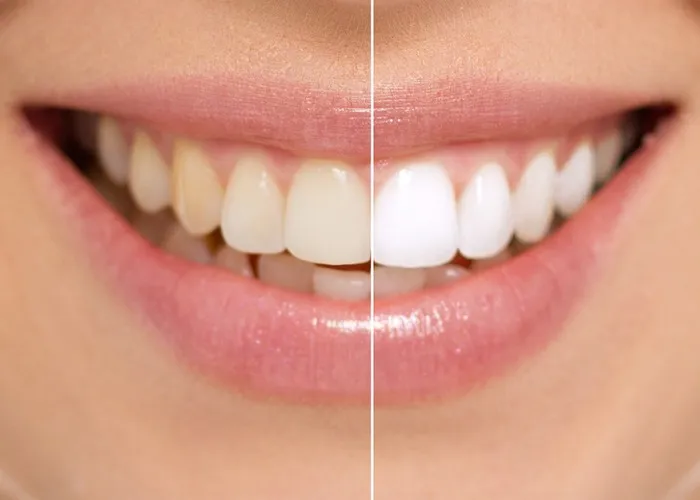
Understanding Sensitive Teeth
Tooth sensitivity is a common dental issue that can cause discomfort when consuming hot, cold, sweet, or acidic foods and drinks. This sensitivity occurs when the underlying layers of your teeth, the dentin, become exposed. Dentin contains microscopic tubules that lead to the nerves of the tooth, and when these tubules are stimulated, it results in a sharp, temporary pain. Understanding the causes of sensitivity is the first step in choosing the right teeth whitening procedures and ensuring a comfortable experience. Many individuals with sensitive teeth are hesitant about teeth whitening, but there are several gentle and effective options available that can help you achieve a brighter smile without compromising your oral health. It’s essential to consult with your dentist to determine the best approach for your specific needs and sensitivity level.
What Causes Tooth Sensitivity?
Several factors can contribute to tooth sensitivity. The most common cause is receding gums, which expose the roots of the teeth. The roots are not protected by enamel, making them highly susceptible to sensitivity. Enamel erosion, often caused by acidic foods and drinks or aggressive brushing, can also expose the dentin. Other causes include tooth decay, cracked teeth, and dental procedures such as fillings or teeth cleaning. If you have sensitive teeth, it’s crucial to identify the underlying cause to address it effectively. Your dentist can help you diagnose the problem and recommend appropriate treatments. It’s important to use a soft-bristled toothbrush and brush gently to avoid further enamel erosion or gum recession. Also, a diet low in acidic foods and drinks can help protect your enamel and reduce sensitivity.
Common Triggers for Sensitivity

Identifying the triggers that cause your tooth sensitivity can help you avoid discomfort and manage your condition. Common triggers include cold beverages and foods, such as ice cream or iced drinks, and hot items like coffee or soup. Sweet and acidic foods and drinks, such as soda, citrus fruits, and candies, can also provoke sensitivity. Inhaling cold air, especially during winter or while exercising, can sometimes trigger pain. Brushing your teeth or using mouthwash can also cause sensitivity if the products are too abrasive or contain harsh chemicals. Being aware of these triggers allows you to make informed choices about your diet and oral hygiene habits. Consider using a desensitizing toothpaste, which can help block the tubules in your dentin, reducing sensitivity over time. Moreover, pay attention to the products you use and choose those suitable for sensitive teeth.
Top 5 Whitening Procedures for Sensitive Teeth
Fortunately, several teeth whitening procedures are designed to be gentle on sensitive teeth, allowing you to achieve a brighter smile without significant discomfort. These procedures range from professional treatments to over-the-counter options. It’s important to consult with your dentist to determine the best course of action. Professional treatments often yield faster and more dramatic results, while over-the-counter options offer convenience and affordability. Regardless of the method you choose, always prioritize products specifically formulated for sensitive teeth. Regular dental check-ups and cleanings are also essential in maintaining a healthy and beautiful smile. Remember that individual results can vary. Therefore, what works for one person may not work for another. Always discuss your options with a dental professional.
Professional Whitening Options
Professional whitening treatments performed by a dentist are often the most effective. These treatments use higher concentrations of bleaching agents than over-the-counter products, providing faster and more noticeable results. Your dentist can also take measures to protect your sensitive teeth and gums during the procedure. They can apply a protective gel to your gums and may use a desensitizing agent before or after the treatment. Professional whitening offers several advantages, including customized treatment plans and the ability to address specific concerns. Moreover, your dentist can monitor your progress and make adjustments as needed. Regular dental visits and cleanings are crucial in maintaining your oral health and ensuring a bright, healthy smile. Always discuss your options and any concerns with your dentist before beginning a whitening procedure.
In-Office Whitening Treatment

In-office whitening, also known as chairside bleaching, is a popular option for those seeking immediate results. During this procedure, your dentist applies a high-concentration whitening gel to your teeth, which is then activated by a special light or laser. The entire process usually takes about an hour and can significantly whiten your teeth in a single visit. The dentist takes precautions to protect your gums and teeth from the strong bleaching agent, minimizing sensitivity. Before the procedure, your dentist will typically clean your teeth to remove any surface stains and debris. This helps ensure that the whitening agent can effectively penetrate the enamel. The results are often dramatic, but some people may experience temporary sensitivity. Your dentist can recommend products and strategies to manage this. In-office whitening is a safe and effective way to achieve a brighter smile quickly.
Custom Tray Whitening
Custom tray whitening involves your dentist taking impressions of your teeth to create custom-fitted trays. You’ll then be provided with a whitening gel to use at home, usually worn for a few hours each day or overnight. This method offers a balance of professional guidance and convenience, allowing you to whiten your teeth in the comfort of your own home. The custom trays ensure that the whitening gel comes into close contact with your teeth while minimizing exposure to your gums, reducing the risk of sensitivity. Your dentist will guide you on how to use the trays and monitor your progress, making adjustments as needed. Custom tray whitening is generally more affordable than in-office procedures and can be a good option for those who prefer a gradual approach. Your dentist will help you determine the appropriate strength of the whitening gel for your sensitivity level.
Over-the-Counter Whitening Options
For those seeking more affordable and accessible options, over-the-counter (OTC) whitening products are readily available. These products typically contain lower concentrations of bleaching agents than professional treatments, making them gentler on sensitive teeth. However, they may take longer to produce noticeable results. It’s essential to choose products specifically designed for sensitive teeth. These often include ingredients to help reduce sensitivity. Always follow the manufacturer’s instructions carefully to avoid any adverse effects. While OTC options can be convenient, they may not be suitable for everyone, particularly those with severe sensitivity or underlying dental issues. If you have any concerns, it’s always best to consult with your dentist before using OTC whitening products. Your dentist can also recommend products that are effective and safe for your specific needs.
Whitening Toothpastes for Sensitive Teeth

Whitening toothpastes are a popular and affordable option for teeth whitening. Many whitening toothpastes contain mild abrasives that help remove surface stains, improving the appearance of your teeth. Some also include peroxide-based ingredients that offer a mild bleaching effect. When choosing a whitening toothpaste for sensitive teeth, look for products that are specifically formulated for sensitivity. These often contain ingredients like potassium nitrate or stannous fluoride, which help desensitize your teeth. Be cautious of toothpastes with high levels of abrasives, as these can worsen sensitivity. Always brush gently to avoid damaging your enamel. The results from whitening toothpastes are usually subtle and gradual, but they can be a good option for maintaining a brighter smile and removing surface stains. It is essential to consult your dentist about the best toothpaste for your needs.
Whitening Strips Considerations
Whitening strips are another popular OTC option that is convenient and easy to use. These strips contain a thin layer of hydrogen peroxide and are applied directly to your teeth. When using whitening strips, it’s important to choose products specifically designed for sensitive teeth. These strips often contain a lower concentration of peroxide and may be gentler on your gums and teeth. Follow the instructions carefully, as overuse can lead to increased sensitivity. Be sure to avoid contact with your gums, as this can cause irritation. Results vary depending on the product and your individual needs, but whitening strips can be effective for removing surface stains and improving your smile. If you experience excessive sensitivity or irritation, discontinue use and consult your dentist. It’s a good idea to discuss the use of whitening strips with your dentist.
Home Remedies and Natural Approaches
Some people prefer to explore home remedies and natural approaches for teeth whitening. While some of these methods may offer subtle benefits, it’s important to approach them with caution and consult with your dentist. Certain ingredients, like baking soda and hydrogen peroxide, have been used for teeth whitening, but they can also cause sensitivity or damage your enamel if used improperly. Natural approaches may not produce the same results as professional treatments, but they may complement your oral hygiene routine. Be sure to research any home remedy thoroughly and discuss it with your dentist to ensure it’s safe and effective for your specific needs. Remember that your dentist can offer the most accurate and personalized advice for achieving a brighter smile.
Coconut Oil Pulling for Whitening

Coconut oil pulling is an ancient practice that involves swishing coconut oil in your mouth for a specific period, typically 15-20 minutes. Some proponents claim that it can help whiten teeth and improve overall oral health. While coconut oil pulling may help remove some surface stains, its whitening effects are generally minimal compared to professional treatments or whitening products. It is essential to note that there is limited scientific evidence to support the claims that coconut oil pulling whitens teeth. However, some people find that it helps freshen their breath and improve their gum health. Coconut oil pulling is generally considered safe, but it is not a substitute for proper oral hygiene. It should be used in conjunction with brushing, flossing, and regular dental check-ups. If you choose to try coconut oil pulling, make sure to use food-grade coconut oil and spit it into a trash can, not the sink, to avoid clogging your pipes.
Baking Soda and Hydrogen Peroxide Caution
Baking soda and hydrogen peroxide are often mentioned as potential teeth whitening agents. Baking soda is a mild abrasive that can help remove surface stains, while hydrogen peroxide has bleaching properties. Some people mix baking soda and hydrogen peroxide into a paste and use it to brush their teeth. However, using baking soda and hydrogen peroxide excessively can be harmful to your teeth. The abrasive nature of baking soda can wear down your enamel over time, making your teeth more sensitive and vulnerable to decay. Hydrogen peroxide can irritate your gums and cause increased sensitivity. Before using baking soda and hydrogen peroxide, it’s essential to consult with your dentist. They can advise you on the proper concentrations and frequency of use to minimize any risks. It is also important to remember that these agents may not be suitable for everyone, especially those with sensitive teeth or existing dental problems.
Aftercare Tips for Whitening Sensitive Teeth
Following proper aftercare is essential to maintain your results and minimize sensitivity after teeth whitening. After the procedure, your teeth may be more susceptible to staining and sensitivity. Avoiding stain-causing foods and drinks, such as coffee, tea, red wine, and dark berries, can help maintain your brighter smile. Additionally, be mindful of your oral hygiene routine. Use a soft-bristled toothbrush and brush gently to avoid irritating your gums. Using a desensitizing toothpaste can also help alleviate any sensitivity. It is important to follow your dentist’s recommendations for aftercare, as they may vary depending on the whitening procedure you have chosen. Remember that results may vary depending on the individual and the type of whitening procedure. Regular dental check-ups and cleanings are crucial in maintaining your oral health and the longevity of your brighter smile. Remember to schedule a follow-up appointment with your dentist to discuss the results of your whitening procedure.
Managing Sensitivity After Whitening

Managing sensitivity after teeth whitening is a common concern. Many people experience some level of temporary sensitivity after the procedure. There are several steps you can take to minimize discomfort. Using a desensitizing toothpaste containing ingredients like potassium nitrate or stannous fluoride can help block the tubules in your dentin, reducing sensitivity over time. Avoiding extremely hot or cold foods and drinks for a few days after whitening can also help. Your dentist may recommend fluoride treatments or a special rinse to strengthen your enamel and reduce sensitivity. If the sensitivity is severe or persistent, contact your dentist. They can provide further guidance and treatment options. It is important to remember that sensitivity is usually temporary. Following your dentist’s instructions and using the recommended products will help alleviate your discomfort. Always communicate with your dentist about any concerns or issues you may be experiencing after the whitening procedure.
Oral Hygiene Routine Adjustments
Adjusting your oral hygiene routine can help you maintain your brighter smile and manage any sensitivity after teeth whitening. Continue brushing your teeth twice a day with a soft-bristled toothbrush and a toothpaste formulated for sensitive teeth. Brush gently to avoid irritating your gums or damaging your enamel. Flossing daily is essential to remove plaque and debris from between your teeth, which can also help maintain your results. Use a fluoride mouthwash to help strengthen your enamel and protect against cavities. Avoiding abrasive toothpastes or whitening products that can exacerbate sensitivity is important. Your dentist may recommend specific products or techniques to enhance your oral hygiene routine. Regular dental check-ups and cleanings are also crucial in maintaining your oral health and the longevity of your brighter smile. By following these recommendations, you can ensure that your teeth remain healthy, beautiful, and less sensitive.
Consulting Your Dentist
Consulting with your dentist is crucial before undergoing any teeth whitening procedure, especially if you have sensitive teeth. Your dentist can assess your oral health, identify any underlying issues, and recommend the most appropriate whitening treatment for your specific needs. They can also advise you on the potential risks and benefits of each procedure. Your dentist will take into consideration the extent of your sensitivity, any existing dental work, and your overall oral health. They can also provide personalized recommendations on oral hygiene, aftercare, and desensitizing products. Regular dental check-ups are essential in maintaining a healthy and beautiful smile. Your dentist can perform routine cleanings, address any dental problems, and monitor your progress. Before undergoing any teeth whitening procedure, discuss your options, expectations, and any concerns you may have with your dentist. Your dentist is the best resource for ensuring that your teeth whitening experience is safe, effective, and comfortable.