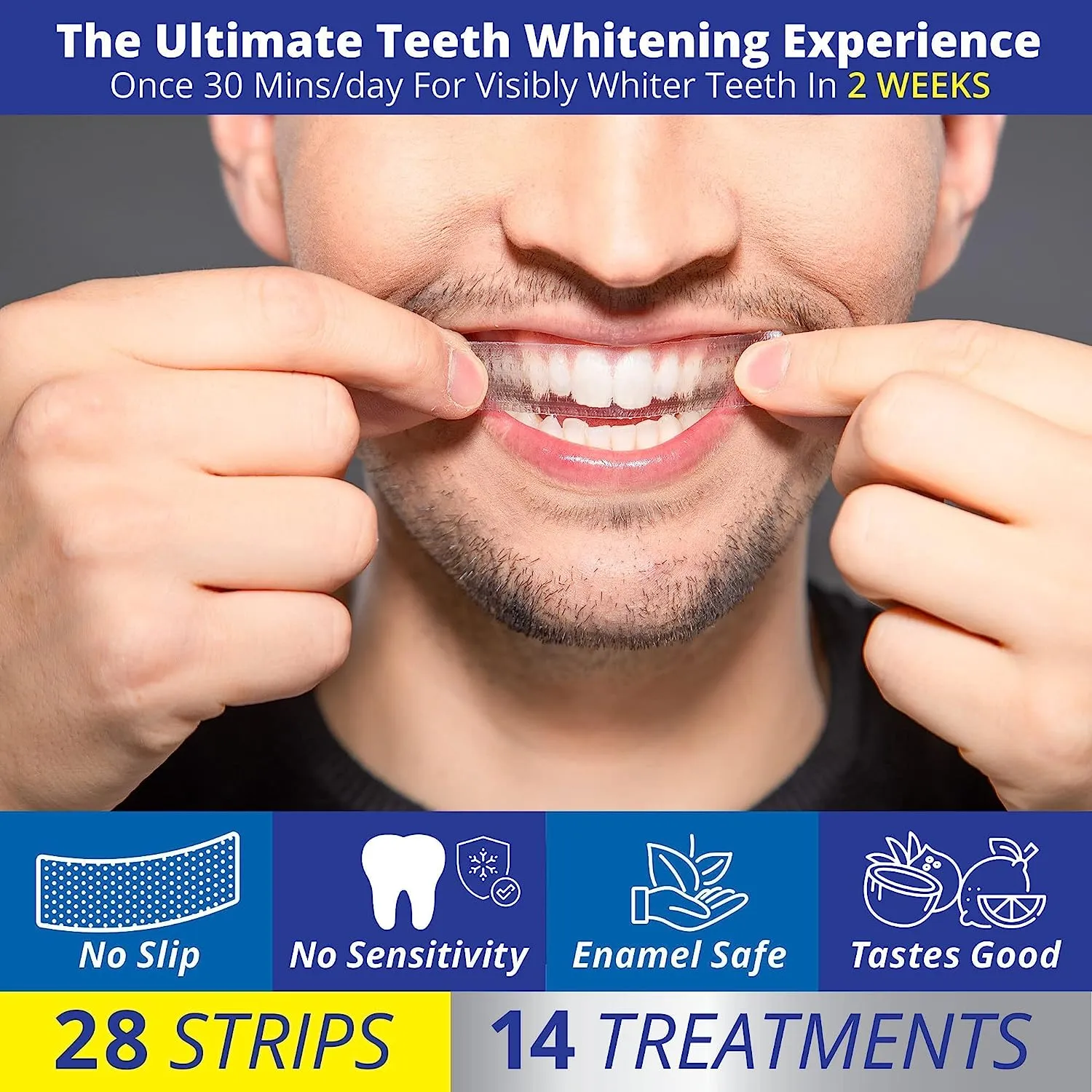
What are Whitening Strips and How Do They Work?
Whitening strips have become a popular over-the-counter solution for achieving a brighter smile. These thin, flexible strips are coated with a bleaching agent, usually a form of peroxide, and are designed to adhere to the teeth. The concept is simple the active ingredients penetrate the enamel and break down stain molecules, resulting in a lighter shade. However, while effective for many, whitening strips can also lead to side effects, particularly teeth sensitivity. Understanding how these strips work and why they can cause sensitivity is crucial for making informed decisions about your oral care routine. The process is relatively straightforward but can sometimes have unintended consequences, especially for those with pre-existing dental conditions or sensitivities.
The Active Ingredients in Whitening Strips
The effectiveness of whitening strips lies in their active ingredients, which are primarily bleaching agents. These agents react with the discolored molecules within the tooth enamel, breaking them down and making the teeth appear whiter. The most common active ingredients are hydrogen peroxide and carbamide peroxide. The concentration of these agents can vary depending on the brand and the intended intensity of the whitening treatment. Understanding these components can help you assess the potential impact of whitening strips on your teeth and gums. Each ingredient functions differently, so their combined effects are significant.
Hydrogen Peroxide

Hydrogen peroxide is a strong oxidizing agent and a key component of many whitening strip formulas. It directly penetrates the enamel, reaching the stain molecules within the tooth structure. Hydrogen peroxide is known for its rapid action, making it an effective bleaching agent. However, its potency also contributes to the potential for teeth sensitivity. Higher concentrations of hydrogen peroxide can increase the likelihood of sensitivity, as they can irritate the nerves within the teeth and gums. This is why the strength of the product is often a key factor in the experience and results.
Carbamide Peroxide
Carbamide peroxide is another common active ingredient in whitening strips. It breaks down into hydrogen peroxide when it comes into contact with water. This means that carbamide peroxide acts as a slower-releasing form of hydrogen peroxide. This can reduce the immediate intensity, making it a bit milder for some users. The concentration of carbamide peroxide determines the rate at which hydrogen peroxide is released, and thus the effectiveness and potential for sensitivity. Many products use both agents to maximize effectiveness and minimize discomfort, but it all depends on the composition.
How Whitening Strips Cause Sensitivity
The mechanism behind teeth sensitivity caused by whitening strips involves several factors related to how the active ingredients interact with the teeth. Sensitivity arises when the bleaching agents affect the tooth’s enamel and underlying structures. This impact can lead to temporary or even chronic discomfort. It’s essential to understand the specific processes that contribute to sensitivity in order to better mitigate or prevent this side effect. These include enamel erosion, dehydration, and gum irritation, each playing a significant role in causing sensitivity.
Enamel Erosion

The enamel is the outer protective layer of the tooth, and it acts as a barrier against external stimuli. Whitening strips, especially those with high concentrations of peroxide, can cause a temporary erosion of the enamel. This erosion makes the underlying dentin, which contains the tubules that connect to the tooth’s nerves, more exposed. This increased exposure means that the nerves are more susceptible to stimuli like temperature changes and pressure. This can result in the sensation of sharp, shooting pains or general tooth sensitivity, especially after consuming hot or cold foods and drinks. Overuse can accelerate the damage and increase sensitivity.
Dehydration
Whitening strips can also cause dehydration within the tooth structure. Peroxide agents remove the water from the teeth, leaving the dentin more porous and sensitive. This dehydration can lead to temporary sensitivity. The teeth are essentially becoming more vulnerable to external stimuli. The sensation is often felt as a tingling or aching discomfort. Proper hydration can help to alleviate this issue, but in the meantime, it is best to be patient with yourself and avoid potentially triggering foods or drinks.
Gum Irritation
The strong chemicals in whitening strips can irritate the gums, leading to inflammation and increased sensitivity. When the strips come into contact with the soft tissues of the gums, the peroxide can cause a burning or stinging sensation. This irritation can worsen tooth sensitivity, as the gums play a role in protecting the teeth. This is especially true for people who may have pre-existing gum conditions or sensitivities. Proper application of the strips, avoiding contact with the gums, and rinsing thoroughly after use can help minimize gum irritation and its impact on tooth sensitivity. Be sure to consult your dentist.
Factors Influencing Sensitivity from Strips

The degree of sensitivity experienced while using whitening strips can vary significantly from person to person. Several factors influence this experience, including the individual’s existing oral health, the product used, and the application methods. Understanding these factors can help you assess your personal risk and make informed choices to reduce sensitivity. The level of sensitivity, the frequency of use, and the strength of the strips all contribute to the overall outcome. The cumulative effect of these elements plays a crucial role.
Sensitivity Level
Some individuals naturally have more sensitive teeth than others. People with thin enamel, receding gums, or pre-existing dental conditions like cavities or cracks are more prone to experiencing sensitivity from whitening strips. The natural sensitivity level of your teeth is a critical factor. If you already experience sensitivity from cold foods or drinks, you are likely to be more sensitive to the chemicals in whitening strips. Consulting your dentist before starting any whitening treatment is recommended. Professional advice can help you evaluate your risk and choose the right product.
Frequency of Use
The frequency of using whitening strips directly impacts the likelihood of sensitivity. Overuse, using strips too often, or using them for extended periods can increase your risk. It is essential to follow the instructions on the product packaging. Exceeding the recommended usage can lead to excessive enamel erosion and gum irritation. It is generally best to start with shorter treatment durations and less frequent applications. If you experience any signs of increased sensitivity, it is wise to reduce your usage or discontinue use. It is important to be patient and allow your teeth time to recover between treatments. Consistent application is key.
Strip Strength

The concentration of the active bleaching agent, typically hydrogen peroxide or carbamide peroxide, in the whitening strips significantly influences the potential for sensitivity. Higher concentrations of peroxide will often lead to faster whitening results but also increase the risk of sensitivity. Many products offer different strengths. Starting with a lower concentration can be a good approach, particularly if you have sensitive teeth. This allows you to assess your tolerance. If you experience minimal sensitivity, you can gradually move to a higher strength product. Always consider the trade-off between the speed of whitening and the likelihood of experiencing discomfort. Speak with your dentist.
Preventing Sensitivity While Using Whitening Strips
While it is not always possible to completely avoid sensitivity, there are steps you can take to minimize the risk. These practices can help protect your enamel, reduce gum irritation, and ensure a more comfortable whitening experience. The goal is to find the right balance between achieving a brighter smile and maintaining your oral health. Choosing the right product, using it as directed, incorporating sensitivity toothpaste, and consulting your dentist are all parts of a successful strategy to reduce sensitivity. The approach can vary from person to person, but these practices offer a good starting point.
Choose the Right Product
When selecting whitening strips, consider products specifically designed for sensitive teeth. These strips usually have a lower concentration of the active bleaching agent. This reduces the potential for causing sensitivity. You should also consider the application method. Some strips are designed to be less irritating to the gums. Reading reviews and seeking recommendations can help you choose a product that suits your needs. Don’t forget to look for products with enamel-protecting ingredients or those that offer post-whitening care options. Always be mindful of the ingredients and their potential impact.
Use as Directed

Carefully follow the instructions provided with your whitening strips. Avoid overusing the product, as this can increase the risk of sensitivity. Stick to the recommended duration and frequency of use. Make sure the strips are applied correctly. This often means avoiding contact with your gums. Improper application can lead to irritation. If you experience any discomfort or unusual sensations, discontinue use and consult with your dentist. They can assess the situation and recommend the next steps. Do not exceed the recommended number of applications, as more is not always better.
Sensitivity Toothpaste
Using toothpaste designed for sensitive teeth can help to manage any discomfort you experience. These toothpastes typically contain ingredients like potassium nitrate or stannous fluoride. These ingredients work by blocking the tubules in the dentin. This prevents stimuli from reaching the nerves. Begin using sensitivity toothpaste a few weeks before starting your whitening treatment. Continue using it throughout the whitening process. This provides a protective barrier. You can also use it after whitening to help soothe your teeth and reduce any remaining sensitivity. They are an effective tool in managing tooth sensitivity and can significantly improve your experience.
Consult Your Dentist
Before starting any teeth whitening treatment, it is best to consult your dentist. They can assess your oral health and determine if whitening strips are a suitable option for you. Your dentist can provide personalized advice based on your specific needs. They can also identify any existing conditions, such as cavities or gum disease. These conditions may need to be addressed before whitening. They can recommend alternative whitening methods. They can monitor your progress and help you manage any sensitivity you experience. Professional guidance is critical to achieving the best possible results while minimizing any potential risks. Consider it an important step.
Alternatives to Whitening Strips

If you are concerned about sensitivity, or if whitening strips are not suitable for you, there are other teeth whitening options available. These alternatives offer different approaches to achieve a brighter smile. The best method depends on your individual needs and preferences. Consulting with your dentist is key. They can help you choose the most appropriate treatment for your situation. These options can provide effective results, while minimizing the risk of sensitivity. Consider each alternative and decide which one meets your oral health goals and lifestyle. Evaluate the advantages and disadvantages of each option.
Professional Whitening
Professional teeth whitening performed by a dentist offers the most controlled and often most effective whitening results. Dentists can use higher concentrations of bleaching agents than what is available over-the-counter. This can lead to more dramatic results. Your dentist can also take measures to protect your gums and reduce the risk of sensitivity. They can apply protective barriers. They can also monitor your progress throughout the treatment. Professional whitening options include in-office treatments. These are performed in a single appointment. They also include take-home kits with custom-fitted trays. These options are more expensive. They offer a safe and effective way to brighten your smile while minimizing any discomfort.
Whitening Toothpaste
Whitening toothpastes are another option that can gradually improve the brightness of your teeth. These toothpastes often contain mild abrasives or chemical agents. They work to remove surface stains. They are less effective at changing the intrinsic color of your teeth than whitening strips or professional treatments. Whitening toothpastes are a good option for maintaining a bright smile and for removing everyday stains caused by coffee, tea, or other foods. Look for products that contain fluoride to help strengthen your enamel. Whitening toothpastes are a convenient and affordable way to supplement your oral hygiene routine, but they may not produce significant results. They can be combined with other methods.
Other Methods

There are other methods that may help whiten your teeth, and these vary in effectiveness. These include over-the-counter whitening gels, whitening pens, and DIY methods. The effectiveness of these options can vary. Some of these methods may not be as reliable or safe as other options. Always consult with your dentist before trying any new whitening technique. Your dentist can guide you towards safe and effective options that suit your specific needs. It is important to be cautious and consider the potential risks involved, so that you make an informed decision. Consider the potential risks involved.
Conclusion
Whitening strips can be an effective way to brighten your smile. However, it is essential to be aware of the potential for sensitivity and to take steps to minimize this risk. Understanding how whitening strips work, the active ingredients they contain, and the factors that influence sensitivity is crucial. By choosing the right product, using it as directed, and consulting with your dentist, you can achieve a brighter smile. By incorporating sensitivity toothpaste and exploring alternatives, you can maximize your comfort. Take proactive measures to protect your oral health. Remember to weigh the benefits of whitening against the potential for sensitivity. Prioritize your oral health while striving for a more confident smile. Always make informed decisions about your oral care routine.