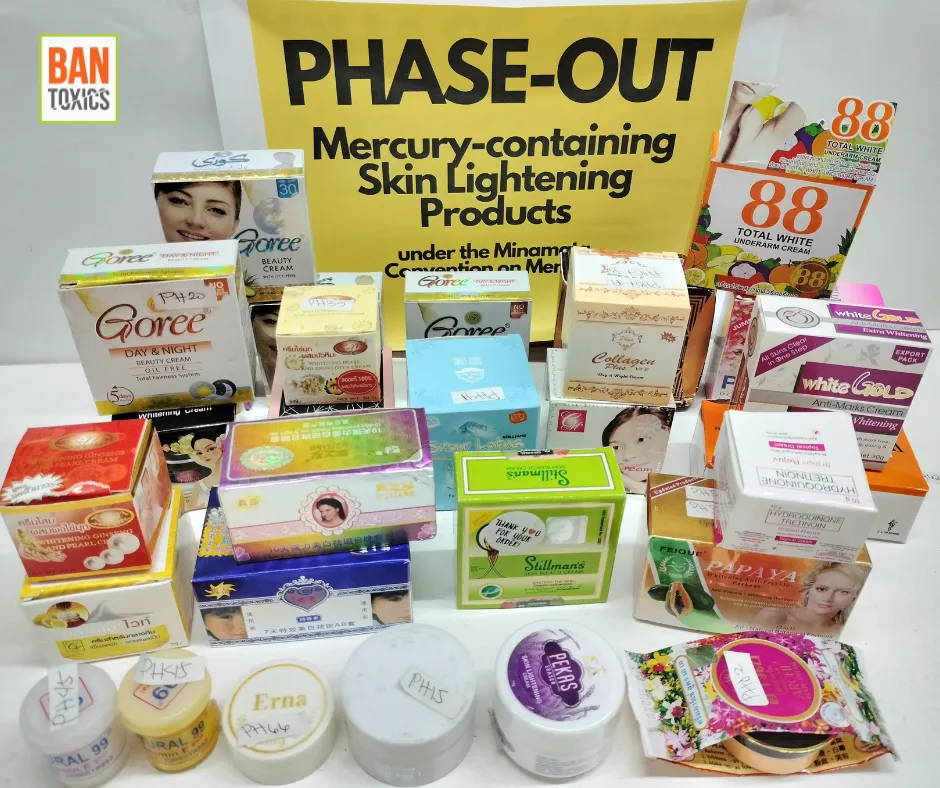
The allure of flawless, lighter skin has driven many to seek quick fixes, often without fully understanding the potential consequences. Skin whitening creams, promising to diminish dark spots, hyperpigmentation, and uneven skin tone, have become increasingly popular. However, a significant number of these products contain mercury, a highly toxic heavy metal. This article unveils the top 5 dangers associated with mercury in skin whitening creams, equipping you with the knowledge to make informed decisions and protect your health. The risks are substantial, and the potential for harm far outweighs any perceived benefits. It is crucial to be aware of these dangers and take steps to safeguard your well-being.
The Perils of Mercury in Skin Whitening Creams
Mercury’s presence in skin whitening creams poses a significant threat to human health and the environment. Despite widespread bans and regulations, the use of mercury in cosmetics persists due to its ability to inhibit melanin production, resulting in a lighter skin tone. This practice, however, exposes users to a range of serious health issues. The consequences of mercury exposure are far-reaching and can affect multiple organ systems, leading to both acute and chronic health problems. The following sections will delve into the specific dangers associated with mercury exposure from these products, providing a comprehensive overview of the risks involved.
Health Risks of Mercury Exposure
Exposure to mercury, even in small amounts, can cause severe health problems. The human body does not have a mechanism to eliminate mercury effectively, leading to its accumulation over time. The severity of the health risks depends on the amount of exposure, the duration, and the individual’s overall health. Symptoms of mercury poisoning can vary, but often include neurological, dermatological, and renal issues. Understanding the health risks is the first step toward protecting yourself from this dangerous substance.
Neurological Damage

Mercury is a neurotoxin, meaning it is particularly harmful to the nervous system. Exposure can lead to neurological damage, resulting in a variety of symptoms. These can include tremors, memory loss, irritability, and difficulty concentrating. Severe cases can lead to paralysis, sensory loss, and even death. Children and developing fetuses are especially vulnerable to the neurotoxic effects of mercury, as their nervous systems are still developing. The long-term consequences of neurological damage can significantly impact quality of life, making this one of the most concerning dangers associated with mercury exposure.
Kidney Damage
The kidneys play a crucial role in filtering waste products from the blood, and mercury can severely impair their function. Mercury exposure can lead to kidney damage, ranging from mild dysfunction to complete kidney failure. Symptoms of kidney damage include swelling, changes in urination, and fatigue. Chronic exposure can result in irreversible kidney damage, requiring dialysis or a kidney transplant. The kidneys are essential for maintaining overall health, and any damage can lead to serious complications and a significantly reduced lifespan. Regular blood and urine tests are sometimes recommended to screen for mercury poisoning and/or kidney damage if mercury exposure is suspected.
Skin Reactions and Dermatitis
Ironically, the very products intended to improve skin appearance can cause severe dermatological problems. Mercury in skin whitening creams can cause skin reactions such as dermatitis, characterized by redness, itching, and inflammation. Prolonged use can lead to more serious conditions, including skin discoloration, scarring, and the development of blisters. The skin becomes thin and fragile, making it more susceptible to infections. In some cases, mercury exposure can lead to a condition known as acrodynia, which is characterized by pink discoloration of the hands and feet, accompanied by pain and peeling skin. These skin issues are often difficult to treat and can significantly affect a person’s physical appearance and self-esteem.
Fetal and Infant Health Concerns

Pregnant women and nursing mothers are particularly at risk. Mercury can pass through the placenta and into breast milk, exposing the developing fetus or infant to the toxic effects. Exposure to mercury can lead to developmental delays, neurological problems, and other health issues in infants and young children. These risks underscore the importance of avoiding any products containing mercury during pregnancy and breastfeeding. Babies and toddlers exposed to mercury are at much higher risk for permanent neurological damage. This is why it is so critical to be mindful of everything we put on our skin.
Environmental Impact
The dangers of mercury extend beyond human health. Mercury released from skin whitening creams can contaminate the environment, affecting ecosystems and wildlife. Improper disposal of these products contributes to pollution, creating long-term environmental risks. Understanding the environmental impact is essential for developing sustainable practices and promoting responsible product choices.
Contamination of Water Sources
When mercury-containing creams are washed down the drain or improperly disposed of, the mercury can end up in water sources such as rivers, lakes, and oceans. This contamination can harm aquatic life, affecting fish and other organisms. The mercury can then enter the food chain, posing risks to both humans and animals. Water contamination is a widespread environmental problem, making mercury pollution a concern that demands our attention and action. It is crucial to properly dispose of any mercury-containing products to avoid environmental harm.
Bioaccumulation in the Food Chain

Mercury can accumulate in the bodies of organisms, a process known as bioaccumulation. As larger animals consume smaller organisms, the concentration of mercury increases at each level of the food chain. This means that top predators, including humans, can accumulate high levels of mercury through the consumption of contaminated fish or other animals. This bioaccumulation poses significant risks to human health, potentially leading to severe health issues from chronic exposure. Minimizing mercury exposure is critical to mitigating the harmful effects on both humans and the environment.
Regulations and Enforcement
Many countries have implemented regulations to ban or limit the use of mercury in cosmetics. However, the enforcement of these regulations can be challenging. Understanding the existing regulatory landscape is essential for identifying and avoiding products that contain mercury. Consumers can play a vital role in holding manufacturers accountable and supporting the enforcement of these regulations.
Global Bans and Restrictions
Numerous countries have banned or restricted the use of mercury in cosmetics. These bans are typically based on the known health risks associated with mercury exposure. Organizations like the World Health Organization (WHO) provide guidance and support to countries in regulating mercury use. Despite these regulations, the illegal production and distribution of mercury-containing products remain a persistent problem. It is essential to check the product labeling and packaging carefully and be aware of the sources from which you are purchasing these items.
Challenges in Enforcement

Enforcing regulations against mercury in cosmetics can be challenging due to several factors. These include the difficulty in identifying mercury in products, the lack of resources for testing, and the global nature of the cosmetic industry. The illegal production and distribution of these products, often through online channels, further complicate enforcement efforts. Stronger regulatory frameworks, increased funding for monitoring and enforcement, and public awareness campaigns are necessary to tackle this complex issue. It is a multifaceted problem that requires a combined approach to effectively protect consumers.
Safer Alternatives and Skin Care Practices
If you are seeking to improve your skin tone or address skin concerns, there are safer alternatives available. These alternatives avoid the harmful effects of mercury and are often more effective in the long run. It is important to prioritize safe skincare practices and consult with a dermatologist for personalized advice. Taking care of your skin should never come at the cost of your health. Making informed choices about your skincare products can greatly contribute to the health and well-being of your skin.
Ingredients to Avoid
When selecting skincare products, it is crucial to carefully read the ingredient list and avoid products that list mercury or its compounds. Some common names to watch out for include mercurous chloride, calomel, mercuric iodide, mercuric oxide, and thimerosal. These ingredients are clear indicators that the product contains mercury. Additionally, be cautious of products that claim to lighten skin quickly, as they are more likely to contain mercury. It is a good rule of thumb to steer clear of any product that doesn’t clearly list its ingredients or that seems too good to be true.
Finding Safe and Effective Products

Look for products that are specifically formulated to address your skin concerns without using harmful ingredients. Ingredients like vitamin C, niacinamide, and alpha-hydroxy acids (AHAs) are effective in brightening skin and reducing hyperpigmentation. These ingredients work in a safer manner, minimizing risk and promoting healthy skin. Always choose products from reputable brands that have a proven track record of safety and quality. Thoroughly research the brand and read reviews before making a purchase to ensure you are making the right choice for your skin.
Consulting with Dermatologists
Consulting with a dermatologist is one of the most effective ways to ensure the safety and efficacy of your skincare routine. A dermatologist can evaluate your skin type, assess your concerns, and recommend appropriate treatments. They can also help you identify any potential risks associated with certain products. A dermatologist can also help develop a personalized skincare plan tailored to your specific needs and goals. Professional advice is essential for achieving healthy, beautiful skin while avoiding potentially harmful ingredients like mercury.
Taking Action and Protecting Yourself
Protecting yourself from the dangers of mercury in skin whitening creams requires a proactive approach. This includes educating yourself about the risks, carefully reading product labels, and supporting efforts to ban mercury-containing products. By taking these steps, you can safeguard your health and contribute to a safer environment. Your actions can make a difference in promoting awareness, holding manufacturers accountable, and protecting the health of others. It is important to take action to protect yourself and the community by actively supporting public health campaigns and raising awareness about the dangers of mercury.
Raising Awareness

Educating yourself and others about the dangers of mercury in skin whitening creams is a critical step. Share this information with your friends, family, and community. Support public health campaigns that aim to raise awareness about the issue. The more people who are informed about the risks, the less likely they are to be exposed to these dangerous products. By spreading awareness, you can help prevent others from falling victim to mercury poisoning. Make sure you advocate for stricter regulations to prevent these products from reaching the market.
Reporting Suspicious Products
If you suspect that a product contains mercury, report it to the appropriate authorities. This can include local health departments or consumer protection agencies. Provide as much information as possible, including the product name, manufacturer, and any other relevant details. Your report can help to identify and remove harmful products from the market, protecting others from potential harm. By reporting suspicious products, you are actively participating in a community effort to ensure the safety and health of everyone.
In conclusion, the use of mercury in skin whitening creams poses serious health risks and environmental concerns. By understanding the dangers, avoiding harmful products, and supporting safer alternatives, you can protect your health and contribute to a healthier environment. Prioritize your well-being and make informed choices to avoid exposure to this dangerous substance. Always consult with a dermatologist to make sure your skin and body are healthy and taken care of.