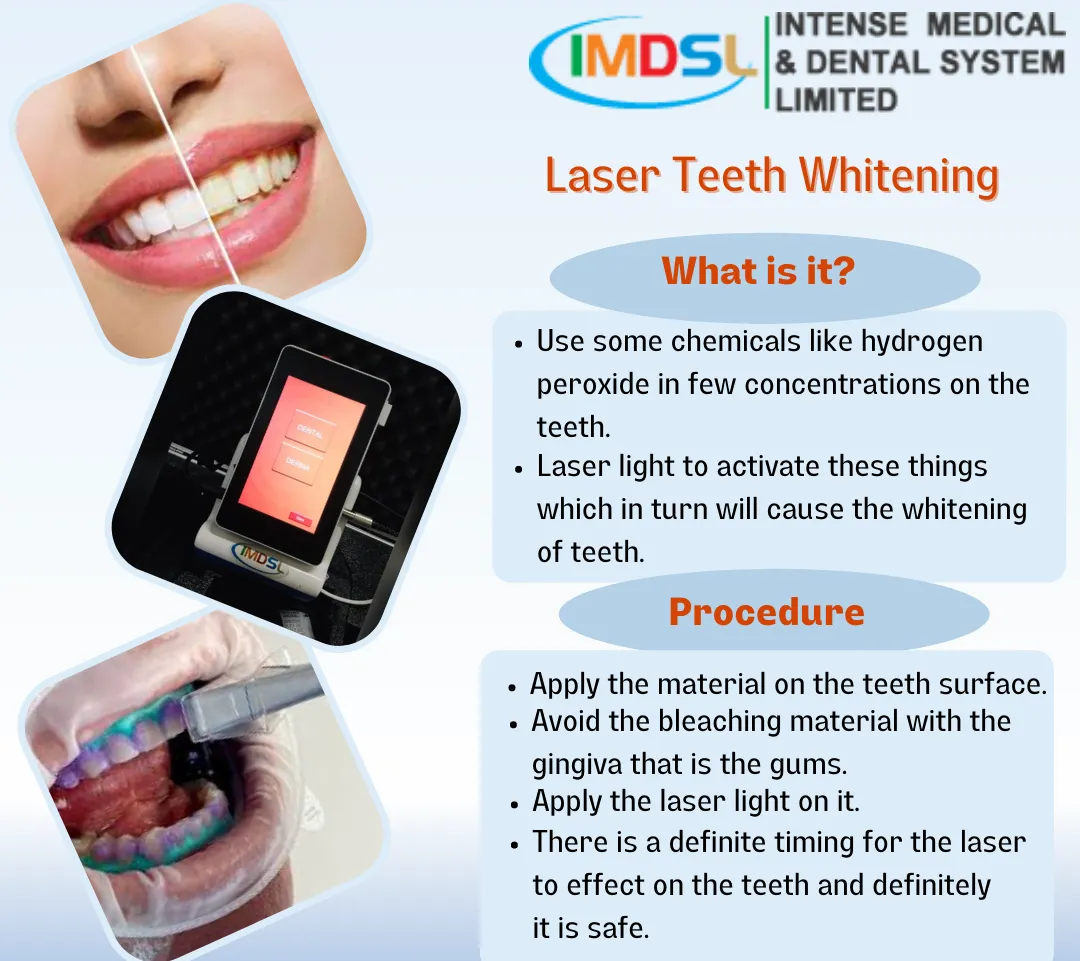
What is Laser Teeth Whitening
Laser teeth whitening, also known as power whitening or in-office teeth whitening, is a cosmetic dental procedure designed to brighten the color of your teeth. It utilizes a concentrated bleaching agent, typically hydrogen peroxide, and a special laser light to accelerate the whitening process. This method offers a significantly faster way to achieve a whiter smile compared to over-the-counter products or at-home whitening kits. It’s a popular choice for individuals seeking immediate and noticeable results, often completed in a single dental visit. The process is generally safe and effective when performed by a qualified dental professional, offering a dramatic improvement in the appearance of teeth.
The Science Behind Laser Whitening
The effectiveness of laser teeth whitening relies on the chemical reaction between the bleaching agent and the stains present on and within the enamel. The hydrogen peroxide, when applied to the teeth, breaks down into smaller oxygen molecules. These oxygen molecules penetrate the enamel and dentin, the porous layers of the tooth structure. They react with the staining compounds, such as those from coffee, tea, tobacco, and certain foods. The laser light serves as a catalyst, speeding up this chemical reaction. The heat generated by the laser enhances the penetration of the bleaching agent and accelerates the breakdown of stain molecules, leading to a brighter and whiter smile. This process is carefully controlled by the dentist to ensure the safety and effectiveness of the treatment.
How Laser Whitening Works

Laser teeth whitening is a carefully orchestrated process that begins with a thorough examination of your oral health. The dentist assesses the condition of your teeth and gums to ensure you are a suitable candidate for the procedure. The process involves several key steps, each designed to maximize the whitening effect and minimize any potential discomfort. The use of a special laser is what differentiates this from other whitening methods. The laser emits a specific wavelength of light that interacts with the whitening gel to boost its effectiveness, ensuring a brighter, more radiant smile in a short amount of time. This advanced technique provides patients with a quick, efficient, and highly effective solution for teeth discoloration.
The Step by Step Laser Whitening Process
The laser teeth whitening process is a structured procedure designed for optimal results. It begins with a pre-treatment consultation to assess suitability and discuss expectations. The dentist will then clean the teeth to remove surface stains and plaque. A protective barrier, such as a cheek retractor and gauze, is used to isolate the teeth and protect the gums from the bleaching agent. Next, a concentrated whitening gel is applied to the teeth. This gel typically contains hydrogen peroxide, the active ingredient that breaks down stains. After the gel is applied, a laser light is directed at the teeth to activate the bleaching agent and accelerate the whitening process. The process may be repeated in intervals, depending on the desired level of whitening. Finally, the gel is removed, and the teeth are rinsed and evaluated for results.
Pre-Treatment Consultation
Before undergoing laser teeth whitening, a comprehensive consultation with your dentist is essential. This step involves a detailed examination of your teeth and gums to determine if you are a suitable candidate for the procedure. The dentist will assess the overall health of your mouth, including any existing dental work, such as fillings or crowns. They will also discuss your expectations, the desired level of whitening, and any potential risks or side effects. During the consultation, the dentist may take photographs of your teeth to document the starting shade and track the progress of the whitening treatment. You should also be prepared to discuss your lifestyle habits, such as your diet and smoking habits, as these can impact the effectiveness and longevity of the results.
Application of Whitening Gel

The application of the whitening gel is a crucial step in the laser teeth whitening process. After the teeth are cleaned and the gums are protected, the dentist carefully applies a high-concentration bleaching agent to the surface of the teeth. This gel typically contains hydrogen peroxide, which is the active ingredient responsible for breaking down the stains. The dentist will apply the gel evenly to the teeth, ensuring complete coverage. The gel is designed to stay on the teeth for a specific duration, usually around 15-20 minutes per application, depending on the product and the desired results. The careful application is vital for even whitening and to avoid unevenness or unwanted effects. During this stage, it is important to remain still and relaxed, as the dentist works meticulously to achieve the best outcome.
Activation with Laser Light
The activation of the whitening gel with laser light is what sets laser teeth whitening apart. Once the gel is applied, a special laser light is directed at the teeth. The laser emits a specific wavelength of light that interacts with the hydrogen peroxide in the gel, accelerating the whitening process. The laser light generates heat, which enhances the chemical reaction and helps the oxygen molecules penetrate the enamel and dentin more effectively. The dentist carefully controls the laser’s intensity and duration to ensure safety and maximize the whitening effect. The laser light helps to break down the stain molecules and reveal a brighter, whiter smile. The use of laser technology significantly speeds up the whitening process, making it a fast and efficient option for teeth whitening.
Post-Treatment Care
After the laser teeth whitening treatment, it is crucial to follow specific post-treatment care instructions to maintain the results and minimize any potential side effects. The dentist will provide detailed guidelines, which typically include avoiding certain foods and drinks that can stain the teeth, such as coffee, tea, red wine, and dark-colored foods. It is also recommended to avoid smoking, as it can quickly re-stain the teeth. Good oral hygiene practices are essential, including brushing your teeth twice a day with a whitening toothpaste and flossing daily. The dentist may also recommend a follow-up appointment to assess the results and ensure the gums and teeth are in good condition. Following these instructions will help to prolong the whitening effects and keep your smile bright and healthy.
Laser Whitening Benefits

Laser teeth whitening offers several advantages over other teeth whitening methods. The most significant benefit is the speed at which results are achieved. The procedure can often be completed in a single dental visit, making it a convenient option for busy individuals. The results are often dramatic, providing a noticeable improvement in the brightness of the teeth. Laser whitening is also considered safe when performed by a qualified dental professional, with minimal risk of side effects when compared to other methods. Another benefit is the ability to control the level of whitening. The dentist can adjust the treatment based on the patient’s needs and desired outcome. This makes it possible to tailor the procedure to achieve optimal results, leaving patients with a more confident, radiant smile.
Immediate and Long-Term Results
One of the most attractive aspects of laser teeth whitening is the immediate results. Patients can often see a significant improvement in the shade of their teeth immediately after the procedure. The teeth can become several shades whiter in just one session. However, the long-term results depend on various factors, including lifestyle habits and oral hygiene practices. To maintain the results, it is essential to follow post-treatment care instructions, such as avoiding staining foods and drinks, and maintaining good oral hygiene. The results of laser whitening can last from several months to a few years, and the longevity can be prolonged with periodic touch-up treatments. Individual results may vary depending on the patient’s specific circumstances, but laser whitening generally provides a long-lasting and satisfying outcome.
Comparing Laser Whitening with Other Methods
When comparing laser teeth whitening to other methods, such as at-home whitening kits or over-the-counter products, several key differences become apparent. Laser whitening offers faster and more dramatic results due to the use of a high-concentration bleaching agent and the activation with laser light. At-home methods typically use lower concentrations of bleaching agents and take longer to achieve noticeable results. While at-home kits are more affordable, they may not be suitable for everyone, especially those with sensitive teeth or significant staining. Professional whitening, like laser whitening, provides greater control over the procedure and ensures the safety and effectiveness of the treatment. It is important to consult with a dentist to determine the best whitening method based on individual needs, preferences, and oral health conditions.
Pros and Cons of Laser Whitening Treatment

Laser teeth whitening has its advantages and disadvantages. The pros include fast and dramatic results, the ability to whiten teeth several shades in a single session, and the procedure being performed under the supervision of a dental professional. The treatment is also considered safe and effective when performed correctly. However, some cons include the potential for temporary tooth sensitivity, the higher cost compared to other methods, and the need for maintenance treatments to prolong the results. Individuals with sensitive teeth or certain dental conditions may not be suitable candidates for laser whitening. It’s important to weigh the pros and cons and discuss them with your dentist to make an informed decision about whether laser teeth whitening is right for you.
Who is a Good Candidate
Laser teeth whitening is suitable for individuals with healthy teeth and gums who want to improve the appearance of their smile. Good candidates are those with teeth discolored due to aging, staining from coffee, tea, tobacco, or certain foods. Patients with a desire for a brighter smile and realistic expectations about the outcome of the treatment are also good candidates. The procedure is most effective on natural teeth and may not be as effective on teeth with fillings, crowns, or veneers. Individuals who are committed to good oral hygiene and following post-treatment care instructions are more likely to achieve and maintain optimal results. A consultation with a dentist is essential to determine if you are a suitable candidate for laser teeth whitening.
Who Should Avoid Laser Whitening
While laser teeth whitening is safe for many individuals, it’s not suitable for everyone. People with sensitive teeth or existing dental problems, such as cavities, gum disease, or exposed roots, may not be ideal candidates. Pregnant or breastfeeding women should also avoid the procedure. Individuals with certain dental restorations, such as fillings or crowns, may find that the whitening treatment does not affect these restorations in the same way as natural teeth. The dentist will assess your oral health during the consultation and advise you on whether laser whitening is the right choice for your needs. It’s important to be honest about your medical history and any dental concerns to ensure the safety and effectiveness of the treatment.
Maintaining Your Bright Smile

Maintaining the results of laser teeth whitening involves a combination of good oral hygiene and lifestyle adjustments. Brushing your teeth twice a day with a whitening toothpaste and flossing daily are crucial for removing plaque and preventing stains. Avoiding or limiting the consumption of staining foods and drinks, such as coffee, tea, red wine, and dark-colored foods, is also recommended. Regular dental check-ups and professional cleanings can help maintain the results and address any new staining. Using a straw for beverages can also help to minimize contact with the teeth. Consider using over-the-counter whitening products, like whitening toothpaste or mouthwash, to prolong the brightness of your smile. Following these practices will help you to enjoy your brighter smile for as long as possible.
Tips for Prolonging Whitening Effects
Several tips can help you prolong the effects of your laser teeth whitening treatment. Avoid tobacco products, as smoking and chewing tobacco can quickly stain your teeth. Rinse your mouth with water after consuming staining foods and drinks. Brush your teeth after meals or snacks to remove food particles that can contribute to staining. Schedule regular dental cleanings to remove any surface stains and maintain your oral health. If you enjoy staining beverages, consider using a straw to minimize contact with your teeth. Use a whitening toothpaste or mouthwash as part of your daily oral hygiene routine. Following these tips can significantly extend the lifespan of your whitening treatment and keep your smile bright and beautiful.
Potential Risks and Side Effects
While laser teeth whitening is generally considered safe, there are potential risks and side effects. The most common side effect is temporary tooth sensitivity, which can occur during and after the procedure. Gum irritation or inflammation can also occur if the bleaching agent comes into contact with the gums. In rare cases, patients may experience minor discomfort in the teeth or jaw. It’s important to inform your dentist about any pre-existing dental conditions or sensitivities. The dentist will take precautions to minimize risks, such as using protective barriers and carefully monitoring the procedure. If you experience any unusual symptoms, contact your dentist immediately for guidance. The benefits of laser teeth whitening generally outweigh the potential risks when performed by a qualified professional.
Sensitivity and Discomfort

Tooth sensitivity and discomfort are common side effects of laser teeth whitening. The bleaching agent can temporarily make your teeth more sensitive to hot and cold temperatures. This sensitivity typically subsides within a few days or weeks after the treatment. Your dentist may recommend using a desensitizing toothpaste before and after the procedure to minimize sensitivity. Avoiding extremely hot or cold foods and drinks during the initial period can also help. Over-the-counter pain relievers, such as ibuprofen, can be taken to alleviate any discomfort. If the sensitivity persists or worsens, consult your dentist. They can provide additional recommendations, such as fluoride treatments or other desensitizing agents, to help manage the discomfort.
Cost Considerations
The cost of laser teeth whitening can vary depending on several factors, including the geographic location, the dentist’s fees, and the specific treatment plan. Laser whitening is generally more expensive than at-home whitening kits due to the advanced technology and the professional expertise involved. The cost typically includes the consultation, the procedure itself, and any post-treatment care instructions. Before undergoing the treatment, it’s important to discuss the cost with your dentist and inquire about payment options. Some dental insurance plans may cover a portion of the cost, while others may not. Understanding the cost and payment options can help you plan your budget and make an informed decision about whether laser teeth whitening is right for you.
Finding a Qualified Dentist
Choosing a qualified dentist is crucial for a successful and safe laser teeth whitening treatment. Look for a dentist who has experience and training in cosmetic dentistry and laser whitening procedures. Read online reviews and check the dentist’s credentials and certifications. Consider asking friends, family, or other dentists for recommendations. During the consultation, ask about the dentist’s experience with laser whitening, the types of lasers they use, and the specific steps involved in their procedure. Make sure the dentist is willing to answer all your questions and explain the process thoroughly. A skilled dentist will prioritize your oral health and work with you to achieve your desired results while minimizing any potential risks.
Questions to Ask Your Dentist
Before undergoing laser teeth whitening, it’s important to ask your dentist several questions to ensure you are well-informed and comfortable with the procedure. Inquire about the dentist’s experience and qualifications in performing laser whitening treatments. Ask about the specific laser technology used and the safety measures in place. Discuss your expectations and desired level of whitening, and ask what results you can realistically expect. Inquire about the potential risks, side effects, and post-treatment care instructions. Ask about the cost of the procedure, payment options, and any potential insurance coverage. It’s also a good idea to ask for before-and-after photos of previous patients. Asking these questions will help you to make an informed decision and ensure you are confident in your choice of dentist and treatment.