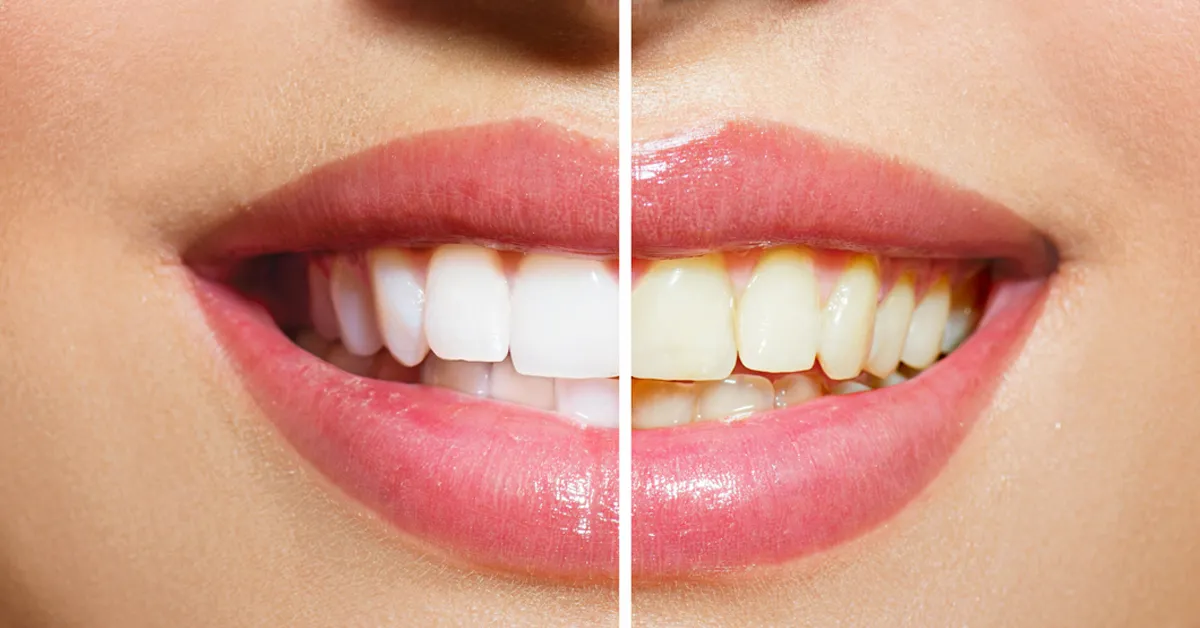
What is Laser Teeth Whitening
Laser teeth whitening, also known as power bleaching or light-activated teeth whitening, is a cosmetic dental procedure designed to brighten the shade of your teeth. This process utilizes a concentrated bleaching agent, typically a hydrogen peroxide solution, which is activated by a special laser or light source. The laser accelerates the whitening process, allowing for faster and more effective results compared to traditional methods. It’s a popular choice for individuals seeking a quick and noticeable improvement in their smile’s appearance, offering a significant boost in confidence and overall aesthetic appeal. The procedure is usually performed in a dental office by a trained professional, ensuring both safety and optimal outcomes. This advanced technique is effective in removing stains and discoloration caused by various factors, including aging, genetics, and lifestyle choices such as consuming coffee, tea, or tobacco.
How Laser Teeth Whitening Works
The science behind laser teeth whitening revolves around the oxidation of stain molecules within the enamel and dentin of your teeth. The bleaching agent, usually a high-concentration hydrogen peroxide gel, penetrates the porous surface of the teeth. When exposed to the laser light, the peroxide breaks down, releasing oxygen molecules. These oxygen molecules then react with the stain molecules, breaking them apart and effectively lightening the color of the teeth. The laser light serves as a catalyst, speeding up this chemical reaction and enhancing the whitening effect. The entire process is carefully monitored by a dental professional to ensure the safety of the gums and surrounding tissues. The effectiveness of the treatment can vary depending on the individual’s teeth and the nature of the stains, but most patients experience significant improvement in their tooth color.
The Laser Teeth Whitening Process Step by Step

The laser teeth whitening process is a carefully orchestrated procedure performed in a dental office. It typically starts with a thorough examination of your teeth and gums to ensure you’re a suitable candidate. The dentist will then clean your teeth to remove any plaque or debris. Next, a protective barrier is applied to your gums and lips to shield them from the bleaching agent. The whitening gel is then applied to the surface of your teeth, and the laser light is directed onto the teeth to activate the gel. The gel usually remains in place for a few minutes, and the process is repeated several times during the session. After the treatment, the gel is removed, and your teeth are rinsed. Instructions for post-treatment care are provided to help maintain the results and minimize any potential side effects. The entire procedure usually takes about an hour, making it a convenient option for busy individuals looking for a quick smile makeover.
Before Laser Teeth Whitening Preparation
Preparing for laser teeth whitening involves a few key steps to ensure the best possible outcome and minimize any potential complications. Firstly, you’ll need a consultation with your dentist to assess your oral health and determine if laser whitening is the right option for you. Any existing dental issues, such as cavities or gum disease, will need to be addressed before proceeding with the whitening treatment. It’s also a good idea to have a professional cleaning to remove any surface stains and plaque, allowing the whitening agent to penetrate more effectively. Furthermore, your dentist may provide specific instructions on what to avoid before the procedure, such as certain foods and drinks that can stain your teeth. Following these preparation steps will help ensure a smoother and more successful whitening experience. Also it is important to inform your dentist about any teeth sensitivity.
Dental Examination and Cleaning
Before undergoing laser teeth whitening, a comprehensive dental examination is essential. The dentist will evaluate your overall oral health, checking for any existing dental issues such as cavities, gum disease, or cracked teeth. These issues need to be addressed before the whitening procedure to prevent any potential complications. A professional cleaning is also performed to remove plaque, tartar, and surface stains from your teeth. This ensures that the whitening agent can effectively penetrate the enamel and reach the underlying stains. The cleaning also helps to create a smooth surface for the whitening process, promoting more even results. Your dentist may also take X-rays to identify any underlying problems that might not be visible during a routine examination. This thorough assessment ensures that your teeth are healthy and ready for the whitening treatment.
Teeth Shade Assessment

A crucial step in the laser teeth whitening process is the assessment of your current teeth shade. Your dentist will use a shade guide to determine the baseline color of your teeth. This helps in tracking the progress of the whitening treatment and allows you to see the actual results. The shade guide contains a range of shades, from very light to dark, and your dentist will match your teeth to the closest shade. This assessment is often documented with photographs to provide a visual record of the starting point. After the whitening procedure, another shade assessment will be performed to compare the before and after results. This allows you to see the degree of improvement achieved. This also helps the dentist to adjust the treatment based on your teeth and expectations.
The Laser Whitening Procedure
The laser whitening procedure begins with the dentist protecting your gums and lips with a special barrier. This is crucial to prevent the bleaching agent from irritating these sensitive tissues. Once the protective barrier is in place, the dentist applies a high-concentration hydrogen peroxide gel to the surface of your teeth. The laser light is then used to activate the gel, accelerating the whitening process. The laser is carefully directed at your teeth for a set period, typically in intervals. The gel is left on your teeth for a short time, and the procedure may be repeated several times during the session. After the final application, the gel is thoroughly rinsed off, and the protective barrier is removed. Post-treatment instructions are provided, and you’ll be able to see noticeable results immediately after the procedure.
After Laser Teeth Whitening Care
After laser teeth whitening, proper aftercare is essential to maintain your results and minimize any potential side effects. You will likely receive specific instructions from your dentist. One of the most important things to do is to avoid foods and drinks that can stain your teeth, such as coffee, tea, red wine, and dark-colored berries. Smoking should also be avoided, as it can quickly stain your teeth. It’s also essential to practice good oral hygiene, including brushing your teeth twice a day with a whitening toothpaste and flossing daily. Regular dental check-ups and cleanings are crucial for maintaining your bright smile. You might also consider using a desensitizing toothpaste if you experience any tooth sensitivity. Following your dentist’s aftercare instructions will help you enjoy your whiter teeth for a longer period.
Foods and Drinks to Avoid

To maintain your bright, white smile after laser teeth whitening, it’s crucial to be mindful of your diet. Certain foods and drinks can easily stain your teeth, undoing the effects of the treatment. You should avoid or limit the consumption of highly pigmented foods and drinks for at least the first few days after the procedure. Coffee, tea, red wine, and dark-colored sodas are notorious for staining teeth. Berries, such as blueberries and strawberries, as well as foods with artificial coloring, can also cause discoloration. Additionally, avoid acidic foods like citrus fruits, as they can erode the enamel, making your teeth more susceptible to staining. Opting for a diet rich in white and light-colored foods, such as chicken, fish, rice, and white vegetables, is recommended. This helps preserve your results and keeps your smile shining.
Oral Hygiene Practices
Maintaining excellent oral hygiene is key to preserving the results of your laser teeth whitening. Brushing your teeth at least twice a day with a whitening toothpaste is essential. The toothpaste helps remove surface stains and maintain the brightness of your teeth. Flossing daily is also crucial, as it removes plaque and food particles from between your teeth, where a toothbrush can’t reach. Consider using an antibacterial mouthwash to further reduce bacteria and keep your mouth clean. Regular dental check-ups and professional cleanings are also vital. Your dentist can identify and address any potential issues, such as cavities or gum disease, and remove any stubborn stains that brushing and flossing can’t eliminate. By following these oral hygiene practices, you can keep your teeth looking their best for years to come.
Laser Teeth Whitening Before & After Results
The results of laser teeth whitening can be truly transformative, offering a dramatic improvement in the appearance of your smile. Many patients experience a noticeable difference immediately after the procedure, with teeth becoming several shades lighter. The specific results can vary depending on factors such as the original shade of your teeth, the severity of the stains, and the individual’s response to the whitening treatment. In most cases, laser teeth whitening can effectively remove stains caused by aging, genetics, or lifestyle choices, such as smoking or consuming staining foods and drinks. The procedure can give you a more youthful and confident appearance. With proper care and maintenance, including good oral hygiene and avoiding staining substances, the results can last for a year or even longer. The impact extends beyond just the aesthetic. A brighter smile can significantly boost self-esteem and improve overall well-being.
Factors Influencing Results

Several factors can influence the results of laser teeth whitening. The initial shade of your teeth plays a significant role; individuals with more yellow-toned teeth tend to see better results than those with gray or bluish tones. The type and severity of stains also affect the outcome; stains caused by coffee, tea, or tobacco are usually more responsive to whitening treatments. The health and condition of your teeth are also important; any existing dental problems, such as cavities or gum disease, should be addressed before the whitening procedure. Following post-treatment instructions carefully, including avoiding staining foods and drinks, is essential to maintain the results. Finally, individual variations in tooth enamel and the whitening agent’s response can also impact the final outcome. Understanding these factors helps to manage expectations and plan for the most effective whitening strategy.
Real-Life Transformations
Real-life transformations from laser teeth whitening often showcase the dramatic impact this procedure can have. Patients often share their before-and-after photos. These images demonstrate the significant shift in tooth color, with teeth becoming noticeably brighter and whiter. Many individuals report a newfound confidence and improved self-esteem after the treatment. These transformations highlight the power of laser teeth whitening to reverse the effects of aging, staining foods and drinks, and other factors. The positive changes go beyond aesthetics. Patients often express how their brighter smiles have positively influenced their social interactions and overall quality of life. These real-life stories serve as a testament to the effectiveness and life-changing potential of laser teeth whitening.
Laser Teeth Whitening Risks and Side Effects
While laser teeth whitening is generally considered a safe procedure, it’s important to be aware of potential risks and side effects. The most common side effect is tooth sensitivity, which can range from mild to moderate and typically subsides within a few days after the treatment. Gum irritation, such as inflammation or tenderness, can also occur due to the bleaching agent. In rare cases, patients may experience changes in tooth enamel or damage to existing dental work. It’s crucial to consult with a qualified dentist to assess your oral health and discuss any potential risks before undergoing the procedure. Following the dentist’s instructions carefully and attending all follow-up appointments can help minimize the risk of side effects and ensure a smooth recovery. Being informed and prepared is key to a successful and safe laser teeth whitening experience.
Teeth Sensitivity

Tooth sensitivity is one of the most common side effects of laser teeth whitening. This sensitivity typically occurs because the bleaching agent can temporarily make the enamel’s pores more open, allowing the nerve endings to become more exposed. The sensitivity can manifest as a sharp, sudden pain when consuming hot, cold, sweet, or acidic foods and drinks. It usually subsides within a few days to a week after the treatment. To manage sensitivity, your dentist may recommend using a desensitizing toothpaste containing potassium nitrate or fluoride. Avoiding extremely hot or cold foods and drinks immediately after the procedure can also help. If the sensitivity is severe or persistent, your dentist may suggest other remedies. The good news is that tooth sensitivity is temporary and usually resolves on its own as the teeth remineralize and the pores close.
Gum Irritation
Gum irritation is another potential side effect of laser teeth whitening, though it is typically mild and temporary. The bleaching agent, which is applied to the teeth, can sometimes come into contact with the gums, causing inflammation, redness, or tenderness. Your dentist takes precautions to protect your gums. The protective barrier used during the procedure helps minimize the risk of irritation. If irritation does occur, it usually resolves within a few days. To alleviate any discomfort, your dentist may recommend using a soft-bristled toothbrush and rinsing your mouth with lukewarm water or a mild saltwater solution. Avoiding aggressive brushing and flossing can also help. In most cases, gum irritation is a minor and temporary side effect. If the irritation persists or worsens, it’s essential to consult with your dentist.
Laser Teeth Whitening Cost and Maintenance
The cost of laser teeth whitening can vary depending on several factors, including the geographic location, the dentist’s fees, and the complexity of the treatment. It is essential to discuss the cost with your dentist during the consultation. The price typically includes the initial examination, the procedure itself, and any necessary post-treatment care. The cost may also depend on whether you require additional treatments, such as cleaning or addressing other dental issues, before the whitening procedure. While laser teeth whitening can be a more expensive option than other whitening methods, the results are often more immediate and dramatic. You should also factor in the ongoing maintenance costs. The long-term maintenance includes regular dental check-ups and cleanings, as well as the use of whitening toothpaste. Consider the cost of any touch-up treatments needed to maintain your results. By understanding the cost factors, you can make an informed decision.
Cost Factors

Several factors influence the cost of laser teeth whitening. The dentist’s fees, which vary depending on their experience, location, and the technology used, are a significant component. The complexity of the treatment also plays a role; if you have multiple dental issues that need to be addressed before whitening, it can increase the cost. The type of whitening system used can also impact the price. Laser whitening procedures often involve more advanced technology. This can influence the overall cost. Another factor is the number of sessions needed to achieve the desired results. Some people need multiple treatments. Any additional services, such as professional cleanings or custom-fitted whitening trays, will also add to the cost. Discussing all potential costs with your dentist beforehand can help you understand the total expense. You can also explore payment options or financing plans to make the procedure more affordable.
Maintaining Results
Maintaining the results of your laser teeth whitening requires a comprehensive approach. Good oral hygiene is essential, including brushing your teeth twice a day with a whitening toothpaste and flossing daily. Regular dental check-ups and professional cleanings are also crucial. Your dentist can identify and address any issues that could affect the appearance of your smile. Avoiding or limiting staining foods and drinks is key. This includes coffee, tea, red wine, and dark-colored berries. Smoking and tobacco use should also be avoided. You might consider occasional touch-up treatments to maintain your results. Using at-home whitening products, like whitening strips or custom-fitted trays provided by your dentist, can help to extend the longevity of your brighter smile. You need to follow your dentist’s specific recommendations for maintaining your results. You can enjoy your whiter teeth for an extended period.