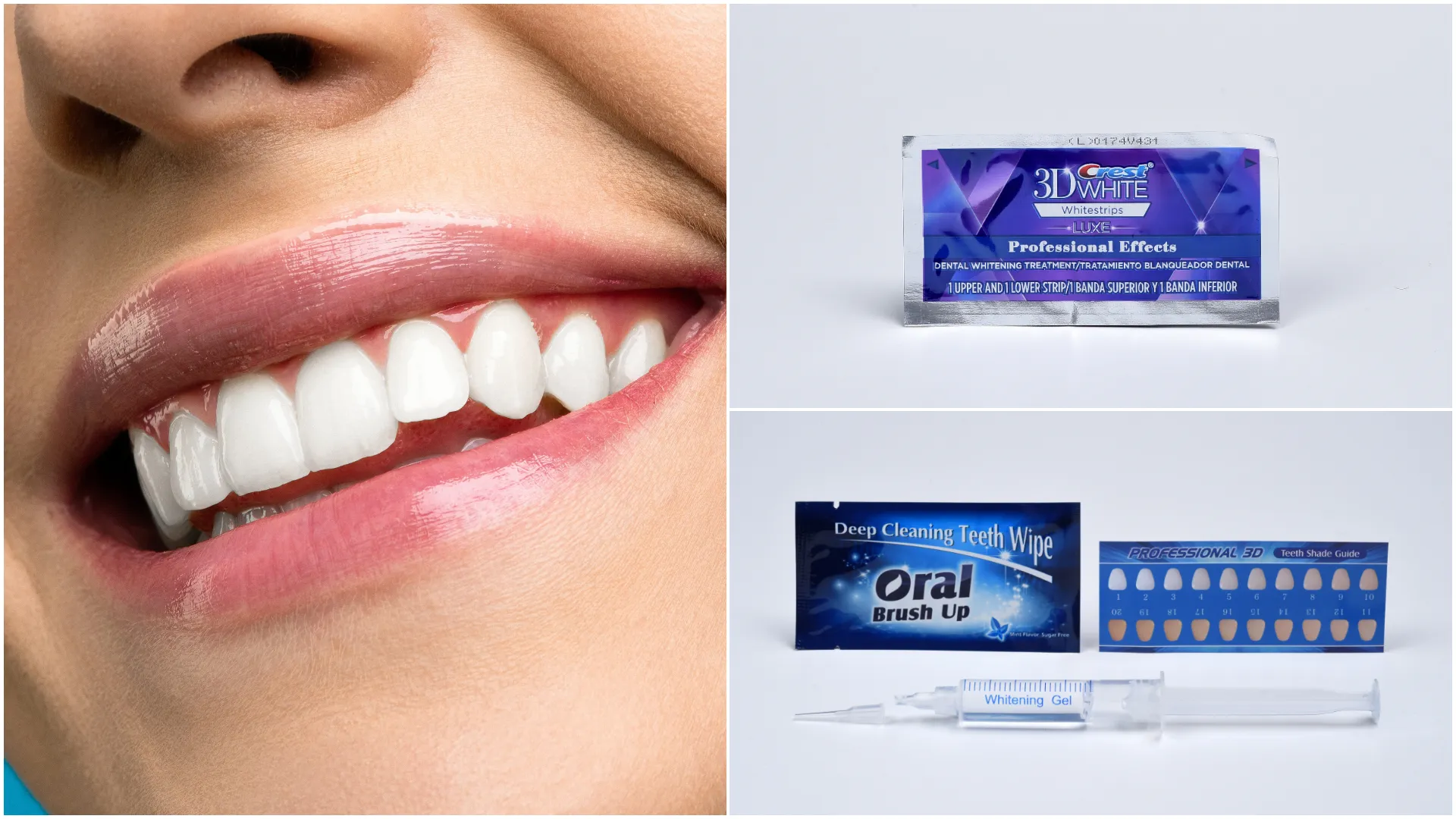
What is Hydrogen Peroxide Teeth Whitening?
Hydrogen peroxide teeth whitening is a popular method for brightening your smile from the comfort of your home. It involves using hydrogen peroxide, a common antiseptic and bleaching agent, to lighten the stains and discoloration on your teeth. This process has gained popularity due to its accessibility and relatively low cost compared to professional treatments. However, it’s important to understand the science behind this method and how to use it safely and effectively. This guide will walk you through everything you need to know about at-home teeth whitening with hydrogen peroxide, ensuring you achieve a brighter smile while prioritizing your oral health. It’s crucial to follow instructions carefully and be aware of potential risks, making informed choices for your teeth.
The Science Behind Hydrogen Peroxide
The effectiveness of hydrogen peroxide in teeth whitening is rooted in its chemical properties. Hydrogen peroxide is an oxidizing agent, meaning it releases oxygen molecules when it comes into contact with organic materials. These released oxygen molecules penetrate the enamel of the teeth and break down the stain-causing compounds, which are usually complex organic molecules. This process effectively bleaches the teeth, making them appear whiter. The concentration of hydrogen peroxide plays a crucial role in the whitening process. Higher concentrations generally yield faster and more dramatic results, but they also increase the risk of side effects like tooth sensitivity and gum irritation. Understanding this scientific basis helps in appreciating the method’s potential and the importance of using the correct concentration and application techniques.
How Hydrogen Peroxide Whitens Teeth

When applied to the teeth, hydrogen peroxide breaks down into water and oxygen. The oxygen molecules released are responsible for the whitening effect. These molecules enter the enamel and dentin layers of the teeth, reacting with the stain molecules. The chemical reaction essentially breaks down these larger stain molecules into smaller, less visible ones. This results in the teeth appearing lighter and brighter. The process works best on extrinsic stains, which are stains on the surface of the teeth caused by foods, drinks, and tobacco. Intrinsic stains, which are within the tooth structure, might require stronger concentrations or professional treatments. Regular use of hydrogen peroxide, coupled with proper oral hygiene, can help maintain a whiter smile over time.
What You’ll Need for At-Home Whitening
To safely and effectively whiten your teeth at home using hydrogen peroxide, you’ll need a few essential items. These include hydrogen peroxide (usually a 3% solution, which is readily available at most drugstores), baking soda, a soft-bristled toothbrush, and a small container for mixing. Make sure to use a fresh bottle of hydrogen peroxide and to store it properly to maintain its effectiveness. Avoid using hydrogen peroxide with a higher concentration without consulting a dentist, as it can increase the risk of side effects. Also, having a timer can be helpful to monitor the application duration. Always prioritize hygiene by cleaning your toothbrush and mixing container thoroughly after each use. Proper preparation will ensure a successful and safe teeth whitening experience.
Hydrogen Peroxide
The key ingredient for this method is hydrogen peroxide. Opt for a 3% solution, easily found in drugstores. This concentration is considered safe for at-home use. Ensure the bottle is fresh and stored properly, away from direct sunlight and heat, to maintain its potency. While higher concentrations might be tempting for faster results, they significantly increase the risk of tooth sensitivity and gum irritation. It’s wise to test a small area first to check for any adverse reactions. If you’re unsure, consult your dentist about the appropriate concentration for your specific needs and oral health conditions. Proper storage and careful selection of the concentration level are vital steps for your safety.
Baking Soda

Baking soda is a mild abrasive that can help remove surface stains and enhance the whitening effect. It also has a slightly alkaline nature, which can help neutralize acids in the mouth, contributing to a healthier environment. When mixed with hydrogen peroxide, baking soda creates a gentle paste that can be used to brush your teeth. Be cautious not to overdo it, as excessive abrasion can potentially damage your enamel. Using baking soda in moderation, a couple of times a week, can be effective in complementing the hydrogen peroxide treatment. Ensure to use fine baking soda to avoid scratching your teeth and gums.
Soft-Bristled Toothbrush
A soft-bristled toothbrush is crucial for protecting your enamel and gums during the whitening process. Hard-bristled toothbrushes can be too abrasive and may lead to enamel erosion, increasing tooth sensitivity and making them more susceptible to stains. A soft brush, on the other hand, gently removes stains without causing damage. Always use a clean, soft-bristled toothbrush. When brushing, use gentle, circular motions, ensuring you cover all surfaces of your teeth. Replace your toothbrush regularly, approximately every three months, or sooner if the bristles become frayed. Proper brushing technique, combined with a soft-bristled brush, ensures effective cleaning and minimizes any potential harm to your oral health.
How to Prepare Your Teeth
Before starting the whitening process, it’s essential to prepare your teeth. This involves thorough brushing to remove any food particles and debris. Floss your teeth to eliminate any trapped particles, as these can interfere with the whitening process. If you have existing dental work, like fillings or crowns, consult your dentist to ensure the hydrogen peroxide will not affect them negatively. It’s best to whiten your teeth when they are clean and free from plaque. This preparation step will ensure the hydrogen peroxide can effectively reach the surface of your teeth and maximize the whitening results. Moreover, it promotes better oral hygiene in the long run.
Whitening Procedure Step-by-Step

Follow these simple steps to whiten your teeth at home effectively. First, prepare your teeth by brushing and flossing to remove any food particles. Next, mix the hydrogen peroxide with baking soda to create a paste. Apply this paste to your teeth using a soft-bristled toothbrush. Let it sit for a short duration, and then rinse thoroughly. Finally, brush your teeth again with regular toothpaste to remove any residue. Always follow the safety guidelines and instructions to avoid any complications. Be patient and consistent, and you should start to see results over time. Following these steps carefully ensures both the efficacy and safety of your at-home whitening treatment.
Diluting the Hydrogen Peroxide
Before starting, dilute the hydrogen peroxide if it’s a higher concentration than 3%. This ensures the safety of your gums and teeth. Mix it with water, following the advice of your dentist. The exact dilution ratio will depend on the concentration of hydrogen peroxide you have. It’s always better to err on the side of caution and use a lower concentration to avoid potential side effects like gum irritation and increased tooth sensitivity. If you are unsure about the right dilution, consult your dentist. Proper dilution is a crucial step in the process, and it will help you achieve a brighter smile safely.
Brushing with the Mixture
Apply the hydrogen peroxide and baking soda mixture to your toothbrush. Gently brush your teeth with the mixture for about one to two minutes, using small, circular motions. Ensure you reach all surfaces of your teeth, including the front, back, and chewing surfaces. Avoid applying excessive pressure, as this can damage your enamel. The baking soda in the mixture acts as a mild abrasive, assisting with stain removal. Hydrogen peroxide will work to whiten your teeth. After brushing, do not swallow the mixture; it’s important to spit it out to avoid any ingestion of chemicals. Proper brushing technique during this process is vital for optimal results.
Rinsing and Aftercare

After brushing with the hydrogen peroxide mixture, rinse your mouth thoroughly with water to remove all traces of the mixture. It’s also recommended to brush again with regular toothpaste to ensure all remnants are removed. Avoid eating or drinking anything for at least 30 minutes after the treatment, as your teeth may be more susceptible to staining during this period. Some people experience slight sensitivity after the treatment. If this occurs, use a toothpaste designed for sensitive teeth. Maintaining good oral hygiene practices, such as regular brushing, flossing, and dental check-ups, will help maintain your newly whitened smile. Proper aftercare is essential to protect and sustain the results of the teeth whitening.
Important Safety Tips
When using hydrogen peroxide for teeth whitening, prioritize safety. Always use a 3% solution to minimize the risk of side effects. Avoid swallowing any of the mixture, as it can be harmful. If you experience any irritation, sensitivity, or discomfort, stop the treatment immediately and consult your dentist. Do not use hydrogen peroxide on damaged or sensitive teeth. Ensure to follow the instructions carefully and do not overuse the treatment. Overuse can lead to enamel erosion and other dental issues. Regular dental check-ups are also crucial during this process. Always keep hydrogen peroxide out of the reach of children. Safety is paramount.
Potential Side Effects
While hydrogen peroxide teeth whitening can be effective, it’s important to be aware of potential side effects. The most common side effects include tooth sensitivity and gum irritation. Sensitivity may occur due to the bleaching action of the hydrogen peroxide, which can temporarily affect the enamel. Gum irritation can happen if the solution comes into contact with the soft tissues. If you experience either of these, consider reducing the frequency of your treatments or diluting the hydrogen peroxide. In some cases, there could be more serious effects. It’s essential to consult your dentist if symptoms persist or worsen. Being aware of these side effects allows you to take precautions and seek help if required.
When to Avoid Hydrogen Peroxide Whitening

There are certain situations where using hydrogen peroxide for teeth whitening is not recommended. If you have sensitive teeth, it’s best to consult with your dentist before starting any whitening treatment. Avoid using hydrogen peroxide if you have gum disease, cavities, or damaged enamel, as this can exacerbate your condition. Women who are pregnant or breastfeeding should also avoid using hydrogen peroxide for teeth whitening. Additionally, if you have any dental work, such as fillings, crowns, or veneers, the whitening process may not work effectively and could potentially damage your existing dental work. It is always wise to consult your dentist to ensure this treatment is suitable for you.
Alternative Teeth Whitening Options
If you are not comfortable with hydrogen peroxide teeth whitening or if it’s not suitable for your teeth, several alternative options are available. Over-the-counter whitening strips and gels are readily accessible and can be effective for some people. Whitening toothpastes and mouthwashes can help to maintain a brighter smile by removing surface stains. Other options involve professional treatments performed by a dentist. These include in-office whitening treatments that use stronger bleaching agents and custom-fitted trays for at-home whitening. Choosing the right alternative will depend on your individual needs, preferences, and the severity of your staining. Consulting your dentist can help you determine the best option for your specific case.
Professional Whitening Treatments
Professional teeth whitening treatments, performed by a dentist, offer more potent and effective solutions for teeth whitening. In-office whitening treatments use higher concentrations of bleaching agents, often hydrogen peroxide or carbamide peroxide, that can produce significant results in a single visit. Custom-fitted whitening trays, provided by a dentist, are another professional option, allowing for more controlled and consistent whitening at home. These professional treatments are generally safer and more effective than at-home methods, as they are supervised by a dental professional who can monitor the process and address any potential issues. If you have deep staining or are seeking faster and more dramatic results, consulting your dentist about professional whitening options is recommended.
Maintaining Your White Smile

Once you have achieved a brighter smile, it’s crucial to take steps to maintain the results. Regular brushing and flossing are essential to prevent stains from forming. Avoid or limit your consumption of stain-causing foods and drinks, such as coffee, tea, red wine, and dark-colored berries. Use a whitening toothpaste to help remove surface stains and maintain the brightness of your teeth. Regular dental check-ups and cleanings are crucial for removing any plaque or tartar buildup that could dull your smile. Consider occasional touch-up treatments, either at home or in the dental office, to maintain your desired level of whiteness. Consistent oral hygiene and preventive care can help ensure that your smile remains bright and healthy for the long term.