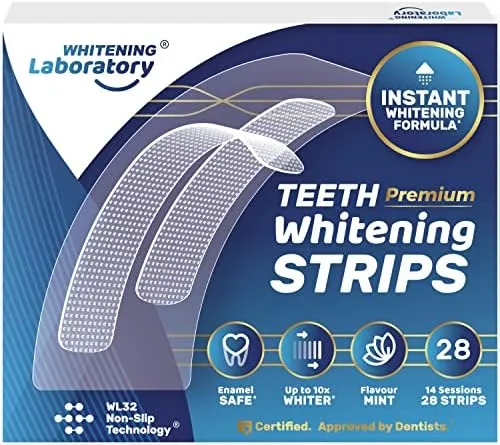
Achieving a brighter, whiter smile is a common goal for many, and hydrogen peroxide whitening strips have become a popular over-the-counter solution. These strips offer a convenient and relatively affordable way to tackle tooth discoloration. This comprehensive guide delves into everything you need to know about hydrogen peroxide strips, from their basic workings to potential side effects and comparisons with other whitening methods. Whether you’re a first-time user or looking to deepen your understanding, this article provides valuable insights to help you make informed decisions about your oral care.
What are Hydrogen Peroxide Whitening Strips (H2)?
Hydrogen peroxide whitening strips are thin, flexible strips coated with a whitening agent, typically hydrogen peroxide. They are designed to be applied directly to the teeth, adhering to the tooth surface to deliver the active ingredient. These strips are readily available at most drugstores and supermarkets, making them an accessible option for at-home teeth whitening. The strips come in various formulations, with different concentrations of hydrogen peroxide and often include other ingredients to enhance the whitening process and improve user experience. These strips are a convenient way to whiten your teeth, as they can be used at home, offering a more affordable option compared to professional treatments.
How Do Hydrogen Peroxide Strips Work?
Hydrogen peroxide works by penetrating the enamel and dentin of the teeth, breaking down the stain molecules that cause discoloration. These stain molecules are often the result of food, drinks, and other lifestyle factors. The strips are designed to adhere to your teeth and stay in place during the recommended treatment time, ensuring the hydrogen peroxide makes contact with the tooth surface. When hydrogen peroxide comes into contact with the stained tooth structure, it initiates an oxidation process. This process breaks down the complex stain molecules into smaller, less noticeable ones, effectively lightening the teeth. The effectiveness of the strips depends on factors such as the concentration of hydrogen peroxide, the duration of application, and the severity of the staining.
The Science Behind Teeth Whitening with H2

The science behind hydrogen peroxide whitening revolves around its oxidizing properties. Hydrogen peroxide is a reactive oxygen species, meaning it readily donates oxygen atoms. These oxygen atoms react with the organic molecules that make up tooth stains. As the oxygen atoms break apart these stain molecules, they become less able to absorb light. This is what creates the appearance of a whiter tooth. This process is most effective on extrinsic stains, which are stains on the surface of the tooth. However, hydrogen peroxide can also have an effect on intrinsic stains, which are stains within the tooth structure, though the results can vary. The specific concentration of hydrogen peroxide in the strips determines the speed and intensity of the whitening effect. Higher concentrations tend to yield faster results, but they can also increase the risk of side effects like sensitivity.
Key Ingredients in Hydrogen Peroxide Strips
The primary active ingredient in whitening strips is, of course, hydrogen peroxide. But there are other ingredients that play important roles too. These include: Polyvinylpyrrolidone (PVP), a film-forming agent that helps the strip adhere to the teeth; Water, which acts as a solvent and carrier for the other ingredients; Glycerin, a humectant that helps to retain moisture and keep the strips flexible; Sodium hydroxide, used to adjust the pH level to ensure the hydrogen peroxide is stable; Flavoring agents like peppermint or spearmint to improve the taste and user experience. Other ingredients may include stabilizers, preservatives, and thickening agents, all working together to create an effective and user-friendly product.
Hydrogen Peroxide Concentration Levels Explained
The concentration of hydrogen peroxide in whitening strips varies, typically ranging from 3% to 10%. The higher the percentage, the more potent the whitening effect and the faster the results. However, higher concentrations also increase the risk of side effects such as tooth sensitivity and gum irritation. Over-the-counter strips generally use lower concentrations to ensure safety for home use. Professional whitening treatments provided by dentists, on the other hand, may use higher concentrations of hydrogen peroxide, up to 35% or even higher. The choice of concentration level should be based on your individual needs, the severity of your tooth discoloration, and your tolerance for potential side effects. Consulting with a dentist can help you determine the most appropriate concentration for your situation.
Step-by-Step Guide to Using H2 Strips

Preparing Your Teeth for Whitening
Before using hydrogen peroxide strips, it’s crucial to prepare your teeth properly. First, brush your teeth gently to remove any surface debris and plaque. Avoid using toothpaste that contains abrasive ingredients, as they can increase sensitivity. Floss your teeth to remove any food particles or debris that may interfere with the strip’s contact with the tooth surface. Rinse your mouth with water to remove any remaining toothpaste or debris. This preparation ensures that the whitening agent can effectively reach the tooth surface and that the strips can adhere properly. Making sure your teeth are clean and free of any obstructions maximizes the effectiveness of the treatment.
Applying the Strips Correctly
Carefully peel the whitening strips from their backing. Apply the longer strip to your upper teeth and the shorter strip to your lower teeth. Align the strips with your gumline and gently press them onto your teeth. Ensure the entire front surface of your teeth is covered by the strip. Fold any excess strip material over the back of your teeth to secure it in place. Follow the manufacturer’s instructions regarding the duration of application, typically 30 minutes. Avoid eating, drinking, or smoking during the application period, as this can interfere with the whitening process and reduce the effectiveness of the strips. Make sure to handle the strips with clean, dry hands to avoid contamination and ensure proper adhesion.
Post-Application Care and Tips

After the recommended application time, remove the strips and discard them. Rinse your mouth thoroughly with water to remove any remaining gel. Avoid eating or drinking highly pigmented foods or beverages, such as coffee, tea, or red wine, for at least an hour after treatment. Brush your teeth gently with a soft-bristled toothbrush, but avoid aggressive brushing, which can irritate your gums. If you experience any sensitivity, use a toothpaste designed for sensitive teeth, or apply a fluoride treatment. For optimal results, use the strips consistently as directed. Be patient, as it may take several applications to achieve the desired level of whiteness.
Expected Results and Timeline
The timeline and results of hydrogen peroxide whitening strips can vary depending on individual factors. These factors include the initial shade of your teeth, the severity of staining, and the concentration of hydrogen peroxide in the strips. Most people begin to see noticeable results within a few days of consistent use. However, the full effect may take one to two weeks, depending on the product and your particular situation. Generally, over-the-counter strips can lighten your teeth by one to two shades. It’s important to manage your expectations and understand that results may not be as dramatic as with professional whitening treatments. Maintaining good oral hygiene, avoiding stain-causing foods and drinks, and following the product’s instructions will optimize the whitening process and the longevity of the results. For optimal results, it is advisable to consult with a dentist.
Factors Influencing Whitening Effectiveness
Several factors can influence how effectively hydrogen peroxide strips whiten your teeth. The most significant of these is the type and severity of the stains. Extrinsic stains, which are located on the surface of the teeth, are generally easier to remove than intrinsic stains, which are embedded within the tooth structure. The concentration of hydrogen peroxide also plays a crucial role, with higher concentrations often leading to faster results. However, this comes with an increased risk of sensitivity. The frequency and duration of use, as recommended by the manufacturer, also affect the outcome. Consistent use is essential to achieve the desired results. Other factors, such as the presence of dental work like fillings or crowns, may impact whitening. These restorations won’t whiten in the same way as natural teeth. Overall health and genetics also have an impact.
Maintaining Your White Smile

Maintaining a white smile after using hydrogen peroxide whitening strips involves a combination of good oral hygiene and lifestyle choices. Regular brushing and flossing are essential to remove surface stains and plaque. Using a whitening toothpaste can help to maintain the brightness of your teeth. Avoiding or limiting the consumption of stain-causing foods and drinks, such as coffee, tea, red wine, and berries, is also important. If you do consume these items, rinse your mouth with water afterward to minimize their impact. Regular dental check-ups and cleanings can also help to keep your teeth looking their best. Consider using touch-up treatments with whitening strips as needed to maintain your desired level of whiteness. A consistent approach to oral care is the best way to preserve the results of your whitening treatment and to enjoy a brighter smile.
Potential Side Effects and How to Manage Them
Sensitivity and Gum Irritation
The most common side effects of using hydrogen peroxide whitening strips are tooth sensitivity and gum irritation. Sensitivity can manifest as a sharp, temporary pain when consuming hot, cold, sweet, or acidic foods and drinks. Gum irritation can present as redness, swelling, or tenderness along the gumline. These side effects are usually temporary and subside shortly after discontinuing use or reducing the frequency of application. The severity of these side effects depends on the concentration of hydrogen peroxide, the duration of application, and individual sensitivity. If you experience sensitivity, it’s recommended to reduce the application time or frequency, or to use a toothpaste designed for sensitive teeth. In extreme cases, consult a dentist for advice.
Preventing and Managing Side Effects

To minimize side effects, always follow the manufacturer’s instructions carefully. Don’t overuse the strips, and avoid applying them more frequently or for longer durations than recommended. If you have sensitive teeth, consider starting with a lower concentration of hydrogen peroxide or using the strips less frequently. Apply the strips to dry teeth to minimize gum contact, and ensure they are not overlapping the gums. Using a toothpaste specifically formulated for sensitive teeth before, during, and after treatment can help to alleviate sensitivity. Avoid brushing aggressively immediately after using the strips. If gum irritation occurs, rinse your mouth with warm salt water to soothe the inflamed tissues. If side effects persist or worsen, discontinue use and consult a dentist. Remember, the health and well-being of your teeth and gums should always be the priority.
Comparing H2 Strips with Other Whitening Methods
Professional Whitening Treatments
Professional teeth whitening treatments performed by a dentist typically involve higher concentrations of hydrogen peroxide, often activated with a special light or laser. These treatments can deliver faster and more dramatic results compared to over-the-counter strips. The advantage of professional whitening is that a dentist can assess your oral health, determine the cause of discoloration, and customize the treatment to your specific needs. They can also monitor the process and address any potential side effects promptly. However, professional treatments are generally more expensive than at-home options. If you have significant staining, or if you want immediate and noticeable results, professional whitening may be a better choice. In image, a dentist is checking a patient teeth for whitening.
Over-the-Counter Alternatives

Besides hydrogen peroxide whitening strips, there are other over-the-counter teeth whitening options available. These include whitening toothpastes, whitening gels applied with a tray, and whitening pens. Whitening toothpastes typically contain mild abrasives or chemicals that help to remove surface stains. Whitening gels often use carbamide peroxide or hydrogen peroxide as the active ingredient and are applied using a custom or pre-fabricated tray. Whitening pens are convenient for touch-ups and contain a gel that is applied directly to the teeth. Each of these alternatives has its own advantages and disadvantages in terms of effectiveness, convenience, and cost. The best choice for you will depend on your individual preferences and the severity of your tooth discoloration. In image, a person is choosing a whitening product at store.
Frequently Asked Questions about Hydrogen Peroxide Strips
Here are some of the most frequently asked questions about hydrogen peroxide whitening strips:
What are the risks of hydrogen peroxide strips? The primary risks are tooth sensitivity and gum irritation, which are usually temporary. In rare cases, excessive use could lead to other problems.
How long do the results last? The results can last for several months or longer, but this depends on your lifestyle and oral hygiene habits. Regular maintenance is required.
Are hydrogen peroxide strips safe for everyone? Generally, they are safe when used as directed. However, it’s important to consult with a dentist, especially if you have sensitive teeth or gum problems.
Can I use hydrogen peroxide strips if I have dental work? Whitening strips will not whiten fillings, crowns, or other dental restorations. It’s important to discuss the procedure with your dentist.
How often can I use hydrogen peroxide strips? Follow the product instructions. Typically, you use strips once or twice daily for a specific period, depending on the product. Overuse can lead to side effects. The effectiveness of the strips does vary from person to person.
In conclusion, hydrogen peroxide whitening strips are a convenient and effective way to brighten your smile. By understanding how they work, following the guidelines for use, and being aware of potential side effects, you can safely and effectively achieve a whiter smile. Remember to always prioritize your oral health and consult with your dentist for personalized advice.