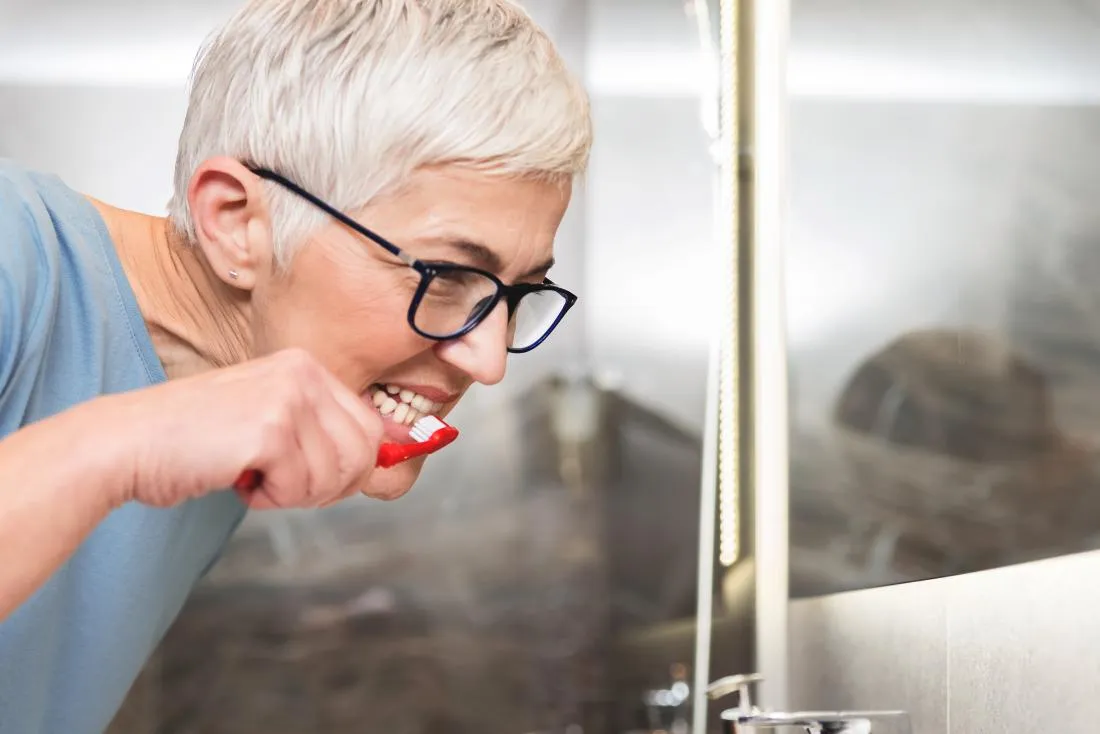
Achieving a brighter smile can be a confidence booster, and many people turn to teeth whitening solutions. Among the various methods available, using hydrogen peroxide at home has gained popularity. This guide provides comprehensive information on how to safely and effectively use hydrogen peroxide for teeth whitening, covering everything from the science behind it to important safety precautions. You’ll learn about different methods, potential risks, and alternative options, empowering you to make informed decisions about your oral health.
Understanding Hydrogen Peroxide for Teeth Whitening
Hydrogen peroxide is a chemical compound with the formula H2O2. It is a mild antiseptic and has been used for various purposes, including teeth whitening. The key to its whitening ability lies in its oxidation properties. When applied to the teeth, hydrogen peroxide releases oxygen molecules that react with the stain molecules, breaking them down and making the teeth appear whiter. This process is effective against both surface stains and stains deeper within the enamel. The effectiveness, however, depends on the concentration of hydrogen peroxide and the duration of its contact with the teeth. Using it correctly is crucial to avoid potential risks.
How Hydrogen Peroxide Works
Hydrogen peroxide whitens teeth through a chemical process known as oxidation. The active ingredient, hydrogen peroxide, penetrates the enamel and dentin layers of the teeth. It then breaks down into water and free radicals of oxygen. These oxygen radicals react with the stain molecules that have accumulated on and within the tooth structure, essentially bleaching them. This process is most effective on stains caused by coffee, tea, tobacco, and certain foods. The concentration of hydrogen peroxide and the duration of its contact with the teeth directly affect the degree of whitening. Higher concentrations and longer exposure times typically lead to more dramatic results, but they also increase the risk of side effects, making safe usage crucial.
The Science Behind Teeth Whitening

The science of teeth whitening involves understanding the structure of teeth and the nature of stains. Teeth are composed of enamel (the outer layer), dentin (the layer beneath the enamel), and pulp (the soft inner tissue). Enamel is porous, which allows stain molecules to penetrate and discolor the teeth. Hydrogen peroxide works by oxidizing these stain molecules, breaking them down into smaller, less visible particles. This chemical reaction essentially lightens the color of the teeth. The effectiveness of this process depends on several factors, including the type and severity of the stains, the concentration of hydrogen peroxide, and the length of time it is in contact with the teeth. It’s a delicate balance between achieving the desired whitening effect and minimizing potential side effects.
Types of Hydrogen Peroxide to Use
When considering hydrogen peroxide for teeth whitening, it’s essential to know the different types available. The most important distinction is between food-grade and regular hydrogen peroxide. Food-grade hydrogen peroxide is a purer form, typically containing fewer additives and stabilizers. Regular hydrogen peroxide, often found in drugstores, may contain stabilizers that are not meant for ingestion. For teeth whitening purposes, it is crucial to use the correct concentration, as higher concentrations can be more effective but also carry greater risks. It is vital to select the right type to ensure both safety and effectiveness in your at-home teeth whitening efforts.
Food-grade vs. Regular Hydrogen Peroxide
The key difference between food-grade and regular hydrogen peroxide lies in their purity and the presence of additives. Food-grade hydrogen peroxide is manufactured to be free from stabilizers and other additives that may be harmful if ingested or used in the mouth. It’s usually available in lower concentrations, making it safer for oral use. Regular hydrogen peroxide, on the other hand, may contain stabilizers to extend its shelf life, which are not necessarily safe for consumption or prolonged contact with oral tissues. When whitening teeth, food-grade hydrogen peroxide is generally recommended due to its higher purity and reduced risk of exposure to potentially harmful chemicals. Always check the product label and consult with a dentist before using any hydrogen peroxide product.
Concentration Matters

The concentration of hydrogen peroxide significantly impacts its effectiveness and potential risks. Hydrogen peroxide is commonly available in concentrations ranging from 3% to 35%. For at-home teeth whitening, lower concentrations, such as 3%, are generally recommended to minimize the risk of side effects like tooth sensitivity and gum irritation. Higher concentrations can provide faster and more dramatic whitening results, but they also increase the potential for damage to the teeth and gums. It is always better to start with a lower concentration and gradually increase if needed, under the guidance of a dental professional. The proper concentration ensures both effectiveness and safety during the whitening process.
How to Whiten Your Teeth at Home with Hydrogen Peroxide
There are several methods for using hydrogen peroxide to whiten your teeth at home. Two of the most popular methods are brushing with hydrogen peroxide and using it as a mouthwash. Each method has its own set of steps, benefits, and potential drawbacks. The choice of method depends on your preference and dental health. Always follow the instructions carefully and monitor your teeth for any signs of sensitivity or irritation. Consistency and caution are key to achieving the best results while minimizing risks. Remember, it’s important to consult with your dentist before starting any at-home teeth whitening treatment.
Method 1 Brushing with Hydrogen Peroxide
Brushing with hydrogen peroxide is a simple method that can be incorporated into your regular oral hygiene routine. This method involves using a mixture of hydrogen peroxide and water to brush your teeth. It is important to note that this method should not replace your regular toothpaste. Instead, it can be used as an additional step to enhance the whitening effect. When using this method, always use a low concentration of hydrogen peroxide and avoid excessive brushing to prevent enamel erosion. This approach is often considered a gentle way to introduce hydrogen peroxide into your teeth whitening routine.
Step-by-Step Guide

Here’s a step-by-step guide to brushing with hydrogen peroxide for teeth whitening
Prepare the Mixture Dilute 3% hydrogen peroxide with an equal amount of water in a small cup. Ensure the solution is well-mixed.
Brush Your Teeth Start by brushing your teeth with your regular toothpaste to remove any surface debris.
Dip Your Brush Dip your toothbrush into the diluted hydrogen peroxide solution. Make sure not to saturate the brush.
Brush Gently Brush your teeth with the hydrogen peroxide solution for about one minute, using gentle, circular motions. Avoid applying too much pressure.
Rinse Thoroughly Rinse your mouth thoroughly with water to remove any remaining hydrogen peroxide solution.
Repeat Frequency Repeat this process once or twice a week, and monitor your teeth for any signs of sensitivity or irritation. Always consult with your dentist for personalized advice.
Method 2 Hydrogen Peroxide Mouthwash
Using hydrogen peroxide as a mouthwash is another method for teeth whitening that is simple and easy to incorporate into your daily routine. This method involves swishing a diluted hydrogen peroxide solution in your mouth for a specific amount of time. It is important to follow the instructions carefully to avoid any potential side effects. Mouthwash method may offer a more even whitening effect than brushing, as the solution can reach all areas of the teeth. However, it is crucial to ensure the correct concentration of hydrogen peroxide and duration of usage to minimize risks.
Instructions
Follow these instructions to use hydrogen peroxide mouthwash
Prepare the Solution Dilute 3% hydrogen peroxide with an equal amount of water. Mix well.
Swish Swish the diluted solution in your mouth for about 30 to 60 seconds. Ensure the solution covers all areas of your teeth.
Do Not Swallow Do not swallow the solution. Spit it out completely after swishing.
Rinse Rinse your mouth thoroughly with water to remove any remaining hydrogen peroxide.
Frequency Repeat this process once or twice a day, and always monitor your teeth for any signs of sensitivity or irritation. If you experience any adverse effects, discontinue use and consult with a dentist.
Important Precautions and Safety Tips

While using hydrogen peroxide for teeth whitening, certain precautions and safety tips should be followed to minimize risks and ensure your safety. Always start with a low concentration of hydrogen peroxide, such as 3%, and never use a concentration higher than recommended. Avoid swallowing the solution. Rinse your mouth thoroughly with water after each use. Limit the frequency of use, as excessive exposure to hydrogen peroxide can damage tooth enamel and irritate the gums. Monitor your teeth for sensitivity and other adverse effects and consult with a dentist if you experience any problems. Safety measures will help to make the process safer and provide the best outcome.
Potential Risks and Side Effects
Hydrogen peroxide teeth whitening, while effective, does come with potential risks and side effects. Tooth sensitivity is one of the most common side effects, which can be temporary. Gum irritation or inflammation is another possible side effect, especially if the hydrogen peroxide solution is too strong or used too frequently. In rare cases, excessive use can lead to enamel erosion. It is important to be aware of these potential side effects and take necessary precautions. If you experience any adverse effects, it is crucial to stop using hydrogen peroxide and consult with your dentist. Understanding the risks is essential for making informed decisions and ensuring the safety of your teeth.
When to See a Dentist
It is important to know when to seek professional dental advice when using hydrogen peroxide for teeth whitening. If you experience increased tooth sensitivity, gum irritation, or any other unusual symptoms, stop using hydrogen peroxide immediately and consult with your dentist. Your dentist can assess the condition of your teeth and gums and provide appropriate recommendations. Regular dental checkups are also important before and during any teeth whitening process to ensure your oral health. If you have existing dental issues, such as cavities or gum disease, it’s essential to address them before starting teeth whitening. A dentist can also offer professional teeth whitening options that are safer and more effective for your specific needs.
Alternative Teeth Whitening Methods

If you are not comfortable with using hydrogen peroxide or are seeking alternative options, several other teeth whitening methods are available. Over-the-counter whitening products, such as whitening toothpaste, strips, and gels, are readily accessible and convenient. Additionally, professional teeth whitening options offered by dentists can provide more dramatic and longer-lasting results. The choice of method depends on your individual needs, budget, and preferences. Consulting with a dentist will help you to determine the best course of action.
Over-the-Counter Whitening Products
Over-the-counter teeth whitening products offer a convenient and affordable alternative to hydrogen peroxide. Whitening toothpastes typically contain mild abrasives and bleaching agents to remove surface stains. Whitening strips and gels are available, which adhere to the teeth and release whitening agents, usually containing a lower concentration of hydrogen peroxide or other bleaching ingredients. These products are generally safe for at-home use, but they may not be as effective as professional treatments. It’s essential to follow the instructions carefully and be aware that results may vary. Always consult with a dentist if you have any concerns or if you’re not seeing the desired results.
Professional Teeth Whitening Options
Professional teeth whitening options offer the most effective and long-lasting results. Dentists can provide in-office whitening treatments using higher concentrations of hydrogen peroxide under controlled conditions. These treatments can significantly lighten the color of your teeth in a single session. They can also offer custom-fitted whitening trays for use at home, which provide a more precise application of whitening agents. Professional whitening is generally safer and more effective than at-home methods, as a dentist can monitor your progress and address any potential side effects immediately. If you want dramatic and lasting results, professional teeth whitening is an excellent choice, although it tends to be more expensive.
In conclusion, using hydrogen peroxide for teeth whitening at home can be a viable option if done correctly and safely. By understanding the science, following the instructions carefully, and being aware of potential risks, you can achieve a brighter smile. However, it is crucial to prioritize your oral health by consulting with your dentist and considering all available teeth whitening methods. Make informed decisions, and your path to a more confident smile will be much smoother.