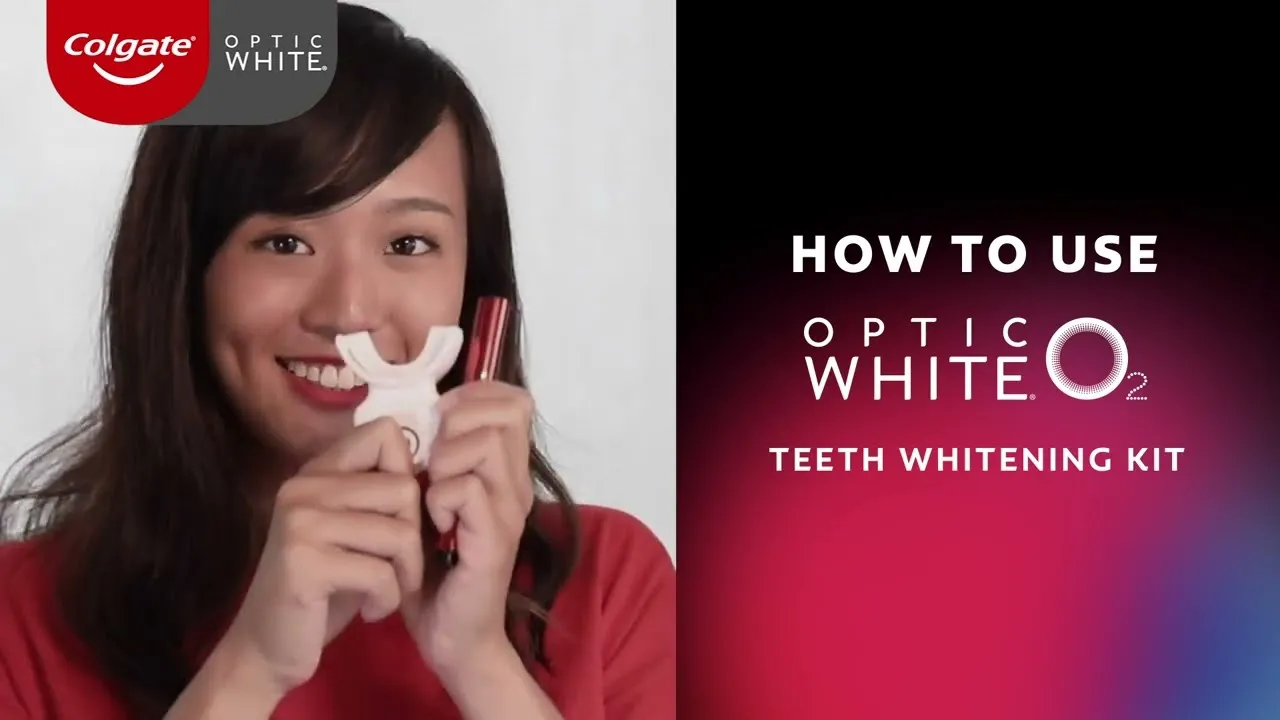
Achieving a brighter smile is a common goal, and teeth whitening kits offer a convenient and affordable way to do just that. But with so many options available, understanding how to use these kits effectively is key to achieving the best results. This easy guide will walk you through the process, from understanding the different types of kits to step-by-step instructions and tips for maintaining your newly whitened teeth. Get ready to unlock a brighter, more confident smile with teeth whitening kits!
Understanding Teeth Whitening Kits
Teeth whitening kits typically use bleaching agents, such as hydrogen peroxide or carbamide peroxide, to remove stains and discoloration from the surface of your teeth. These agents penetrate the enamel and break down the stain molecules, resulting in a brighter appearance. The effectiveness of a kit depends on the concentration of the bleaching agent, the duration of its use, and the individual’s tooth structure and the type of stains present. Many kits are designed for home use, offering a cost-effective alternative to professional whitening treatments. It’s essential to choose a kit that is suitable for your specific needs and to follow the instructions carefully for safe and effective results. Proper use and understanding can greatly enhance the effectiveness and ensure you achieve your desired results.
Types of Teeth Whitening Kits
Several types of teeth whitening kits are available, each with its own application method and formulation. These kits cater to different preferences and lifestyles, offering a range of options for achieving a brighter smile. Understanding the variations in these kits helps consumers select the most appropriate product based on their needs, convenience, and desired results. Considering factors like sensitivity, ease of use, and the strength of the whitening agent will ensure that you can make an informed choice, ultimately enhancing your teeth whitening experience. The main kit types include the following:
Whitening Strips

Whitening strips are thin, flexible strips coated with a peroxide-based whitening agent. These strips are designed to adhere directly to the teeth. The ease of use is one of the key advantages, as they require minimal time for application. The strips generally conform to the shape of your teeth, ensuring good contact with the surface. The concentration of the whitening agent varies, and the duration of use depends on the product instructions. Whitening strips are popular for their convenience and ease of integrating into a daily routine. They are usually available over the counter and offer a simple way to start your teeth whitening journey. For best results, it’s important to apply the strips correctly and consistently.
Whitening Gels
Whitening gels are applied to the teeth using a tray, brush, or applicator. They contain a higher concentration of the bleaching agent compared to strips, resulting in potentially faster whitening results. The trays are often custom-made by a dentist or come as a generic fit. Gels can be applied for short durations, sometimes just minutes a day, or can be used overnight, depending on the specific product. Using a gel-based system allows for more control over the application and can reach areas that strips might miss. When using whitening gels, following the instructions closely is vital to prevent gum irritation or sensitivity. Always follow the product guidelines and consult with a dentist before use to ensure it is suitable for you.
Whitening Toothpaste
Whitening toothpastes contain mild abrasives or chemical agents that help remove surface stains. They work by polishing the teeth and removing external stains from coffee, tea, or tobacco. These toothpastes are easy to incorporate into your daily oral hygiene routine, as you simply brush your teeth with them as you would any other toothpaste. While whitening toothpastes are not as effective as professional treatments, they can contribute to brighter teeth over time. They are most effective for removing surface stains and maintaining the results of other whitening treatments. Consistent use is important to see any visible improvement. Always choose a whitening toothpaste that is gentle on the enamel and consult your dentist if you have concerns about sensitivity or abrasive effects.
How to Use Whitening Kits Step-by-Step

Using a teeth whitening kit effectively involves a straightforward process, but it’s essential to follow the instructions carefully for optimal results. Each type of kit has specific guidelines, so it’s important to understand the correct steps for your chosen product. Proper preparation, application, and aftercare all contribute to the success of the treatment, resulting in a brighter and more confident smile. By following these simple steps, you can maximize the whitening effects while minimizing any potential risks. Before starting, read the instructions on your kit and gather all necessary materials, which usually include the whitening agent, applicators, and any other provided tools.
Step 1 Preparation
Before applying any whitening product, start by brushing your teeth gently to remove any food particles or debris. Flossing before whitening is also recommended to ensure that the whitening agent can reach all surfaces of your teeth. Once your teeth are clean, rinse your mouth with water. Avoid using mouthwash immediately before application, as some mouthwashes can interfere with the whitening process. Ensure your teeth are dry before applying the whitening agent, as this can help the product adhere better. Properly preparing your teeth will maximize the effectiveness of the whitening kit and improve the final results. This first step ensures a clean surface for the whitening agent to act upon, allowing for the best possible results.
Step 2 Application
Follow the application instructions specific to your kit type. For strips, apply them to your teeth, making sure they cover the surfaces evenly. For gels, apply the gel into the provided trays and insert them into your mouth. If using a brush-on application, follow the instructions for even coverage. Avoid getting the whitening agent on your gums, as this can cause irritation. Apply the product as directed, ensuring complete coverage of the teeth to be whitened. Different kits will have different methods for applying the whitening agent, so it is essential that the provided instructions are followed correctly. Applying the whitening agent evenly is crucial for achieving uniform whitening results. Consider using a small mirror for accurate application.
Step 3 Waiting Time

Once the whitening agent is applied, it’s time to wait the recommended time, as stated in the instructions. The duration varies depending on the kit’s strength and type, typically ranging from 30 minutes to several hours. Avoid eating or drinking during this time, as this can affect the efficacy of the treatment. Keep the strips or trays in place as directed, and refrain from talking or moving your mouth excessively. Use this time to relax and allow the whitening agent to work. The waiting time allows the bleaching agent to penetrate the enamel and break down the stains. Adhering to the recommended time is key for achieving the best results and avoiding any potential side effects.
Step 4 Rinsing and Aftercare
After the recommended waiting time, remove the strips or trays and rinse your mouth thoroughly with water to remove any remaining whitening agent. Brush your teeth gently to remove any residual product. Avoid using toothpaste immediately after whitening, as it might cause sensitivity. For the first few hours, avoid consuming foods and beverages that can stain your teeth, such as coffee, tea, red wine, and dark sauces. Proper aftercare is essential for maintaining the whitening results and minimizing potential sensitivity. Following these steps ensures the best results and protects the newly whitened teeth. It’s important to keep up with regular brushing and flossing to maintain a healthy smile.
Tips for Effective Whitening
To maximize the effectiveness of your teeth whitening kit, consider these additional tips. Choose a kit with a suitable concentration of whitening agent for your needs and dental sensitivity. Follow the instructions closely, and be consistent with the treatment schedule. Avoid foods and drinks that stain teeth during and after the treatment, such as coffee, tea, red wine, and berries. Consider using a desensitizing toothpaste before and after whitening if you have sensitive teeth. Regular dental check-ups and cleanings can also enhance the results of your whitening treatment. These simple tips can enhance your teeth whitening experience.
Maintaining Results

Maintaining the results of your teeth whitening treatment involves a combination of good oral hygiene practices and lifestyle choices. Regular brushing and flossing are essential to remove plaque and prevent new stains from forming. Limit your intake of staining foods and beverages. Use a whitening toothpaste to help maintain the brightness of your teeth. Consider periodic touch-up treatments to maintain your results. Avoiding smoking is crucial, as it stains teeth and negatively impacts your overall oral health. Regular dental check-ups and professional cleanings can also help. Consistent care and attention will ensure your smile remains bright and confident.
Common Mistakes to Avoid
Avoiding common mistakes can significantly improve your teeth whitening experience and results. Overusing the whitening kit can lead to tooth sensitivity and gum irritation, so stick to the recommended schedule. Not following the instructions properly can also result in uneven whitening or ineffective results. Consuming staining foods and drinks immediately after treatment can diminish the whitening effect. Ignoring any sensitivity or irritation is a mistake; consult your dentist if you experience discomfort. Using expired products will render the product ineffective. Finally, failing to consult with your dentist before starting any whitening treatment is a common mistake. By avoiding these errors, you can ensure a safe and effective teeth whitening experience. Careful attention to these pitfalls can help ensure the best outcomes.
When to See a Dentist
While teeth whitening kits can be effective, there are situations where a dentist’s consultation is recommended. If you have significant dental work, such as fillings or crowns, whitening kits may not whiten these areas. If you have sensitive teeth, a dentist can recommend treatments or products that are gentler. A dentist can assess your oral health to ensure you are a good candidate for whitening. If you experience persistent tooth sensitivity or gum irritation, you should seek professional advice. If you have any concerns about your oral health, always consult with your dentist. Professional guidance ensures the best outcomes and addresses any underlying dental issues.
Using teeth whitening kits can be a straightforward process when you know the basics. By understanding the different types of kits, following the instructions carefully, and taking care of your teeth, you can achieve a brighter and more confident smile. Remember to consult with your dentist if you have any concerns or questions. With the right approach, you can unlock the power of teeth whitening kits and enjoy a radiant smile!